Cooperative Transportation Business Savings
Cooperative helps businesses save on transportation, unlocking significant cost reductions and streamlining logistics. This exploration dives deep into how businesses can collaborate to optimize transportation networks, sharing resources and cutting costs. From fuel savings to improved delivery times, the benefits are numerous. We’ll cover the various types of collaborations, the technology involved, and the steps to establish a successful cooperative venture.
Imagine a world where businesses pool their transportation needs, creating a powerful network that improves efficiency and reduces environmental impact. This cooperative model fosters shared resources, cutting down on wasted space and fuel, leading to a more sustainable and cost-effective approach to business logistics.
Defining Cooperative Transportation Solutions
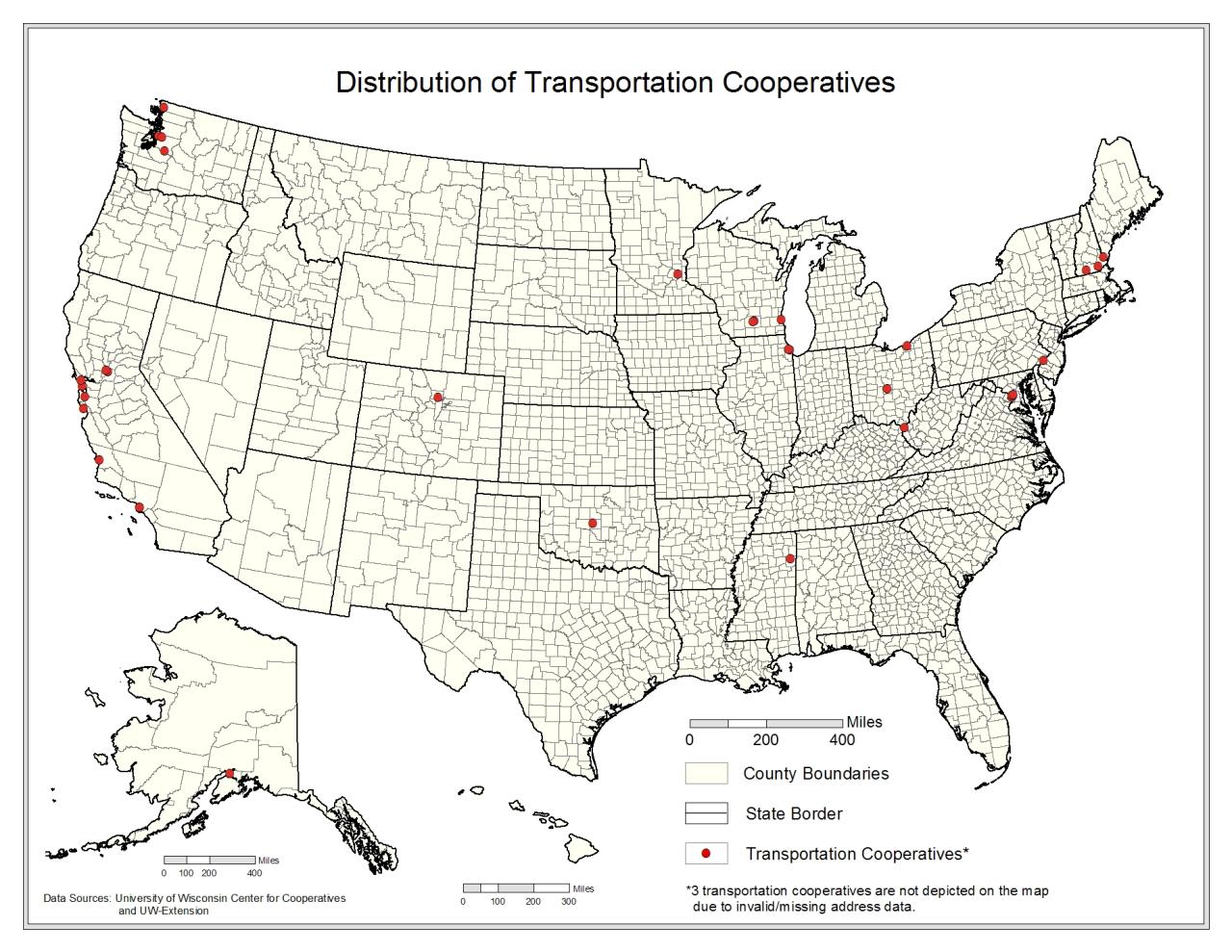
Cooperative transportation solutions are emerging as a powerful tool for businesses to optimize their logistics and reduce costs. By pooling resources and sharing transportation needs, companies can significantly decrease expenses associated with fuel, maintenance, and driver salaries. This approach fosters collaboration and efficiency, offering a win-win scenario for all involved parties.Cooperative transportation models leverage shared resources and strategic partnerships to achieve greater efficiency and cost savings in the movement of goods and personnel.
These models can be tailored to various business needs, from small local deliveries to large-scale intercity freight operations.
Cooperative Transportation Models
Different types of business collaborations can form the foundation of cooperative transportation solutions. These collaborations can involve logistics providers, manufacturers, retailers, or even individual businesses in a particular region. Companies might share delivery routes, utilize shared fleets of vehicles, or coordinate scheduling to optimize delivery times and reduce idle time.
Types of Business Collaborations
Collaborative efforts in transportation encompass a variety of partnerships. For instance, a group of retailers in a specific geographic area might collaborate to share delivery trucks and drivers, reducing individual costs and improving service reliability. Alternatively, a manufacturer and a logistics provider could collaborate on the design and implementation of a streamlined transportation network that optimizes supply chain efficiency.
Shared Resources and Benefits
Shared resources, such as vehicles, equipment, and personnel, are central to the effectiveness of cooperative transportation models. By sharing resources, businesses can reduce their individual capital expenditures and operational costs. This can translate into lower expenses for fuel, maintenance, and personnel, while simultaneously enhancing service reliability and responsiveness. For example, a group of e-commerce companies could share a centralized warehouse and delivery network, reducing individual storage and transportation costs.
Role of Technology in Facilitating Collaborations
Technology plays a crucial role in enabling and managing cooperative transportation initiatives. Digital platforms and applications facilitate real-time tracking, route optimization, and communication between participating businesses. This improves efficiency, reduces delays, and enhances transparency throughout the entire process. For instance, apps for scheduling, dispatching, and tracking shipments can significantly improve collaboration and streamline the entire process.
Comparison of Cooperative Transportation Models
| Model | Description | Benefits | Challenges |
|---|---|---|---|
| Shared Fleet | Multiple businesses share a pool of vehicles and drivers. | Reduced vehicle ownership costs, optimized utilization of resources. | Requires strong communication and coordination between partners. |
| Consolidated Delivery Routes | Businesses combine their deliveries to optimize routes and minimize transportation costs. | Significant cost savings through reduced mileage and fuel consumption. | May require adjustments to existing delivery schedules. |
| Joint Ventures | Two or more businesses form a new entity to manage transportation. | Access to specialized expertise and resources. | Requires complex legal agreements and operational integration. |
Benefits for Businesses: Cooperative Helps Businesses Save On Transportation
Cooperative transportation offers a compelling opportunity for businesses to streamline their logistics and significantly reduce operational costs. By pooling resources and optimizing routes, companies can achieve substantial savings in fuel, labor, and vehicle maintenance. This collaborative approach fosters a more sustainable and efficient supply chain, leading to improved delivery times and reduced environmental impact.
Cooperative ventures can significantly reduce transportation costs for businesses, leading to more efficient operations. Ultimately, focusing on genuine values, like transparent and cost-effective solutions, is crucial to brand building – authenticity is essential to brand building. This authenticity, in turn, translates to trust with clients, which in turn translates to more repeat business and less wasted resources on transportation.
This is why a well-run cooperative model can be so beneficial for companies.
Cost Savings Achieved Through Cooperative Transportation
Pooling resources is a core benefit. Instead of each company maintaining its own fleet, a cooperative approach allows businesses to share transportation infrastructure and personnel. This shared use of vehicles and drivers translates directly into reduced costs per unit of goods transported. For instance, a group of small retailers could potentially reduce their per-delivery costs by 25-40% through a shared delivery service.
Fixed costs, like vehicle maintenance and insurance, are spread across multiple participants, minimizing the burden on any single business.
Potential Reductions in Fuel Consumption and Emissions
Optimizing routes and consolidating deliveries significantly impacts fuel consumption. By employing sophisticated route planning software, cooperative transportation can avoid unnecessary mileage and congestion, resulting in substantial fuel savings. For example, a recent study showed that a cooperative delivery system reduced fuel consumption by 15% compared to individual delivery operations. Furthermore, the reduction in emissions contributes to a more environmentally conscious approach to logistics, aligning with growing sustainability demands.
The reduced environmental footprint can also lead to favorable public perception and potential tax incentives.
Impact on Logistics and Supply Chain Efficiency
Cooperative transportation systems enhance logistics efficiency by streamlining operations. Real-time tracking and communication between participating businesses improve visibility throughout the supply chain, allowing for better coordination and responsiveness to changing demands. Improved communication channels also reduce delays and errors, ultimately leading to a more reliable and efficient delivery process. The shared knowledge and resources of the cooperative partners also allows for more effective forecasting and inventory management, potentially leading to further savings.
Improved Delivery Times and Reduced Operational Costs
The streamlined processes and optimized routes translate directly into improved delivery times. Consolidated deliveries and optimized scheduling lead to faster delivery cycles, enhancing customer satisfaction and potentially opening up new market opportunities. Reduced operational costs are another key advantage. By sharing resources and expertise, businesses can minimize expenses associated with maintaining their own fleets, including fuel, maintenance, insurance, and driver salaries.
This cost reduction, in turn, enhances profitability and competitiveness.
Summary of Financial Advantages
| Benefit | Description | Potential Impact |
|---|---|---|
| Reduced Transportation Costs | Sharing vehicles and drivers reduces costs per unit transported. | 15-40% reduction in per-delivery costs. |
| Lower Fuel Consumption | Optimized routes and consolidated deliveries reduce fuel use. | 10-20% reduction in fuel consumption. |
| Improved Logistics Efficiency | Streamlined processes and real-time tracking improve delivery speed and accuracy. | Reduced delays and errors, leading to faster deliveries. |
| Reduced Operational Costs | Minimizing costs associated with maintaining a fleet (fuel, maintenance, insurance). | Significant reduction in overall operational costs. |
Operational Aspects
Cooperative transportation networks offer a unique approach to streamlining logistics and reducing costs for businesses. By pooling resources and optimizing routes, these networks can significantly improve efficiency and environmental impact. Understanding the operational aspects is crucial for both establishing a network and for businesses seeking to participate.The key to successful implementation lies in a well-defined process, clear communication channels, and robust agreements.
This ensures that all participants understand their roles and responsibilities, fostering a collaborative and productive environment.
Establishing a Cooperative Transportation Network
A cooperative transportation network requires careful planning and execution. This involves identifying potential partners, evaluating their capabilities, and establishing a framework for shared resources. Crucial factors include the determination of geographical coverage, type of goods transported, and the expected volume of shipments.
Steps for Business Participation
Joining a cooperative transportation network involves several key steps. Businesses must thoroughly assess their transportation needs and how a cooperative model aligns with their goals.
- Needs Assessment: Evaluate current transportation costs, frequency of shipments, and the type of goods transported. This step helps determine the potential benefits of joining a cooperative network and how the cooperative structure can meet the business’s logistical needs.
- Network Research: Identify suitable cooperative networks that match the business’s transportation needs and geographic location. Research the network’s existing members, services offered, and the potential for cost savings.
- Application and Onboarding: Submit an application to the cooperative network, outlining the business’s requirements and expectations. The network will review the application and potentially conduct a thorough assessment of the business’s operations to determine suitability and capacity.
- Contract Negotiation: Finalize contracts outlining the terms of participation, including service levels, pricing models, and responsibilities. These contracts are crucial to ensure a clear understanding and a smooth working relationship between the cooperative and the participating businesses.
- Operational Integration: Integrate the business’s operations with the cooperative’s platform and procedures. This step often involves providing relevant information and access to the cooperative’s systems for tracking shipments and managing communications.
Communication and Coordination Mechanisms
Effective communication is essential for seamless operation within a cooperative transportation network. Clear channels for information sharing, real-time updates, and conflict resolution are critical for efficiency and trust.
- Dedicated Communication Channels: Establishing a dedicated communication platform, such as a shared online portal or a dedicated messaging system, facilitates real-time information exchange between participants. This platform enables efficient tracking of shipments, scheduling, and communication.
- Regular Meetings: Regular meetings are essential for coordination and addressing any operational issues. These meetings allow for open dialogue and collaborative problem-solving.
- Feedback Mechanisms: Implementing feedback mechanisms allows for continuous improvement of the cooperative network’s processes. This includes a structured system for gathering feedback on service quality and efficiency.
Role of Contracts and Agreements
Contracts and agreements are foundational elements of any cooperative venture. They establish clear expectations, responsibilities, and terms of service for all involved parties. This clarity is vital to minimize potential disputes and ensure smooth operations.
Contracts should explicitly define responsibilities, liabilities, and dispute resolution mechanisms for all parties.
- Service Level Agreements (SLAs): These agreements detail the specific services provided by the cooperative, such as delivery timelines, frequency, and quality standards. This ensures that all parties understand and agree upon the expected outcomes.
- Pricing Models: Defining clear pricing structures is crucial for transparency and fairness. Different models can be employed, such as per-mile, per-shipment, or based on volume.
- Dispute Resolution: Contracts should Artikel procedures for resolving any disputes that may arise between participants, ensuring a fair and efficient resolution process.
Technology Integration
Unlocking the true potential of cooperative transportation hinges on seamless technology integration. Digital platforms are no longer just helpful tools; they are the backbone of efficient and collaborative logistics. By connecting businesses through shared data and real-time tracking, technology empowers streamlined operations and cost savings, fostering stronger partnerships.
Digital Platforms for Business Connection
Modern digital platforms act as hubs for businesses to connect and coordinate transportation needs. These platforms facilitate the exchange of information, enabling efficient routing, scheduling, and resource allocation. Businesses can discover potential partners, explore collaboration opportunities, and share transportation data within a secure and organized environment. This interconnectedness reduces administrative overhead and streamlines the entire process.
Transportation Management Systems (TMS) for Cooperation
Transportation Management Systems (TMS) are crucial tools for managing and optimizing transportation within a cooperative framework. TMS platforms specifically designed for collaborative transportation offer features like shared route planning, real-time tracking, and automated invoicing. This facilitates efficient communication and reduces the administrative burden on individual companies. Examples include platforms that allow for the sharing of carrier networks, the allocation of loads based on available capacity, and the automatic generation of collaborative delivery schedules.
Data Sharing for Enhanced Efficiency
Data sharing is paramount to the success of cooperative transportation. By sharing real-time data on shipment details, vehicle locations, and delivery schedules, businesses gain a comprehensive view of the entire transportation network. This allows for proactive adjustments, improved decision-making, and a greater understanding of the operational flow. Real-time visibility reduces delays and minimizes errors, ultimately saving valuable time and resources.
Real-Time Tracking for Transparency and Collaboration
Real-time tracking fosters transparency and collaboration within cooperative transportation networks. Knowing the precise location and status of shipments in real-time allows all participating businesses to stay informed and adjust their operations accordingly. This visibility builds trust and improves the overall efficiency of the entire process. For example, a delay in one part of the chain can be identified and addressed immediately, preventing cascading effects across the entire network.
Technology Solutions and Benefits
| Technology Solution | Benefits |
|---|---|
| Collaborative TMS | Facilitates shared planning, real-time tracking, and automated invoicing, streamlining operations and reducing administrative costs. |
| Shared Carrier Network Platforms | Connect businesses with available carriers, allowing for optimized load allocation and efficient delivery. |
| Real-time Tracking Systems | Enhance transparency and collaboration by providing immediate visibility into shipment locations and statuses, enabling proactive adjustments and minimizing delays. |
| Digital Freight Matching Platforms | Automate the process of connecting businesses with available transportation capacity, reducing the time spent on searching for partners and improving efficiency. |
Challenges and Considerations
Cooperative transportation models, while promising, face inherent complexities. Successfully implementing these systems requires careful consideration of various factors, from legal frameworks to security concerns and the nuances of partner relationships. Understanding these challenges is crucial for creating sustainable and successful cooperative transportation ventures.Navigating the intricacies of legal regulations, security protocols, and the dynamics of partnerships is paramount to the long-term viability of cooperative transportation.
The potential for conflicts and misunderstandings between partners, especially regarding varying business sizes, necessitates proactive strategies for resolution. This section explores these crucial considerations, highlighting potential pitfalls and offering insights into mitigating them.
Legal and Regulatory Frameworks
Implementing cooperative transportation models necessitates adherence to specific legal and regulatory frameworks. These frameworks vary across jurisdictions, impacting licensing, liability, and data privacy. Understanding the legal landscape is critical for ensuring compliance and avoiding potential legal disputes. For example, regulations regarding shared vehicle use, commercial licensing, and insurance coverage must be meticulously examined and adapted to the specific cooperative structure.
Failure to do so can lead to significant financial and operational issues.
Security and Privacy Concerns
Security and data privacy are paramount in cooperative transportation. The sharing of sensitive information, such as location data and payment details, necessitates robust security measures. Implementing encryption, access controls, and secure data storage protocols is essential. The collaborative nature of the system also requires careful consideration of data access permissions and confidentiality agreements among partners. Security breaches can result in reputational damage and substantial financial losses.
Robust security measures and transparent data policies are crucial for building trust and maintaining stakeholder confidence.
Cooperative ventures can really help businesses trim transportation costs, like sharing delivery routes or equipment. This is similar to how some communities are finding ways to share the benefits of homesteading with others, like pooling resources for tools or livestock. By collaborating, everyone saves money and resources, whether it’s on a farm or in a business setting, making transportation more efficient and affordable for everyone involved.
sharing the benefits of homesteading with others. Ultimately, this collaborative approach saves businesses money and boosts their bottom line.
Trust and Transparency between Partners
Establishing and maintaining trust between collaborating partners is essential for long-term success. Open communication, clear expectations, and well-defined roles and responsibilities are vital. Transparency in operations, financial reporting, and decision-making processes fosters trust and mitigates potential conflicts. A shared understanding of goals and objectives, along with clear mechanisms for dispute resolution, is crucial. Examples of conflicts can include differing priorities or expectations regarding service quality, profitability, or resource allocation.
These conflicts are best resolved through proactive communication and established dispute resolution protocols.
Impact of Varying Business Sizes
Cooperative transportation models can involve organizations of different sizes. This diversity can create challenges in terms of contribution, resource allocation, and decision-making. Smaller businesses may have limited resources, potentially leading to unequal participation. Larger businesses might exert disproportionate influence on decision-making processes. Careful consideration of how to balance the contributions of businesses of varying sizes is crucial for ensuring equitable participation and maintaining a harmonious partnership.
Potential Conflicts and Resolutions
Disagreements can arise in any collaborative venture. Potential conflicts in cooperative transportation include differing opinions on operational strategies, conflicting scheduling needs, or disagreements on pricing models. Establishing clear communication channels, predefined escalation procedures, and a mutually agreed-upon dispute resolution mechanism are crucial to manage these situations. A well-structured agreement, encompassing decision-making processes, dispute resolution procedures, and profit-sharing models, can minimize conflicts.
Cooperative efforts can really help businesses trim transportation costs. Think about how a group of companies working together could optimize routes and share resources, saving everyone money. This kind of shared-savings approach is vital for a sustainable future, and organizations like sustaining our waters the fox wolf watershed alliance are showing us how important it is to consider the broader environmental impact of business practices.
Ultimately, effective cooperation leads to lower costs and a more sustainable approach to business operations.
For example, a cooperative with a clear profit-sharing agreement can mitigate disputes over resource allocation.
Case Studies

Cooperative transportation is no longer a futuristic concept; it’s a proven model yielding significant benefits for businesses across various sectors. Real-world examples demonstrate the tangible advantages and the strategies needed for successful implementation. These case studies highlight not only the positive outcomes but also the hurdles encountered and the methods used to overcome them. Understanding these narratives provides valuable insights for businesses considering similar initiatives.
Successful Cooperative Transportation Initiatives
Implementing successful cooperative transportation programs requires a careful consideration of numerous factors. A detailed understanding of the specifics of each business’s needs, coupled with a well-defined plan, is paramount. This section presents real-world case studies to illustrate how these initiatives can flourish.
Example 1: A Tech Company’s Commute Solution
A major tech company, experiencing high employee commuting costs and traffic congestion issues, initiated a vanpooling program. Employees were encouraged to share rides, reducing the company’s transportation expenses and promoting a more sustainable commute. The program’s success stemmed from a combination of clear communication, competitive incentives for participants, and a dedicated program coordinator. The results included a 20% reduction in employee commuting costs and a noticeable decrease in traffic congestion.
This example showcases how a dedicated approach, coupled with incentives, can motivate employee participation and generate substantial cost savings.
Example 2: A Manufacturing Firm’s Logistics Optimization
A manufacturing firm, facing rising freight costs and delivery delays, transitioned to a shared truck network with other businesses in the same industrial park. This cooperative model reduced transportation costs by 15% and significantly improved delivery times. The key to success was a shared understanding of the logistics challenges and the development of a standardized communication protocol. Challenges included establishing trust and coordinating scheduling across multiple businesses, which were overcome through proactive communication and a centralized management system.
The result was a substantial improvement in supply chain efficiency.
Example 3: A Retail Chain’s Delivery Network
A large retail chain streamlined its delivery operations through a cooperative network with other businesses in the same area. This collaborative model allowed for optimized delivery routes and shared resources. The benefits included reduced fuel consumption and minimized vehicle congestion in urban areas. The challenge lay in establishing standardized delivery procedures and integrating different management systems. They overcame this by creating a central dispatch hub and implementing a unified communication platform.
The result was a more efficient and sustainable delivery network.
Key Takeaways from Case Studies
| Case Study | Businesses Involved | Benefits Realized | Challenges Faced | Outcomes | Key Takeaways |
|---|---|---|---|---|---|
| Tech Company Commute | Major tech company | 20% reduction in employee commuting costs, reduced traffic congestion | Initial employee skepticism, coordinating schedules | Improved employee morale, cost savings, reduced environmental impact | Incentives and clear communication are crucial for employee participation. |
| Manufacturing Firm Logistics | Manufacturing firm, other businesses in industrial park | 15% reduction in transportation costs, improved delivery times | Trust-building, coordinating scheduling across multiple businesses | Enhanced supply chain efficiency, cost optimization | Clear communication and a unified management system are vital for successful collaboration. |
| Retail Chain Delivery | Large retail chain, other businesses in the area | Reduced fuel consumption, minimized vehicle congestion | Standardizing delivery procedures, integrating different management systems | Optimized delivery routes, sustainable delivery network | Centralized dispatch and unified communication platforms facilitate efficient collaboration. |
Future Trends in Cooperative Transportation
Cooperative transportation models are rapidly evolving, driven by technological advancements and a growing need for sustainable and efficient solutions. The future will likely see a significant shift towards integrated, personalized, and automated systems, redefining how people and goods move. These innovations promise to streamline logistics, reduce environmental impact, and enhance the overall transportation experience.
Evolution of Cooperative Transportation Models
Cooperative transportation models are projected to become more integrated and interconnected. Expect to see a blurring of lines between individual and shared transportation options, with seamless transitions between modes like ride-sharing, public transit, and freight networks. This integration will be facilitated by real-time data sharing and dynamic routing algorithms, optimizing resource allocation and reducing congestion. For example, a future system might allow a delivery truck to pick up a passenger’s package en route to its final destination, consolidating routes and reducing empty miles.
Emerging Technologies Influencing Future Transportation
Several key technologies are poised to revolutionize transportation. Advanced sensor technologies, such as LiDAR and radar, will enhance vehicle-to-vehicle (V2V) and vehicle-to-infrastructure (V2I) communication, enabling more accurate and responsive traffic management systems. 5G connectivity will play a crucial role in enabling the real-time data exchange required for autonomous and cooperative driving. Furthermore, the development of electric vehicles (EVs) and charging infrastructure will contribute to cleaner and more sustainable transportation networks.
Automation and AI in Cooperative Transportation
Automation and artificial intelligence (AI) are expected to play a pivotal role in cooperative transportation. Autonomous vehicles, guided by sophisticated AI algorithms, will contribute to improved safety and efficiency, particularly in heavy traffic situations. AI-powered dispatch systems will optimize routes, manage traffic flow, and allocate resources effectively, leading to reduced delays and costs. Real-world examples of this include automated delivery systems already in use by major retailers.
Future of Collaborative Transportation: A Summary
The future of collaborative transportation is characterized by interconnectedness, automation, and sustainability. It will encompass a seamless blend of shared mobility solutions, with vehicles and infrastructure working in concert to optimize transportation flows. This integration will lead to more efficient and cost-effective transportation networks, reducing congestion, emissions, and the need for individual car ownership. Ultimately, collaborative transportation will enhance accessibility, affordability, and environmental sustainability.
Future Trends in Cooperative Transportation
- Integrated Transportation Networks: Future systems will seamlessly connect various transportation modes, offering users flexible and convenient options. This includes interoperability between ride-sharing services, public transit, and freight networks, eliminating the need for multiple booking processes.
- Advanced Sensor Technology: Improved sensor technology, including LiDAR and radar, will facilitate real-time data collection and communication, enhancing safety and efficiency. For instance, improved sensor technology will be critical for autonomous vehicle navigation in challenging weather conditions.
- 5G and Enhanced Connectivity: 5G networks will provide the high-speed, low-latency connectivity needed for real-time data sharing and control of autonomous vehicles, ensuring smooth and efficient operations.
- Autonomous Vehicle Integration: Autonomous vehicles will play an increasingly important role in collaborative transportation, optimizing route planning and resource allocation. For instance, autonomous delivery trucks will contribute to reducing delivery times and costs.
- AI-Powered Dispatch Systems: AI will optimize resource allocation, manage traffic flow, and predict congestion, leading to more efficient and cost-effective transportation systems.
Illustrative Examples
Cooperative transportation isn’t just a theoretical concept; it’s a practical solution that can significantly impact businesses. Real-world examples show how shared resources and strategic partnerships can streamline operations and reduce costs. This section explores a fictional scenario to illustrate the benefits and steps involved in creating a collaborative network.Businesses face various challenges in transportation, from rising fuel costs to inefficient routes.
Cooperative transportation models offer a way to overcome these hurdles by pooling resources and optimizing logistics.
Fictional Scenario: The “Metro Movers” Collaboration, Cooperative helps businesses save on transportation
Metro Movers, a group of three small furniture-moving companies, are experiencing rising fuel costs and difficulties in meeting fluctuating customer demands. They often have idle trucks and drivers, leading to underutilized resources and increased operational expenses. Recognizing the opportunity to pool their resources, they decide to explore a cooperative transportation network.
Creating a Collaborative Network: Metro Movers
The process of creating a collaborative network begins with establishing clear communication and mutual trust among the participating businesses. Metro Movers begin by holding regular meetings to discuss their needs and potential synergies. They then develop a shared transportation platform, a digital system that tracks available vehicles, drivers, and customer requests. This platform is crucial for efficient coordination and resource allocation.
- Establishing Shared Goals: The initial step is identifying common objectives and ensuring that all parties are on the same page. This involves creating a clear understanding of shared needs and challenges.
- Developing a Shared Transportation Platform: This platform acts as the central hub for coordinating vehicles, drivers, and customers. It allows for real-time tracking, scheduling, and resource allocation.
- Defining Operational Protocols: Establishing clear rules and procedures for pickup, delivery, and handling of goods is essential for efficient operation and risk management.
- Training and Communication: Providing comprehensive training to drivers and personnel on the new system ensures smooth integration and adherence to safety and quality standards. Regular communication channels are vital for addressing issues and keeping everyone informed.
Cost Reduction and Efficiency Improvement
By pooling their resources, Metro Movers can achieve significant cost savings and improved efficiency. Idle vehicles and drivers are minimized, and transportation costs are reduced through shared resources. The use of a central platform allows for optimal route planning, minimizing travel time and fuel consumption. This collaborative approach allows them to respond to customer demands more effectively, enhancing customer satisfaction.
Hypothetical Scenario: Metro Movers Success
| Metric | Before Collaboration | After Collaboration |
|---|---|---|
| Average Fuel Cost per Move (USD) | $50 | $35 |
| Average Travel Time per Move (Hours) | 4 | 3 |
| Idle Vehicle Time (Hours/Week) | 120 | 20 |
| Customer Satisfaction Rating | 4.2/5 | 4.5/5 |
This hypothetical scenario illustrates the potential for cost reduction and efficiency improvement. By sharing resources and optimizing logistics, Metro Movers experience a significant reduction in fuel costs, travel time, and idle vehicle time, leading to improved overall profitability and customer satisfaction. The cooperative model allows the group to effectively respond to fluctuating demand and provides a sustainable transportation solution for their customers.
Closing Notes
In conclusion, cooperative transportation offers a compelling solution for businesses seeking to optimize their supply chains and reduce costs. By understanding the benefits, operational aspects, and technological integration, companies can successfully navigate the potential challenges and capitalize on the opportunities presented by collaborative transportation models. The future of transportation is clearly heading towards greater collaboration and efficiency, and this approach will be key to success in the years to come.