The Mall Renaissance: How Gen Z is Redefining the Black Friday Retail Landscape

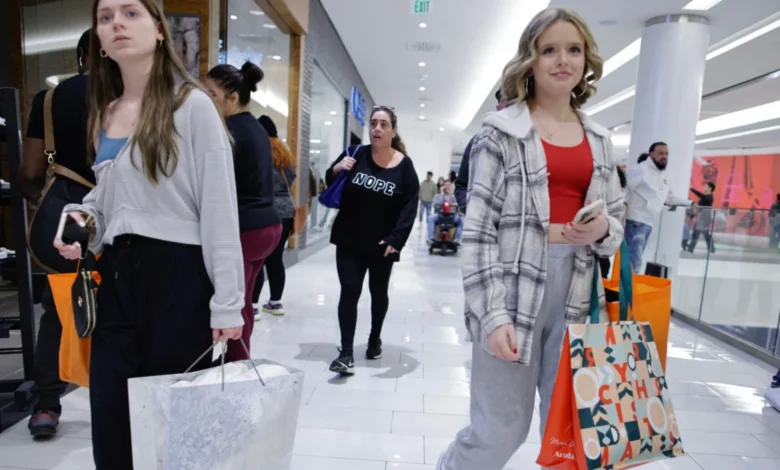
Black Friday has long stood as the symbolic kickoff of the holiday shopping season, representing the most concentrated five-day period of consumer spending in the American retail calendar. As the industry pivots into the critical window between today and Cyber Monday, market data from Circana suggests that 43% of the U.S. population intends to complete the bulk of their holiday purchases during this brief interval. Perhaps most tellingly, nearly one-quarter of all holiday shoppers plan to finalize their buying strategy today, underscoring the enduring psychological weight of this post-Thanksgiving event.
While retail analysts have spent the better part of a decade forecasting the decline of physical shopping spaces in favor of pure-play e-commerce, the current landscape reveals a more complex reality. For Generation Z—the cohort currently aged 14–29—Black Friday remains an essential cultural touchstone. Deloitte reports that 94% of Gen Z consumers intend to shop during this week, with an average planned expenditure of $752 per person. This figure outpaces every other generational cohort, signaling that despite their digital fluency, this demographic is the primary engine driving retail growth this year.
The Evolution of the Mall Visit
Contrary to the narrative that the shopping mall is a relic of the Gen X era, current data indicates that the physical shopping center is undergoing a significant resurgence, particularly among younger consumers. Research from Coresight, released in April, shows that 48% of Gen Z consumers have visited a shopping mall within the past two weeks. An Ipsos survey further corroborates this trend, noting that shoppers aged 18–34 are twice as likely to frequent physical malls as those aged 55 and older.
This behavior is not merely performative. A study released by Stagwell this year highlights that Gen Z not only spends more time in malls per visit than other generations, but they also maintain a higher average transaction value of $296 per trip. This suggests that the physical storefront remains a high-conversion environment for brands capable of capturing the attention of younger demographics.
A Chronology of Retail Shifts
The relationship between younger shoppers and brick-and-mortar retail has shifted through several distinct phases over the last decade. In the mid-2010s, the "Retail Apocalypse" narrative took hold, driven by the rapid rise of mobile-first e-commerce. During this period, malls struggled to justify their existence as digital convenience became the primary metric for success.
However, the period between 2020 and 2022 forced a fundamental pivot. The isolation brought on by the pandemic created a "rebound effect," where the digital fatigue of remote life catalyzed a desire for in-person, social, and tactile shopping experiences. By 2024, brands began to re-evaluate their leasing strategies, moving away from purely transactional spaces toward "experiential retail." Today, in 2026, we are witnessing the maturation of this trend, where the mall serves as a hybrid social and commercial hub that complements, rather than competes with, digital storefronts.
The Psychology of the Analog Renaissance
The appeal of the mall for Gen Z is rooted in a reaction against the frictionless, isolated nature of digital commerce. While these consumers grew up with the expectation of immediate, algorithm-driven purchasing, they increasingly find value in the social and physical components of retail. Helenor Gilmour, head of research at Beano Brain, notes that a trip to the mall functions as a rite of passage and a test of autonomy for younger consumers.
This phenomenon is also beginning to emerge within Generation Alpha (those aged 13 and under), whose collective spending power and influence are estimated by Charles Schwab to be approaching $100 billion. As these younger consumers gain more financial independence, they are viewing the shopping center as a venue for peer-to-peer connection. This social dimension is why retailers expect Black Friday to function as a communal activity rather than a solitary, task-oriented chore.
Strategic Integration: Ecommerce Meets Physical Space
PacSun CEO Brieane Olson, whose organization maintains a robust presence in both digital and physical channels, views the current landscape as an opportunity for integration. "Young people aren’t choosing between digital and physical experiences," Olson stated. "They want both, and they expect brands to create meaningful connections across each."
This sentiment is echoed by the management at the Mall of America (MOA) in Bloomington, Minnesota. According to the MOA’s 2026 Holiday Shopping Survey, 92% of Gen Z respondents indicated an intent to visit the facility today, with a significant majority intending to make purchases. The strategy at MOA has been to lease space to brands that already hold cultural currency online—such as Pop Mart, Edikted, and various K-pop-related retailers—thereby creating a "phygital" (physical plus digital) environment. By bringing online trends into a tangible space, the mall effectively bridges the gap between digital discovery and in-store conversion.
The Social Economy of the Mall
For retailers, the challenge lies in the fact that visiting the mall does not always equate to a purchase. Data from the International Council of Shopping Centers (ICSC) indicates that 60% of Gen Z mall visitors go specifically to socialize or meet friends. Sunnie and Westfield Rise’s 2026 study of female Gen Z shoppers found that 72% of respondents would visit the mall even if they had no intention of buying anything.
This behavior suggests that the modern mall is functioning more as a "third place"—a social environment separate from home and school/work—than a traditional retail outlet. For brands, this requires a shift in marketing strategy. The Coresight study emphasizes that malls must now serve as "aesthetically curated spaces" that provide backdrops for content creation. Retailers that offer visually engaging, Instagrammable, or TikTok-ready environments are seeing higher engagement rates, as these spaces provide value to consumers through social currency, even when direct revenue is not immediately generated.
Economic Implications for Black Friday 2026
The implications of these findings for the remainder of the holiday season are clear. Retailers that view the mall solely as a point of transaction are likely to miss out on the shifting priorities of the Gen Z consumer. Success in the current climate requires:
- Omnichannel Cohesion: Brands must ensure that the online discovery process—via social media algorithms—leads seamlessly into the physical store experience.
- Social Infrastructure: Retail spaces must provide environments that facilitate social interaction, such as lounges, interactive kiosks, or event-driven pop-ups.
- Aesthetic Value: Stores should be designed with the "shareability" of the space in mind, recognizing that Gen Z shoppers often use their visits to produce digital content for their own social circles.
As Black Friday 2026 progresses, the data suggests that the winning brands will be those that embrace the mall’s role as a social hub. By acknowledging that the physical visit is as much about the "energy" of the environment as it is about the merchandise, retailers can better capitalize on the record-breaking spending power of the younger generation. The digital world may define the discovery phase, but the physical world continues to hold the power of conversion through shared experience and tangible engagement.
Ultimately, the survival and growth of the mall in the modern era demonstrate that retail is not merely a service of goods distribution, but a fundamental pillar of social culture. As long as brands can offer an experience that cannot be replicated behind a screen, the mall will continue to command a central place in the annual ritual of Black Friday.