TDX 2026 Ushers in Agentic Enterprise Era with Groundbreaking AI and Platform Innovations

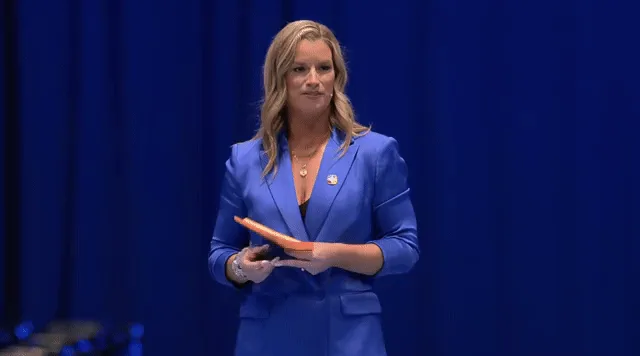
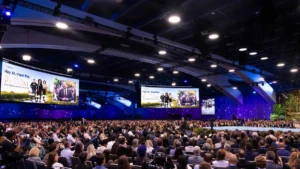
The Moscone Center in San Francisco recently played host to TDX 2026, Salesforce’s premier developer conference, an event rivaled only by Dreamforce in its scale and impact. Over two days, the conference served as a real-time window into the evolving landscape of enterprise technology, firmly establishing the advent of the "Agentic Enterprise" – a paradigm where intelligent AI agents collaborate seamlessly with humans to drive unprecedented efficiency and innovation. This year’s milestone event, marking the 10th anniversary of TrailblazerDX, delivered a powerful message: the way software is built is fundamentally changing, and Salesforce is at the forefront of this transformation.
The conference kicked off with high energy, setting the stage for a deep dive into the latest advancements in artificial intelligence, platform capabilities, and developer tools. Attendees, comprising thousands of developers, architects, and innovators, were treated to a comprehensive agenda packed with keynotes, technical sessions, hands-on workshops, and community-building events. The overarching theme revolved around empowering developers to harness the power of AI agents responsibly and effectively, ensuring consistency, reliability, and scalability in enterprise applications.
Keynote Unveils Salesforce Headless 360: The Foundation for Agentic Innovation
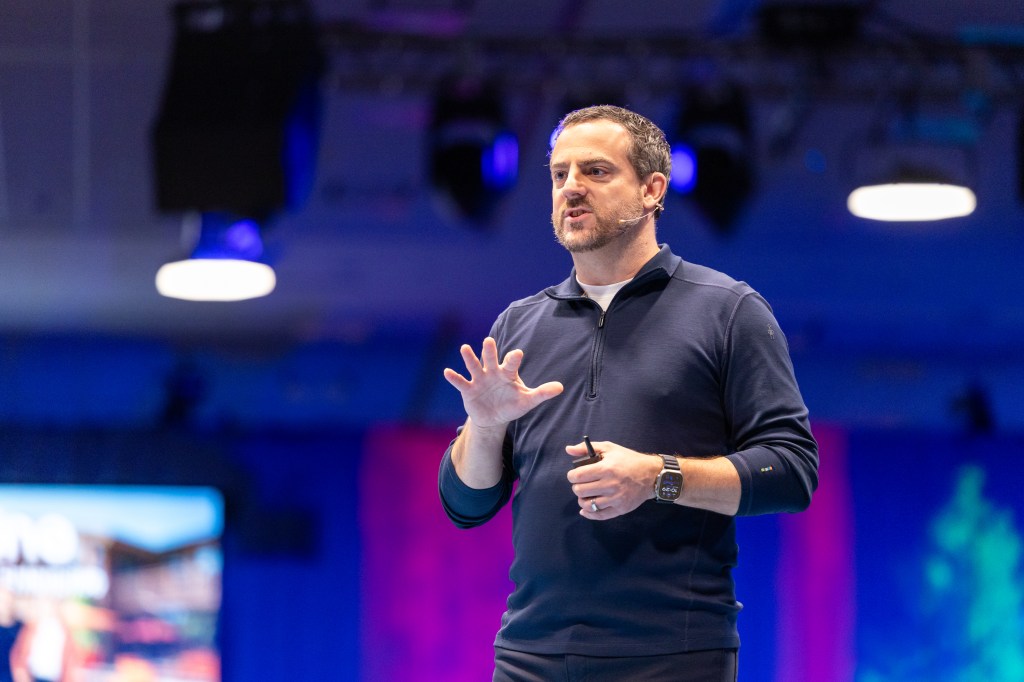
The undeniable highlight of TDX 2026 was the keynote address, which centered on the introduction of Salesforce Headless 360. Joe Inzerillo, President of Enterprise & AI Technology at Salesforce, captivated the audience with a bold declaration: "The agentic revolution is the most impactful thing I’ve seen in my entire life." This statement underscored the profound shift that Salesforce Headless 360 is poised to bring to the development community.
Headless 360 is envisioned as a completely decomposed system of context and work, making the entire Salesforce platform accessible via a robust suite of APIs, CLIs (Command Line Interfaces), and Model Context Protocols (MCPs). This architectural shift addresses a critical challenge in the age of AI: while AI agents are inherently probabilistic – meaning they don’t always execute tasks in precisely the same way – developers require powerful, deterministic tools to manage and orchestrate them. Headless 360 provides this foundational control, allowing humans and agents to work together in a structured, predictable environment.

The keynote elaborated on how Headless 360 transforms the development lifecycle through three core motions:
- Compose: Developers can now assemble intelligent workflows and applications using modular, API-first components, breaking free from monolithic architectures.
- Connect: Seamless integration with any system or data source becomes possible, enabling a truly unified enterprise ecosystem.
- Control: Granular control over AI agent behavior and interactions ensures that business logic and compliance requirements are met, even in dynamic AI-driven processes.
The implications of Headless 360 are far-reaching. It promises unparalleled flexibility, allowing developers to build highly customized, composable applications that can be deployed across various touchpoints and integrated with diverse systems. This API-first approach not only accelerates innovation but also future-proofs enterprise IT landscapes, preparing them for an increasingly intelligent and interconnected world.
Elevating AI Reliability with Agent Script

A significant concern for developers working with large language models (LLMs) has been their inherent unpredictability. The "crossing your fingers and hoping AI complies with instructions" approach is no longer viable for critical business operations. Addressing this head-on, Salesforce unveiled Agent Script, a groundbreaking tool designed to enhance AI consistency.
During the session titled "Design Hybrid Reasoning in the Real World," Salesforce employees Bret Brizee (Senior Director of AI Product), Nathaniel Price (Product Management Senior Director), and Susannah Plaisted (Director of Product Marketing) introduced Agent Script as a solution that blends the creative generative power of LLMs with rigid, deterministic business logic. This innovation allows developers to construct predictable, context-aware agent workflows that do not rely solely on an LLM’s interpretation.
Agent Script empowers developers to enforce specific workflows, such as verifying customer data against established records or automatically checking the warranty status of a product. By moving beyond natural language instructions alone, businesses can build trust in their AI agents, ensuring they perform critical tasks consistently and in alignment with predefined rules. This capability is vital for industries where accuracy and compliance are paramount, paving the way for wider adoption of AI in sensitive and high-stakes business processes.
Slack: The Conversational Hub for the Agentic Enterprise
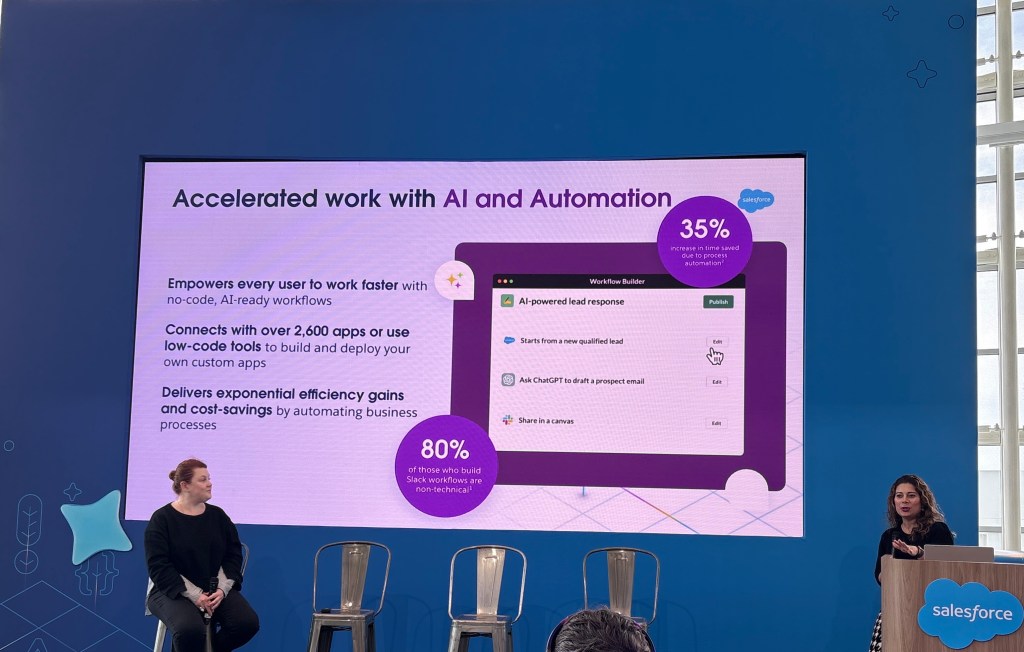
The role of collaboration platforms in the agentic era was a major theme, with Slack taking center stage in the session "How Salesforce Gets More Done with Slack Daily." Kamilla Khaydarov, Salesforce Senior Director of Product Marketing, and Christine Soufastai Chugh, Senior Director, Salesforce on Salesforce Technical Program Management, demonstrated how Slack is fundamentally reimagining internal workflows at Salesforce, saving "hundreds of thousands of hours of employee time."
The presentation highlighted Slack’s transformative impact across all organizational levels:
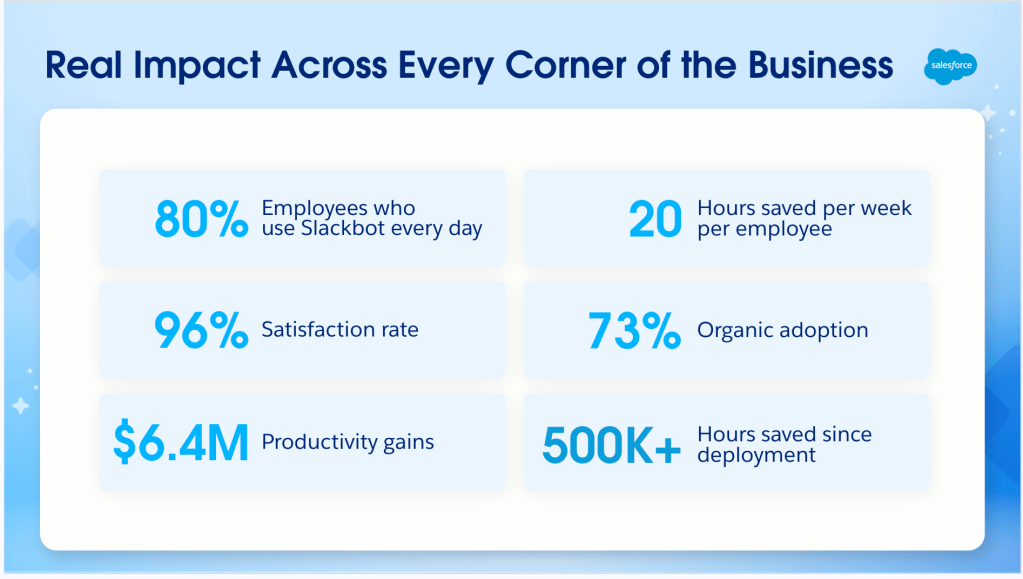
- Company Level: The Techforce agent within Slack independently resolves 40% of incoming IT support requests, handling over 8,000 employee cases per month related to devices, tools, and software. This significantly reduces the burden on IT teams and provides rapid resolution for employees.
- Function Level: The Workflow Builder empowers business users to automate tasks like responding to leads without requiring developer intervention. This democratizes automation, freeing up valuable developer time for more complex projects.
- Manager Level: Approvals in Slack integrates with third-party applications like Concur and Workday, allowing managers to approve requests (e.g., travel, reimbursements) directly within Slack. This eliminates the need to "swivel back and forth between other systems," drastically reducing approval times from two days to just a few hours. Khaydarov noted the frustration of "terminally togglesome ‘apps and tabs’" and positioned Slack as a more conversational, efficient alternative.
- Individual Level: For Salesforce’s extensive sales force, the Sales Agent aggregates information from user threads, channels, and canvases, including deal history, pricing, and product knowledge. This ensures sellers are fully prepared for every meeting, enhancing productivity and effectiveness.
A particularly engaging moment involved Mike Reynolds, Senior Technical Product Marketing Manager for Slack Developer Marketing, who performed a "riskiest demo." During a session about Slackbot, Reynolds revealed a blank slide in his presentation, humorously claiming he "forgot to build it." He then used Slackbot, powered by a powerful LLM and respecting Slack’s access controls, to generate a new set of slides on the fly. While one slide was "extremely ugly" (as Reynolds quipped, "Slackbot doesn’t have eyes, and that’s why you always need a human in the loop"), the demonstration powerfully showcased Slackbot’s generative capabilities.
Reynolds further elaborated on Slackbot’s most impactful feature: "searching everything, everywhere, all at once." This allows Slackbot to retrieve and synthesize information from Slack, Salesforce, OneDrive, PDFs, and other connected data sources. Future roadmap plans for Slackbot include web search integration, advanced workflow building, Agentforce orchestration, third-party app orchestration, and AI meeting notes, which will enable it to answer questions based on meeting summaries, even for meetings not attended by the user. This signifies a monumental shift from siloed information to a truly unified, intelligent knowledge base accessible through a conversational interface.
TDX Hackathon Showdown: A Display of Trailblazer Innovation

Beyond the keynotes and technical sessions, TDX 2026 fostered a vibrant community spirit, exemplified by the highly anticipated TDX Hackathon. This marquee event saw developers push the boundaries of innovation, competing for a $50,000 grand prize. Emceed by Gillian Bruce, Sr. Director, Developer Marketing at Slack, the showdown featured three pitches, each with a tight five-minute window, followed by three probing questions from the judges.
The esteemed judging panel included John Kucera, CPO Agentforce; Leah McGowen-Hare, SVP, Forward-Deployed Engineering, Global Growth & Impact – both from Salesforce; and last year’s winner, Ohad Idan, VP of Product, Rootstock. Competitors were evaluated on creativity, real-world relevance, capabilities and platform usage, and the crucial element of delivery.
While Gigi Chan’s "Referral to Care in Slack" earned the audience favorite award, the judges ultimately awarded the grand prize to Spolyar and Kelley for their proactive service agent, "City Pulse." The hackathon not only highlighted the immense talent within the Trailblazer community but also demonstrated the practical application of Salesforce’s latest technologies in addressing real-world challenges.

Further Innovations and the Campground Experience
TDX 2026 was a veritable treasure trove of announcements beyond the marquee features. Salesforce unveiled a comprehensive package of innovations designed to empower builders in the agentic era, including:
- Salesforce Data Cloud: Enhanced with zero-copy data sharing, generative AI capabilities, and robust privacy controls, enabling organizations to leverage their data more effectively and securely.
- Salesforce Einstein 1 Platform: Positioned as a data-first, metadata-driven, and trusted AI platform, providing a unified foundation for building intelligent applications.
- Flow for Salesforce: Significant enhancements to improve the developer experience, making it easier to automate complex business processes.
Additional announcements included new Slack Platform capabilities for Agentforce orchestration, third-party app orchestration, and AI meeting notes, further cementing Slack’s role as an intelligent collaboration hub. New features were also introduced for Prompt Builder, Copilot Builder, and Model Builder, providing developers with more sophisticated tools to design, deploy, and manage AI agents. Expanded Data Cloud integrations, along with Apex and LWC (Lightning Web Components) enhancements, rounded out the comprehensive suite of updates, promising greater power and flexibility for developers working across the Salesforce ecosystem.
The conference atmosphere itself was electric. From the vibrant "campground" floor where attendees could network and explore new technologies, to engaging vignettes like the chess-playing robot (mercifully slow, to the relief of Newsroom staffer Jessica Abate), and the popular Trailblazer Trading Cards quiz, TDX 2026 fostered a sense of community and excitement. Flo Rida’s performance on Day One provided a fittingly high-energy close, sending attendees off with a "good feeling" before diving into Day Two’s equally compelling agenda.
Broader Implications for the Enterprise Landscape
TDX 2026 signals a pivotal moment for enterprise technology. The emphasis on the "Agentic Enterprise" and the launch of Salesforce Headless 360 underscore a fundamental shift towards more modular, intelligent, and human-centric software development. The commitment to blending probabilistic AI with deterministic controls, as seen in Agent Script, is crucial for building trust and ensuring the responsible deployment of AI in critical business functions.

The enhanced capabilities of Slack, particularly Slackbot’s "searching everything, everywhere, all at once" and its future roadmap, illustrate a clear vision for how conversational AI will become the primary interface for work, streamlining operations and boosting productivity across all levels of an organization. The success stories, like B2B travel company Engine’s use of Agentforce 360 Platform to fully handle 50% of chat cases without human intervention, provide tangible evidence of this paradigm shift. Sarah Morton, Engine’s Senior Salesforce Administrator and a Golden Hoodie recipient, articulated the essence of this transformation: "It wasn’t ever like we were starting from scratch… We had these building blocks in place. It really helped redefine the business and what’s possible with AI."
Ultimately, TDX 2026 reinforced Salesforce’s position as a leader in enterprise AI, demonstrating a clear strategy to empower developers with the tools and platforms needed to navigate and thrive in the era of the Agentic Enterprise. The conference made it clear that the future of work will be defined by the seamless, intelligent collaboration between humans and AI agents, orchestrated by robust, flexible, and trustworthy platforms.
Related posts: