The Ingenious Automation of Allergy Shots: How One Agent Saves 25 Minutes Per Visit


The seemingly mundane task of receiving weekly allergy shots has been transformed by an innovative application of artificial intelligence, saving an individual approximately 25 minutes per appointment. This breakthrough, developed by Thanh Pham of Asian Efficiency, centers on a sophisticated AI agent named Lindy, designed to proactively manage appointment logistics and streamline the patient experience. The system highlights a critical principle in AI adoption: the most impactful automations often address the most persistent, albeit seemingly small, daily frustrations, rather than aiming for grand, disruptive applications.
The Problem: The Inefficiency of Allergy Shot Preparation
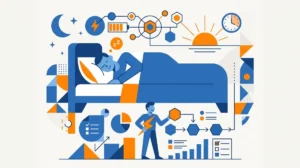
Allergy shots require a unique preparation process that prevents batching. Unlike many medical procedures or treatments that can be prepared in advance, allergy immunotherapy serums are typically mixed fresh for each patient, shortly before administration. This necessity stems from the need to maintain the precise concentration and potency of the allergens, which can degrade over time or if stored improperly. Consequently, patients arriving at allergy clinics without prior notification often face extended waiting periods while their individual treatment is compounded.
For Thanh Pham, this meant a consistent 25-minute delay during each of his weekly visits. "The clinic can’t batch them ahead of time," Pham explains in his analysis of the system. "So if you show up without warning, you sit in a waiting room while they mix it." This seemingly minor inconvenience, repeated weekly, accumulated into a significant time drain over the course of a year, equating to over 20 hours of lost time annually, based on a typical 50-week treatment schedule.
Pham’s initial reaction to the idea of automating this process was one of skepticism. He perceived the task as too trivial and perhaps even unconventional for the sophisticated AI technologies he was exploring. "The first time I thought about automating this, I almost didn’t bother. It seemed too small. Too weird. Not the kind of ‘AI automation’ I was supposed to be building," he notes. This hesitation reflects a common misconception about AI implementation, where the focus is often placed on groundbreaking, highly visible applications rather than incremental improvements to daily workflows.
The Solution: Lindy, the Proactive Appointment Agent
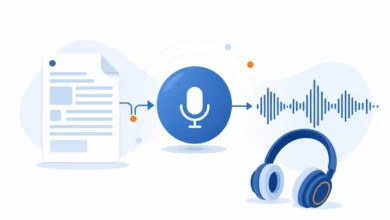
The core of Pham’s solution lies in an AI agent named Lindy. This agent functions as a virtual concierge, handling the communication necessary to optimize his arrival at the clinic. The process begins approximately 30 minutes before his scheduled allergy appointment. At this juncture, Lindy initiates a phone call to the clinic. The sophistication of this call lies in its ability to navigate the clinic’s automated phone menu – a common hurdle for many individuals seeking to connect with human staff.
"It dials the clinic. Navigates their automated phone menu. Tells the receptionist that Thanh Pham is on his way and will arrive in about 30 minutes. Then hangs up," Pham details. This automated communication serves a crucial purpose: it signals to the clinic staff that Pham is en route, allowing them to prepare his shot in advance. The result is a seamless transition from arrival to treatment. "When I walk through the door, my shot is ready," he states, underscoring the direct benefit of the system.
The Technical Underpinnings: DTMF Tones and Conversational AI
The technical execution of Lindy’s calls involves a deeper dive into telecommunications technology. The ability to navigate automated phone systems, often referred to as Interactive Voice Response (IVR) systems, requires simulating human button presses. This is achieved through Dual-Tone Multi-Frequency (DTMF) signals, the distinct tones generated when a telephone keypad is pressed.
"I had to learn something called DTMF tones," Pham explains. "Turns out you can include these in a Lindy prompt to simulate pressing numbers during an automated call." To implement this, Pham conducted a manual call to the clinic, meticulously timing each step of the automated menu. This data was then integrated into Lindy’s prompt, instructing the AI on when to generate specific DTMF tones. For instance, a prompt might include instructions like, "Wait approximately 20 seconds, then press 1. Wait approximately 15 seconds, then press 1 again."
The final message delivered by Lindy is concise and informative: "Hi, this is Lindy calling on behalf of Thanh Pham. He’s on his way and will arrive in about 30 minutes. Just wanted to give you a heads up. Thank you, have a great day." This message is designed to be easily understood by clinic staff, providing the essential information without being overly intrusive.
The "80/20 of Automation": Focusing on High-Frequency, Low-Complexity Tasks
Pham’s approach to AI automation is guided by what he terms the "80/20 of agent building." This principle suggests that the most significant value in automation comes not from tackling complex, headline-grabbing projects, but from optimizing recurring, everyday tasks. "The ones that actually compound in value aren’t the impressive-sounding ones. They’re the boring ones," he asserts.
Examples of these "boring" but highly effective automations include:
- The allergy clinic call: As detailed above, this saves significant waiting time.
- Weekly briefing from a calendar: An agent that compiles and summarizes upcoming events.
- Self-drafting follow-up emails: Automating routine post-meeting communications.
- Automated Todoist tasks from meeting transcripts: Converting discussions into actionable items.
These automations, while lacking the "wow" factor often associated with AI, contribute substantial cumulative value by freeing up mental bandwidth and reducing the friction of daily operations. Pham argues that these are the tasks that genuinely "run quietly, every week, without me thinking about them. And they add up."
This philosophy is further illustrated by an anecdote involving a client named Hudson, who was implementing scheduling automation. The breakthrough wasn’t in the complexity of the system, but in the incorporation of two simple constraints: limiting calls to between 1 PM and 5 PM and capping the daily call volume at three. "Baking those two rules into the agent changed everything. Suddenly the automation worked with his life instead of against it," Pham observes. This underscores the importance of designing automations that align with an individual’s actual lifestyle and work habits, rather than forcing behavioral changes.
The Evolution of an AI Stack: Incremental Growth, Not Grand Design
A common pitfall for individuals exploring AI automation is the tendency to feel overwhelmed by the prospect of building an entire "AI stack" from scratch. Pham emphasizes that his extensive network of over 40 agents was not conceived as a singular, master plan. Instead, it evolved organically, one solved frustration at a time.
He began with a default Lindy meeting notetaker template. Over several months, each new agent or modification was a direct response to a specific, recurring problem. For instance, when his notetaker failed to join meetings from a secondary calendar, he added a second trigger to the agent. When faced with hosts who disallowed external notetakers, he integrated a local recording application (Granola) that uploaded transcripts to Google Drive, which were then processed by the same notetaker workflow. Similarly, the manual process of copying CRM updates after calls led to the integration of an HTTP request to his CRM.
"Each expansion solved exactly one problem. None of them required knowing the next one was coming," Pham states. His advice for aspiring AI users is to avoid upfront, comprehensive system design. Instead, he recommends starting with a readily available template and allowing personal frustrations to dictate the subsequent additions and modifications. "Life gets better one agent at a time," he concludes, highlighting the compounding nature of these incremental improvements.
Broader Implications: The Democratization of Efficiency
The success of Pham’s allergy shot automation and his broader AI strategy has significant implications for how individuals and organizations can leverage technology for enhanced productivity. By focusing on the "80/20" principle, the barrier to entry for AI adoption is significantly lowered. This democratizes access to efficiency gains, making them attainable for a wider range of users, not just those with extensive technical expertise or large corporate resources.
The underlying message is clear: AI is not solely for groundbreaking innovations. Its power can be harnessed to meticulously refine and optimize the mundane, repetitive tasks that, collectively, consume substantial amounts of time and energy. The ability for Lindy to navigate an IVR system, for example, represents a practical application of natural language processing and automation that directly addresses a common point of friction in healthcare interactions.
The fact that clinic staff now recognize the automated calls and have adjusted their workflow accordingly suggests a positive reception and adaptation to this technological intervention. This indicates that such automations can foster a more efficient and harmonious interaction between patients and healthcare providers, ultimately leading to better patient experiences.
Conclusion: Identifying Your "Allergy Clinic Problem"
Pham’s core recommendation for anyone embarking on their AI automation journey is to identify their most annoying weekly task. "What’s the most annoying thing that happens to you every single week?" he poses. This question shifts the focus from what might appear impressive to what is genuinely impactful on a personal level. For Pham, it was the 25-minute wait for his allergy shot. For others, it might be the manual collation of weekly reports, the tedious process of scheduling recurring meetings, or the administrative overhead of managing project updates.
By pinpointing these high-frequency pain points, individuals can begin to construct a personalized AI stack, one agent at a time, that works in concert with their lives rather than against them. The "dream," as Pham describes it, is a system that operates "small, specific, invisible," yet delivers tangible improvements in efficiency and well-being. The success of the allergy clinic automation serves as a compelling case study, demonstrating that the most profound technological advancements often begin with the simplest, yet most persistent, human annoyances.