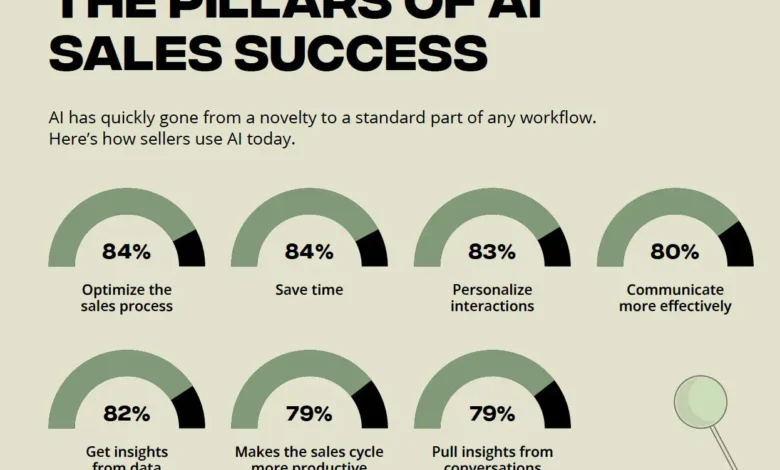
The landscape of sales has undergone a profound transformation, moving sales automation from a nascent technological advantage to an indispensable operational cornerstone. A striking 92% of sellers now leverage Artificial Intelligence (AI) in some capacity, according to recent industry reports, signaling a near-universal adoption. This pervasive integration highlights that automation is no longer merely a tool for competitive differentiation but a fundamental expectation for sustained business operations. While the initial rationale for adopting automation often centers on the promise of increased efficiency – less administrative burden translating into more direct selling time – this perspective only scratches the surface of its profound impact across the entire sales ecosystem. The deeper implications touch upon data integrity, strategic pipeline management, sales team development, and ultimately, predictable and scalable revenue generation.
The Evolving Imperative for Sales Automation
The journey towards pervasive sales automation is intrinsically linked to significant shifts in both buyer behavior and market dynamics over the past decade. Historically, sales was largely a relationship-driven, often reactive process, with buyers relying heavily on sales representatives for product information and guidance. However, the digital revolution has fundamentally altered this paradigm. Today’s buyers are empowered, conducting extensive independent research online before ever engaging with a sales professional. They arrive at initial conversations with a wealth of information, demanding more value and tailored insights from sales interactions.
Furthermore, buying committees in B2B environments have expanded, now involving more stakeholders with diverse priorities, lengthening sales cycles and increasing complexity. Simultaneously, economic volatility and tighter budgets necessitate a more rigorous demonstration of value at every stage of the sales process. Against this backdrop, the technological capabilities of AI and automation have advanced dramatically. Modern AI can now analyze sales call transcripts for sentiment and keywords, proactively flag deals at risk of stalling, and identify intricate patterns in customer engagement that would be impossible for humans to discern manually within practical timeframes. These converging forces—empowered buyers, complex sales environments, and sophisticated technology—have elevated sales automation from a "nice-to-have" tool to an essential requirement for maintaining competitiveness and driving growth.
Strategic Benefits of Modern Sales Automation
Beyond the foundational promise of saving time, sales automation delivers a suite of strategic benefits that reshape how sales organizations operate and contribute to the bottom line.
Enhanced Pipeline Prioritization through AI-driven Insights
Sales teams generate an overwhelming volume of data daily, spanning call recordings, email interactions, demo attendance, content downloads, and CRM activity. Manually sifting through these signals to gauge deal progression is an intractable challenge. Without automation, sales representatives often default to intuition or recency bias when deciding where to allocate their precious time and effort. This can lead to missed opportunities or excessive focus on less promising leads.
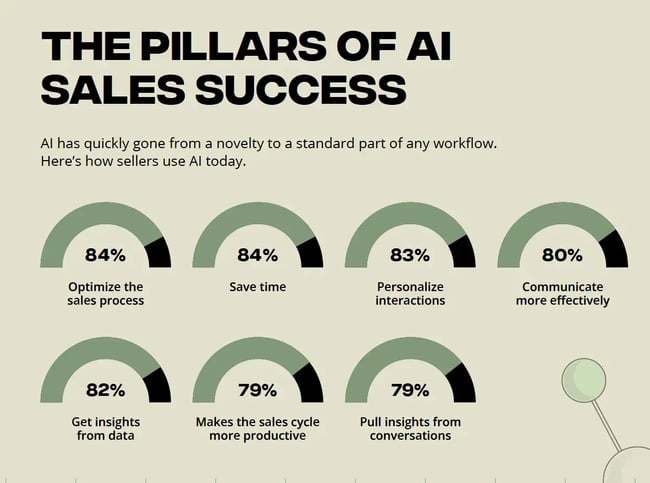
AI-powered automation fundamentally changes this by analyzing engagement patterns that manual review would invariably overlook. As highlighted in HubSpot’s 2025 Sales Trends Report, a significant 84% of sellers report that AI assists them in extracting insights from data, and 82% leverage AI to pull insights directly from conversations. This enriches their ability to qualify and prioritize opportunities with unparalleled precision. A Smart CRM, for instance, can dynamically score leads based on their engagement history, flag deals missing crucial stakeholders, and identify accounts that perfectly align with the ideal customer profile. Tools like HubSpot Sales Hub further refine this by using deal stage automation to trigger specific actions as opportunities advance through the pipeline, ensuring no critical step is overlooked.
Chris Sorensen, CEO at PhoneBurner, observed this firsthand: "Our entire pipeline became clearer. Reps weren’t manually entering notes hours later, so activity data was timely and accurate. That consistency directly improved forecasting because we finally had a real view of engagement, not a reconstructed one. Automation gave leadership cleaner, earlier signals to make better decisions." This shift empowers reps to focus their efforts on opportunities demonstrating genuine momentum, optimizing their productivity and increasing conversion probabilities.
Improved Lead Quality and Deal Stability in Volatile Markets
Economic uncertainty often correlates with an erosion of pipeline quality, as budgets tighten, decision timelines extend, and teams might be tempted to pursue lower-intent leads to maintain volume. Counterintuitively, recent data suggests a resilience: 68% of sellers report an improvement in lead quality year-over-year, and 93% state that deal sizes have remained consistent or increased, even amidst challenging macroeconomic conditions. This positive trend can be largely attributed to the data consolidation capabilities of sales automation.
When prospect interactions are fragmented across disparate tools, sales teams lose the crucial context required for accurate lead assessment. Automation rectifies this by creating a unified view, where every email open, demo request, call summary, and content download contributes to a single, comprehensive prospect profile. HubSpot Sales Hub exemplifies this by centralizing all customer and prospect data within the CRM, enabling teams to identify and prioritize higher-quality leads with greater precision.
Sidharth Ramsinghaney at Twilio underscored this point: "The most overlooked benefit of sales automation is what it does to lead quality. Once we consolidated data across systems, the signals powering prioritization became exponentially more accurate. Instead of leads bouncing around disconnected tools, every interaction fed into one clean profile. That consistency helps sales teams maintain deal momentum even in volatile markets." The implication is clear: better lead quality not only translates to higher conversion rates but also significantly reduces the time and resources wasted on pursuing opportunities that were never viable.
Reduced Cognitive Load for Sales Representatives
Sales professionals frequently expend valuable mental energy on mundane, repetitive tasks: remembering next steps, meticulously cleaning data, and piecing together buyer intent from fragmented systems. This cognitive overhead accumulates rapidly, hindering a rep’s ability to maintain consistency and focus on high-value activities. Guided selling, facilitated by automation, alleviates this burden by providing reps with a clear, structured starting point each morning, eliminating the need to construct their day from scratch.
As Kyle Porter, CEO and founder of SalesLoft, articulated in a Revenue.io podcast: "The guided selling environment that we’re providing… is the rep wakes up, and they’ve got the process baked into their system. They know, ‘Hey, it’s time to make these calls, here’s some message to use, and here’s a way to find out more information.’" By offloading the mental burden of process management, reps gain greater capacity for strategic thinking, genuine relationship building, and complex problem-solving. HubSpot Sales Hub automation directly contributes to increased conversion rates by ensuring timely and relevant engagement and nurturing of leads.
Enhanced Coaching and Performance Management
Traditional sales coaching often relies on activity metrics or anecdotal evidence due to a lack of granular visibility into actual sales conversations. This limits managers’ ability to provide targeted feedback on critical skills like discovery questions, objection handling, or value communication. Conversation intelligence, a key component of modern sales automation, revolutionizes coaching by shifting the focus from CRM compliance to the substantive quality of what reps say during calls.

A HubSpot survey revealed that 80% of sellers believe AI improves their communication, with conversation insights cited as a highly impactful AI use case. Conversation intelligence tools automatically record, transcribe, and analyze calls, identifying patterns such as talk-to-listen ratios, competitor mentions, and whether key qualification questions were asked. Advanced AI agents, like HubSpot’s Breeze, can analyze these conversations at scale, identifying both coaching opportunities for individual reps and winning patterns that can be replicated across the entire team.
Chris Sorensen affirmed this transformative effect on coaching dynamics: "Automation forced us to rethink coaching. Once admin work disappeared, we could finally evaluate rep performance based on conversations, momentum, and buyer signals — not who updated the CRM database most frequently. Reps appreciated that shift. The technology pulled the ‘busywork’ out of the role, which let managers coach on real selling behaviors instead of procedural compliance." The future of coaching, as envisioned by industry leaders like Kyle Porter, involves AI analyzing conversations at scale, providing data-driven insights into factors like talk ratios and topics that correlate with successful outcomes, making coaching repeatable and profoundly impactful.
Standardized Follow-up Quality Across All Representatives
Inconsistent follow-up is a pervasive problem in sales, often leading to missed opportunities. Without automation, the quality and consistency of follow-ups vary significantly among reps, influenced by factors such as memory lapses, workload, and individual organizational skills. Some prospects might receive an intensive series of touches, while others fall silent after a single email.
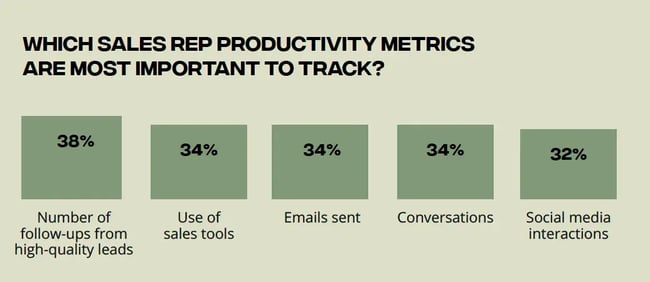
This inconsistency is a major concern for sales leaders; 38% of sales teams track the number of follow-ups from high-quality leads as a top productivity metric, and 32% monitor email volume as a core performance indicator. Automation eradicates this variability by enforcing standardized follow-up cadences. Follow-up email automation ensures that leads enter predefined sequences, delivering specific touches at optimal intervals. Tools like HubSpot Sales Hub combine sequence automation with assignment automation, ensuring leads are routed to the appropriate rep at the right time and receive consistent, high-quality engagement.
Kyle Porter emphasized that most sellers don’t intentionally fail to follow up but are overwhelmed by the manual effort required to manage a large volume of accounts consistently. "It’s the difference between being able to keep up with 15 accounts on a weekly or monthly basis, and being able to keep up with 400 accounts on a monthly basis," Porter stated. "The system holds them accountable to the things they already said they want to do, and that’s how you stop leads from slipping through the cracks." The result is a significant reduction in missed opportunities and more predictable outcomes, as every lead benefits from the same systematic, high-quality treatment that only the best reps could sustain manually.
Improved Deal Velocity Through Streamlined Buyer Handoffs
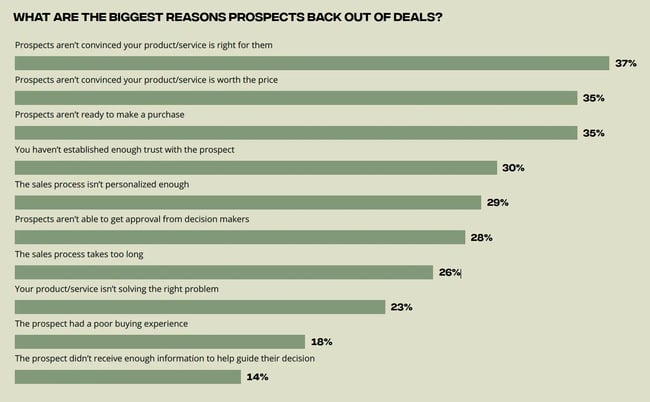
Bottlenecks in post-sale processes—such as quoting, invoicing, and provisioning—can significantly delay revenue recognition and frustrate buyers eager to begin onboarding. HubSpot’s 2025 State of Sales Trends report reveals that 26% of sellers perceive their sales process as too long, and 28% attribute lost deals to prospects’ inability to secure internal approvals. These friction points frequently emerge after contract signing, as manual handoffs between sales, finance, and delivery teams introduce delays.
Automation effectively eliminates these handoff inefficiencies by seamlessly connecting CRM, billing, and provisioning systems. Pipeline automations ensure that data flows automatically from a signed contract to an active account without any manual intervention. Alistair Wilson, from AI automation agency Flowmondo, witnessed a client overcome this challenge: "For one client, nearly half of a full-time employee’s workload was tied up in manually creating quotes and invoices. Once we automated their entire standard quoting and invoicing flow, the system generated 10,000+ invoices in a year — without human involvement. That single change removed days of waiting for customers, accelerated cash collection, and eliminated the delays that were blocking install and maintenance teams from scheduling work." Faster, automated handoffs create a smoother buyer experience, accelerate time-to-value, and ultimately reduce churn risk during the critical early stages of the customer relationship.
Enhanced Alignment Between Sales and Marketing
One of the more subtle yet profound benefits of sales automation is its capacity to foster greater alignment between sales and marketing departments. Automation necessitates that these teams collaboratively define and agree upon what constitutes a "qualified lead," thereby exposing and addressing long-standing disagreements that manual processes often allow to persist. The HubSpot Sales Trends Report indicates that 41% of sellers identify poor sales-marketing communication as a major challenge. This misalignment often manifests when sales rejects leads deemed qualified by marketing, or when marketing criticizes sales for slow follow-up on warm prospects.
In environments without automation, such misalignments can persist because each team operates within its own systems and standards. Automation immediately brings these discrepancies to light. For example, if marketing automation routes leads to sales based on predefined criteria, and sales consistently rejects these automated handoffs, it highlights a fundamental disagreement on the definition of "qualified." However, when teams achieve alignment upfront, automation powerfully amplifies that synergy. When alignment improves, 73% of sales professionals report that marketing leads are of "high" or "very high" quality.
Chris Sorensen elaborated on this: "To make automation work, we aligned Sales, Marketing, and RevOps on what ‘qualified’ actually meant, what information must be captured, and where handoffs happen. Once we operationalized those definitions inside the automated workflows, friction across the funnel dropped. The system reinforced alignment instead of exposing gaps." Teams that proactively define shared standards before implementing automated workflows experience immediate improvements in lead acceptance rates and downstream conversion, often leveraging tools like HubSpot marketing automation’s lead scoring capabilities to establish data-driven qualification criteria.
More Accurate Forecasting and Revenue Visibility
The accuracy of sales forecasting is directly proportional to the quality and consistency of the underlying data. When sales representatives manually update deal stages, log activity sporadically, or interpret qualification criteria subjectively, leadership is forced to forecast based on incomplete or inconsistent information, leading to unreliable projections. Analytics, reporting, and forecasting tools are now considered core components of modern Sales Hub stacks, rather than optional add-ons.
Automation standardizes data capture across the board. Every call, email, and meeting is logged automatically. Deal stages advance based on predefined, objective criteria rather than subjective judgment. Effective opportunity management, supported by automation, allows leadership to quickly ascertain which deals have decision-maker involvement, which prospects have gone silent post-pricing discussions, and which accounts are actively engaging with proposals. This consistency provides an unparalleled level of revenue visibility. When all stakeholders operate from the same, consistently captured data set, sales leaders can identify at-risk deals earlier, adjust resource allocation more efficiently, and forecast with a heightened degree of confidence that their numbers reflect reality.
Navigating the Challenges of Sales Automation Implementation
While the benefits of sales automation are compelling, its successful implementation is not without predictable obstacles. Teams frequently encounter resistance from sales representatives, grapple with poor data quality, struggle with fragmented technological ecosystems, and design workflows that fail to reflect the practical realities of selling. The good news is that these challenges are largely surmountable with careful upfront planning and diligent execution.
Overcoming Low Adoption Due to Unclear Processes and Change Resistance
Sales representatives will not embrace automation if they do not comprehend its integration into their existing workflows or if leadership fails to articulate the strategic rationale behind the change. These two issues are often interconnected: when automation is rolled out without clear documentation of new workflows or adequate training on how daily tasks will be altered, adoption inevitably stalls. Resistance often stems from a fear that automation will introduce additional complexity or expose performance gaps, with reps worrying about spending more time managing the tool than actively selling, or about increased micromanagement through automated tracking. Without transparent communication regarding what automation replaces and what new capabilities it unlocks, skepticism will prevail.
Kyle Porter emphasized that adoption issues are less about the software itself and more about the underlying sales processes. As he noted, "Most teams think adoption is a software issue, but it’s usually a process issue. If reps can’t see how automation fits into the way they already sell, they won’t use it. Align the workflow first, then automate it." The fix lies in mapping current processes, clearly identifying how automation will modify them, and demonstrating to reps, through real-world scenarios, how their daily work will improve. This "before and after" perspective, highlighting time savings and reduced friction, is crucial for fostering buy-in.
Addressing Poor Data Quality
Automation, by its very nature, amplifies the quality of existing data. Consequently, incomplete or outdated records will inevitably produce unreliable outputs, eroding trust in the entire system. If contact records lack essential information, deal stages do not accurately reflect buyer conversations, or duplicate accounts proliferate across the CRM, automation simply cannot function effectively. This leads to automated sequences sending emails to incorrect contacts, lead scoring systems mislabeling low-intent prospects, and reporting dashboards presenting inflated pipeline figures that bear no resemblance to reality. Teams quickly lose faith in automation and revert to inefficient manual processes.
Sidharth Ramsinghaney stressed this as the foundational step for any automation project: "Poor data quality silently kills automation projects. Without a unified customer view, the system is forced to make decisions on incomplete or outdated information. That’s why we always start with data consolidation before rolling out any automation layer." The remedy involves a thorough audit of the CRM before enabling automation: deduplicating records, standardizing field formatting, and filling critical data gaps. Establishing clear data entry standards ensures that new records are clean from inception. Automation should only be layered upon a solid data foundation.
Mitigating the Impact of Fragmented Tools
A fragmented tech stack severely limits the potential of sales automation. When sales tools lack robust integration, automation can only operate within individual platforms, inadvertently creating new inefficiencies that counteract the very time savings automation was meant to deliver. Reps are forced to manually transfer data between platforms, log into multiple dashboards to assess pipeline health, and recreate context each time they switch tools.
Alistair Wilson described encountering this barrier with a client: "We told them their automation ceiling wasn’t a workflow issue — it was their tech stack. Without APIs strong enough to support end-to-end automation, you can’t scale anything. Upgrading the CRM instantly removed the constraints we had been working around." The solution involves consolidating platforms that offer native integrations or investing in robust middleware to connect disparate systems. Selecting sales automation tools with strong API capabilities is crucial to prevent these integration constraints.
Avoiding Over-automation and Preserving Personalization
A critical concern is the risk of "over-automation," where an excessive reliance on automated processes can strip away personalization, making outreach feel robotic and undermining buyer trust. When buyers receive generic, templated messages that fail to acknowledge their specific needs or industry context, they quickly disengage. The temptation to automate every aspect—from entire email sequences to conversation scripts—is strong, but buyers are increasingly adept at detecting mass outreach. They notice when an email references an irrelevant pain point or when a rep clearly hasn’t reviewed their LinkedIn profile.
Chris Sorensen addressed this concern during his team’s automation rollout: "The biggest fear our reps had was that automation would strip away personalization. We solved this by automating structure — not language. Reps still crafted every message, but the system handled timing, sequencing, and task creation. Trust in the process grew once they saw response rates increase." The fix is to automate repetitive logistics—timing follow-ups, sequencing tasks, logging activity—while preserving the rep’s control over message content. AI can suggest talking points based on buyer behavior, but the human element remains vital for crafting personalized communications.
Ensuring Automation Reflects Real Sales Workflows
Automation will fail if its design does not align with how sales representatives actually conduct their work. This disconnect arises when automation is built around an idealized process that ignores the ground truth of sales—how deals genuinely progress, which stakeholders become involved at what stages, and the specific information reps require. For instance, a workflow might assume a linear path from discovery to demo to proposal. In reality, deals often diverge: some bypass demos, others loop back to discovery after new stakeholders emerge, and proposals frequently undergo multiple revisions. If automation cannot accommodate this inherent variability, reps will inevitably bypass the system.
The solution is to involve reps directly in the workflow design process before rolling out automation. Shadowing top performers to understand their actual, often undocumented, processes is invaluable. Automation should then be built to support these proven behaviors and rigorously tested with a small pilot group before scaling. When reps recognize their own effective workflows reflected within the automated tools, adoption becomes organic and enthusiastic.
The Future Trajectory of Sales Automation
The evolution of sales automation is far from complete. As AI capabilities continue to advance, we can expect even more sophisticated tools that offer predictive analytics, hyper-personalization at scale, and proactive risk assessment. AI will likely move beyond merely identifying patterns to actively recommending optimal sales strategies for individual deals, crafting dynamic content, and even simulating buyer responses. The future will see a deeper integration of sales automation with other business functions, creating a truly unified revenue operations (RevOps) ecosystem where data flows seamlessly, informing strategy across marketing, sales, and customer success. The emphasis will remain on augmenting human capabilities rather than replacing them, empowering sales professionals to operate at their highest potential by offloading administrative burdens and providing intelligent guidance.
Conclusion: Moving Forward with Strategic Sales Automation
Sales automation has fundamentally reshaped how organizations prioritize deals, develop their sales teams, and maintain consistency throughout the entire sales process. Its impact is tangibly reflected in improved conversion rates, enhanced forecast accuracy, and significantly more efficient operations, particularly under market pressures. Teams that strategically adopt and implement automation are consistently seeing measurable improvements in pipeline health and revenue predictability, positioning themselves for sustainable growth in an increasingly competitive landscape.
Platforms like HubSpot Sales Hub exemplify this integrated approach, offering a comprehensive suite of capabilities including conversation analytics, automated sequences, advanced deal tracking, and centralized data management. These tools empower teams to automate repetitive administrative tasks without sacrificing the critical human judgment and personalized touch that are essential for converting prospects into loyal customers. Embracing sales automation is no longer an option but a strategic imperative for any organization aiming to optimize its sales performance and achieve scalable revenue growth without necessarily increasing headcount.