
The global pet industry is undergoing a period of unprecedented expansion, with market valuations projected to reach $500 billion by 2030, according to data from Bloomberg Intelligence. This surge, up from $320 billion in 2023, is driven largely by a shift in consumer behavior characterized by the "humanization" of pets. As pet owners increasingly view their animals as integral family members, they are allocating higher percentages of their disposable income toward premium nutrition, specialized healthcare, and luxury services. For entrepreneurs, this economic landscape presents a robust opportunity to enter a market that has historically shown resilience even during broader economic downturns.

Starting a pet business requires more than a passion for animals; it demands a sophisticated understanding of market gaps, regulatory compliance, and digital infrastructure. From boutique e-commerce stores to high-end service providers like dog daycares and grooming salons, the path to a successful launch involves a multi-phased approach that balances operational logistics with brand building.
The Economic Context: Why the Pet Industry is Surging
The rapid growth of the pet sector can be traced back to several key demographic and social shifts. The COVID-19 pandemic acted as a significant catalyst, leading to a surge in pet adoptions as home-bound individuals sought companionship. This "pandemic pet" cohort is now entering its prime spending years, requiring ongoing services and products.

Furthermore, younger generations, specifically Millennials and Gen Z, are delaying traditional milestones like homeownership or parenthood and are instead investing in pets. These demographics are particularly focused on "premiumization"—the preference for high-quality, organic, or sustainably sourced products. This shift has created significant openings for niche businesses that focus on specialized needs, such as geriatric pet care, breed-specific nutrition, and tech-enabled monitoring devices.
Phase 1: Strategic Market Research and Niche Identification
Before committing capital, entrepreneurs must conduct rigorous market research to identify underserved segments. The pet industry is crowded, and competing solely on price is often a losing strategy against retail giants. Success lies in differentiation.
- Competitive Landscape Analysis: Prospective business owners must evaluate existing local and digital competitors. Analyzing customer reviews of established brands can reveal common pain points, such as slow shipping times, poor ingredient transparency, or a lack of personalized service.
- Audience Segmentation: Identifying a specific target persona is critical. A business might target high-income professionals who require luxury boarding services, or it might focus on budget-conscious owners seeking durable, low-cost toys.
- Trend Monitoring: Current high-growth areas include personalized pet nutrition, CBD-infused wellness products, and professional dental hygiene services. Aligning a business concept with these "hot" sectors can provide a natural tailwind during the launch phase.
Phase 2: Establishing the Legal and Regulatory Framework
The pet industry is subject to various local, state, and federal regulations, particularly when live animals or consumable products are involved. Navigating these requirements is a prerequisite for legal operation.
Business Structure and Registration
Choosing the correct legal entity—such as a Sole Proprietorship, Partnership, Limited Liability Company (LLC), or Corporation—impacts tax obligations and personal liability. In the United States, an LLC is often preferred for small to medium pet businesses because it protects personal assets from business-related debts or lawsuits. Following entity selection, owners must obtain an Employer Identification Number (EIN) from the IRS for tax purposes.

Licensing and Permits
The regulatory burden varies significantly by niche. A pet grooming business may require different local health permits than a manufacturer of pet treats. Businesses involved in the transport or sale of exotic animals may fall under the jurisdiction of the USDA’s Animal Welfare Act. Failure to secure the necessary animal welfare or dealer licenses can result in heavy fines and immediate closure.
Insurance and Risk Management
Given the unpredictable nature of working with animals, comprehensive insurance is non-negotiable. General liability insurance protects against accidents on the premises, while professional indemnity is essential for service providers like trainers or sitters. For e-commerce businesses, product liability insurance is vital in case a product causes injury or illness to a pet.
Phase 3: Developing a Robust Digital Infrastructure
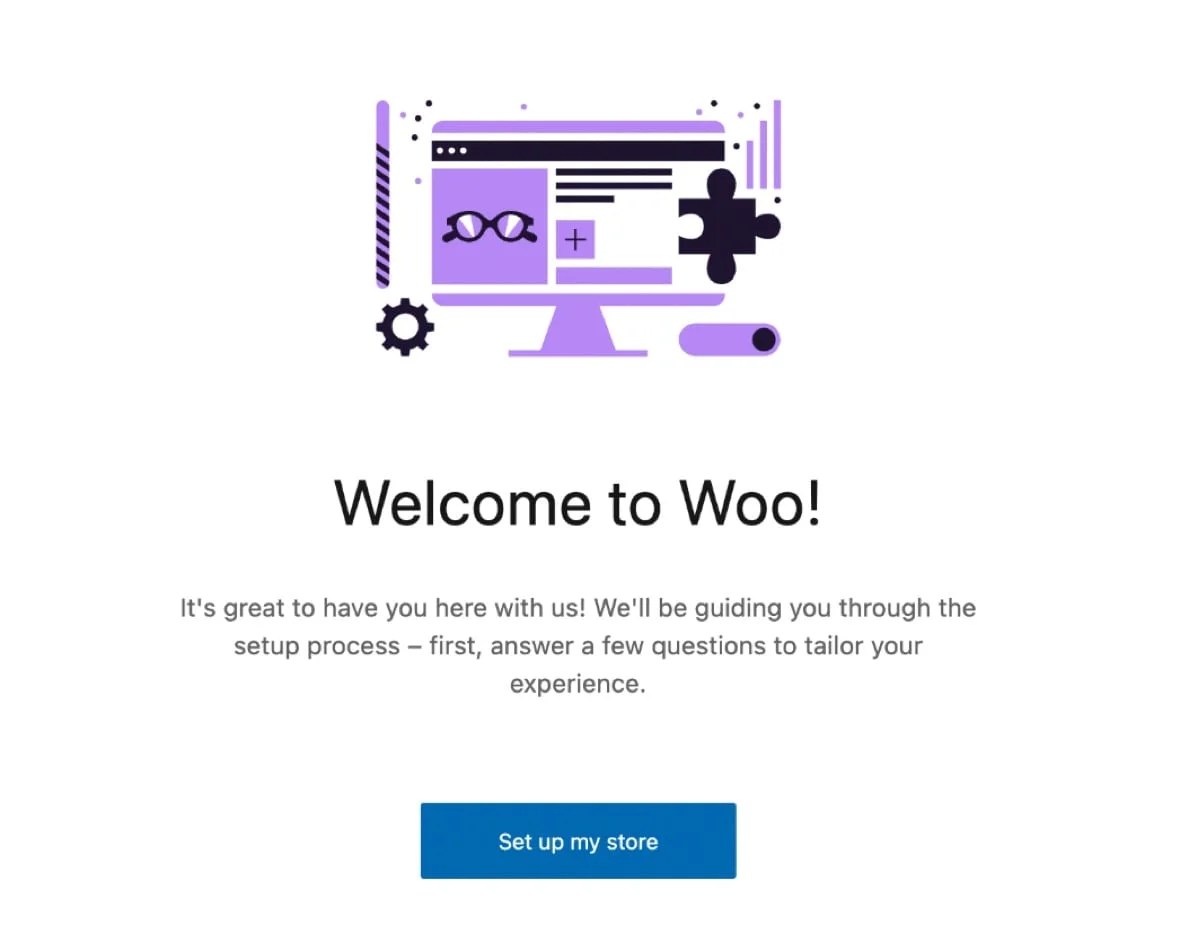
In a market where consumers increasingly turn to mobile devices for their shopping needs, a professional online presence is the backbone of a modern pet business. The choice of an e-commerce platform can dictate the scalability of the venture.
The Role of WooCommerce and WordPress
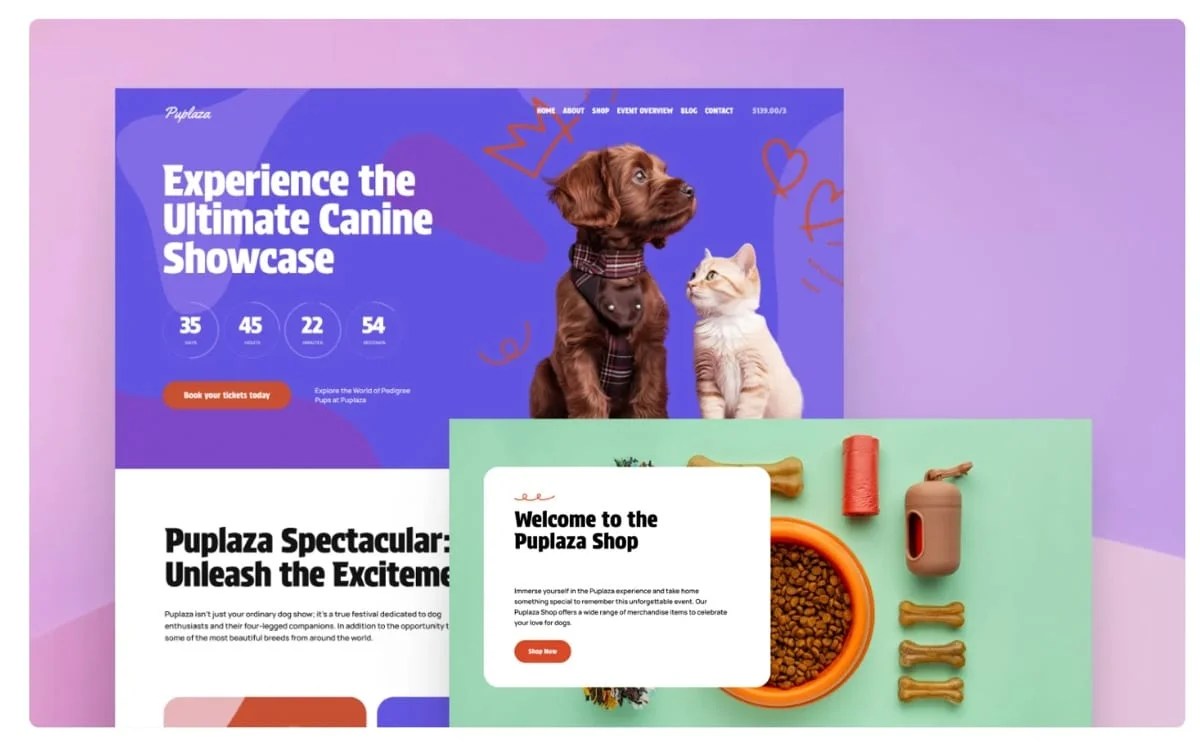
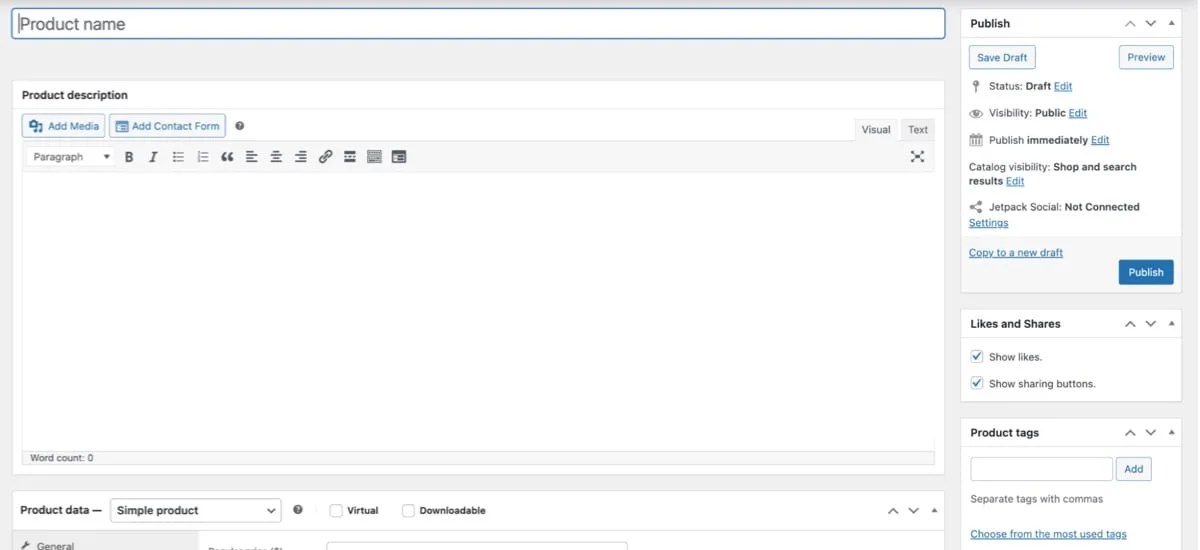
For many entrepreneurs, WooCommerce—the e-commerce extension of WordPress—offers a balance of flexibility and control. Unlike "closed" platforms, WooCommerce is open-source, meaning owners have full ownership of their site data and can customize the user experience to match their brand’s aesthetic. This platform supports a wide range of business models, from simple product sales to complex booking systems for grooming or training appointments.
Technical Essentials: Hosting and Security
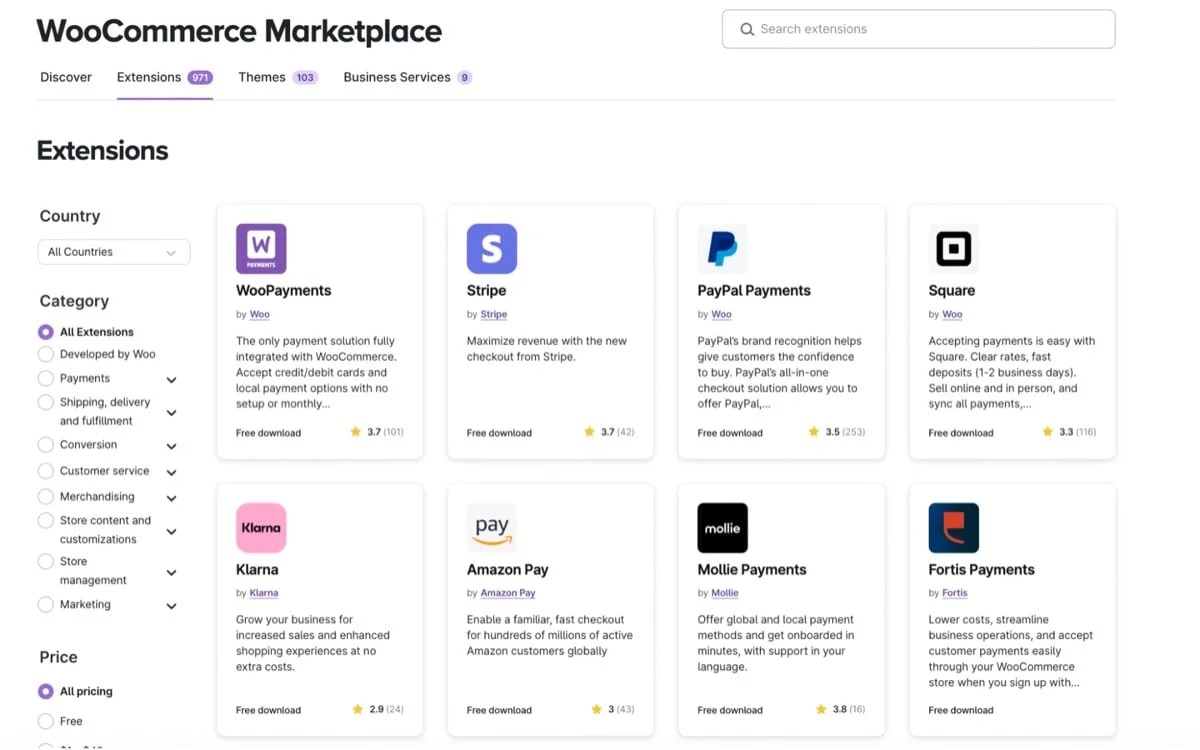
A website’s performance directly correlates with its conversion rate. High-quality, WordPress-optimized hosting ensures fast loading times, which is a key factor in both user experience and Search Engine Optimization (SEO). Security is equally paramount; businesses must implement SSL certificates, regular malware scanning, and secure payment gateways like WooPayments to protect sensitive customer data and build brand trust.
Phase 4: Logistics, Fulfillment, and Pricing Strategies
Operational efficiency is where many pet businesses either thrive or fail. Pricing must be high enough to cover overhead and fulfillment costs while remaining competitive.
Pricing Models
Beyond simple retail markups, successful pet brands are increasingly turning to recurring revenue models. Subscription boxes for treats and toys or membership-based service discounts provide predictable cash flow and increase the "Lifetime Value" (LTV) of each customer.
Shipping and Fulfillment
For physical products, entrepreneurs must choose between three primary fulfillment methods:
- Self-Fulfillment: Storing and shipping inventory manually, which offers the most control but is difficult to scale.
- Third-Party Logistics (3PL): Partnering with a warehouse that handles storage and shipping for a fee.
- Dropshipping: A model where the manufacturer ships directly to the customer, minimizing upfront inventory costs but offering lower profit margins.
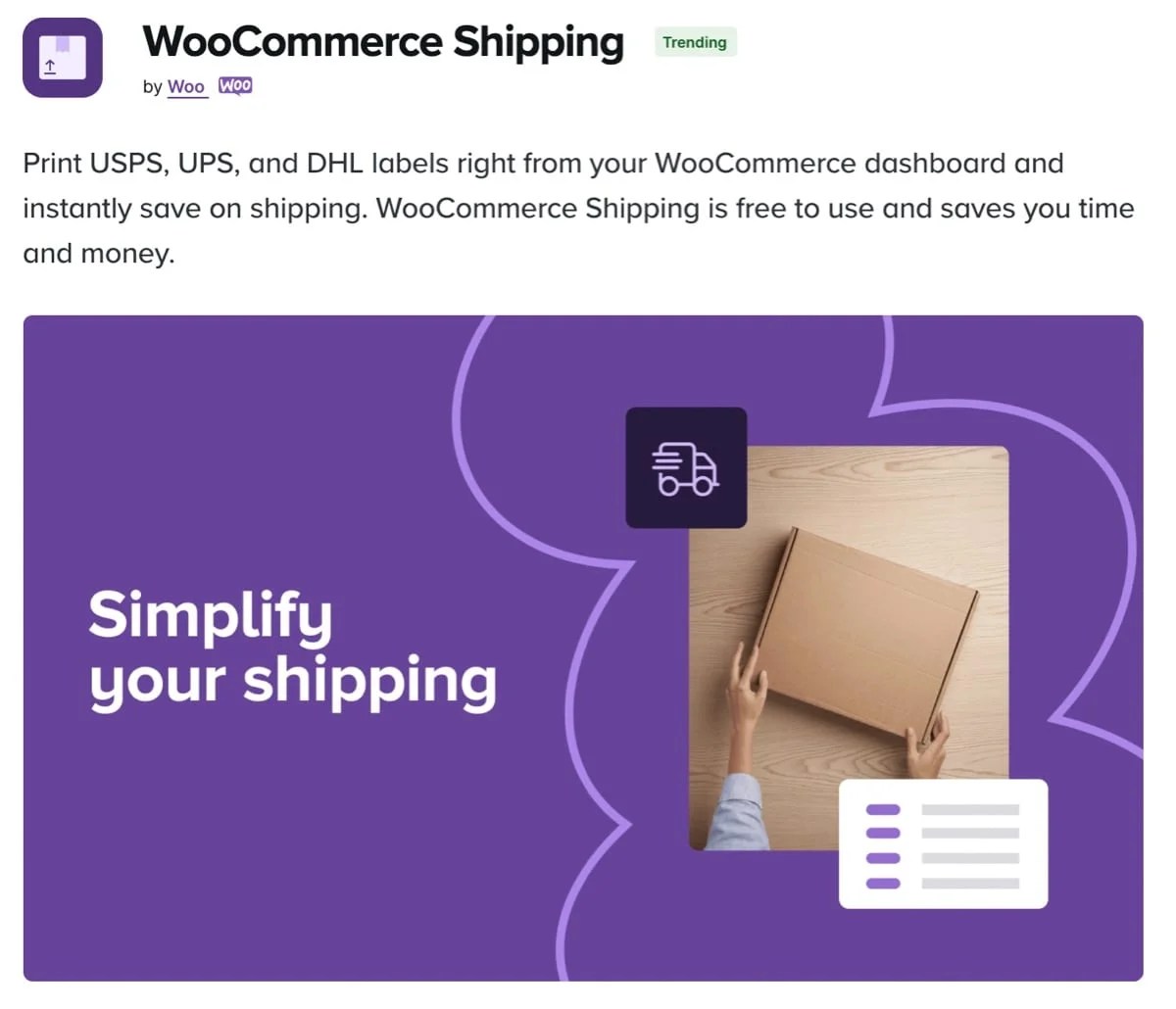
Utilizing integrated shipping tools can significantly reduce costs. For instance, platforms that offer negotiated rates with carriers like USPS or DHL can save small businesses up to 67% on labels, a crucial margin-saver in an industry with high shipping volumes.
Phase 5: Multi-Channel Marketing and Brand Growth
With the infrastructure in place, the focus shifts to customer acquisition. A multi-channel marketing strategy is necessary to reach pet owners across various touchpoints.

Search Engine Optimization (SEO)
To capture "organic" traffic, businesses must optimize their websites for search terms that pet owners use. This includes creating educational content—such as blog posts on pet health or training tips—which establishes the brand as an authority and improves search rankings over time.
Social Media and Influencer Partnerships
The pet industry is inherently visual and emotional, making it perfectly suited for platforms like Instagram and TikTok. "Petfluencer" marketing—partnering with popular animal accounts—allows brands to tap into established, trusting communities. These endorsements often carry more weight than traditional advertisements because they come from a perceived "peer" within the pet community.
Email and SMS Marketing
Direct communication channels remain the most effective way to drive repeat purchases. Personalized email campaigns, triggered by a customer’s past behavior (such as a "time to restock" reminder for pet food), have significantly higher conversion rates than generic broadcasts.
Broader Impact and Industry Implications
The professionalization of the pet industry has broader implications for the economy and animal welfare. As pet businesses grow, they drive innovation in biotechnology (for pet health), sustainable manufacturing (for eco-friendly toys), and digital services (for tele-vet consultations).
However, stakeholders note that as the industry becomes more lucrative, consumer expectations for transparency and ethics are also rising. Modern pet owners are more likely to investigate a company’s supply chain, ingredient sourcing, and corporate social responsibility initiatives. Businesses that prioritize animal well-being and environmental sustainability are not only meeting a moral standard but are also aligning themselves with the most profitable segments of the market.
Ultimately, the transition from a pet enthusiast to a pet business owner requires a disciplined adherence to business fundamentals. While the market is vast and the $500 billion projection is enticing, long-term success is reserved for those who can pair their passion for animals with a sophisticated, tech-forward, and legally sound operational strategy. As the bond between humans and their pets continues to strengthen, the businesses that facilitate and honor that bond are poised for sustainable growth.