Amazon and Winn-Dixie Expand Same-Day Grocery Delivery Partnership Across Florida to Meet Growing Digital Demand

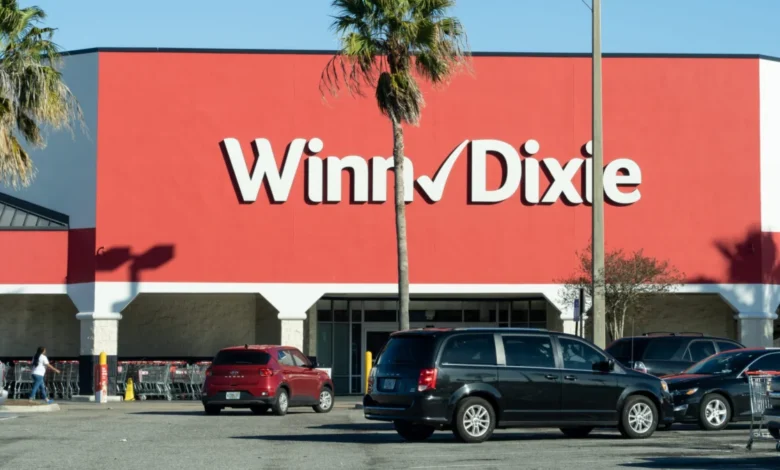
The landscape of the American grocery industry is undergoing a significant transformation as e-commerce giants and traditional regional retailers find common ground in the "last-mile" delivery race. In a major move to capture a larger share of the Southeastern market, Amazon and Winn-Dixie have announced a comprehensive expansion of their grocery delivery partnership across the state of Florida. This strategic alliance significantly increases the availability of same-day delivery for online grocery orders, effectively blanketing Florida’s largest metropolitan areas and surrounding suburban communities. By integrating Winn-Dixie’s local inventory with Amazon’s sophisticated logistical network, the two companies aim to provide a seamless shopping experience that mirrors the speed and convenience consumers have come to expect from modern digital marketplaces.
This expansion marks a pivotal moment for both companies. For Amazon, the move represents a recalibration of its grocery strategy, shifting away from the capital-intensive model of operating its own physical "Amazon Fresh" and "Amazon Go" locations in favor of high-efficiency partnerships with established grocers. For Winn-Dixie, owned by C&S Wholesale Grocers, the collaboration provides a vital digital lifeline, allowing the legacy brand to remain competitive against dominant regional players like Publix and national behemoths like Walmart. As of this announcement, consumers across the Sunshine State can access more than 15,000 Winn-Dixie products—ranging from fresh produce and meat to household essentials—directly through the Amazon shopping app or the dedicated Winn-Dixie portal on Amazon’s website.
A Rapid Timeline of Growth and Strategic Realignment
The partnership between Amazon and Winn-Dixie is not a new venture but rather the culmination of a highly successful pilot program. The collaboration officially began in September 2025, with an initial rollout limited to the Jacksonville and Orlando markets. These regions served as a testing ground to gauge consumer appetite for a hybrid shopping model where Amazon handled the digital interface and delivery logistics while Winn-Dixie managed the inventory and brick-and-mortar fulfillment.
The results of the pilot were overwhelmingly positive, leading the companies to scale the service from just two regions to the majority of Florida within a seven-month window. This rapid expansion underscores a shift in consumer behavior; Florida, with its growing population and aging demographic in certain sectors, has shown a high propensity for home delivery services. According to company statements, the decision to go statewide was driven by consistent customer feedback and a surge in demand for local grocery favorites delivered with Amazon’s signature speed.
This growth occurs against a backdrop of significant restructuring within the retail sector. Earlier this year, Amazon announced the closure of several Amazon Go and Amazon Fresh physical stores, with some of these locations being converted into Whole Foods Market stores—a brand Amazon has owned since 2017. Simultaneously, Winn-Dixie has been undergoing its own consolidation, with plans to close or sell approximately 30 stores across multiple states. By leaning into the delivery partnership, both companies are optimizing their physical footprints while expanding their digital reach.
Logistical Infrastructure and the Race for Speed
Amazon’s push into Florida’s grocery market is part of a much larger national objective. The company recently set a goal to reach 1,000 cities and towns with same-day grocery delivery. To achieve this, Amazon has been diversifying its delivery options, introducing one-hour and three-hour delivery windows in select markets. Florida, with its flat geography and dense urban clusters connected by major interstate arteries, provides an ideal environment for testing these ultra-fast delivery metrics.
Beyond the major cities, Amazon has also committed to improving its reach in rural America. In June, the company announced plans to expand its fast-delivery capabilities to more than 4,000 smaller cities, towns, and rural communities across the United States. This expansion is critical for a state like Florida, which features high-density coastal cities separated by vast rural and agricultural stretches. The partnership with Winn-Dixie allows Amazon to utilize existing retail locations as "micro-fulfillment centers," reducing the distance a delivery driver must travel to reach a customer’s doorstep.
For Winn-Dixie, the partnership leverages its deep roots in the Florida community. The grocery chain, often referred to as "The Beef People" in its early years, has a long-standing reputation for fresh perishables. By making 15,000 items available for same-day delivery, Winn-Dixie is essentially digitizing its aisles. The integration ensures that whether a customer is in the heart of Miami or the suburbs of Tallahassee, they can access the same variety of goods they would find in a physical store visit.
The Role of C&S Wholesale Grocers and Industry Consolidation
The ownership structure of Winn-Dixie adds another layer of complexity to this expansion. Winn-Dixie is a flagship brand under the umbrella of C&S Wholesale Grocers, a company that has recently found itself at the center of major industry shifts. C&S was a key player in the divestiture plan associated with the proposed merger between grocery giants Kroger and Albertsons. That merger, which would have been the largest in U.S. history, was eventually blocked by federal regulators who cited concerns over reduced competition and higher food prices.
In the wake of the failed merger, regional players like C&S Wholesale Grocers have had to sharpen their competitive edge. The partnership with Amazon provides Winn-Dixie with a technological advantage that would be difficult to build from scratch. By outsourcing the e-commerce platform and delivery fleet to Amazon, Winn-Dixie can focus on its core competency: sourcing and selling quality food products. This "platform-as-a-service" model is becoming increasingly common as traditional retailers realize that the cost of building a proprietary delivery infrastructure can be prohibitive.
Market Positioning and Competitive Analysis
Florida is one of the most competitive grocery markets in the United States. It is the home turf of Publix Super Markets, which maintains a fiercely loyal customer base and a massive physical presence. Additionally, Walmart and Target have spent billions of dollars enhancing their Florida-based grocery operations. For Amazon and Winn-Dixie, the expansion is a direct challenge to the status quo.
According to data from Digital Commerce 360, Amazon currently ranks No. 1 in the Top 2000 Database, which tracks the largest North American online retailers by annual e-commerce sales. Furthermore, Amazon holds the No. 3 spot in the Global Online Marketplaces Database, which ranks marketplaces by third-party gross merchandise value (GMV). By leveraging this market dominance, Amazon can offer Winn-Dixie customers a user interface that is already familiar to millions.
Industry analysts suggest that the "stickiness" of grocery delivery is a key driver for this partnership. Once a consumer sets up a grocery profile, saves their favorite items, and experiences reliable delivery, they are unlikely to switch to a competitor. By expanding rapidly across Florida, Amazon and Winn-Dixie are attempting to capture as much of the market share as possible before competitors can solidify their own delivery networks.
Official Responses and Executive Insights
Leaders from both organizations have expressed high levels of optimism regarding the statewide rollout. Sophie Turrell, Director of U.S. Grocery Partnerships at Amazon, highlighted the synergy between the two brands. “Since launching in Jacksonville and Orlando last fall, we’ve seen how much customers value the combination of Winn-Dixie’s trusted selection with Amazon’s convenient delivery,” Turrell stated. “More Florida customers have been asking for the ability to shop their favorite local grocery store through Amazon, and we’re thrilled to deliver on that request.”
Turrell emphasized that this expansion is a testament to Amazon’s commitment to "local grocery favorites," suggesting that the company views partnerships with regional icons as a more sustainable path to grocery dominance than building a separate brand from the ground up.
Gayle Shields, Chief Merchandising and Marketing Officer for The Winn-Dixie Company, echoed these sentiments, focusing on the value proposition for Florida families. “This expansion allows us to serve even more families with the fresh, quality products and everyday value they expect,” Shields said. “Building on our initial launch, we’re now reaching the majority of Florida households—bringing added convenience and more savings to customers across the state.”
Broader Impact and the Future of Retail
The implications of this expansion extend beyond the borders of Florida. It serves as a blueprint for how Amazon might approach grocery delivery in other regions of the country. By partnering with regional chains that have established supply chains and brand loyalty, Amazon can bypass the "learning curve" associated with fresh food retail.
For the consumer, the benefits are clear: increased choice, competitive pricing, and the convenience of having groceries arrive at the door in as little as an hour. However, the move also signals a continuing trend toward the "platformization" of retail. As more independent and regional stores move their sales to major platforms like Amazon, the power dynamic in the retail industry continues to shift toward those who control the data and the delivery fleet.
As the program settles into its statewide status, the next phase will likely involve deeper integration, such as personalized promotions based on Amazon Prime data and potentially the inclusion of more specialized Winn-Dixie departments, such as their deli or pharmacy services, into the delivery ecosystem. For now, Florida residents from the Panhandle to the Keys can begin checking their availability at amazon.com/winndixie, marking a new chapter in the state’s digital retail evolution.