The contemporary retail landscape, despite its technological advancements, is characterized by a significant disconnect between available consumer incentives and their actual utilization. A PYMNTS Intelligence report, conducted in collaboration with FIS, has unveiled a staggering $42.4 billion hole in the retail economy, representing lost value due to unredeemed discounts, loyalty rewards, and manufacturer rebates. This pervasive issue, illustrated by the common scenario of a shopper leaving a store without leveraging multiple available offers, highlights a critical inefficiency at the point of sale and signals a pivotal moment for the industry to reimagine the checkout experience.
The report, titled "Embedded Offers: The Billion-Dollar Opportunity Inside Recent Consumer Spending," underscores that while the incentives and consumer demand for savings are present, the systems to seamlessly connect these elements at the critical moment of purchase are largely absent. This gap presents a substantial opportunity for banks, merchants, and technology providers to converge on a unified objective: building next-generation systems capable of automatically identifying and applying the most beneficial offers in real-time.
The Checkout Arena: A Battleground for Retail Innovation
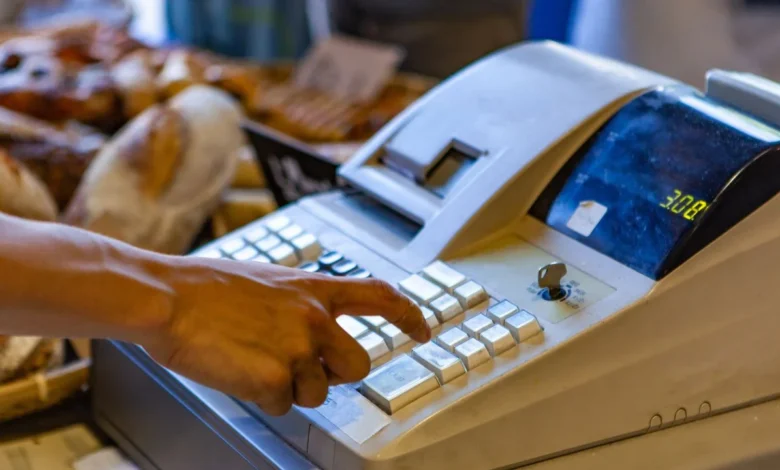
The checkout process has emerged as the paramount battleground for retail innovation, serving as the sole intersection point for product choice, pricing, payment methods, and reward mechanisms within the customer journey. Stakeholders across the retail ecosystem are increasingly focusing their efforts on optimizing this crucial stage.
Merchants, with their direct access to the shopping experience and invaluable first-party data, are strategically positioned to understand consumer behavior. Banks and card networks, on the other hand, command control over payment credentials and the intricate infrastructure of rewards programs. Technology firms bring the essential capabilities to integrate disparate systems and scale solutions rapidly. This convergence of assets and objectives signifies a concerted effort to bridge the gap between potential savings and realized value.
The Transformative Power of Embedded Offers
The findings of the PYMNTS Intelligence report strongly suggest that when offers are delivered effectively, their impact extends beyond mere price reduction. They possess the power to fundamentally alter consumer behavior. The data indicates that approximately seven out of ten consumers adjust their purchasing decisions when presented with a relevant offer. This behavioral shift can manifest in various ways, including switching to different products, modifying the quantity of items purchased, and even opting for different payment methods to maximize savings.
This dynamic positions the payment layer as a central orchestrator of demand. A payment interface, whether it be a card, a digital wallet, or a checkout screen, that consistently identifies and applies the most advantageous incentives transforms from a passive transactional tool into an active agent capable of shaping consumer baskets.
Consumer Demand for Seamless Savings
The report’s survey data reveals a strong consumer appetite for a more integrated and transparent offer system. Nearly nine out of ten consumers expressed a desire to view all available discounts before making a purchasing decision. Furthermore, more than 80% of surveyed individuals stated that such a system would significantly influence their choice of merchant. Perhaps most critically, a substantial 77% indicated a willingness to alter their default payment method if it consistently delivered real-time savings.
This overwhelming consumer preference signals a significant shift in expectations. Shoppers are no longer content with fragmented discount strategies. They are actively seeking a unified and effortless experience that consolidates all potential savings.
A Platform Shift in Commerce Control
The current retail environment is characterized by a strategic opportunity as no single entity currently "owns" the critical layer of coordinated offer redemption. Historically, control in commerce has resided with whoever managed the most crucial interface – from the physical shelf in brick-and-mortar stores to search algorithms and recommendation engines in eCommerce. The next frontier of this control appears to be the repricing of the checkout experience itself.

Traditionally viewed as a cost center, the checkout process is now being redefined as a potent source of competitive advantage. As offers, payment functionalities, and data converge, checkout is evolving into the primary locus where value is either created or irrevocably lost. The fragmented system that leaves shoppers with unused discounts is a symptom of this outdated model. The industry is now engaged in a race to replace it with a unified, intelligent, and, most importantly, effortless solution.
The Genesis of the Problem: A Fragmented Ecosystem
The disconnect between available offers and their redemption is not a new phenomenon, but its scale and economic impact have become increasingly apparent with the proliferation of digital channels and incentive programs. For decades, consumers have navigated a complex web of:
- Loyalty Programs: Often tied to specific retailers or brands, these programs offer points, discounts, or exclusive access based on purchase history. However, managing multiple loyalty cards or apps can be cumbersome, leading to forgotten benefits.
- Credit Card Rewards: Many credit cards offer cashback, travel miles, or statement credits for purchases, often with specific bonus categories or merchant partnerships. The complexity of tracking these rewards and ensuring they are applied correctly can be a barrier.
- Manufacturer Rebates: These typically involve purchasing a product and then mailing in proof of purchase for a refund. The administrative effort and time delay involved often lead to low redemption rates.
- Digital Coupons and Promo Codes: While more accessible, these still require manual input or activation, and consumers may miss out if they are not actively searching for them or if they are not presented at the opportune moment.
This fragmentation creates a scenario where the potential savings are dispersed across various platforms and require active management by the consumer. The result is cognitive overload and a high probability that some, if not all, of these valuable incentives will go unutilized.
The FIS and PYMNTS Intelligence Collaboration: Unpacking the Data
The collaboration between FIS, a global leader in financial technology, and PYMNTS Intelligence, a research and analysis firm specializing in the payments and fintech sectors, underscores the significance of this challenge. The "Embedded Offers" report leverages extensive consumer surveys and market analysis to quantify the economic implications of this systemic inefficiency.
Key Data Points from the Report:
- $42.4 Billion Lost Value: This is the estimated total value of unredeemed offers in the retail economy, representing a significant drain on potential consumer savings and merchant revenue.
- 70% of Consumers Alter Behavior: When presented with relevant offers, a substantial majority of consumers adjust their purchasing decisions, highlighting the persuasive power of incentives. This includes product selection, quantity, and even payment method.
- 90% Desire Consolidated View: Nearly nine in ten consumers want to see all available discounts before making a purchase, indicating a strong preference for transparency and ease of use.
- 80%+ Influenced by Merchant Choice: A significant majority of consumers would choose a merchant offering a consolidated view of discounts, demonstrating the competitive advantage of streamlined incentive management.
- 77% Willing to Change Payment Method: This statistic is particularly compelling, showing that consumers are highly motivated to switch their default payment option if it unlocks real-time savings, positioning payment providers as key enablers of this new paradigm.
These statistics paint a clear picture: consumers are actively seeking solutions that simplify the redemption of offers, and they are willing to adapt their behavior and even their payment habits to achieve this.
The Strategic Imperative for Stakeholders
The implications of the "Embedded Offers" report are far-reaching for all players in the retail ecosystem:
- For Merchants: Failing to optimize offer redemption means leaving potential revenue on the table and missing opportunities to enhance customer loyalty. Implementing integrated offer systems can lead to increased sales, larger basket sizes, and improved customer retention.
- For Banks and Card Networks: The ability to seamlessly integrate offers with payment processing presents a significant opportunity to differentiate their services. Payment solutions that actively help consumers save money are more likely to become the preferred choice, driving transaction volume and customer loyalty.
- For Technology Providers: The demand for unified offer management systems creates a fertile ground for innovation. Companies that can develop and deploy robust platforms capable of aggregating, verifying, and applying offers in real-time will be well-positioned for growth.
- For Consumers: The ultimate beneficiaries of this shift will be consumers, who will experience a more rewarding and cost-effective shopping journey, empowered by effortless access to savings.
The Road Ahead: Towards a Unified Checkout Experience
The path forward involves a fundamental reimagining of the checkout process. This is not merely about faster transactions; it’s about creating an intelligent and value-driven experience. The concept of "embedded offers" suggests a future where:
- Real-Time Aggregation: All eligible discounts, loyalty points, and rebates are automatically identified and presented to the consumer in a single, consolidated view, either on a merchant’s website, in their app, or at the physical point of sale.
- Automated Application: The system intelligently determines the optimal combination of offers to maximize savings for the consumer without requiring manual intervention or complex coupon clipping.
- Payment Method Optimization: The checkout process can recommend or even automatically select the payment method that unlocks the most beneficial offers, further incentivizing consumers to engage with integrated systems.
- Personalized Offers: Leveraging consumer data, the system can deliver highly relevant and personalized offers, increasing the likelihood of redemption and fostering a deeper connection between the consumer and the brand.
This evolution from a transactional checkout to a value-optimization hub represents a significant platform shift. It moves control away from discrete promotional tools and towards the intelligent systems that coordinate them. The entity that successfully masters this coordination will not only control the critical interface but also become the primary driver of customer loyalty.
In conclusion, the PYMNTS Intelligence report, in partnership with FIS, illuminates a critical inflection point for the retail industry. The $42.4 billion opportunity represented by unredeemed offers is a clear signal that the current fragmented approach to incentives is unsustainable. The race is on to build a unified, intelligent, and effortless checkout experience that not only maximizes value for consumers but also unlocks significant new revenue streams and competitive advantages for merchants, banks, and technology providers alike. The future of commerce hinges on the ability to seamlessly embed value at the very moment of decision.
Related posts: