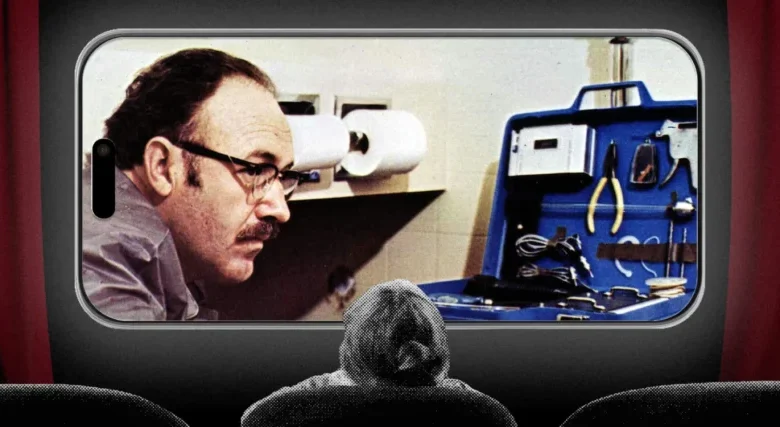
A growing concern among educators nationwide highlights a significant shift in the attention spans of college students, particularly within film studies programs. Recent observations from professors suggest a marked decline in students’ ability to engage with feature-length films, a trend they largely attribute to the pervasive influence of smartphones and the constant digital stimulation they provide. This phenomenon is not merely anecdotal; it reflects a broader societal challenge concerning sustained attention in an increasingly fragmented media landscape.
The Erosion of Cognitive Patience
The issue was brought to national attention by an article published last month in The Atlantic, titled "The Film Students Who Can No Longer Sit Through Films." Author Rose Horowitch documented interviews with two dozen film-studies professors across the United States who have witnessed this troubling trend firsthand. A recurring sentiment expressed by these educators is the difficulty students now face in dedicating their full attention to a movie for its entire duration.
Craig Erpelding, a film professor at the University of Wisconsin at Madison, articulated this sentiment with dismay. "I used to think, if homework is watching a movie, that is the best homework ever," Erpelding stated. "But students will not do it." This sentiment was echoed by many of his peers, who reported that over the past decade, and with a notable acceleration since the COVID-19 pandemic, students exhibit a diminished capacity for focused engagement with cinematic narratives.
The primary culprit identified by these academics is the ubiquitous presence of smartphones. The founding director of Tufts University’s Film and Media Studies program recounted her attempts to implement a no-electronics policy during film screenings. However, she found the rule nearly impossible to enforce, observing that "about half the class ends up looking furtively at their phones." Similarly, a Cinema and Media Studies professor at the University of Southern California described his students’ behavior as akin to "nicotine addicts going through withdrawal… the longer they go without checking their phone, the more they fidget."
This struggle with sustained attention is directly linked to what reading scholar Maryanne Wolf defines as "cognitive patience." Wolf describes this crucial mental capacity as "the ability to [maintain] focused and sustained attention and delay gratification, while refraining from multitasking." The constant influx of information and instant gratification offered by smartphones fundamentally alters our brains’ reward systems.
The Neurological Impact of Digital Devices
The constant interaction with smartphones activates specific neural pathways associated with immediate rewards. Each notification, scroll, or click triggers a release of neurochemicals that create a sensation of pleasure and anticipation. This creates a feedback loop where the brain begins to associate the phone with high expected value, effectively "voting" for the distracting behavior. Over time, with reduced practice in sustained attention, individuals may experience a diminished comfort level with prolonged focus, leading to the observed difficulties in completing tasks that require such engagement, like watching a full-length film.
This neurological conditioning makes it increasingly challenging for individuals, particularly younger generations who have grown up with these devices, to resist the allure of their smartphones and maintain focus on a single, extended activity. The two-hour format of many feature films, once a common and enjoyable pastime, now presents a significant hurdle for many students struggling with this deficit in cognitive patience.
Reclaiming Attention: A Cinematic Approach
Amidst this growing concern, the author of the original piece proposes a potential solution rooted in the very medium that seems to be causing the problem. In a recent podcast episode, the author suggests that the challenge of watching an entire film can serve as a training ground for reclaiming our attention spans. This approach frames the act of watching a movie not just as entertainment or academic work, but as a deliberate exercise in building "attention autonomy."
The analogy is drawn to a new runner training for a 5k race. Just as a moderate, achievable goal can foster progress in physical fitness, the objective of successfully completing a feature-length film can serve as a manageable yet challenging milestone for improving cognitive patience. It represents an effort to regain control over our mental focus, pushing back against the constant pull of digital distractions.
While the irony of using one screen to combat the distracting effects of another is acknowledged, the author argues that in the current digital landscape, rediscovering the patient joys of cinema can be a vital component of a broader strategy to mitigate the detrimental impacts of digital devices on our brains.
Recommendations for Cultivating Cinematic Cognitive Patience
To assist individuals in developing their ability to sit through films, the author offers several practical suggestions:
- Intentional Viewing: Approach film watching as a dedicated activity, free from other distractions. This might involve turning off notifications on all devices and creating a focused viewing environment.
- Gradual Exposure: For those who find it particularly challenging, starting with shorter films or even episodes of television series with strong narrative arcs can be a more accessible entry point. Gradually increasing the duration of viewing can help build stamina.
- Active Engagement: Encourage active watching by taking notes, discussing the film afterward, or engaging with supplementary materials related to the film’s production or themes. This can transform passive viewing into a more intellectually stimulating and engaging experience.
These strategies aim to reframe the act of watching a film from a potentially arduous task into a rewarding practice that cultivates deeper engagement and sustained focus.
Broader Implications and the Challenge of "Vibe Reporting"
Beyond the specific issue of film studies, the erosion of attention spans has far-reaching implications across various sectors of society, including education, professional work, and civic discourse. The constant barrage of information and the ease with which we can switch between tasks can hinder deep thinking, critical analysis, and meaningful connection.
In this context, the author also addresses a related phenomenon he terms "AI vibe reporting." This refers to media coverage that, rather than focusing on concrete facts and nuanced analysis, sensationalizes potential future scenarios, often driven by a feeling or "vibe" about a particular technology or trend. The author critiques a recent Atlantic article, "The Worst-Case Future for White-Collar Workers," as an example of this trend.
While acknowledging the potential for Artificial Intelligence (AI) to disrupt the job market, the author argues that such "vibe reporting" can generate unnecessary anxiety by extrapolating speculative futures as imminent realities. He points out that the actual impact of AI on white-collar jobs, particularly in fields like software development, is still complex and evolving. Early indications from conversations with hundreds of programmers suggest that AI is currently being integrated in multifaceted ways, rather than leading to immediate widespread displacement.
The author emphasizes the importance of distinguishing between speculative anxieties and tangible developments. While AI may indeed bring about significant changes, the focus should remain on factual reporting and evidence-based analysis rather than succumbing to sensationalized narratives. He clarifies that the Atlantic article in question is otherwise well-researched and valuable in its exploration of hypothetical government responses to economic disruption, but cautions readers to approach its opening sections on AI with a critical eye, avoiding undue alarm.
The challenge of maintaining attention in the digital age, exemplified by the struggles of film students, is intertwined with the broader media ecosystem’s role in shaping public perception and fostering either informed understanding or undue apprehension. Reclaiming our cognitive patience, whether through focused activities like watching films or by demanding more rigorous and less sensationalized reporting, is presented as a crucial endeavor for navigating the complexities of the 21st century.
Related posts: