The Strategic Evolution of E-commerce Infrastructure and the Migration from Custom Frameworks to WooCommerce for Global Scalability

The global e-commerce landscape is undergoing a significant architectural shift as high-volume merchants increasingly move away from rigid, custom-built platforms toward flexible, open-source solutions. While custom-built platforms were once considered the gold standard for businesses requiring unique functionality, the rising costs of technical debt, maintenance, and the inability to scale rapidly have led many enterprises to seek more sustainable alternatives. WooCommerce, an open-source platform built on WordPress, has emerged as a primary destination for these businesses, currently powering over 4.4 million online stores globally. This migration trend highlights a broader industry movement toward "composable commerce," where businesses prioritize platforms that offer full ownership of data and code alongside a robust ecosystem of pre-built integrations.
The Technical Debt Trap of Custom-Built Platforms
For many growing enterprises, the initial decision to build a custom e-commerce platform was driven by the need for specific workflows that off-the-shelf solutions could not provide. However, as these businesses scale, the "technical debt" associated with custom builds often becomes an anchor. Every update to security protocols, every new payment gateway integration, and every change in tax law requires manual coding and extensive testing.
Industry data suggests that maintenance costs for custom platforms can consume up to 50% to 70% of a company’s annual IT budget, leaving little room for innovation. By contrast, migrating to a platform like WooCommerce allows businesses to leverage the collective development power of a global community. This transition enables companies to redirect their resources from "keeping the lights on" to strategic growth initiatives, such as improving customer experience or expanding into new international markets.
Understanding the WooCommerce Architecture
WooCommerce is fundamentally different from both closed SaaS (Software as a Service) platforms and monolithic custom builds. As an open-source extension of WordPress, it provides a "best of both worlds" scenario: the flexibility of custom code with the stability of a maintained core.
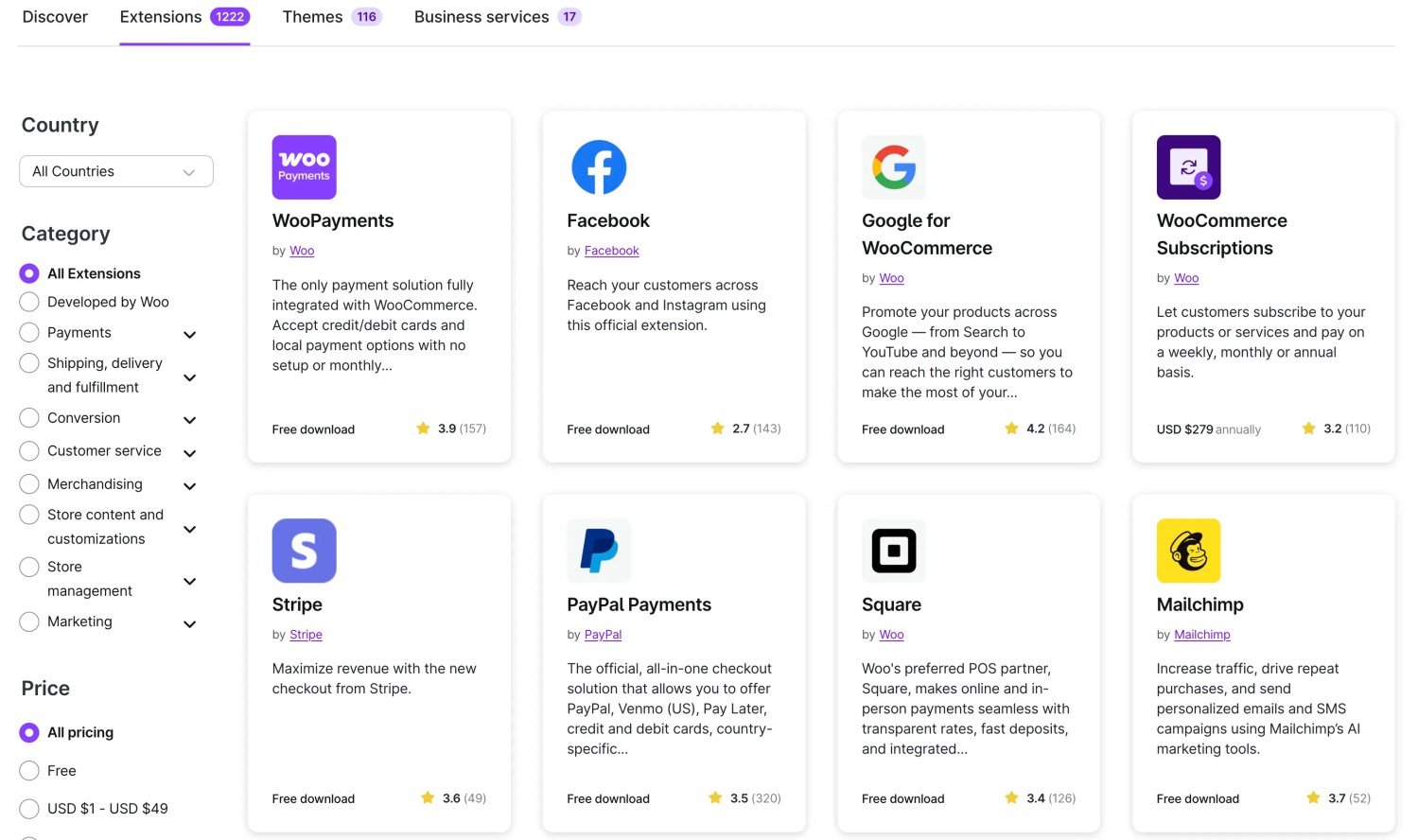
The platform’s architecture is built on the WordPress REST API, which allows it to function as a headless commerce solution or a traditional integrated storefront. This flexibility is critical for high-volume stores that need to sync product data across multiple channels or integrate with complex Enterprise Resource Planning (ERP) systems. With access to over 54,000 WordPress plugins and more than 800 dedicated WooCommerce extensions, the platform offers a modular approach to feature sets, allowing merchants to pay only for the functionality they actually utilize.
Financial Implications and Cost of Ownership
One of the primary drivers of the migration from custom builds to WooCommerce is the Total Cost of Ownership (TCO). In a custom environment, the business is responsible for every layer of the stack, including hosting, security, and performance optimization. WooCommerce allows for a more controlled expenditure model.
To incentivize this transition, WooCommerce has introduced strategic offers, including up to six months of free hosting for migrating stores. Unlike many competing platforms, WooCommerce does not charge platform-level transaction fees or revenue shares. For a high-volume merchant processing millions of dollars in transactions, the elimination of a 0.5% to 2% platform fee can result in hundreds of thousands of dollars in annual savings. These savings are often reinvested into marketing or further site optimization, creating a virtuous cycle of growth.
Strategic Benefits of Migration: Control and Customization
The move to WooCommerce is often motivated by six key pillars of business control:

1. Data Ownership and Security
In a custom-built or closed SaaS environment, data portability can be a significant hurdle. WooCommerce ensures that the merchant owns the entire database, from customer purchase history to product metadata. Through tools like Jetpack Backup, businesses can implement real-time, decentralized backups, ensuring that a site can be restored in minutes in the event of a server failure or a botched update.
2. SEO and Content Integration
Because WooCommerce is built on WordPress—the world’s most popular content management system—it inherits superior Search Engine Optimization (SEO) capabilities. The WordPress Block Editor allows marketing teams to create media-rich landing pages and product descriptions without needing developer intervention. This "content-first" approach to e-commerce is essential in a digital landscape where organic search remains a top driver of high-intent traffic.
3. Payment and Gateway Flexibility
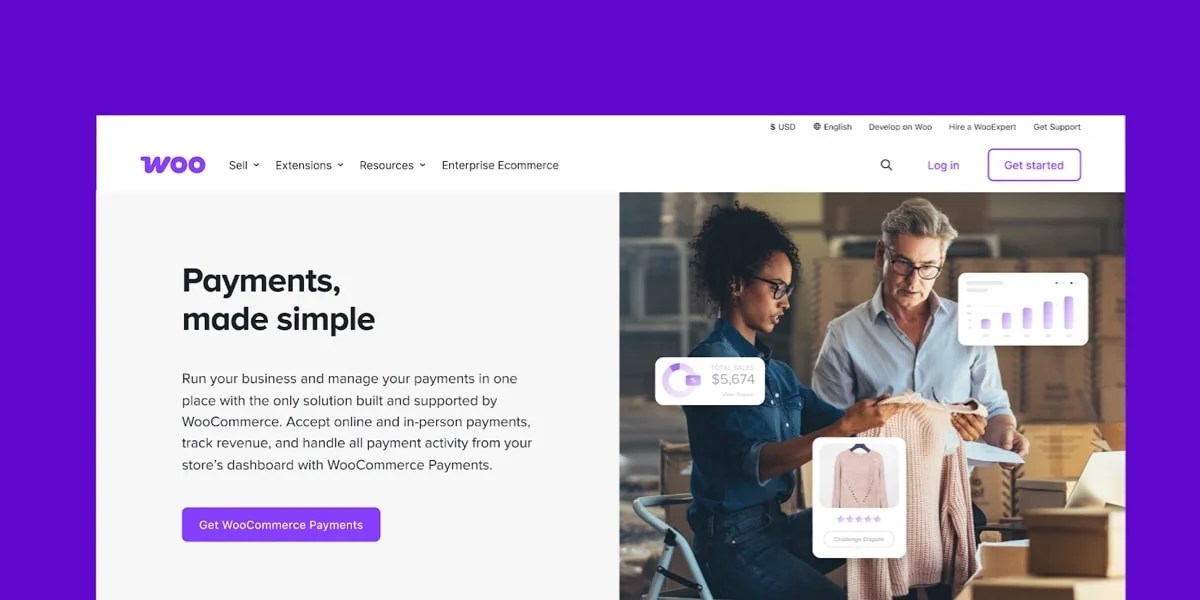
WooCommerce integrates with virtually every major payment provider globally, including niche and local gateways. For businesses in specialized industries, such as the legal cannabis market or international trade, this flexibility is a necessity. Furthermore, solutions like WooPayments simplify the management of disputes and recurring revenue, offering features like instant deposits that improve cash flow for high-velocity businesses.
4. Shipping and Logistics Optimization
The platform offers sophisticated shipping extensions that allow for real-time rate calculations and intricate, conditional shipping logic. Businesses can set prices based on cart weight, destination, or product category, which is vital for companies dealing with perishable goods or complex international logistics.
5. Unlimited Product Variations
Unlike many SaaS competitors that cap the number of product variations (size, color, material) a single SKU can have, WooCommerce allows for unlimited variations. This is a critical feature for apparel, furniture, and electronics retailers who manage deep catalogs with complex configurations.
6. Scalability and High-Volume Performance
A common misconception is that open-source platforms cannot handle high traffic. However, case studies like Universal Yums—a subscription service that has sold over ten million boxes—demonstrate that with proper hosting, WooCommerce can process up to 30 orders per minute during peak periods without latency.
Case Studies in Successful Migration
The transition from custom to WooCommerce is best illustrated through enterprise-level implementations:
- Kellox: A major wholesale business, Kellox worked with the agency Maksimer to create a custom API integration between WooCommerce and their ERP software. This allowed them to manage over 800,000 SKUs with dynamic, customer-specific pricing, a feat that would have been prohibitively expensive to maintain on a purely custom framework.
- Universal Yums: By utilizing the open-source nature of WooCommerce, this subscription brand custom-coded a labeling and shipping process that accounts for perishable items and complex import dates. This level of customization ensured that their backend operations could keep pace with their rapid front-end growth.
The Migration Chronology: A Step-by-Step Approach
Transitioning from a custom-built platform to WooCommerce requires a methodical approach to ensure data integrity and minimize downtime. The process typically follows this timeline:
Phase 1: Infrastructure Setup
The merchant selects a managed hosting provider—such as WordPress.com or Pressable—optimized for WooCommerce. WordPress is installed, and the core WooCommerce plugin is activated.

Phase 2: Data Mapping and Export
The custom platform’s database is audited. Product data, customer profiles, and order histories are exported into standardized formats, typically CSV or XML. This is the most critical stage, as it requires mapping custom database fields to the WooCommerce schema.
Phase 3: Import and Testing
Using tools like the WooCommerce Product CSV Importer or the Import Export Suite, the data is brought into a staging environment. During this phase, developers verify that all attributes, images, and variations have transferred correctly.
Phase 4: Design and Functionality Replication
A new theme is selected or developed. Using the Block Editor and Full Site Editing (FSE) capabilities, the brand’s visual identity is recreated. Necessary extensions for payments, shipping, and marketing automation are configured.

Phase 5: Quality Assurance and Go-Live
The staging site undergoes rigorous testing, including load testing and mobile responsiveness checks. Once validated, the DNS is updated, and the new WooCommerce store goes live.
Official Support and Community Ecosystem
One of the distinct advantages of the WooCommerce ecosystem is its multi-tiered support structure. For high-volume businesses, the "Woo Enterprise" program provides a dedicated customer success manager, priority support, and migration assistance.
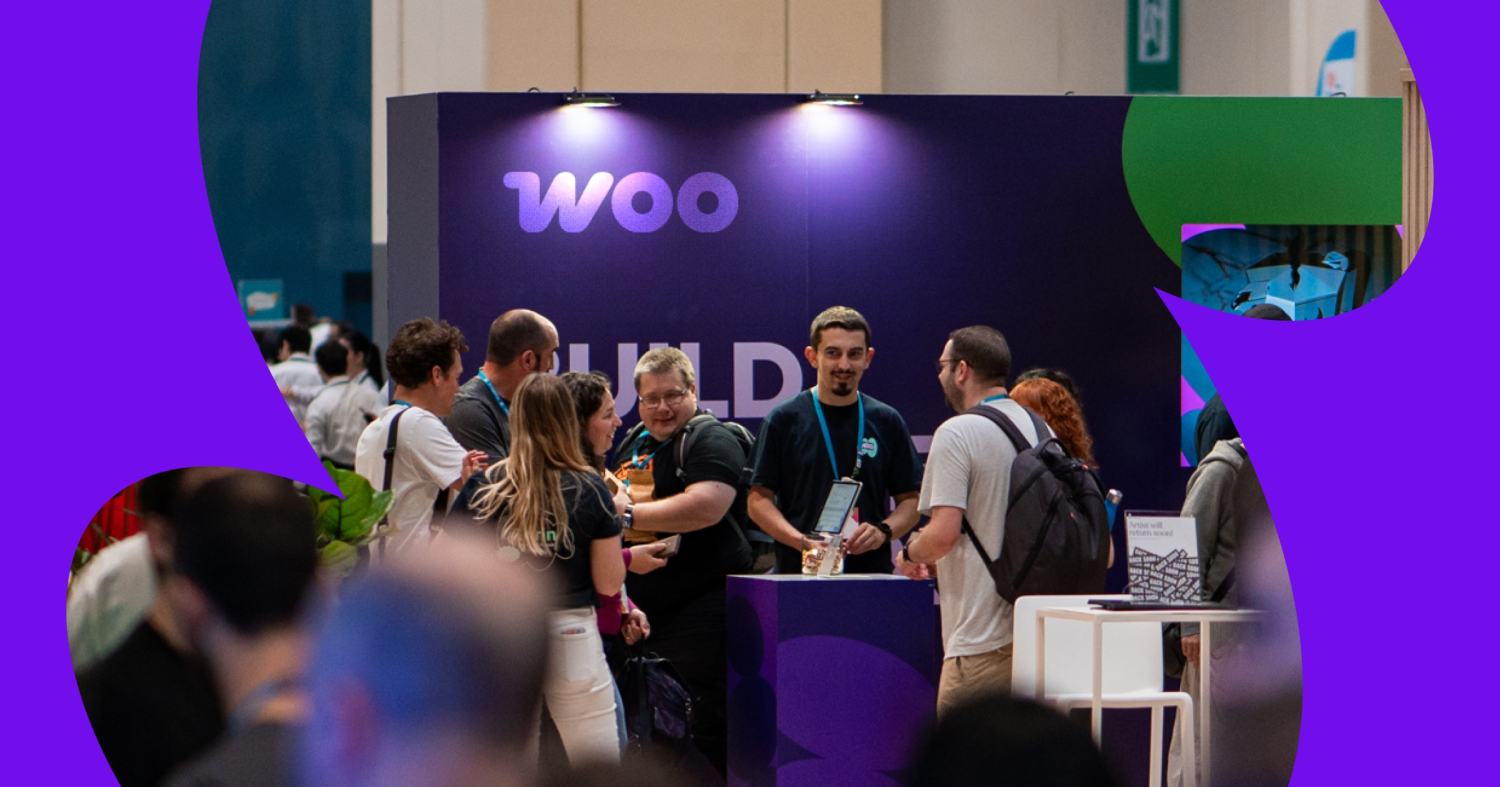
Beyond official support, the platform is sustained by a global community. With over 400 local meetup groups and 80,000 freelance developers, businesses have access to a vast talent pool. This "community over competition" philosophy ensures that the software is constantly being audited for security and performance by thousands of independent contributors.
Market Analysis and Future Outlook
The shift toward WooCommerce reflects a broader trend in the e-commerce industry: the democratization of enterprise-grade tools. As consumer expectations for personalized, fast, and content-rich shopping experiences grow, the rigidity of custom-built platforms becomes a liability.
Market analysts predict that the demand for flexible, API-driven commerce will continue to rise. By providing a platform that is "open by default," WooCommerce is positioning itself as the infrastructure of choice for the next generation of digital entrepreneurs. For businesses currently struggling with the limitations of a custom build, the move to WooCommerce is not merely a change of software—it is a strategic pivot toward a more agile, cost-effective, and scalable future.
The transition allows brands to reclaim control over their digital destiny, ensuring that their technology stack serves their business goals rather than dictating them. As the e-commerce sector continues to evolve, the ability to adapt quickly will be the primary differentiator between market leaders and those left behind by their own legacy systems.