Retiring Frugal Habits: When Saving Too Much Becomes a Detriment to Wealth Maximization

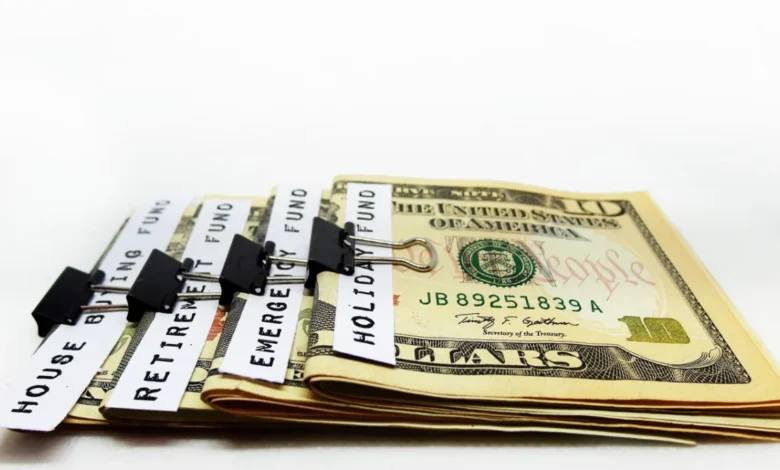
Being frugal is widely acknowledged as a cornerstone of sound personal finance, a discipline that empowers individuals to manage their spending with intentionality, thereby accelerating wealth accumulation by sidestepping wasteful expenditures. For many, particularly those navigating the early and middle stages of their careers, a steadfast commitment to saving aggressively has been instrumental in building a secure financial future. However, as individuals approach pivotal life stages, such as retirement, or achieve significant wealth milestones, certain ingrained frugal habits, once beneficial, can inadvertently hinder the optimal utilization and enjoyment of their accumulated assets. This analysis delves into three such habits, examining why they may no longer serve their initial purpose and exploring the strategic shift required to maximize the value of one’s financial standing.
The transition from a wealth-building phase to a wealth-sustaining or wealth-enjoyment phase necessitates a recalibration of financial strategies. While the principles of thrift and mindful spending remain relevant, the objective shifts from pure accumulation to intelligent deployment and preservation of capital, ensuring that hard-earned wealth enhances quality of life rather than remaining an underutilized asset.
1. The Overemphasis on Aggressive Saving Post-Goal Achievement
Throughout much of one’s working life, the imperative to save as much as possible is paramount. The discipline of living below one’s means and consistently allocating a substantial portion of income to savings accounts, investment portfolios, and retirement funds is the engine that drives financial security and enables the realization of long-term aspirations, such as a comfortable retirement. This habit, deeply ingrained for many, has undoubtedly contributed to their current financial standing.
However, upon reaching retirement or achieving a pre-defined savings target, continuing with an overly aggressive savings mindset can become counterproductive. The psychological comfort derived from watching savings balances grow can create an inertia that resists the natural progression towards drawing down assets. This can lead to unnecessary anxiety when funds are withdrawn, even when those withdrawals are well within sustainable limits. The fear of depleting a nest egg, a valid concern during accumulation, can transform into a self-imposed restriction on enjoying the fruits of one’s labor.
Shifting the Mindset: The crucial shift here is from accumulation to distribution, from "how much more can I save?" to "how can I best utilize what I have?" This does not advocate for reckless spending. Instead, it emphasizes a calculated and sustainable approach to enjoying accumulated wealth. A key element is establishing a realistic annual withdrawal rate, often guided by established financial planning principles such as the 4% rule, which suggests that withdrawing 4% of a retirement portfolio annually is sustainable over a 30-year retirement. However, modern financial planning often involves more dynamic withdrawal strategies tailored to individual circumstances and market conditions.
The focus should be on identifying a sustainable income stream from one’s assets that allows for a comfortable lifestyle, including provisions for unexpected expenses. While regular annual reviews of withdrawal rates are prudent to ensure sustainability in the face of market fluctuations and changing life circumstances, the compulsion to continuously add to savings after reaching a wealth goal can lead to a suboptimal lifestyle and a failure to fully experience the benefits of financial independence.
Seeking Professional Guidance: For individuals who find this transition challenging, particularly if there is lingering anxiety about the sustainability of their planned income, consulting with a qualified financial planner is highly recommended. A professional can provide an objective assessment of their financial situation, review their investment strategy, and help develop a personalized spending plan that balances enjoyment with long-term security. They can also offer strategies for managing the psychological aspects of drawing down assets.
2. The Lingering Preference for Cash and Debit Over Strategic Credit Card Use
In the formative years of financial responsibility, a prudent approach often involves avoiding credit cards or using them very sparingly. This strategy helps young adults develop essential budgeting skills, understand the implications of debt, and build a solid credit history without falling into potentially detrimental spending patterns. The risks associated with credit cards—high interest rates, potential for overspending, and the complexity of managing multiple accounts—can outweigh the benefits when financial discipline is still being cultivated.
However, once an individual has established a strong credit history, demonstrated consistent budgeting discipline, and achieved a level of financial maturity, rigidly adhering to cash or debit-only transactions can represent a missed opportunity to generate passive income and rewards. In essence, it’s akin to leaving "money on the table."
Leveraging Rewards Programs: The modern credit card landscape offers sophisticated rewards programs designed to benefit responsible users. By strategically utilizing a mix of credit cards, individuals can maximize cash back, travel points, airline miles, and other valuable perks on their everyday spending. This strategy does not require altering fundamental spending habits; rather, it involves a simple yet effective optimization of payment methods. For instance, using a dedicated rewards card for groceries and gas can yield hundreds of dollars in cash back annually, while travel rewards cards can accumulate thousands of points, offsetting the cost of flights and hotel stays.
Building a Rewards Strategy: For those new to rewards credit cards, starting with a general-purpose card that offers consistent rewards across all spending categories can be a good entry point. Ideally, such a card would have no annual fee, allowing the user to build the habit of maximizing rewards without the pressure of needing to spend a certain amount to justify the fee. As comfort and understanding grow, a more diversified approach, incorporating cards with category-specific bonuses or travel perks, can further enhance the benefits.
The key is to view credit cards not as a tool for borrowing, but as a sophisticated payment instrument that, when used responsibly, can provide tangible financial benefits, effectively making purchases less expensive over time through accumulated rewards. This shift in perspective transforms a potentially risky financial tool into a valuable asset for wealth optimization.
3. The Persistence of Basic Economy Fares in the Age of Travel Aspirations
For infrequent travelers, particularly those who do not prioritize luxury amenities such as lie-flat seats or exclusive airport lounge access, basic economy fares often present the most cost-effective option. These fares typically exclude checked baggage and seat selection, and may not earn loyalty points or miles. However, by traveling light and being flexible with seating, these drawbacks can often be mitigated, making basic economy a seemingly sensible frugal choice.
The rationale for continuing this habit into retirement or a period of greater financial freedom hinges on the assumption that travel preferences remain unchanged. However, for many, achieving financial goals unlocks the desire to explore the world, fulfill long-held travel aspirations, and perhaps indulge in a more comfortable travel experience.
The Value Proposition of Upgraded Fares: As individuals transition to a phase where travel becomes a more significant component of their lifestyle, the inconveniences and hidden costs associated with basic economy can quickly diminish the initial savings. Upgraded fares, while seemingly more expensive upfront, often come with substantial benefits that can offset the higher cost. These include complimentary checked baggage, the ability to select seats in advance (crucial for couples or families traveling together), priority boarding, and, importantly, the accumulation of valuable frequent flyer miles and airline points.
Earning While Traveling: For those with a burgeoning travel bucket list, the focus should shift to maximizing the value derived from travel expenses. This involves actively engaging with airline loyalty programs and travel credit cards. By strategically choosing flights and credit cards that align with travel patterns, individuals can earn points and miles on every journey, which can then be redeemed for free flights, hotel stays, or other travel-related perks. While this might mean foregoing the absolute cheapest fare, the overall value proposition can be superior. Free checked bags, companion fares, and the accumulation of points towards future travel can make these upgraded fares a more financially astute choice in the long run, effectively turning travel expenses into an investment in future experiences.
Data and Implications:
According to industry data, the average cost of checked baggage on domestic flights can range from $30 to $40 per bag each way. For a couple traveling for a week, this can add up to $160-$320 in avoidable expenses. Furthermore, frequent flyer programs and travel credit cards can offer redemption values that far exceed the initial cost difference between basic economy and standard fares, especially when considering the opportunity cost of not earning points. For example, a single redemption for a transatlantic flight using accrued miles could save thousands of dollars.
The broader implication of clinging to outdated frugal habits is the potential for a diminished quality of life and missed opportunities to fully leverage accumulated wealth. By understanding when and how to pivot financial strategies, individuals can ensure that their financial prudence leads to not just security, but also to enhanced experiences and greater enjoyment of life’s rewards. The journey of wealth management is dynamic, requiring continuous evaluation and adaptation to ensure that financial tools and strategies remain aligned with evolving life goals and circumstances.
Related posts: