President Trump Imposes Sweeping 50% Tariffs on $20 Billion in Canadian Imports, Escalating North American Trade Tensions.

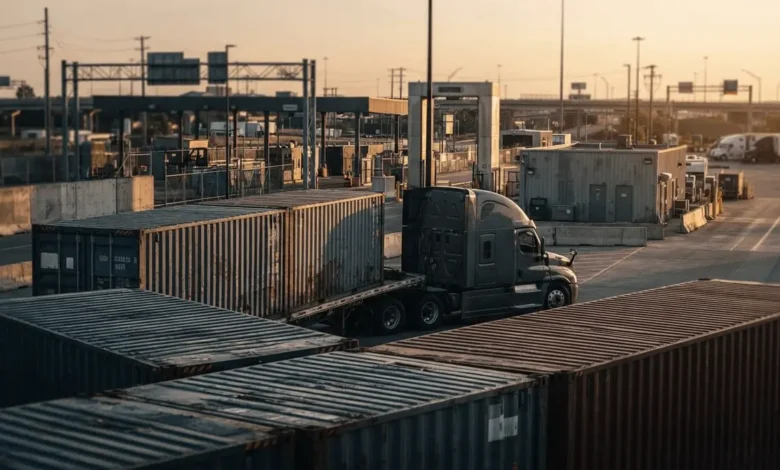
President Donald Trump signed three proclamations on July 20, 2026, enacting additional 50% tariffs on a substantial list of selected Canadian imports, leveraging the rarely used Section 338 of the Tariff Act of 1930. These punitive measures are slated to become effective at 12:01 a.m. ET on August 19, 2026, granting U.S. importers a narrow window of less than a month to meticulously assess their exposure, review existing contracts, and strategically decide whether to accelerate shipments before the new, significantly higher duties are applied. The move has ignited a fresh wave of trade friction between the two long-standing economic partners, raising concerns across industries and prompting immediate reactions from both sides of the border.
Background and Context: A Return to Trade Tensions
The imposition of these tariffs marks a significant escalation in trade relations, reminiscent of earlier periods of strain during the Trump administration’s first term. Section 338 of the Tariff Act of 1930, a provision deeply rooted in the protectionist Smoot-Hawley era, grants the President the authority to impose duties of up to 50% on imports from any foreign country found to be discriminating against U.S. commerce. Its use is exceptionally rare in modern trade practice, making the current application against Canada, a close ally and major trading partner, particularly noteworthy. The Trump administration has chosen to apply the maximum allowable rate, underscoring the severity of its grievances.
This latest action follows a complex history of trade disputes between the U.S. and Canada, even after the renegotiation of the North American Free Trade Agreement (NAFTA) into the United States-Mexico-Canada Agreement (USMCA), known as CUSMA in Canada. During the previous Trump administration, tariffs on steel and aluminum imports from Canada, justified under Section 232 of the Trade Expansion Act of 1962, had caused significant disruption before being largely resolved. The USMCA/CUSMA itself was heralded as a modernized framework intended to foster smoother trade, yet these new Section 338 tariffs bypass its provisions, applying regardless of whether goods would otherwise qualify for duty-free treatment under the agreement. This approach raises fundamental questions about the stability and enforceability of the regional trade pact.
The Specific Grievances: U.S. Rationale Behind the Tariffs
The White House and U.S. Trade Representative (USTR) Jamieson Greer have articulated three primary complaints driving the decision to implement these tariffs. Firstly, they point to Canadian restrictions affecting U.S. alcohol products. This has historically included provincial mark-ups, distribution monopolies, and practices perceived to disadvantage imported wines, beers, and spirits in favor of domestic products. U.S. producers have long argued that these measures create an uneven playing field, limiting market access and competitiveness.
Secondly, the administration cited alleged dairy market access advantages granted to the European Union. Canada operates a supply management system for dairy, which includes production quotas and high tariffs on imports, designed to support domestic farmers. While the USMCA/CUSMA did open some limited additional access for U.S. dairy, the USTR’s complaint suggests ongoing dissatisfaction, particularly with what it perceives as preferential treatment or more favorable terms offered to EU competitors under Canada’s Comprehensive Economic and Trade Agreement (CETA) with the EU. This echoes previous disputes, such as the "Class 7" milk pricing scheme that was a flashpoint during USMCA negotiations.
Finally, the USTR highlighted limits affecting U.S. vehicle exports from companies that have reshored production to the United States. This grievance likely pertains to Canadian policies or market dynamics that discourage the import of vehicles or auto parts produced by companies that have recently relocated manufacturing operations back to the U.S. as part of the "America First" economic agenda. The auto sector, deeply integrated across North America, is particularly sensitive to such shifts and disputes over rules of origin and local content.
The scope of the new tariffs is extensive, covering nearly $20 billion in Canadian imports. The White House described the targeted goods as products ranging from wine and hockey sticks to cement, indicating a broad sweep across multiple sectors. However, several categories have been explicitly exempted, including energy products (such as crude oil and natural gas, vital for U.S. energy security), potash (a critical agricultural input), products already subject to Section 232 tariffs (to avoid double taxation), fish, critical minerals, and certain other unspecified goods. These exemptions suggest a strategic effort to minimize disruption to key U.S. industries and supply chains deemed essential.
Chronology of Events and Immediate Fallout
The timeline for these tariffs is notably compressed, presenting a significant challenge for businesses.
- July 20, 2026: President Donald Trump signs three proclamations, officially imposing the new 50% tariffs on selected Canadian imports under Section 338 of the Tariff Act of 1930.
- July 20 – August 19, 2026: A critical 30-day window for businesses to react. Importers must rapidly assess their exposure, review existing supply contracts, and determine if they can accelerate shipments to clear customs before the new duties take effect.
- August 19, 2026, 12:01 a.m. ET: The tariffs officially take effect. Goods entered for consumption, or withdrawn from warehouse for consumption, on or after this date will be subject to the additional 50% ad valorem duty.
For businesses, especially small and medium-sized enterprises (SMEs), this short notice creates an immediate and tangible risk. The sudden change in landed cost can swiftly erase profit margins on orders already priced for customers, potentially leading to financial distress. The fact that USMCA eligibility is not expected to shield covered goods from these new duties further complicates compliance and planning. Businesses are advised to urgently verify the exact treatment of goods already in transit with a licensed customs broker, as entry timing, classification, and any forthcoming implementing guidance will dictate the duty owed.
Canadian Response: Diplomacy vs. Retaliation
Canadian Prime Minister Mark Carney swiftly condemned the U.S. action, characterizing it as the latest in a series of unilateral U.S. trade measures that Canada asserts violate the spirit and letter of CUSMA/USMCA. In his initial public statements, Prime Minister Carney signaled a preference for intensifying diplomatic negotiations rather than immediately announcing a full package of retaliatory tariffs. This strategic approach aims to preserve the possibility of a negotiated resolution and avoid a full-blown trade war, which would be detrimental to both economies.
However, the political pressure for a robust response within Canada is palpable. Ontario Premier Doug Ford, a prominent voice in Canadian politics, has publicly advocated for a strong, reciprocal response to the U.S. tariffs. Such calls reflect a broader sentiment among Canadian industries and provinces that believe their economic interests must be vigorously defended. While the federal government under Prime Minister Carney is leaning towards diplomacy, the option of retaliatory tariffs, potentially targeting U.S. exports in sectors of importance to key U.S. states, remains a potent threat. This leaves U.S. importers in a precarious planning window: the tariffs are scheduled, but the diplomatic path remains open, and final implementation details could still shift before goods begin entering at the new, higher rate.
Economic Fallout: Impact on Businesses and Consumers
The financial effect of a 50% ad valorem duty is straightforward and severe: it raises the dutiable value of an affected import by half. This additional cost is applied before other expenses such as broker fees, freight, financing, or inventory carrying costs are even considered. For a small retailer importing $200,000 in covered Canadian goods, this could translate to an additional $100,000 in duty exposure, a sum that can decimate profit margins and cash flow.
Large importers, while also impacted, are generally better equipped to absorb such a shock. They often possess sophisticated tariff escalation clauses in their contracts, access to customs counsel, diversified sourcing strategies, and sufficient leverage to negotiate with vendors or, if necessary, pass increased costs to customers. In contrast, small businesses typically operate with shorter contracts, narrower product lines, and more price-sensitive buyers, making them far more vulnerable. Research on how small businesses navigate broader tariff environments consistently shows that the disruption per dollar of tariff exposure is significantly higher for companies lacking the staff and cash reserves to quickly rework sourcing strategies.
Beyond the direct cost to importers, the tariffs carry broader economic implications. Consumers in the U.S. could face higher prices for a range of popular Canadian products, from wines and specialty foods to construction materials and sporting goods. This inflationary pressure would reduce purchasing power. Conversely, Canadian exporters would see their competitiveness in the U.S. market severely eroded, potentially leading to reduced sales, production cuts, and job losses in Canada. The import-side cost risk for U.S. businesses could also morph into an export-side risk if Canada decides to retaliate, creating a dual pressure point for companies engaged in cross-border trade in both directions. For instance, a small manufacturer that imports Canadian inputs and sells finished goods back into Canada could face heightened pressure on both sides of the border.
Navigating the Immediate Window: Uncertainty and Compliance
While the July 20 announcements addressed the headline question of "if," they left many operational questions unanswered. Importers are still awaiting crucial details, including final tariff schedule language, specific Harmonized Tariff Schedule (HTS) classifications for covered goods, detailed customs entry guidance from U.S. Customs and Border Protection (CBP), and any information regarding a potential product exclusion process. Previous tariff programs under different authorities often included procedures for businesses to apply for exclusions for specific products, but no comparable process has been announced in the initial Section 338 Canada materials. The absence of such a mechanism adds another layer of anxiety for businesses reliant on specific Canadian inputs.
The scope question is particularly vital. The White House fact sheet provided broad categories and examples (wine, dairy, hockey sticks, cement) rather than a comprehensive, plain-language list of HTS codes sufficient for precise customs planning. Businesses are strongly advised not to rely solely on press summaries but to await formal guidance from CBP, USTR, or the Federal Register that ties the measures to specific tariff lines. Misclassification or misinterpretation could lead to significant penalties or delays.
The broader North American trade landscape adds another layer of uncertainty. Prime Minister Carney’s emphasis on continuing talks signals a diplomatic path, but the U.S. is also engaged in ongoing trade discussions with Mexico. Should U.S.-Mexico discussions advance positively while U.S.-Canada relations deteriorate, some supply chains could begin a strategic shift southward. This poses a larger strategic question for small businesses already navigating tariff-related logistics costs: whether these new tariffs are a short-term negotiating lever designed to extract concessions, or the harbinger of a more fundamental, long-term realignment of North American trade and supply chains.
The Legal and Diplomatic Chessboard
The central question for businesses and policymakers remains whether intensive negotiations can produce relief before the August 19 deadline. While Prime Minister Carney has expressed Canada’s readiness to engage, the proclamations do not automatically pause the new duties while talks proceed. Unless the Trump administration modifies or withdraws the measures, the tariffs will take effect as scheduled. This creates a powerful incentive for swift negotiations, but also puts Canada in a difficult position, negotiating under the duress of immediate economic impact.
Importers and legal experts are also closely watching for potential legal challenges to the tariffs. Section 338, despite its long statutory history, has rarely been invoked in modern trade practice, and its application against a North American trade partner at the maximum rate is almost certain to attract intense legal scrutiny. Lawsuits challenging the constitutional authority, procedural fairness, or factual basis of the Section 338 finding could emerge. Any successful legal action seeking to block or delay implementation could fundamentally alter whether businesses treat these tariffs as an immediate, unavoidable cash-flow event or a contingent risk that might yet be averted. The legal precedent set by such a challenge could also have profound implications for future uses of this obscure trade tool.
Long-Term Implications: Reshaping North American Supply Chains
Beyond the immediate financial crunch, these tariffs could catalyze significant, long-term shifts in North American supply chains. Businesses that have historically relied on the deep integration and predictability of U.S.-Canada trade, especially under USMCA/CUSMA, may now be forced to reconsider their sourcing strategies. The prospect of prolonged trade uncertainty or the establishment of these tariffs as a "sustained negotiating tool" could prompt companies to diversify their supplier base, explore reshoring options to the U.S., or increasingly look to Mexico or other global markets.
For sectors like automotive, which has complex cross-border supply chains for parts and components, even targeted tariffs can have cascading effects. Dairy and alcohol industries, which are often characterized by strong regional identities and consumer preferences, may see shifts in market availability and pricing. The decision by some U.S. companies to "reshore" production, a key policy objective of the Trump administration, may be inadvertently accelerated by these tariffs, as Canadian inputs become more expensive.
Ultimately, the imposition of these tariffs creates a precarious environment for businesses and tests the resilience of the North American economic relationship. For now, small businesses, in particular, should plan for the tariffs to take effect on August 19, while simultaneously preserving maximum flexibility should negotiations or legal challenges alter the outcome. The broader pattern of Trump-era sectoral tariffs suggests that tariff pressure may be employed as a sustained negotiating instrument rather than a brief, headline-grabbing measure, necessitating long-term strategic adjustments across industries. The coming weeks will be crucial in determining whether diplomacy can avert a full-scale trade war or if these tariffs mark a significant, enduring reordering of trade relations between the United States and Canada.