The landscape of professional networking is undergoing a significant transformation as user behavior shifts away from traditional office hours toward a more fluid, evening-centric consumption model. According to a comprehensive analysis of 4.8 million LinkedIn posts conducted by data scientists at Buffer, the optimal windows for engagement in 2026 have moved decidedly into the late afternoon and evening. This marks a departure from 2025, when the platform’s peak activity was almost exclusively confined to the standard 9-to-5 workday.
The study, led by resident data scientist Julian Winternheimer, tracked millions of interactions over a two-year period to identify patterns in how professionals interact with B2B and career-oriented content. The findings suggest that while LinkedIn remains a primary hub for professional development and industry news, the "when" and "how" of user access are increasingly mirroring the consumption patterns seen on entertainment-heavy platforms like TikTok and Instagram.
The Evolution of Engagement: From Workday to After-Hours
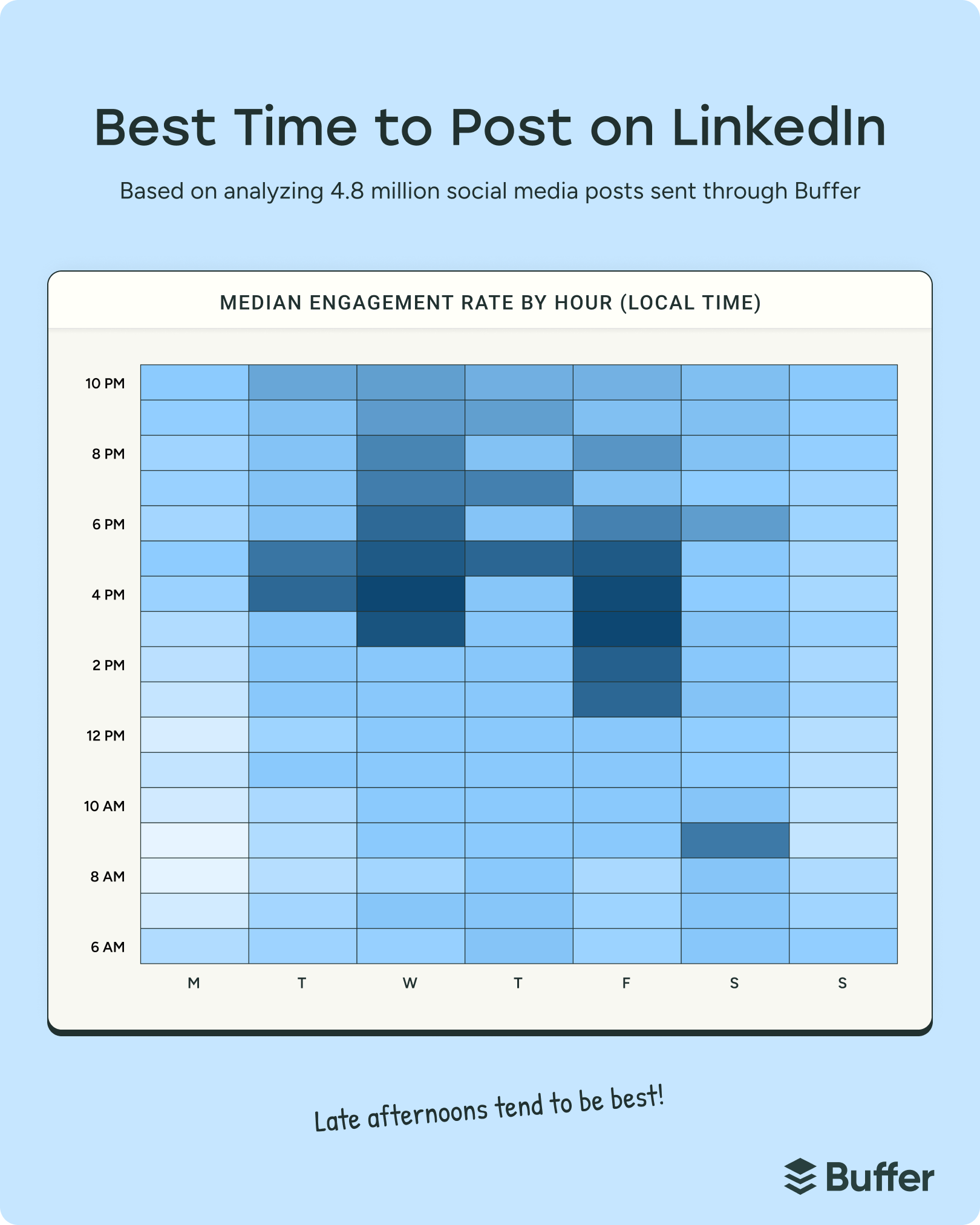
In 2025, LinkedIn engagement metrics showed a sharp decline immediately following 5:00 p.m. local time. Professionals appeared to treat the platform as a tool used strictly during their professional hours. However, the 2026 data reveals a new paradigm. Late afternoon and evening hours are now generating some of the highest engagement numbers recorded in the platform’s history.
This shift suggests a blurring of the lines between professional and personal time. Industry analysts point to several factors driving this change, including the continued rise of remote and hybrid work, the proliferation of mobile-first browsing, and a growing trend of "professional doomscrolling" during evening wind-down periods. Professionals are no longer just checking LinkedIn at their desks; they are engaging with content during commutes, after dinner, and as part of their nightly routines.
Comprehensive Day-by-Day Analysis
The data highlights that while there is a general trend toward evening activity, each day of the week possesses its own unique engagement signature. For brands and individual creators, understanding these nuances is critical for maximizing the reach of their content.
The Mid-Week Peak: Wednesday, Thursday, and Friday
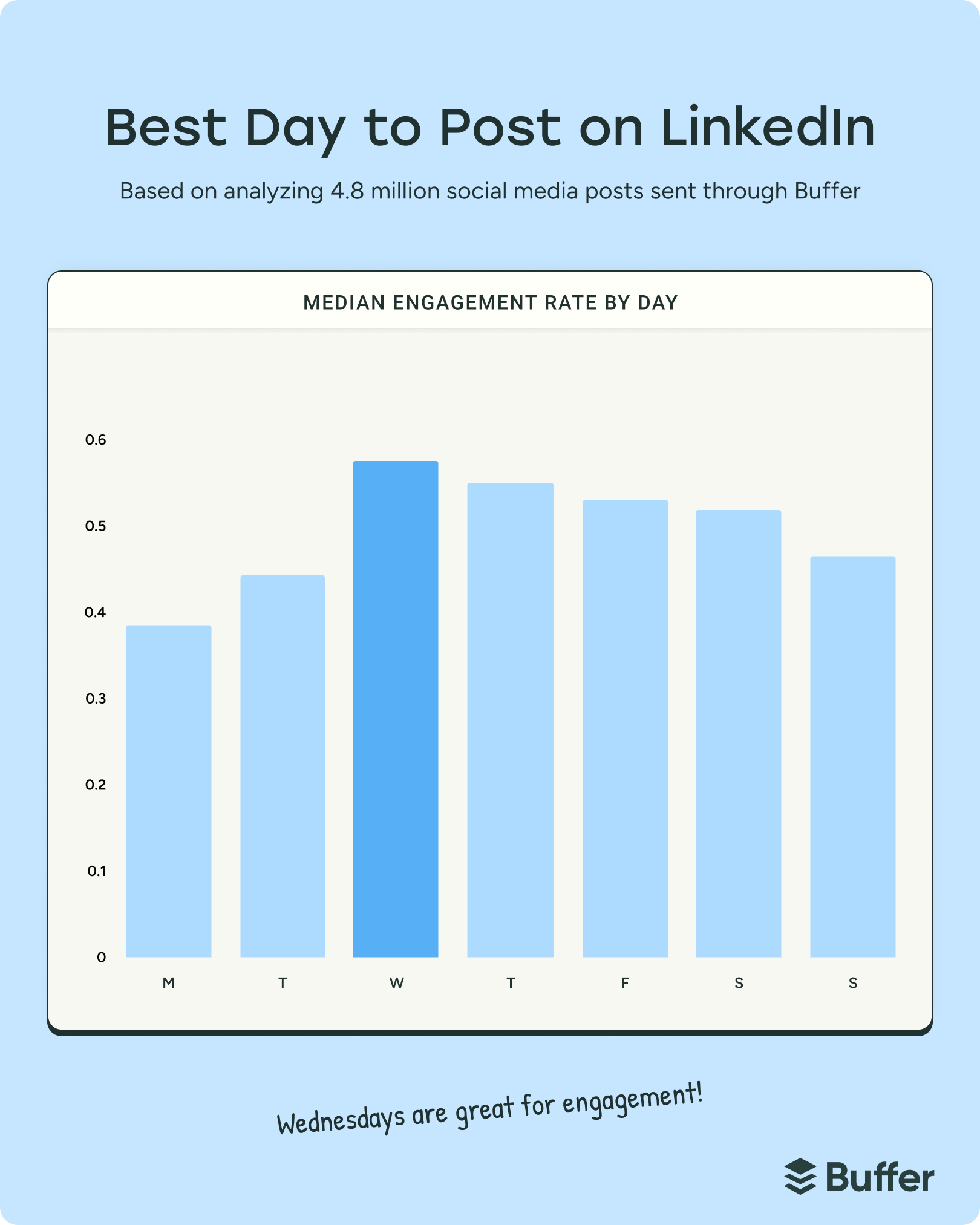
Wednesday has emerged as the definitive "golden day" for LinkedIn activity. The study indicates that Wednesday at 4:00 p.m. is the single most effective time to post for maximum engagement across the entire week. This is attributed to the "mid-week momentum" where professionals are fully immersed in their work tasks but are actively seeking external insights to assist with their projects or career growth.
Thursday and Friday follow closely behind. On Thursday, the peak engagement shifts slightly later to 5:00 p.m., with strong secondary windows at 7:00 p.m. and 9:00 p.m. Friday engagement peaks earlier in the afternoon, specifically at 3:00 p.m. and 4:00 p.m., as users begin to wind down their workweek and transition into a more reflective, browsing-oriented mindset.
The Early Week Slump: Monday and Tuesday
Contrary to popular belief that Monday is a prime time for "fresh starts," the data shows that Monday and Tuesday are actually the lowest-performing days for engagement. Monday engagement peaks very late—at 10:00 p.m.—as professionals catch up on industry news only after surviving the initial rush of the workweek. Tuesday shows a similar pattern, with a primary peak at 4:00 p.m. and a secondary spike at 10:00 p.m.
Marketing experts suggest that high-priority content, such as major product launches or deep-dive white papers, should be reserved for the Wednesday-to-Friday window to avoid being buried by the administrative overload typical of Monday mornings.
Weekend Dynamics
While overall volume is lower on weekends, specific windows still offer value for those targeting a more relaxed audience. Saturday engagement is highest at 9:00 a.m., catering to the "early riser" professional demographic. Sunday engagement is almost non-existent until the late evening, peaking at 10:00 p.m. as users begin to prepare for the upcoming workweek—a phenomenon often referred to as the "Sunday Scaries" shift.
The Mechanics of the LinkedIn Algorithm
The importance of timing is inextricably linked to the LinkedIn algorithm’s ranking signals. LinkedIn utilizes interactions—reactions, comments, and reposts—as primary indicators of a post’s quality. When a post receives immediate engagement, the algorithm views it as relevant and surfaces it to a wider audience.
While LinkedIn’s marketing blog maintains that timing is not a "black-and-white science," the Buffer data suggests that posting when the largest segment of a target audience is active creates a "velocity" effect. This early momentum increases the likelihood of the content appearing in the feeds of secondary and tertiary connections, significantly extending its organic reach.
Debunking the "Golden Hour" Myth
There has long been speculation regarding a "Golden Hour"—a strictly defined 60-minute window where engagement determines a post’s entire lifecycle. While LinkedIn has not officially confirmed such a specific window, they have acknowledged that early signals are influential. The 2026 data reinforces the idea that while the first hour is important, the "evening shift" allows posts to have a longer shelf life, as engagement can build steadily throughout the night rather than falling off a cliff at the end of the business day.
Content Velocity and Posting Frequency
Timing is only one half of the equation; the other is frequency. In a separate but related analysis of over 2 million posts, Buffer found a direct correlation between posting cadence and total impressions.
The research suggests a "sweet spot" of 2 to 5 posts per week. Creators who maintain this frequency see approximately 1,182 more impressions per post compared to those who post only once a week. This suggests that the LinkedIn algorithm rewards "active" users who contribute consistently to the ecosystem.
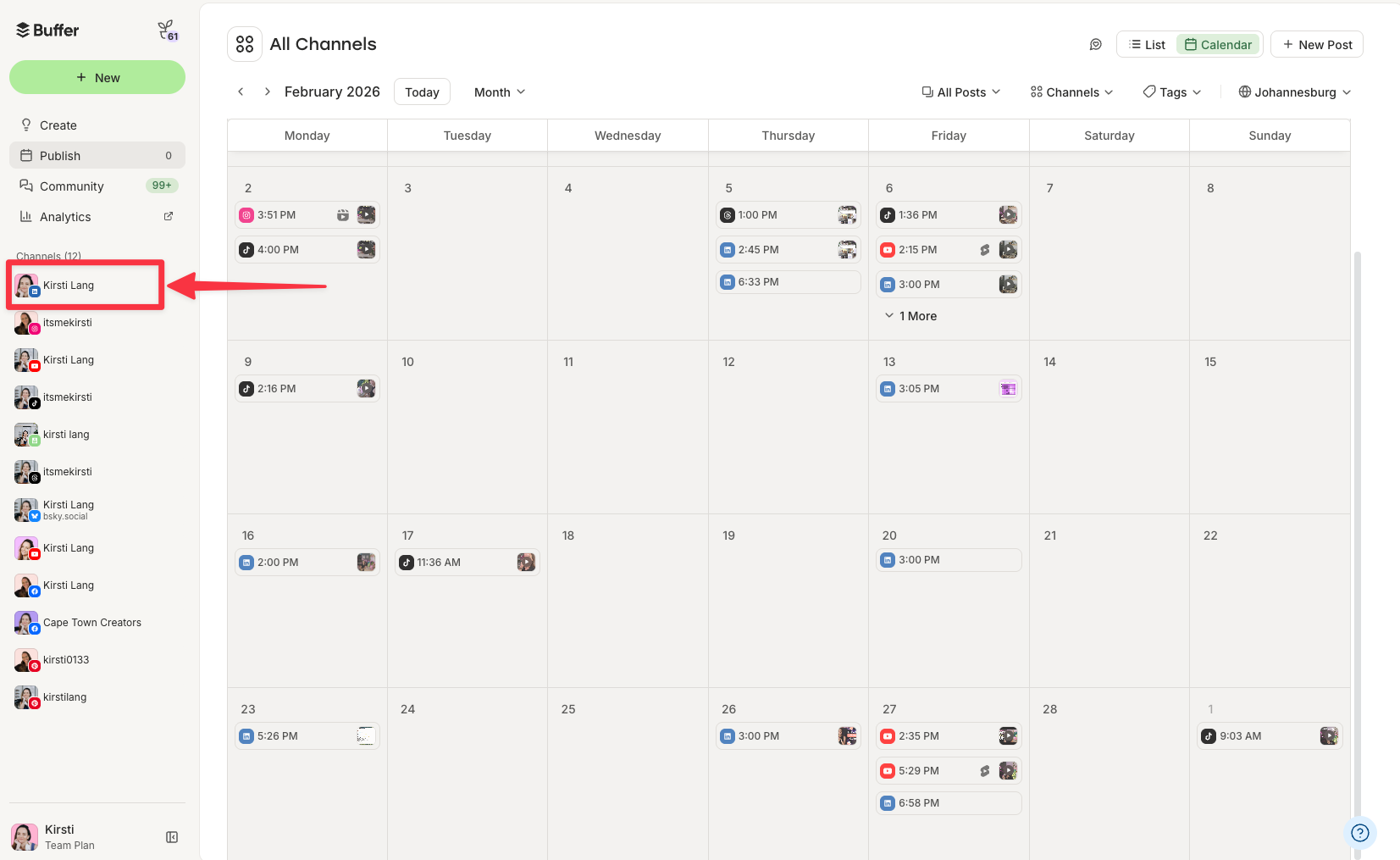
For those with the resources to produce high-quality content more frequently, the gains are even more substantial. Posting 11 or more times per week can lead to nearly 17,000 more impressions per post. However, analysts warn against "posting for the sake of posting," noting that low-quality content published at peak times will still underperform compared to high-value content published at off-peak times.
Format Performance: The Rise of Document Carousels
The 2026 data also highlights a significant shift in format preference. Carousel posts—often uploaded as PDF documents—are currently the dominant format on the platform. These posts generate up to 596% more engagement than text-only posts.
The success of carousels is attributed to their high "dwell time." Because users must click through multiple slides to consume the information, the algorithm perceives the content as highly engaging. When combined with the new late-afternoon peak posting times, carousels provide a powerful tool for brands looking to capture the attention of professionals in a "browsing" state of mind.
Global Applicability and Time Zone Normalization
A critical component of this data is the normalization of time zones. The recommended peak times (e.g., 4:00 p.m. on Wednesday) are intended to be applied to the local time zone of the target audience.
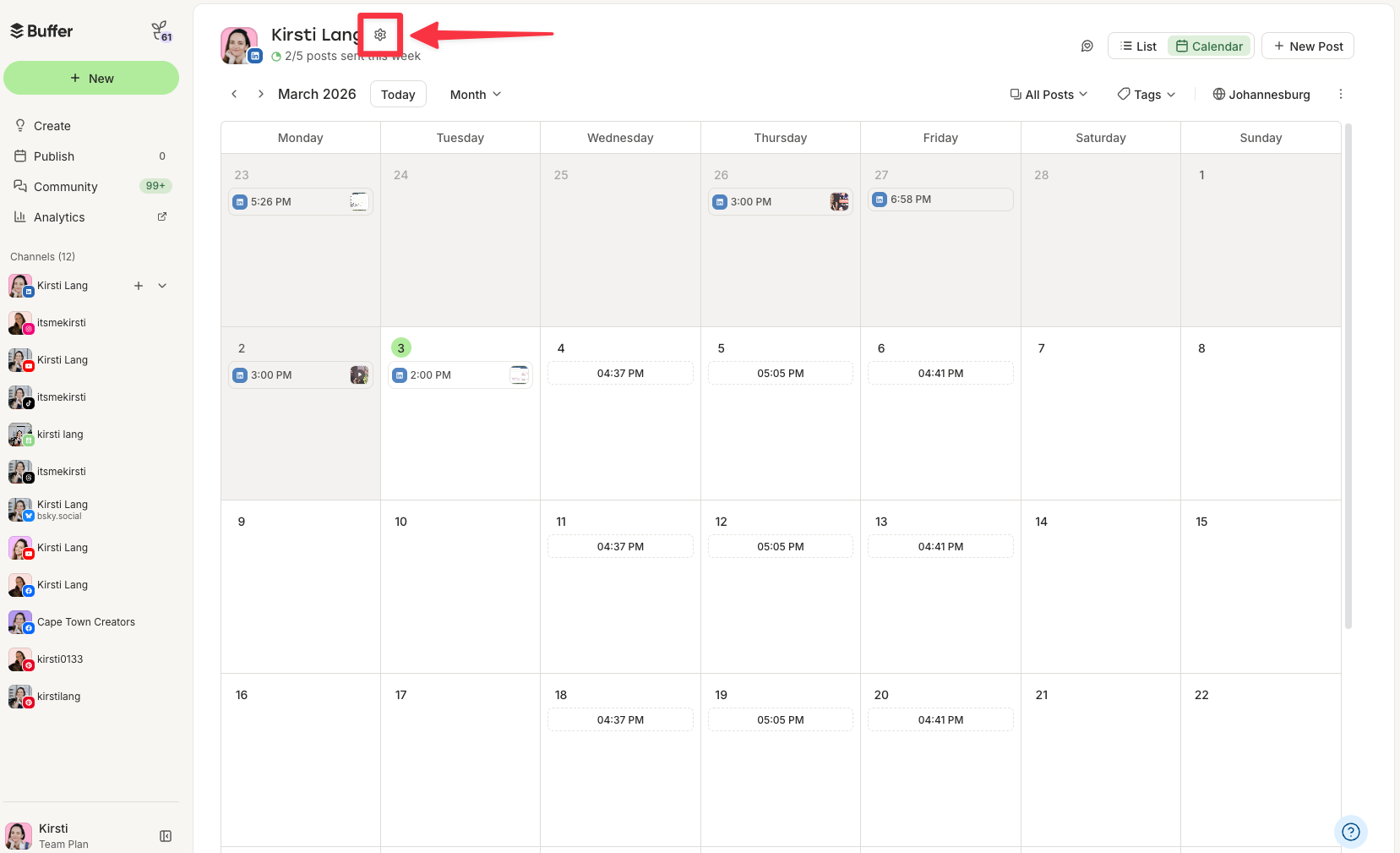
For international brands, this necessitates a segmented scheduling strategy. A company targeting both London and New York must schedule posts to hit the 4:00 p.m. window in both GMT and EST respectively. The data scientist behind the study, Julian Winternheimer, emphasized that "4:00 p.m. means 4:00 p.m. in your local time zone," removing the need for complex manual conversions.
Strategic Implications for B2B Marketers
The shift toward evening engagement on LinkedIn has profound implications for B2B marketing strategies. Traditionally, B2B content has been designed to be consumed in a high-focus, "at-desk" environment. The move toward evening browsing suggests that content should perhaps become more visual, digestible, and mobile-friendly.
"Professionals are still showing up for professional content; they’re just doing it after they’ve closed their laptops for the day," the report notes. This suggests that the "voice" of LinkedIn content may need to evolve to be slightly less formal and more conversational to suit the evening consumption habits of the modern workforce.
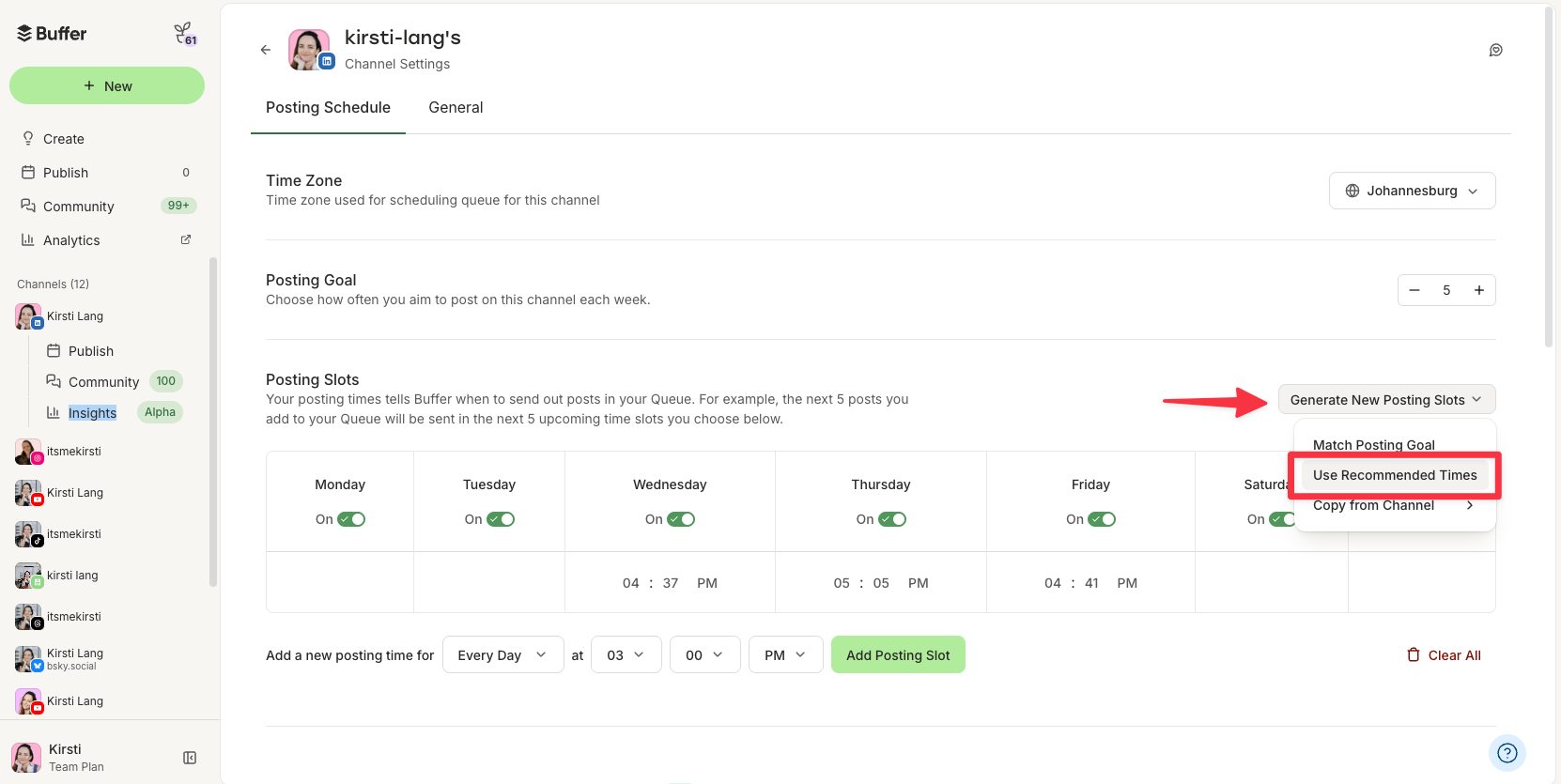
Furthermore, the data serves as a reminder that "best times" are a starting point rather than a universal law. Every niche—from legal services to creative arts—will have its own unique audience behavior. Marketers are encouraged to use these findings as a baseline for experimentation, utilizing native analytics or third-party tools like Buffer to refine their schedules based on their own specific follower data.
As LinkedIn continues to evolve from a static resume bank into a dynamic social network, the ability to adapt to these shifting temporal patterns will be the deciding factor in which voices cut through the noise in 2026 and beyond.
Related posts: