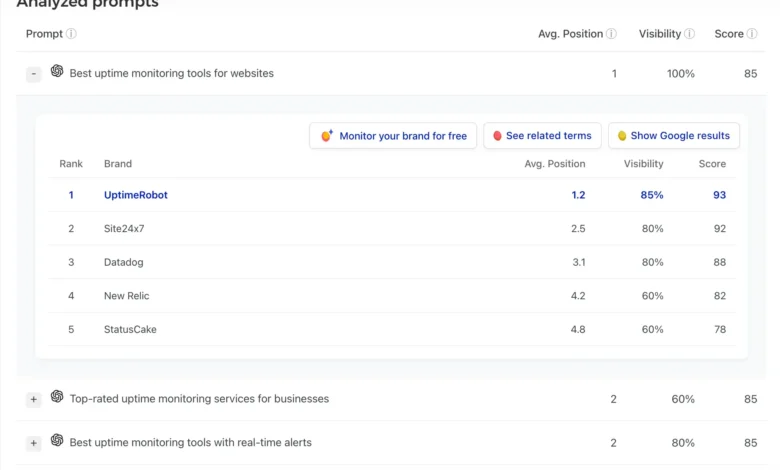
The paradigm of digital discovery is undergoing a profound transformation as generative AI becomes the primary interface for B2B research. According to G2’s 2026 Answer Economy research, 51% of B2B software buyers now initiate their search journeys with AI chatbots rather than traditional search engines like Google. This tectonic shift has forced marketing departments to pivot from traditional search engine optimization (SEO) to answer engine optimization (AEO). While Ahrefs Brand Radar established an early foothold in this space, a growing segment of enterprise users is seeking alternatives that offer more granular prompt-level detail, broader model integration, and deeper connectivity with revenue-generating CRM systems.

The rise of the "Answer Economy" necessitates a departure from simple rank tracking. Unlike traditional SEO, which relies on blue-link visibility, AEO requires an understanding of how large language models (LLMs) synthesize information, cite sources, and ultimately influence purchasing decisions. For many organizations, the ability to track how a brand is mentioned—and more importantly, how it is recommended—has become a mission-critical component of their competitive intelligence strategy.
The Evolution of AI Visibility Tracking
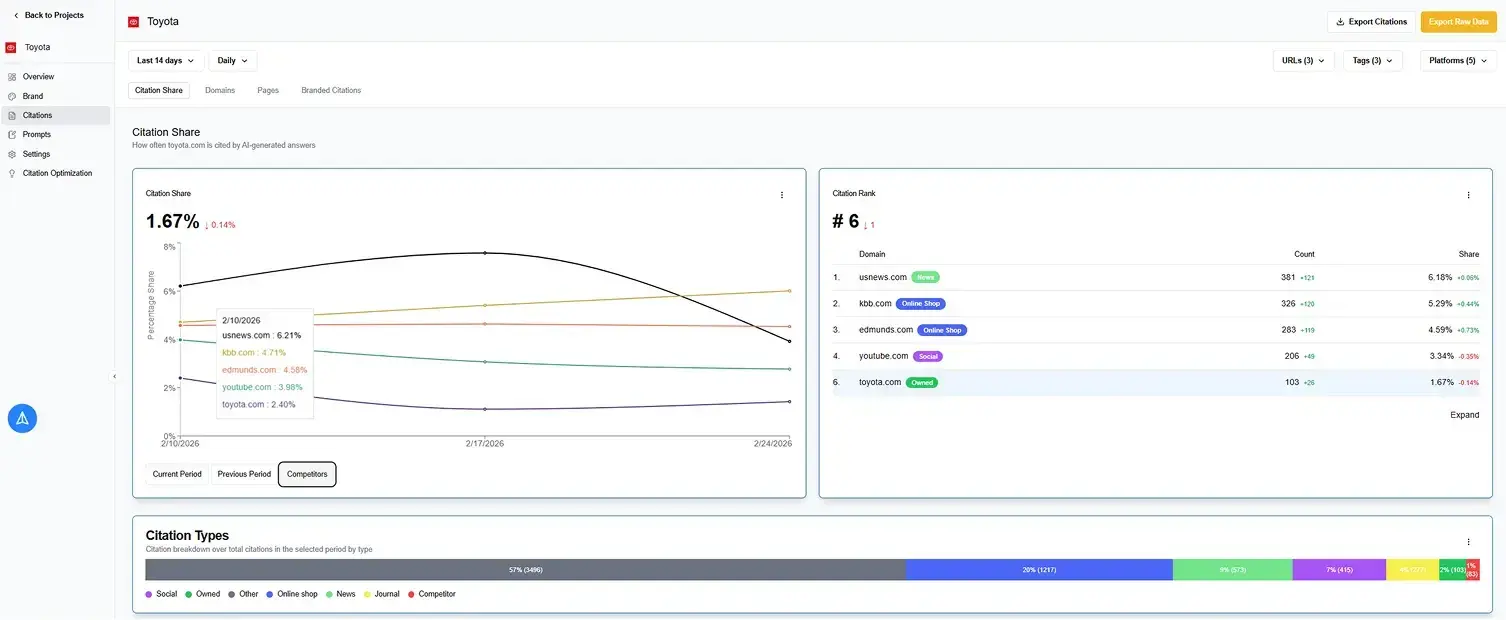
The timeline of AI search monitoring has accelerated rapidly since early 2025. Initially, marketers were content with simple mention-tracking tools that alerted them when their brand name appeared in a ChatGPT response. However, as AI models became more sophisticated, the market matured. By mid-2025, tools began offering "citation analysis," which allows companies to see which of their web pages are being used as primary sources by LLMs.

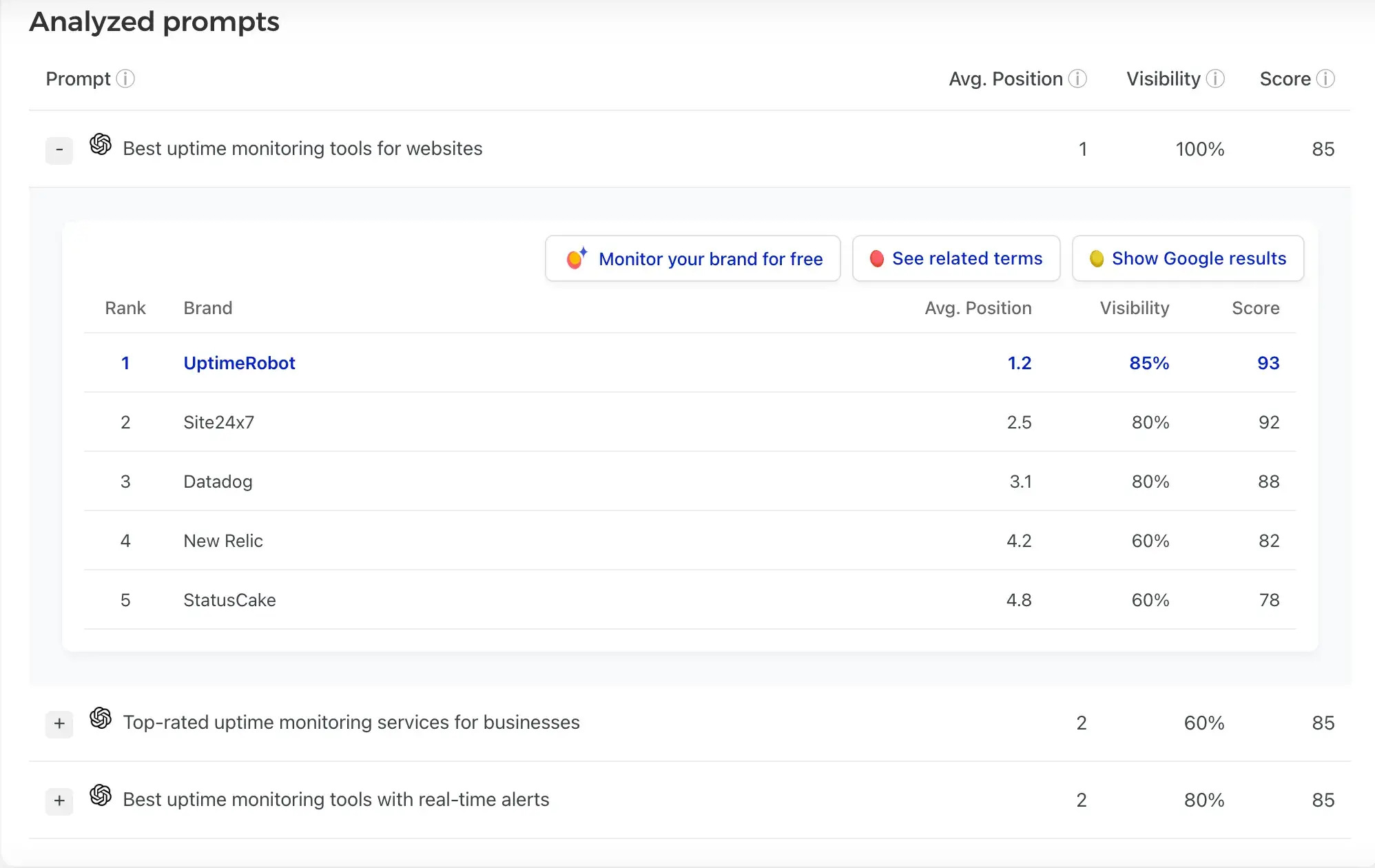
This evolution has led to a bifurcated market. On one side are the generalist platforms that integrate AI tracking into broader SEO suites; on the other are specialized AEO platforms designed to map the entire customer journey from an AI-generated answer to a closed-won deal. As companies like Ahrefs, HubSpot, and niche entrants like Profound and Peec AI iterate on their feature sets, the industry is moving toward a standard where "visibility" is no longer just a number, but a qualitative assessment of sentiment, accuracy, and conversion potential.
Why Market Leaders are Seeking Alternatives
The search for alternatives to established tools is rarely about a lack of capability, but rather a misalignment of workflow. For high-growth organizations, the specific requirements of their internal marketing stacks often dictate their choice of vendor.
Granularity and Customization
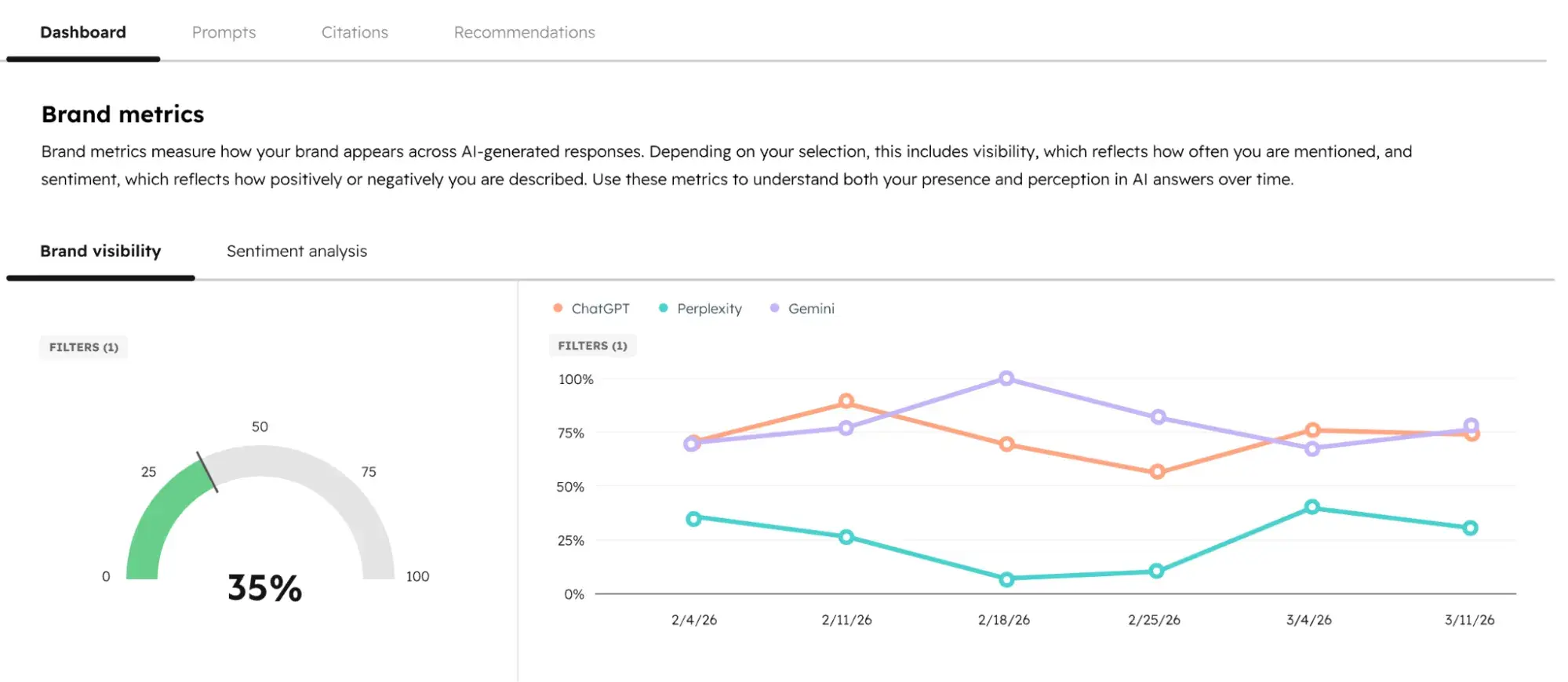
Marketplaces and enterprise software vendors often require more than a broad visibility score. They need to understand how specific high-intent queries—such as "best software for X" or "alternatives to Y"—are being handled by AI. Alexandra Novikava, a marketer at Truck1, notes that as her team matured, they transitioned toward custom API tracking to gain deeper insight into the specific queries where competitors were winning share of voice. This highlights a trend toward "precision monitoring," where companies prioritize the quality of the prompt over the volume of brand mentions.
The High Cost of Contextual Data
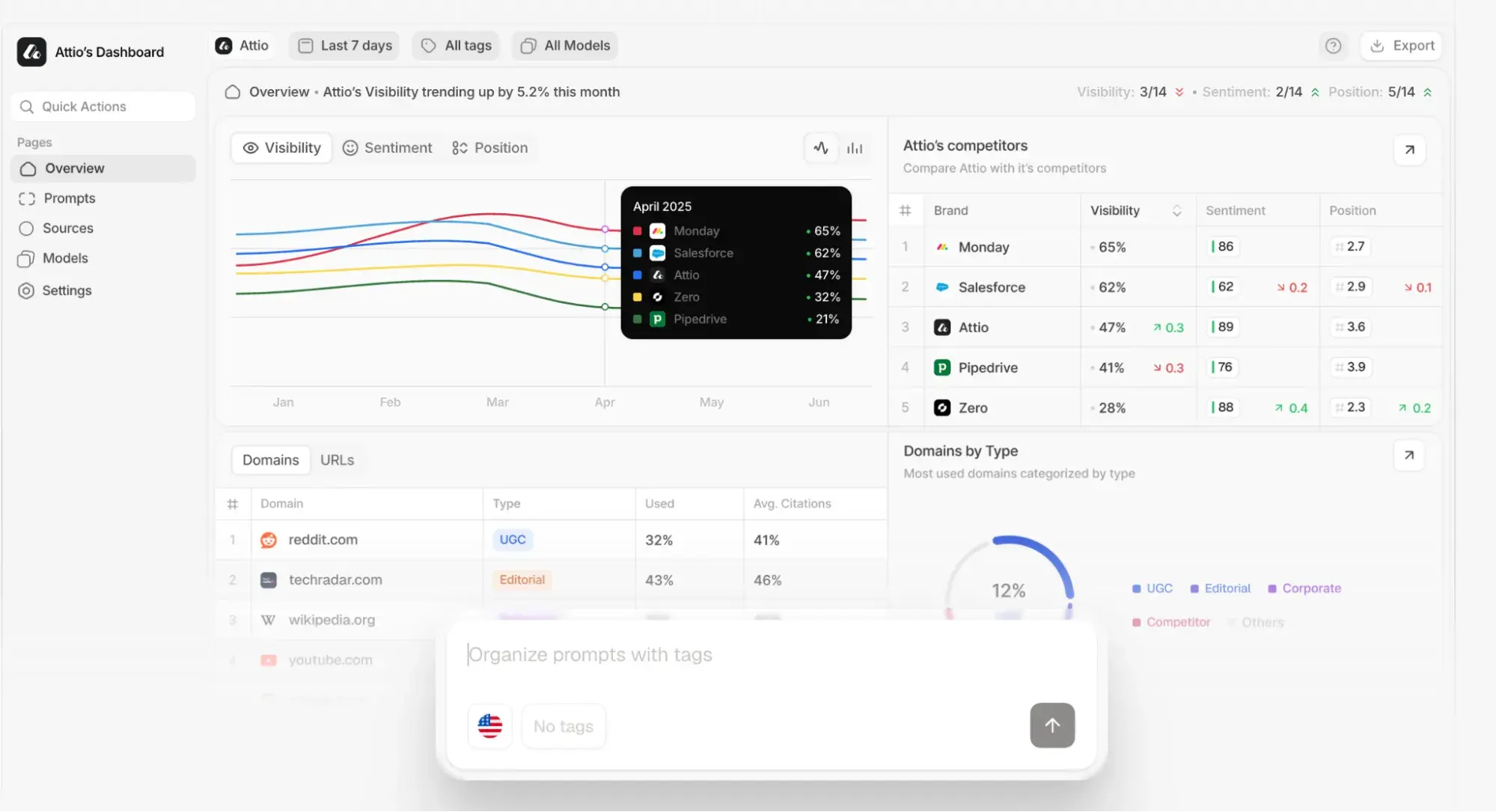
Budgetary considerations also play a significant role. As monitoring programs expand to cover multiple geographies and language models, the costs of legacy subscription models can escalate. Ashot Nanayan, founder of B2BSEO, pointed out during his evaluation process that scaling AI-monitoring add-ons can quickly reach significant monthly expenditures. Consequently, teams are increasingly turning to dedicated AI visibility platforms that offer tiered pricing, allowing them to scale their prompt monitoring based on actual ROI rather than seat-based fees.
Bridging the Gap Between Visibility and Pipeline
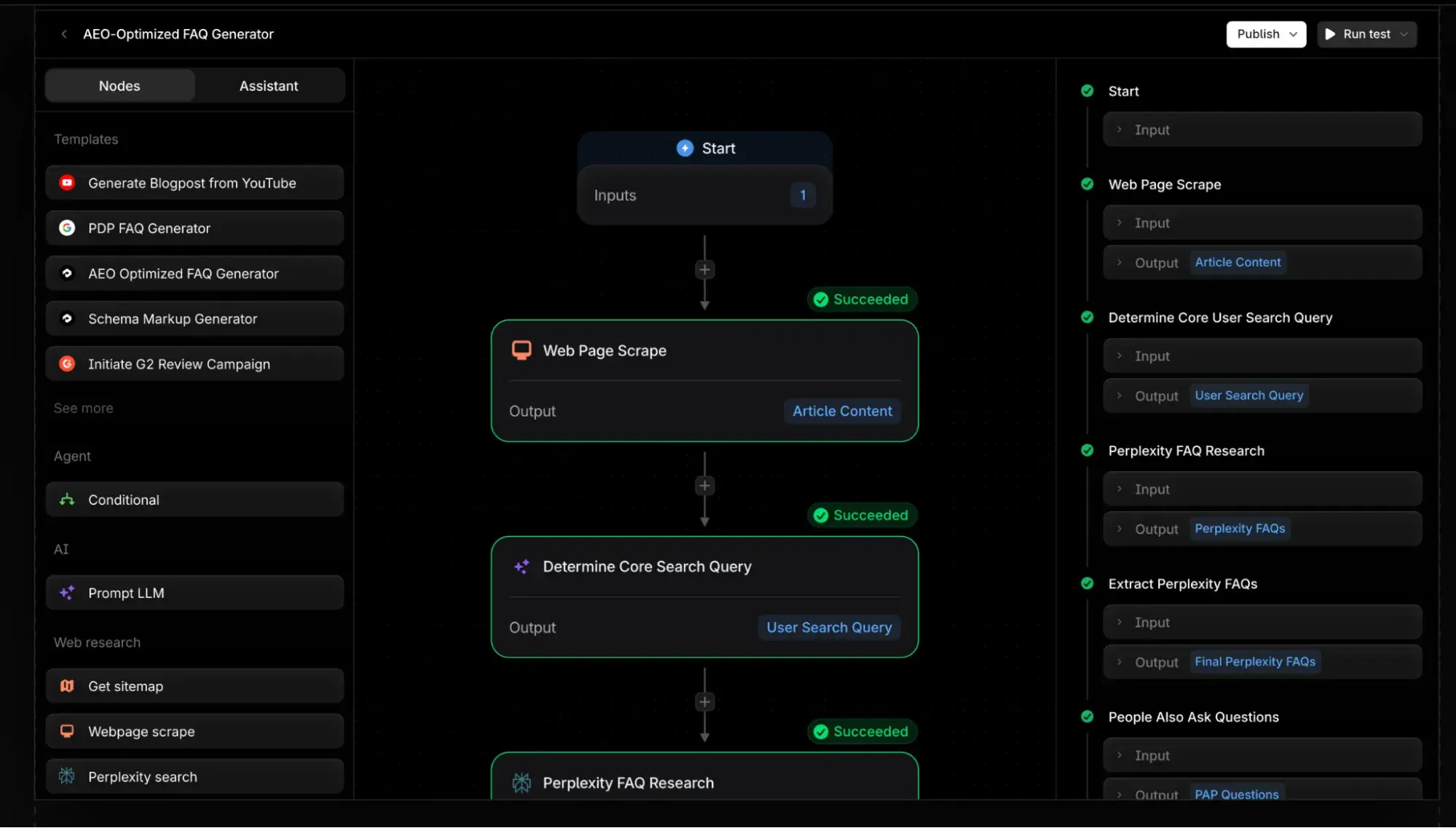
Perhaps the most significant challenge in the current landscape is the "data silo" problem. Marketing leaders are finding that AI visibility data is often trapped in a secondary dashboard, disconnected from the CRM data that tracks lead quality and revenue. Matthew Kinneman of Bully Max emphasizes that visibility without attribution is an incomplete metric. His approach, which is becoming the industry standard, involves integrating AI visibility metrics into the broader customer journey, ensuring that marketing teams can correlate a rise in AI recommendations with actual business outcomes.
Comparative Analysis of Key Market Players
For teams evaluating their options, the market currently offers a diverse range of solutions, each catering to different levels of technical maturity.
- HubSpot AEO: Positioned as a comprehensive solution for companies already invested in the HubSpot ecosystem, this tool integrates AI visibility directly into the CRM. Its ability to turn visibility gaps into prioritized content recommendations makes it a strong contender for teams looking to close the loop between analysis and action.
- Profound: Designed for the enterprise, Profound offers deep-dive analytics into AI-sourced traffic. Its strength lies in its ability to support multiple answer engines, providing a panoramic view of a brand’s presence across the AI landscape.
- Peec AI: This platform excels in collaborative environments. By focusing on project-based organization and unlimited user access, it serves as an effective tool for large content and SEO teams that need to keep stakeholders informed without per-seat pricing constraints.
- Xofu: With a laser focus on bottom-of-the-funnel, high-intent prompts, Xofu is tailored for SaaS companies. It prioritizes the questions that lead to vendor selection, making it an essential tool for competitive positioning.
- Mangools AI Search Grader: Serving as an entry-level diagnostic tool, this provides a free, one-time baseline that helps marketing teams gauge their current standing before committing to a more expensive, continuous monitoring service.
- Morningscore ChatGPT Rank Tracker: For teams heavily reliant on ChatGPT as their primary research channel, this tool provides a specialized focus that integrates seamlessly into a traditional SEO dashboard.
The Role of Evidence in AI Auditing
A recurring theme among top-tier marketing teams is the importance of "auditable evidence." A visibility score is an abstraction; the true value lies in the underlying citation. Modern AEO tools must preserve the exact AI response, the timestamp, the model version, and the cited sources. This level of detail allows teams to perform "citation gap analysis"—essentially identifying which competitor content is being favored by the LLM and why.
When an AI engine recommends a competitor, the ability to see the specific source of that information allows marketing teams to adjust their own content strategy. If a competitor is being cited due to a specific case study or white paper, a marketing team can pivot to create a more authoritative asset, effectively "reclaiming" the citation in future model iterations.
Strategic Implications for Marketing Leadership
As we move toward 2027, the role of the SEO specialist is shifting into that of the "AI Search Strategist." This role requires a blend of data science, content strategy, and traditional PR. The core objective is no longer just "ranking" on a results page, but "influencing" the answer provided by the machine.
For marketing leaders, the imperative is to integrate these tools into the broader analytics framework. The 2026 State of Marketing report from HubSpot suggests that data fragmentation remains a top barrier to success. Therefore, the selection of an AEO tool should be guided by its ability to integrate with existing business intelligence stacks. If a tool cannot export data into a format that can be compared against pipeline data in a BI tool like Tableau or Looker, its utility is inherently limited.
Future-Proofing the Measurement Program
Implementing an effective AEO program requires a five-step disciplined approach:
- Foundation: Integrate AI metrics into the existing reporting dashboard.
- Governance: Standardize the library of prompts used across the organization to ensure data consistency.
- Validation: Use multi-run quality assurance to account for the stochastic nature of LLM responses.
- Archiving: Build a repository of historical responses to track long-term shifts in AI sentiment.
- Iteration: Pilot the strategy with a small, high-impact set of prompts before scaling to a full-market monitor.
In conclusion, the shift toward AI-centric research is not merely a technical trend; it is a fundamental change in buyer behavior. Brands that fail to track their visibility in the "Answer Economy" risk becoming invisible to a growing segment of high-intent buyers. By selecting the right AEO partner and focusing on the actionable insights that connect visibility to revenue, marketing teams can secure their position in the new era of search. The tools mentioned above—ranging from free diagnostics to enterprise-grade platforms—provide the necessary infrastructure to begin this transition, ensuring that brands remain both visible and relevant in the eyes of the AI engines that power modern commerce.