The Comprehensive Guide to Modern Referral Marketing: Driving Customer Acquisition through Data and Trust in 2026


Referral marketing has emerged as a cornerstone of modern customer acquisition, formalizing traditional word-of-mouth into a trackable, scalable program that leverages unique links, defined rewards, and measurable conversion data. In an era where digital advertising costs continue to climb and consumer skepticism toward traditional media is at an all-time high, businesses are increasingly turning to their existing customer base to fuel growth. Industry data suggests that referred customers are approximately 16% more valuable over their lifetime than those acquired through other channels, making this strategy not just a marketing tactic, but a fundamental economic driver for sustainable business scaling.

The Economic Foundations of Referral Marketing
The efficacy of referral marketing is rooted in three measurable pillars: increased lifetime value, reduced acquisition costs, and the structural transfer of trust. According to a 2024 study published in the Journal of Marketing Research, referred customers do not merely spend more; they are significantly more likely to become advocates themselves. The research indicates that referred customers make 31% to 57% more referrals of their own compared to customers acquired via paid search or social media. Analysts suggest that firms failing to account for these "downstream referrals" often undervalue the total impact of a single referral by as much as 20% to 36%.
From a cost perspective, referral programs offer a stark advantage over traditional paid channels. Benchmarks from major software vendors indicate that the Customer Acquisition Cost (CAC) for referred users is typically 25% to 50% lower than that of paid advertising. This efficiency is driven by the "trust transfer" that occurs when a personal connection recommends a brand. Unlike a cold advertisement, a referral arrives with an inherent endorsement, bypassing initial consumer resistance and accelerating the sales cycle.
A Chronology of Success: From Early Fintech to Modern SaaS
The evolution of referral marketing can be traced through several landmark campaigns that redefined how brands interact with their users. In the early days of the digital economy, PayPal utilized a pure cash-incentive model, offering $10 to both the referrer and the referee. While expensive, this move was justified by a massive Lifetime Value (LTV), as each new account represented hundreds of dollars in future transaction fees.
Following this, Dropbox revolutionized the "in-product" reward system. Rather than offering cash, Dropbox rewarded users with extra cloud storage space—the very utility the product provided. This ensured that the reward appealed specifically to active users and incentivized continued engagement with the platform.
By the mid-2010s, Tesla introduced milestone-based rewards, moving away from monetary discounts toward high-status prizes, such as the chance to win a new vehicle or gain exclusive access to events. This signaled a shift in the industry toward "advocacy marketing," where the reward matches the customer’s emotional connection to the brand. In 2026, these strategies have converged into sophisticated, multi-tiered programs used by companies like Robinhood and Airbnb, which utilize pre-launch waitlists and aggressive re-engagement loops to maintain viral coefficients.
The Psychology of the Referral: Reciprocity and Trust
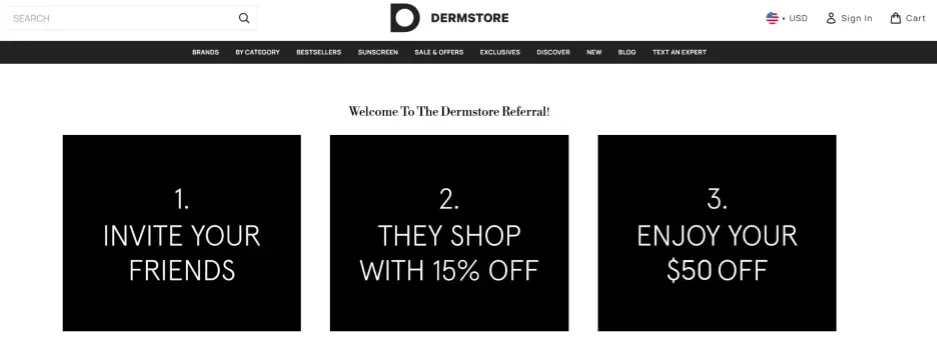
The success of these programs is often explained through the lens of behavioral economics, specifically the principle of reciprocity popularized by Robert Cialdini. When a brand offers a "double-sided" reward—providing a benefit to both the existing customer and the friend they invite—it creates a sense of fairness. This structure consistently outperforms single-sided programs in split tests, as it removes the "social tax" or the feeling that a customer is profiting at a friend’s expense.
Furthermore, consumer trust remains the most potent currency in marketing. A 2021 Nielsen Trust in Advertising study revealed that 88% of global respondents trust recommendations from people they know more than any other channel. By formalizing this process, brands are essentially scaling the most trusted form of communication available in the marketplace.
Structural Framework: Eight Steps to Program Implementation
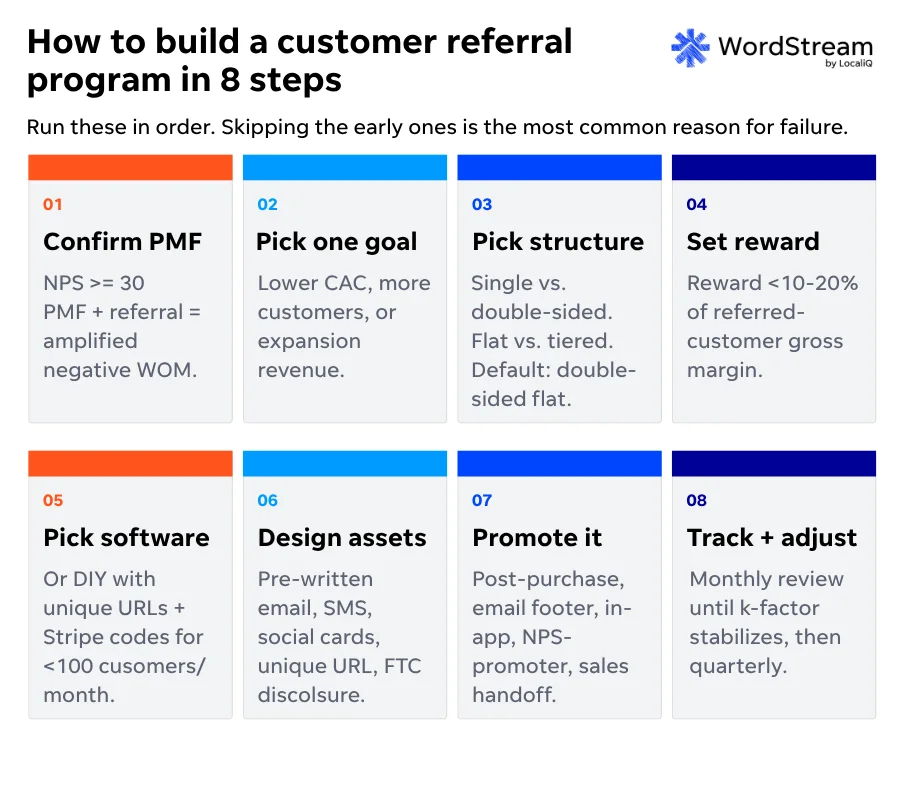
Building a high-performing referral program requires a disciplined, eight-step approach to ensure the system is an amplifier of value rather than a drain on resources.
- Confirm Product-Market Fit: Before launching a program, companies must ensure a positive Net Promoter Score (NPS). Referral marketing is an amplifier; if the product is flawed, the program will merely accelerate the spread of negative sentiment.
- Define a Primary Goal: Objectives typically fall into three categories: lowering CAC, increasing the raw volume of new customers, or driving expansion revenue.
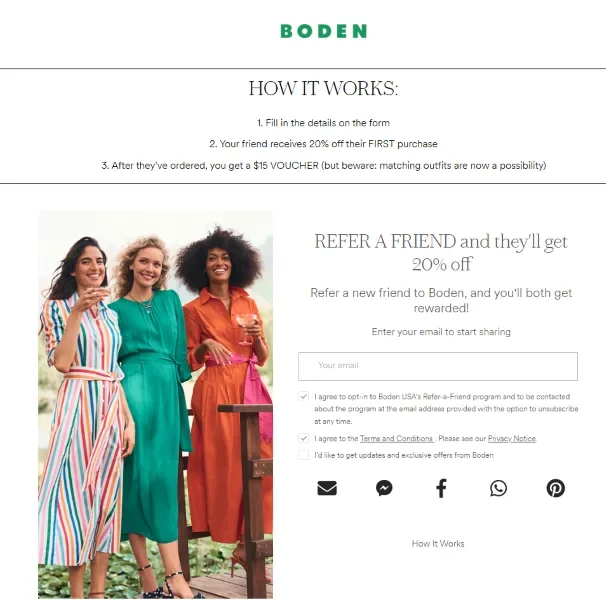
- Select Reward Structure: While double-sided rewards are the industry standard, businesses must decide between cash, store credit, discounts, or exclusive access.
- Calculate Incentive Math: Rewards should generally not exceed 10% to 20% of the referred customer’s gross margin to ensure the program remains profitable.
- Choose the Technology Stack: Whether using a DIY approach with unique URL parameters or an enterprise-grade platform, the software must integrate seamlessly with existing CRM and billing systems.
- Design Compliant Assets: This includes creating shareable links, email templates, and social media copy that include mandatory legal disclosures.
- Strategic Promotion: Successful programs are surfaced at "high-trust" moments, such as immediately following a successful purchase or a positive customer support interaction.
- Monthly Performance Review: Constant optimization of the "share-to-conversion" rate is essential for maintaining the program’s ROI.
Diverse Program Architectures
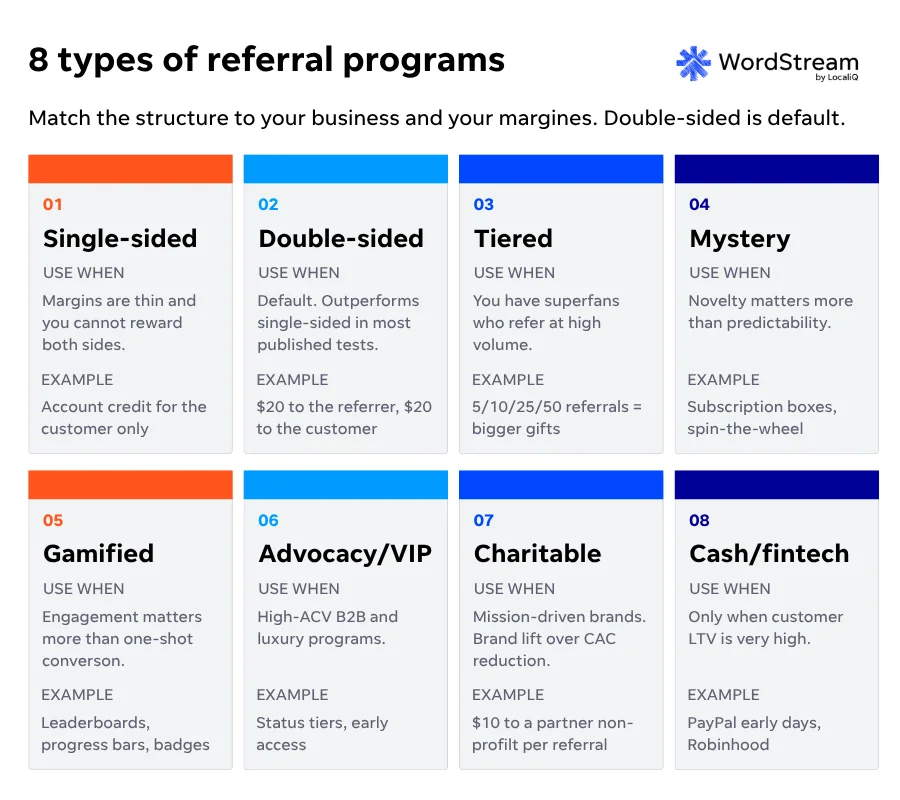
Market observers note that there is no one-size-fits-all model for referral marketing. Eight distinct structures have become prevalent in 2026:
- Single-Sided: Only the referrer receives a reward.
- Double-Sided: Both parties benefit, maximizing the participation rate.
- Tiered/Milestone: Rewards increase as the user reaches higher referral counts (e.g., Harry’s grooming).
- Mystery Rewards: Gamified elements where the reward value is randomized to encourage repeat sharing.
- Advocacy/VIP: Rewards are based on status and early access rather than monetary value (e.g., Tesla).
- Charitable: A donation is made to a cause in the names of the participants.
- Gamified: Utilizing leaderboards and badges to foster competition.
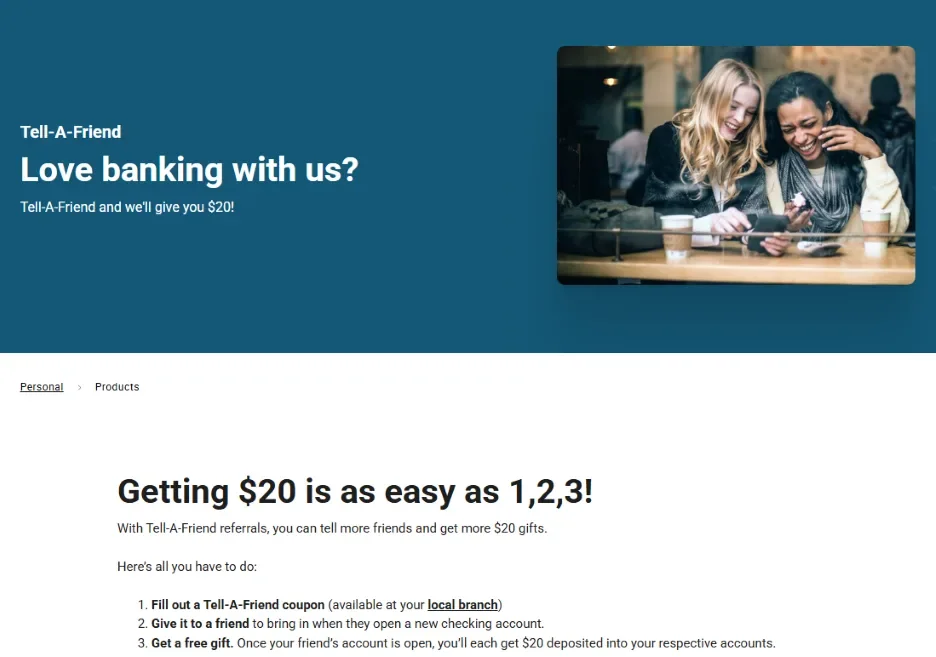
- Cash-Back: Direct monetary transfers, common in fintech and high-LTV sectors like banking.
The Regulatory Landscape: FTC Compliance and Legal Obligations
As referral marketing has become more pervasive, regulatory oversight has tightened significantly. The Federal Trade Commission (FTC) in the United States, through its updated Endorsement Guides, requires "clear and conspicuous" disclosure of any material connection between a brand and an endorser. This includes referral rewards such as discounts, store credit, or free products.
The 2023 and 2024 updates to these guides have increased the stakes for non-compliance. Civil penalties for failing to disclose a paid relationship can now reach five figures per violation. To remain compliant, brands must ensure that the share copy provided to customers includes a clear statement of the incentive. For example, a link shared via SMS should explicitly state that the sender receives a credit if the recipient makes a purchase. Legal experts warn that industries such as healthcare and financial services face even stricter regulations, including HIPAA and state-level anti-kickback statutes, which may prohibit certain types of referral incentives entirely.
Metrics for Success: Beyond the Viral Loop
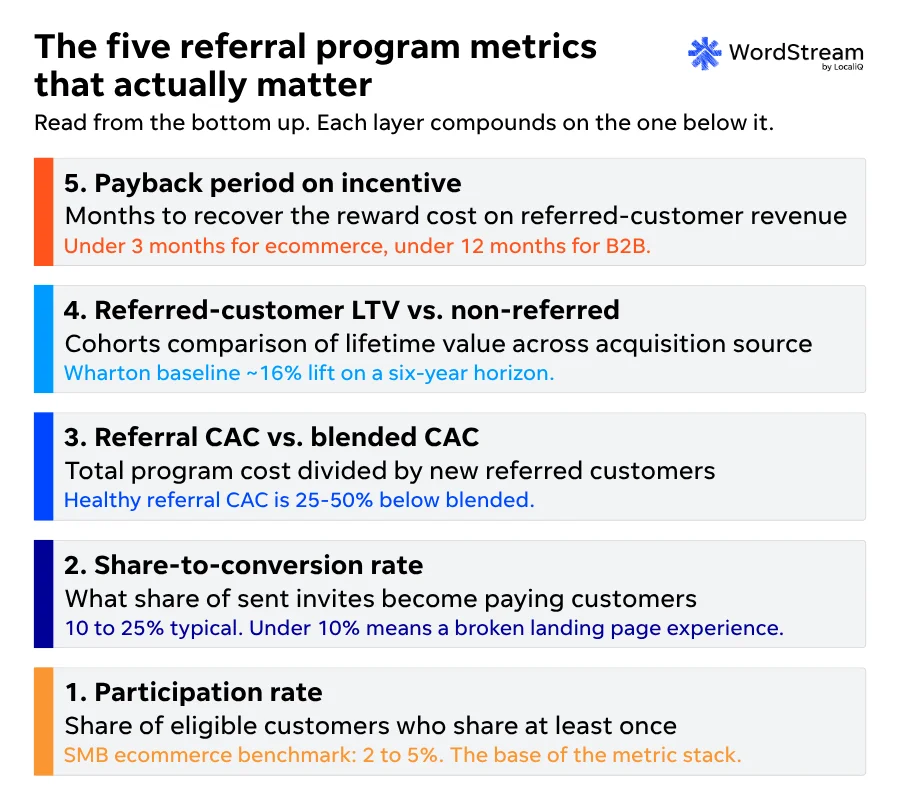
To evaluate the health of a referral program, analysts point to five critical metrics:

- Participation Rate: The percentage of eligible customers who share their link at least once.
- Share-to-Conversion Rate: The efficiency of the referral link in turning a prospect into a customer.
- Referral CAC vs. Blended CAC: Comparing the cost of the referral program against other acquisition channels.
- Referred-Customer LTV: Measuring the long-term value of these users compared to the general population.
- K-Factor (Viral Coefficient): Calculated as the number of invites per user multiplied by the conversion rate. While a K-factor greater than 1 indicates exponential growth, most sustainable businesses operate effectively with a K-factor between 0.1 and 0.5.
B2B vs. B2C: Navigating Different Funnels
A common pitfall in referral marketing is the failure to distinguish between Business-to-Consumer (B2C) and Business-to-Business (B2B) dynamics. B2C programs typically focus on high-volume, low-friction interactions with immediate rewards. In contrast, B2B referral programs often involve longer sales cycles and higher contract values.
In the B2B sector, rewards are frequently tied to pipeline stages—such as a reward for a qualified demo rather than just a final sale. Integration with CRM systems like Salesforce or HubSpot is critical for B2B programs to ensure that sales representatives can track the origin of a lead and provide a "warm handoff." For enterprise-level accounts, a referral motion often functions more like a formal partner program than a simple "refer-a-friend" widget.
Conclusion: The Strategic Imperative
Referral marketing is no longer a passive "nice-to-have" feature but a sophisticated engine for growth that requires active management and data-driven optimization. By aligning incentives with product value and maintaining transparency through proper legal disclosures, businesses can build a resilient acquisition channel that thrives on customer satisfaction. As the digital landscape becomes increasingly crowded, the ability to turn a customer base into a volunteer sales force remains one of the most powerful competitive advantages available to modern enterprises.