Mastering Power Query: A Deep Dive into Data Transformation for Modern Professionals

The landscape of data analysis and business intelligence is increasingly dominated by the need for efficient and accurate data preparation. In this context, Microsoft’s Power Query has emerged as an indispensable tool, empowering professionals to extract, transform, and load data with unprecedented ease and automation. A comprehensive course focusing on "Power Query Fundamentals" offers a vital pathway for individuals seeking to enhance their data handling capabilities and drive more impactful insights. This program is designed not only for those already immersed in data analysis but also for aspiring professionals aiming to build a solid foundation in business intelligence and quantitative fields.
The Imperative of Data Transformation
In today’s data-driven world, raw data is rarely in a format suitable for immediate analysis. The process of cleaning, shaping, and integrating data from disparate sources—often referred to as Extract, Transform, Load (ETL) or data wrangling—can be incredibly time-consuming and prone to errors. Power Query, integrated within Microsoft Excel and Power BI, provides a powerful, visual interface that significantly streamlines this critical phase of the data lifecycle. It allows users to connect to a vast array of data sources, from simple spreadsheets to complex databases and cloud services, and then apply a series of transformations without the need for extensive coding. This democratization of data preparation empowers a wider range of users to become proficient in handling their data, freeing up valuable time for actual analysis and strategic decision-making.
The "Power Query Fundamentals" course delves into the core functionalities that make this tool so effective. Participants are guided through the essential techniques for data extraction, learning how to pull information from various origins. A significant portion of the curriculum is dedicated to common data transformation methods, equipping learners with the skills to clean messy datasets, restructure them for analytical purposes, and ensure data integrity. This focus on making data "analysis-ready" is paramount, as the quality of insights derived is directly proportional to the quality of the input data. By mastering these foundational skills, professionals can transform a traditionally laborious task into an efficient, often automated, workflow.
Real-World Applications and Automation
Beyond the theoretical underpinnings, the course emphasizes practical application through real-world scenarios. This includes mastering the automation of data connections, a crucial aspect for maintaining up-to-date reports and dashboards. Learners will explore how to consolidate data from multiple files, a common challenge for businesses dealing with fragmented data repositories. Furthermore, the curriculum addresses the inevitable hurdles encountered in data preparation, providing effective troubleshooting strategies for common issues. This hands-on approach ensures that participants are not just learning the mechanics of Power Query but are also developing the problem-solving skills necessary to navigate complex data challenges.
The target audience for this course is broad, encompassing both Excel-centric analysts who are looking to enhance their analytical capabilities and Business Intelligence (BI) professionals who need to build robust data pipelines. The skills acquired are transferable across various industries and roles, from finance and marketing to operations and research. The ultimate goal is to enable individuals to dedicate more of their time to deriving actionable insights and strategic recommendations, rather than getting bogged down in the minutiae of data manipulation.
Who Benefits from Power Query Fundamentals?
The "Power Query Fundamentals" course is particularly well-suited for individuals who aspire to build a strong understanding of Business Intelligence. It serves as a foundational stepping stone for those embarking on careers in data analysis, quantitative analysis, business intelligence, or other finance-related fields. By equipping learners with the essential knowledge of Power Query, the course prepares them for the demands of modern data-centric roles.
The skills learned are not confined to a single software or platform. Power Query is readily available in most contemporary versions of Microsoft Excel and Microsoft Power BI. For users to confirm its availability in their specific software version, Microsoft provides a detailed guide. This accessibility means that individuals can often leverage existing software to acquire and apply these valuable data transformation skills.
Key Learning Objectives
The "Power Query Fundamentals" course is structured to provide a comprehensive understanding of the tool, covering a range of essential topics:
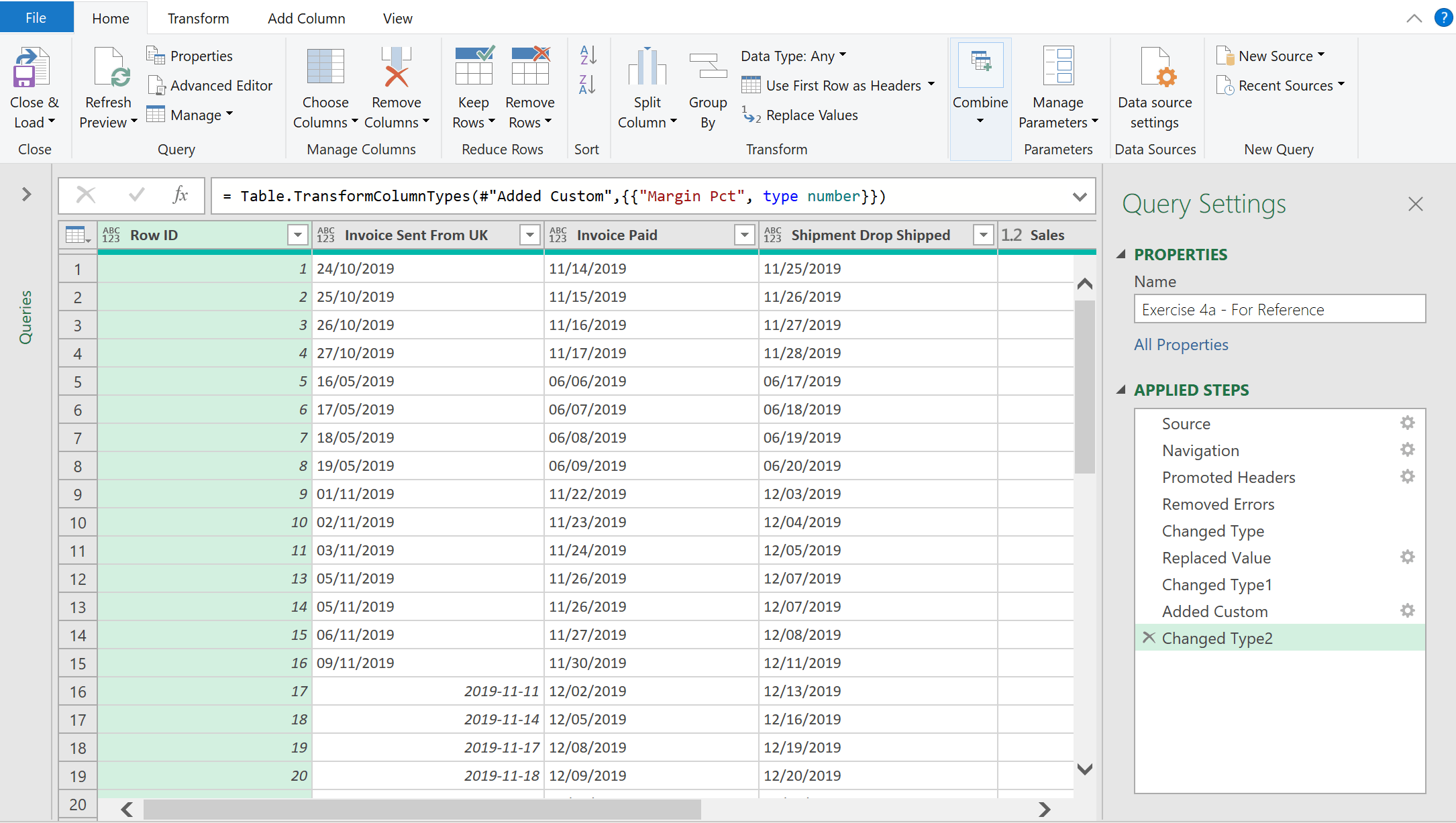
- Getting Started: Understanding the Power Query interface, its core components, and the initial steps of connecting to data sources.
- Basic Transformations: Learning fundamental data manipulation techniques such as filtering, sorting, removing columns, changing data types, and renaming columns.
- Extracting Information: Mastering techniques to import data from various sources, including text files, CSVs, Excel workbooks, databases, and web pages.
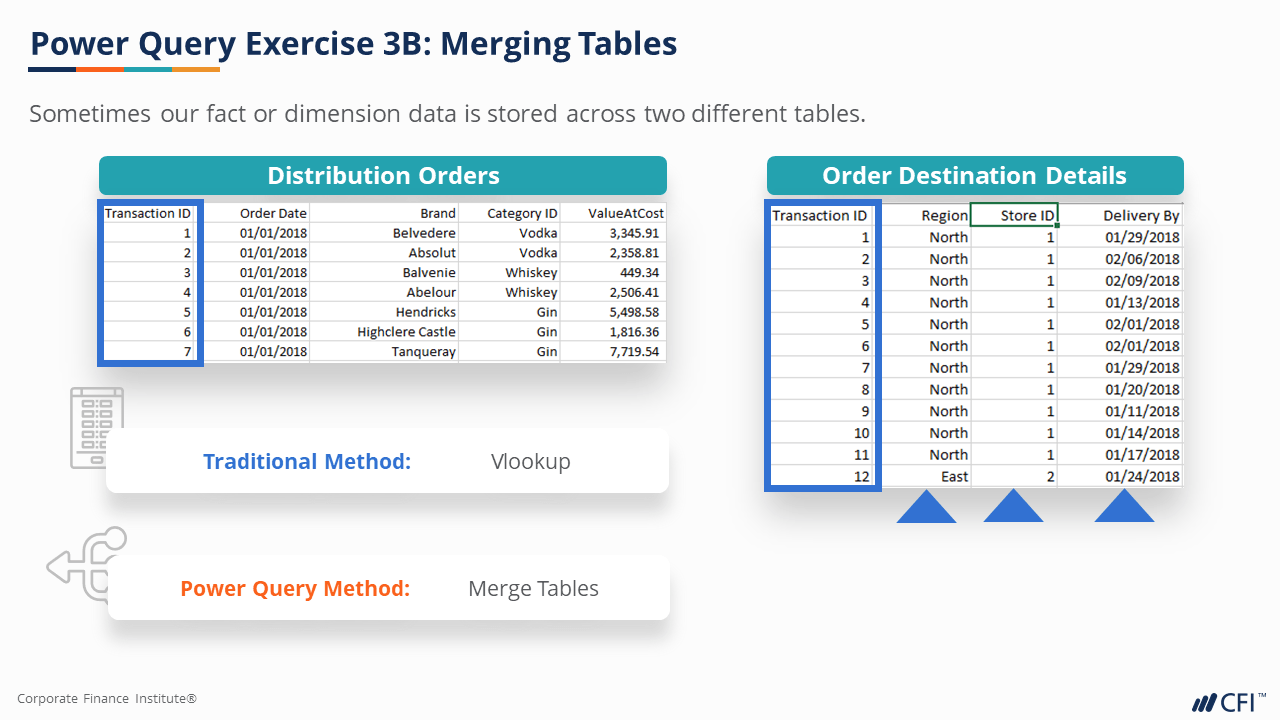
- Consolidating Data: Developing strategies to combine data from multiple tables or files into a single, unified dataset.
- Dealing with Errors: Identifying and resolving common data errors, handling missing values, and implementing robust error-checking mechanisms.
- Course Summary: Reviewing key concepts and best practices covered throughout the program.
- Qualified Assessment: Evaluating acquired knowledge through practical exercises and tests.
While the course aims to be accessible, a basic familiarity with Microsoft Excel is generally recommended. This includes an understanding of spreadsheets, basic formulas, and data organization principles. While not strictly mandatory, prior exposure to data analysis concepts can also be beneficial, though the course is designed to build this knowledge from the ground up.
Career Pathways Enhanced by Power Query Proficiency
The expertise gained in Power Query is highly sought after across a multitude of professional certifications and specializations. The "Power Query Fundamentals" course serves as a critical component for several advanced programs offered by institutions like the Corporate Finance Institute (CFI).
One significant pathway is the Business Essentials Certificate. This broad certification equips individuals with a wide range of fundamental business skills, and proficiency in data handling through Power Query is a cornerstone for modern business operations.
For those aiming for specialized roles, the Data Analysis in Excel Specialization heavily relies on Power Query as the primary tool for data preparation within the Excel environment. This specialization prepares individuals for roles that require deep analytical capabilities using one of the most ubiquitous business software suites.
Similarly, the Business Intelligence Analyst Specialization integrates Power Query as a fundamental skill for building data models and dashboards in tools like Power BI. This specialization focuses on transforming raw data into actionable insights that drive strategic business decisions.
Furthermore, professionals in Financial Planning & Analysis (FP&A) often find Power Query to be an invaluable asset. The ability to efficiently gather and clean financial data from various systems is crucial for accurate forecasting, budgeting, and performance analysis. Mastering Power Query directly enhances an FP&A professional’s ability to deliver timely and reliable financial insights.
The inclusion of this course within these broader programs underscores the fundamental importance of data transformation skills in today’s professional landscape. It highlights how proficiency in Power Query is not just a standalone skill but a foundational element that underpins success in various data-centric and analytical career paths.
Testimonials: Real-World Impact of Power Query Training
The effectiveness of such training is often best illustrated by the experiences of those who have completed it. Feedback from participants of "Power Query Fundamentals" courses consistently highlights the practical value and transformative impact of the skills acquired.
One participant, Emmanuel Kwame Okyere, described the learning experience as "amazing" and encouraged continued excellence. Ayodeji Paul Owoeye found the course provided a "clearer and fundamental understanding of power query," noting that the "examples used will prepare you for real life scenarios." This sentiment is echoed by Emanuele Ghidoni, who found the lessons to be "clear and practical," deeming it a "very useful course for daily work!" Victor Joshua Adeoye praised the platform’s ease of use and the "smooth teaching," making the experience "very awesome."
These testimonials collectively emphasize the course’s ability to demystify a powerful tool, provide practical, real-world applicability, and enhance users’ confidence in handling their data. The emphasis on clear instruction and relatable examples appears to be a key factor in its success, enabling individuals to translate theoretical knowledge into tangible improvements in their daily work.
Frequently Asked Questions: Addressing User Concerns
A robust understanding of a course’s practicalities is crucial for potential learners. Frequently asked questions surrounding Power Query courses often revolve around technical requirements, accessibility of materials, and career advancement.
Technical Requirements: For most Power Query courses, the primary technical requirement is access to a PC or Mac with Microsoft Office Suite (2016 or newer) or Power BI installed, along with a stable internet connection. This low barrier to entry ensures that a wide audience can participate. Microsoft’s official documentation provides detailed information on where Power Query is available.
Downloadable Materials: A significant benefit often highlighted is the availability of downloadable Excel files and financial modeling templates. These resources are invaluable for hands-on practice and for applying learned concepts to real-world scenarios. Learners can typically find these within the course dashboard under a "Downloadable Files" section.
Course Duration and Access: Most online courses offer flexible, self-paced learning with extended access, often on a yearly subscription basis. This allows individuals to learn at their own pace without the pressure of strict deadlines, accommodating busy professional schedules.
Accreditation and Professional Development: Reputable institutions offering such courses are often accredited by recognized bodies, such as the Better Business Bureau, and may offer Continuing Professional Education (CPE) credits for certified professionals like CPAs. This adds significant value for career development.
Course Pricing and Currency: Courses are typically priced in USD, with major credit and debit cards accepted for payment. Understanding the pricing structure and payment options is essential for enrollment.
Exam Process: Course completion usually involves passing an online assessment comprising multiple-choice questions, fill-in-the-blanks, and practical Excel-based questions. A passing score, often 80% or higher, is required to earn a certificate. These exams are generally repeatable to ensure mastery.
Instructor Support: While many courses are designed for self-study, varying levels of support are often available. Some programs offer general or technical email assistance, while premium bundles might include direct communication with in-house experts for course content-related queries.
Career Advancement: The practical nature of Power Query training is consistently linked to career advancement. By simulating professional environments and equipping learners with in-demand skills, these courses are designed to directly impact job performance and career trajectory. Many institutions also provide supplementary resources, such as free career libraries, to further support professional growth.
Refund Policy: It is important for prospective students to be aware of the refund policy, which typically states that payments are non-refundable, though access to content remains until the end of the current billing cycle.
By addressing these common queries, educational providers aim to offer transparency and build confidence among potential learners, ensuring they can make informed decisions about their professional development. The "Power Query Fundamentals" course, therefore, stands as a critical offering for anyone looking to thrive in the evolving data landscape.