Small businesses today operate in an intensely competitive digital environment where visibility is paramount. While a plethora of Search Engine Optimization (SEO) tools exist, the unique challenges faced by small enterprises – notably limited resources and constrained budgets – necessitate a strategic approach to selecting a tech stack. The objective is to identify solutions that deliver a competitive edge in search rankings without incurring prohibitive costs. This selection process is not merely advantageous but, for many, has become non-negotiable for sustained growth.
The Indispensable Role of SEO in Small Business Strategy
Recent data underscores the critical importance of a robust online presence. According to HubSpot’s State of Marketing report, a significant 50% of small businesses identify their website, blog, and SEO as their most leveraged marketing channels. This highlights organic search as a primary driver of growth, making the acquisition and effective utilization of the right SEO tools an absolute necessity. The digital landscape is continuously evolving, with search engine algorithms becoming more sophisticated and user expectations for instant, relevant information growing. For small businesses, lagging in SEO can translate directly into lost opportunities, reduced brand visibility, and ultimately, hindered revenue growth.

The journey to digital prominence requires more than just a website; it demands a well-orchestrated strategy supported by an appropriate suite of tools. This guide aims to equip business owners and their SEO teams with the insights needed to make informed decisions, outlining criteria for tool selection and presenting a categorized breakdown of essential SEO software, including both free entry-points and scalable paid solutions.
Evolution of Search and the Modern SEO Imperative
The realm of search engine optimization has undergone a profound transformation since its early days. What began as a relatively simple process of keyword stuffing and basic link acquisition has matured into a multi-faceted discipline encompassing technical infrastructure, content quality, user experience, and sophisticated analytics. The late 2010s saw a significant shift towards semantic search, user intent, and mobile-first indexing, fundamentally changing how content is created and optimized. More recently, the advent of Artificial Intelligence (AI) in search, epitomized by Google’s AI Overviews and the rise of conversational AI tools like ChatGPT and Perplexity AI, introduces a new layer of complexity and opportunity: Answer Engine Optimization (AEO). This ongoing evolution means that an SEO tech stack must be adaptable, capable of addressing current best practices while also future-proofing against emerging trends.
Crafting Your SEO Tech Stack: A Goal-Oriented Approach
The "best" SEO tool is not a universal constant; it is deeply contextual, dependent on a business’s specific growth goals, available budget, and team skill level. Rather than adopting a one-size-fits-all mentality, decision-makers should establish clear criteria to guide their selection process.
1. Define Growth Goals:
The immediate objectives of a business are the primary determinant of its tool requirements.
- Launching a New Website: Prioritize auditing tools to establish a performance benchmark and identify initial growth opportunities.
- Boosting Organic Conversions: Focus on robust keyword research and content optimization platforms to attract high-intent traffic.
- Addressing Visibility/Ranking Declines: A technical SEO audit tool becomes crucial for diagnosing and rectifying underlying issues.
- Dominating Local Markets: Specialized local SEO and Google Business Profile management tools are essential.
- Demonstrating ROI to Stakeholders: Emphasize analytics and reporting tools that can clearly link SEO efforts to business outcomes.
2. Match Tools to SEO Categories:
SEO is broadly categorized into on-page, technical, and backlinking. Each pillar demands specific functionalities. For small businesses, seeking tools that offer overlapping capabilities across multiple functions can be a cost-effective strategy.
- Keyword Research: Identifying search queries and user intent.
- Technical SEO & Site Audit: Ensuring website crawlability, indexability, and performance.
- Content Optimization & On-Page SEO: Crafting high-quality, relevant content that satisfies user intent.
- Backlink Research & Outreach: Building authoritative links to enhance domain authority.
- Rank Tracking: Monitoring keyword positions over time.
- Local SEO: Optimizing for local search results.
- Analytics & Reporting: Measuring performance and demonstrating impact.
A pragmatic approach involves initially investing in tools that directly support current growth goals, then gradually expanding the tech stack as needs evolve and budgets allow.
3. Prioritize Ease of Use and Integration:
A powerful tool is only effective if it’s actually used. Small teams benefit immensely from intuitive interfaces, minimal learning curves, and seamless integration with existing marketing and CRM platforms. Tools that offer guided recommendations, clear explanations of findings, and automated workflows are particularly valuable for teams with limited dedicated SEO expertise.
4. Strategic Budget Allocation: Free vs. Paid Solutions:
Budget constraints are a significant factor. Many excellent free tools can provide a solid foundation, especially for businesses just starting. However, as operations scale and data demands grow, paid solutions often become necessary to overcome the limitations of free alternatives.
- Start Free: Ideal for learning basics, initial reporting, or single-function needs (e.g., Google Search Console for basic rank tracking).
- Go Paid: Necessary when deeper data, advanced features (competitor insights, complex segmentation), guided recommendations, or multi-page/multi-location management are required. Crucially, if the SEO team is actively using a free tool and finding its limitations hinder progress, it’s time to consider an upgrade.
Before any investment, a thorough audit of the existing tech stack is crucial to avoid redundant subscriptions. Overlap in functionality can lead to unnecessary expenditure and fragmented workflows.
Building a Foundational Tech Stack: Essential Free Tools
For small businesses embarking on their SEO journey, a suite of free tools provides an accessible and robust starting point. These often serve as the bedrock upon which more specialized paid solutions can be layered.
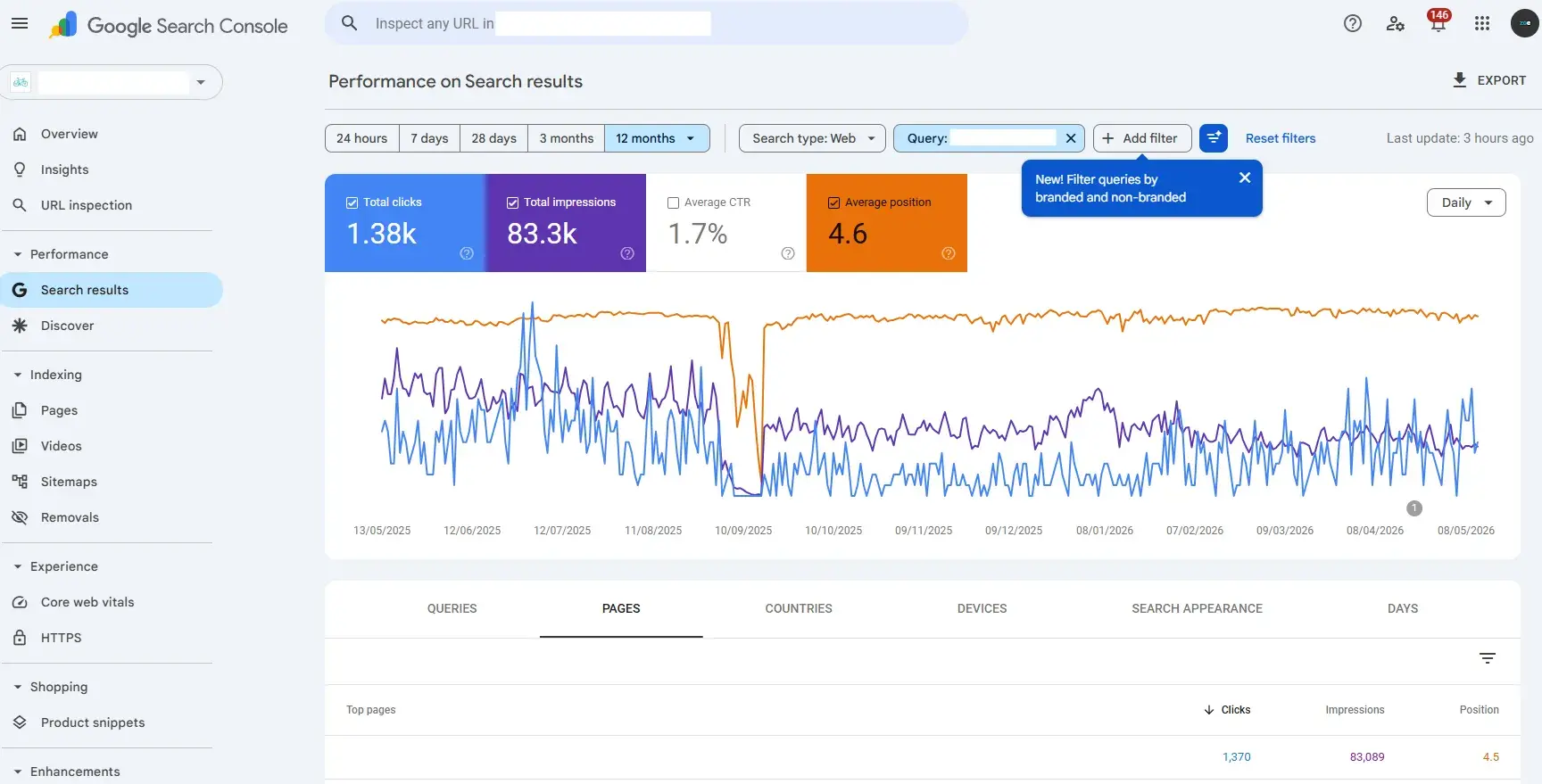
- Google Search Console (GSC): An absolute must-have for all businesses, GSC offers first-party data directly from Google. It provides invaluable insights into search queries, indexing status, and site performance. Its "Average Position" metric, while a historical average, offers a strong indication of keyword rankings, enabling businesses to monitor trends and identify pages needing attention.
- Google Analytics 4 (GA4): The standard for website analytics, GA4 tracks user behavior, providing critical context to ranking data. It reveals how visitors find the site, what pages they engage with, and conversion paths, making it indispensable for understanding the impact of organic traffic beyond mere rankings.
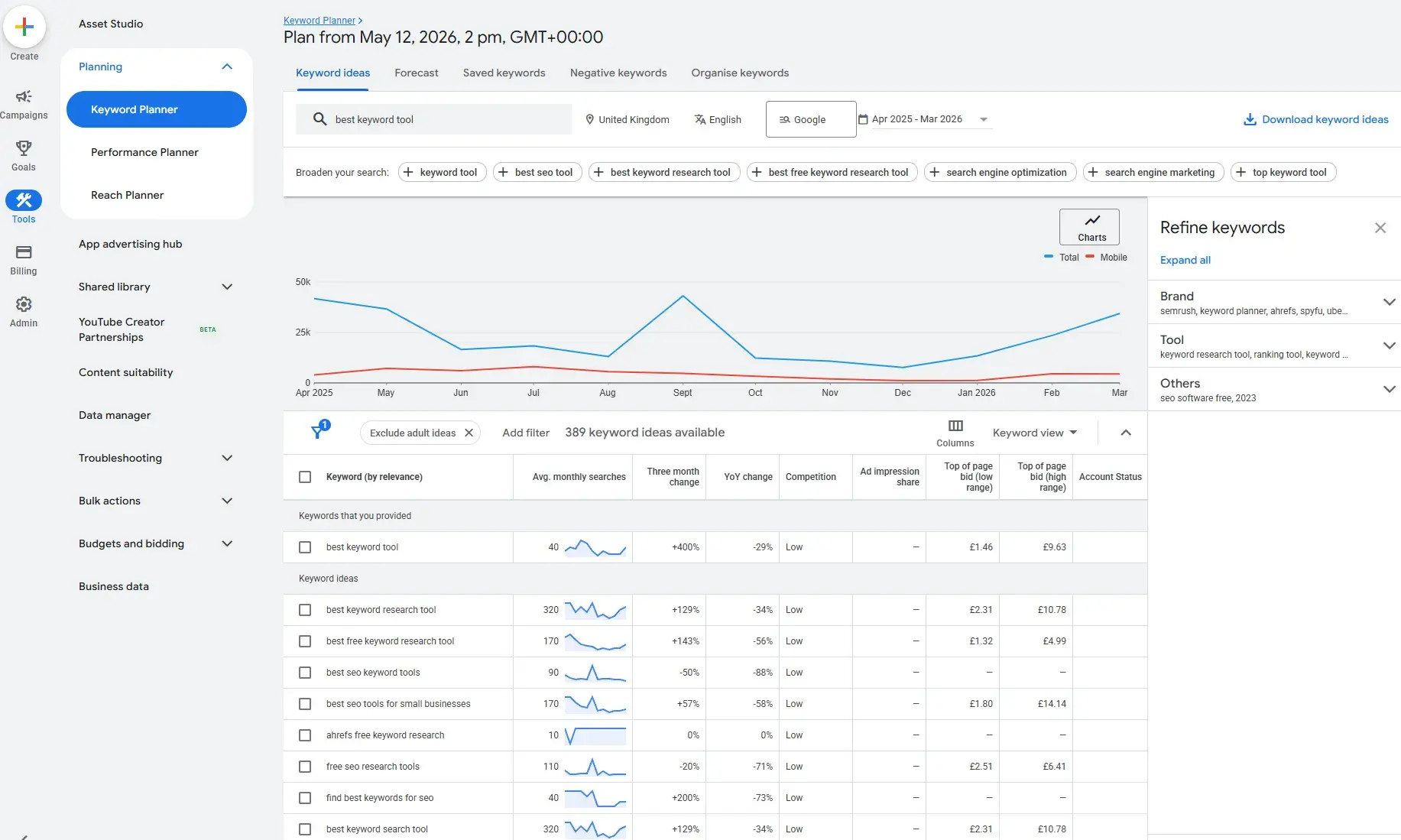
- Google Keyword Planner: A free tool within Google Ads, it provides keyword ideas, monthly search volume ranges, and competition data. While primarily designed for paid search, its keyword insights are directly transferable to SEO strategy, offering a no-cost entry point for keyword research. Users simply need to set up (and then pause) a Google Ads campaign to access it.
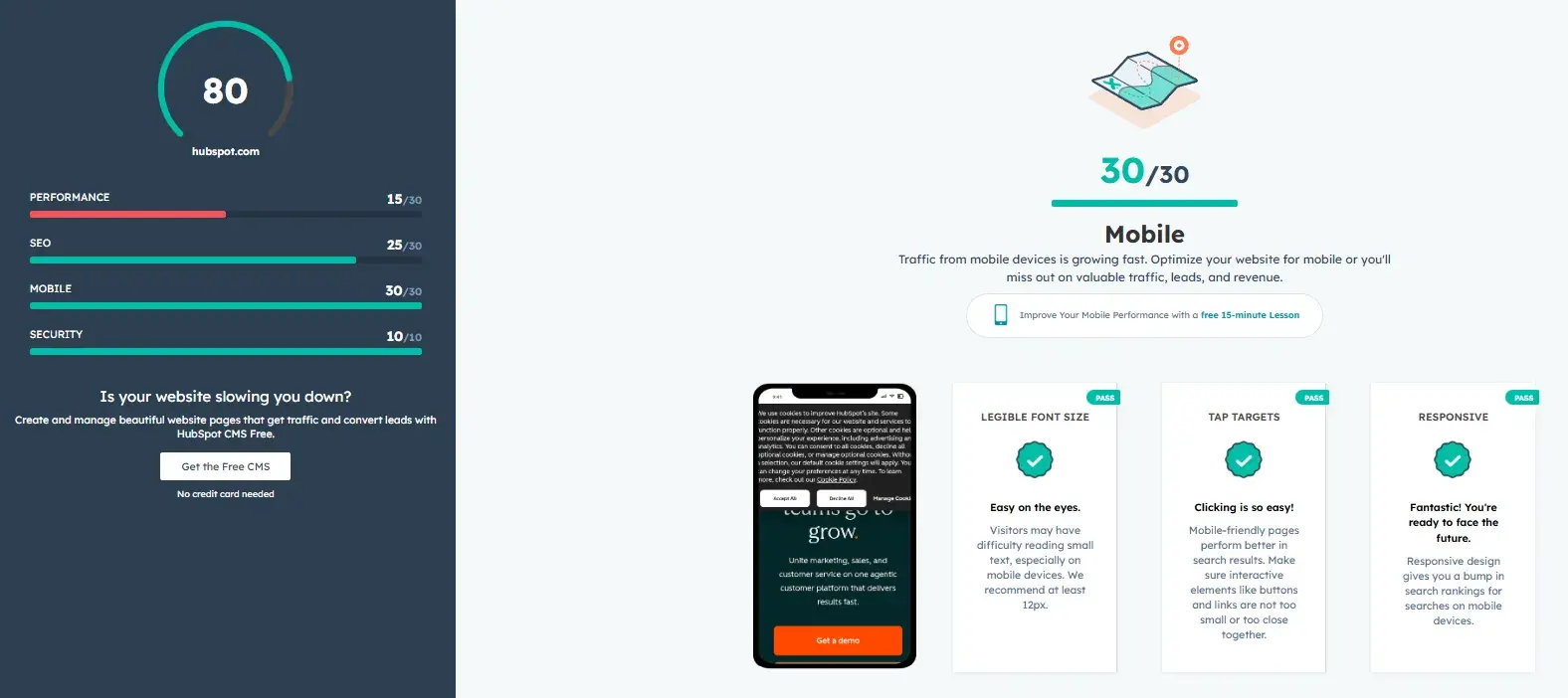
- HubSpot Website Grader: This free tool provides a quick, jargon-free technical audit of a website. By simply entering a URL, businesses receive a scored report covering performance, SEO, mobile readiness, and security. It offers actionable recommendations, making it an excellent starting point for those unfamiliar with complex technical audits or seeking to justify initial SEO investment.
- Looker Studio (formerly Google Data Studio): A free data visualization tool, Looker Studio allows businesses to pull data from GA4, GSC, and other sources to create customizable, shareable dashboards. This transforms raw data into easily digestible reports, ideal for communicating SEO performance to stakeholders without needing expensive enterprise BI tools.
Scaling Your SEO Efforts: When Free Tools Reach Their Limits
While free tools are invaluable, they often come with limitations in data depth, automation, and advanced functionality. Signs that it’s time to upgrade to paid solutions include:
- Data Limitations: Needing more granular data than free tools provide (e.g., precise daily rank tracking, extensive competitor analysis).
- Manual Overheads: Spending excessive time manually extracting, compiling, and analyzing data from disparate free tools.
- Lack of Integration: Free tools often operate in silos, making it difficult to connect SEO data with CRM, sales, or broader marketing efforts.
- Limited Guidance: Needing proactive recommendations or AI-powered insights to optimize content and technical aspects without deep in-house expertise.
- Scaling Operations: Managing SEO for multiple domains, rapidly expanding content production, or requiring white-label reporting for clients.
- Competitive Pressure: Facing competitors who are clearly leveraging advanced tools for deeper insights and faster execution.
Categorized Deep Dive: Best SEO Tools for Small Businesses

As businesses grow and their SEO needs become more sophisticated, investing in specialized or all-in-one platforms becomes essential.
1. Keyword Research Tools
Beyond basic search volume, these tools uncover user intent, competitive landscapes, and long-tail opportunities.
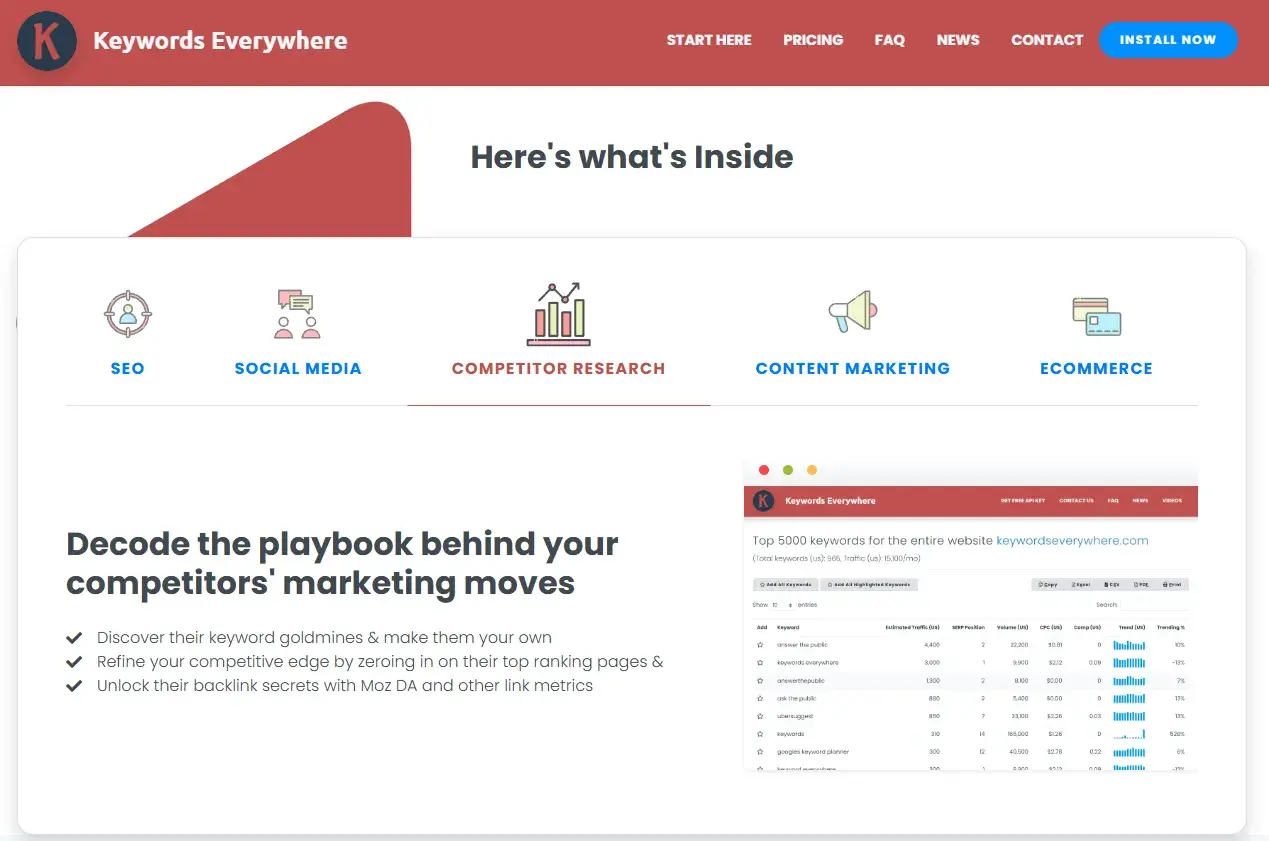
- Keywords Everywhere: A cost-effective browser extension ($7/month) that integrates keyword data directly into Google SERPs. It provides quick insights into search volume, CPC, and related keywords, making daily browsing a source of keyword discovery. Ideal for freelancers and small teams seeking lightweight, on-demand data.
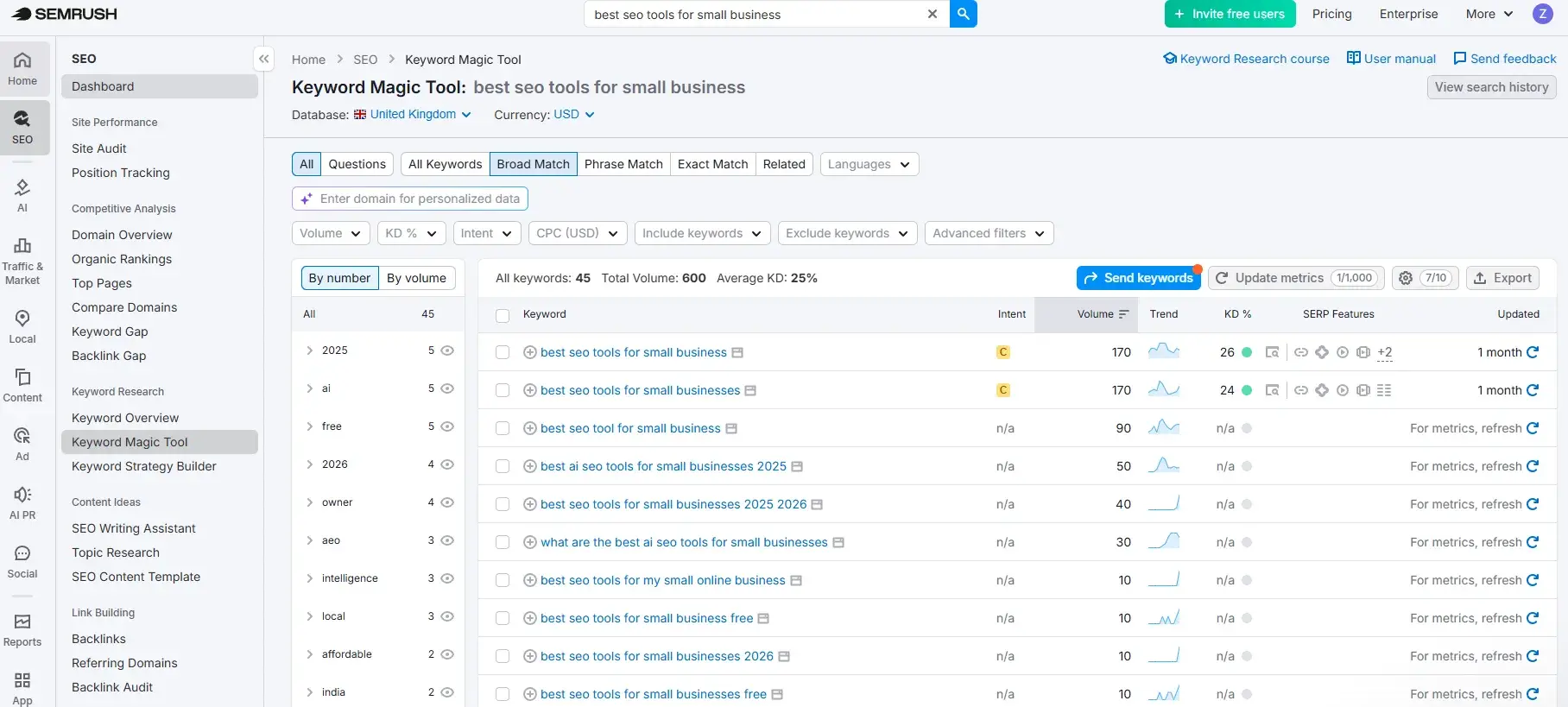
- Semrush: An industry-leading, comprehensive platform with a vast keyword database (over 25 billion keywords). Its Keyword Magic Tool allows for advanced segmentation by intent, question type, and more, enabling sophisticated content strategies. While offering a limited free version, paid plans start at $139.95/month, unlocking extensive features like competitor analysis, site auditing, and backlink analysis. It’s a robust choice for businesses ready for a data-rich approach.
2. Technical SEO & Site Audit Tools
These tools diagnose issues that can quietly suppress rankings, ensuring a healthy foundation for all other SEO efforts.
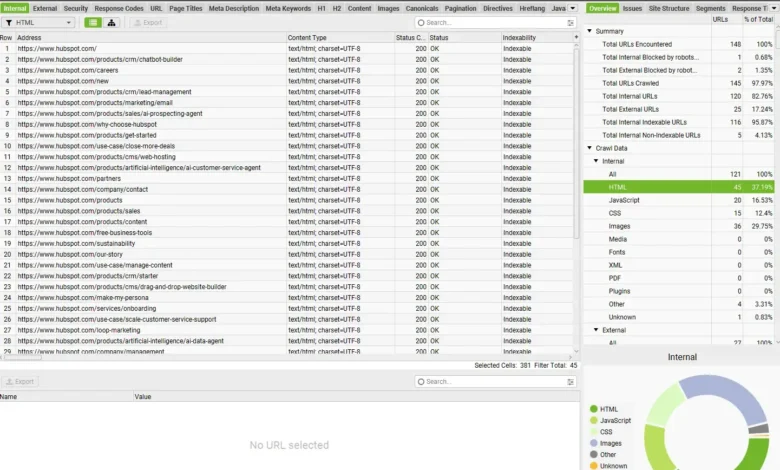
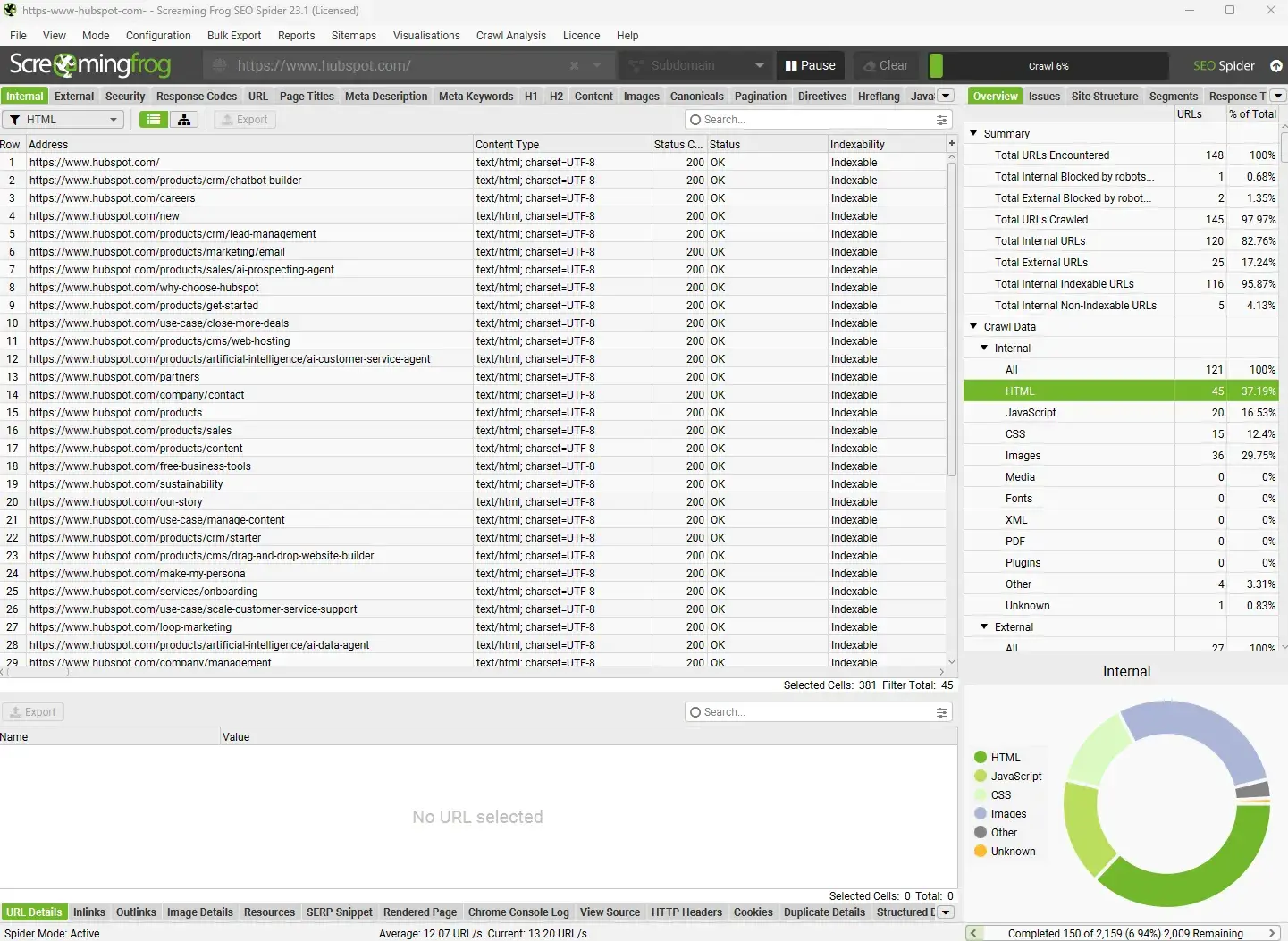
- Screaming Frog SEO Spider: A powerful desktop-based crawler that provides a detailed technical picture of an entire site (broken links, redirects, duplicate content, metadata issues). Free for up to 500 URLs, with a paid license at $279/year. It’s excellent for growing websites and those comfortable with structured data, especially when integrated with GSC and GA4 APIs for a holistic view.
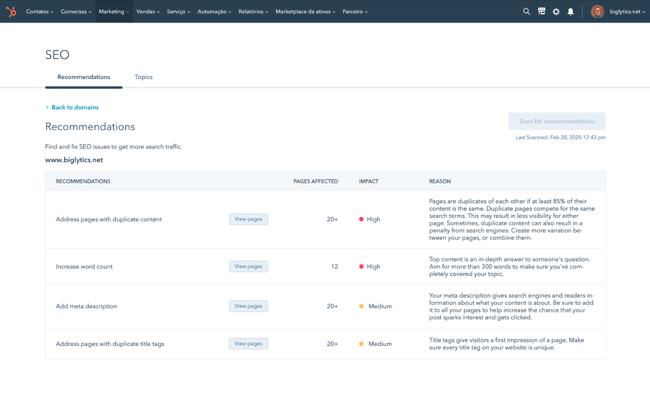
- HubSpot SEO Recommendations: Integrated within HubSpot’s Marketing Hub, this tool offers actionable technical recommendations in plain language, prioritizing issues by severity and estimated impact. It dynamically updates, making technical SEO a continuous process aligned with content creation. Available across all HubSpot plans, including free, with advanced capabilities unlocked in Marketing Hub Professional (from $800/month, billed annually).
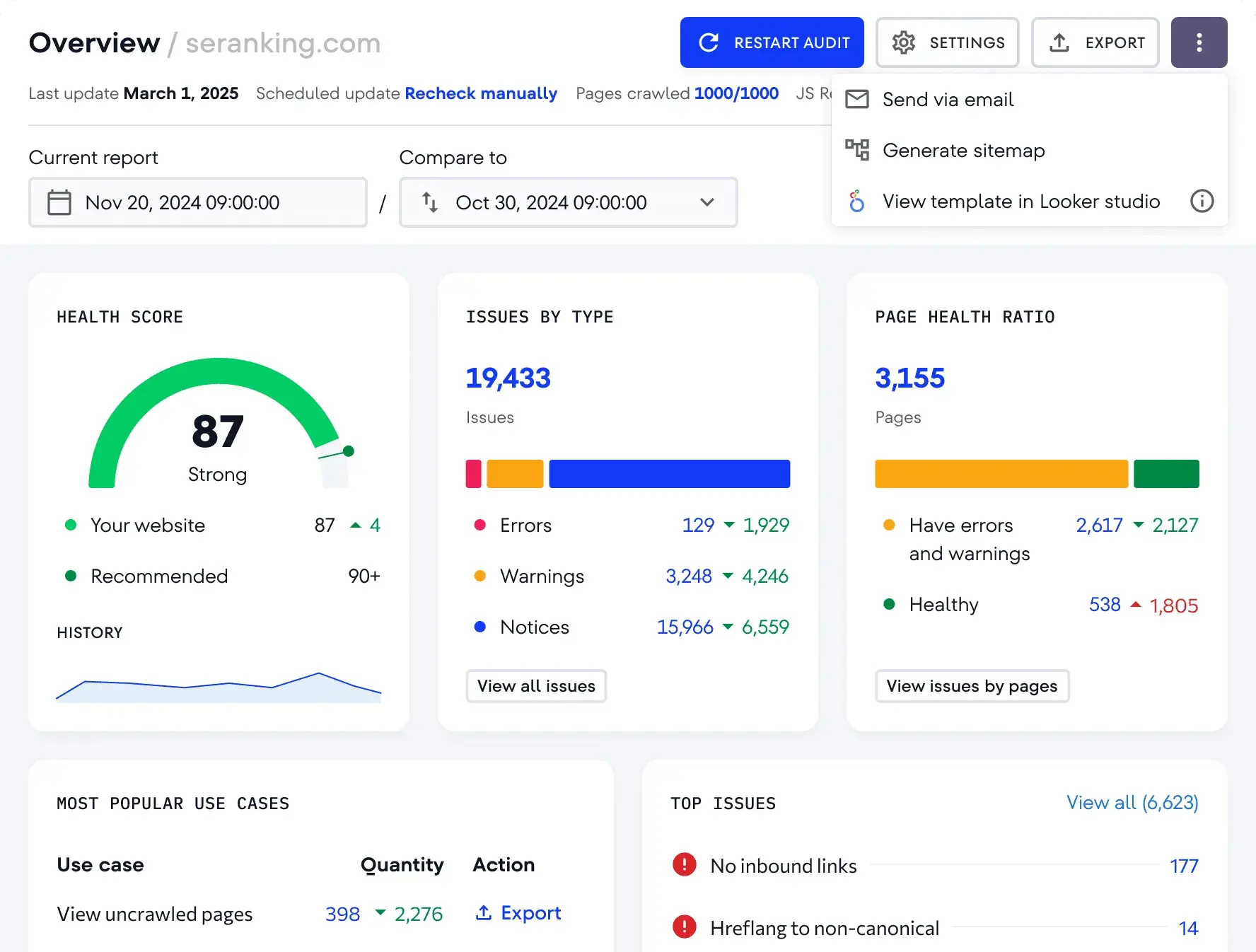
- SE Ranking: An affordable all-in-one SEO platform (plans from $103/month) that includes a solid website audit tool. It scores the website and groups issues by severity, similar to HubSpot’s approach, making it ideal for lean teams seeking comprehensive capabilities without the higher price point of some competitors.
3. Content Optimization & On-Page Tools
These tools bridge the gap between content creation and content that actually ranks, ensuring relevance and coverage.
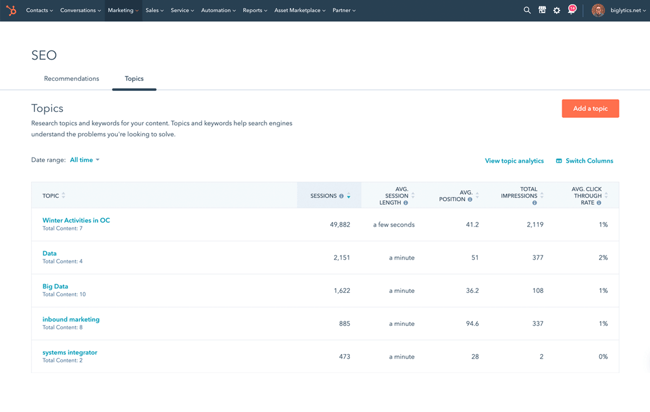
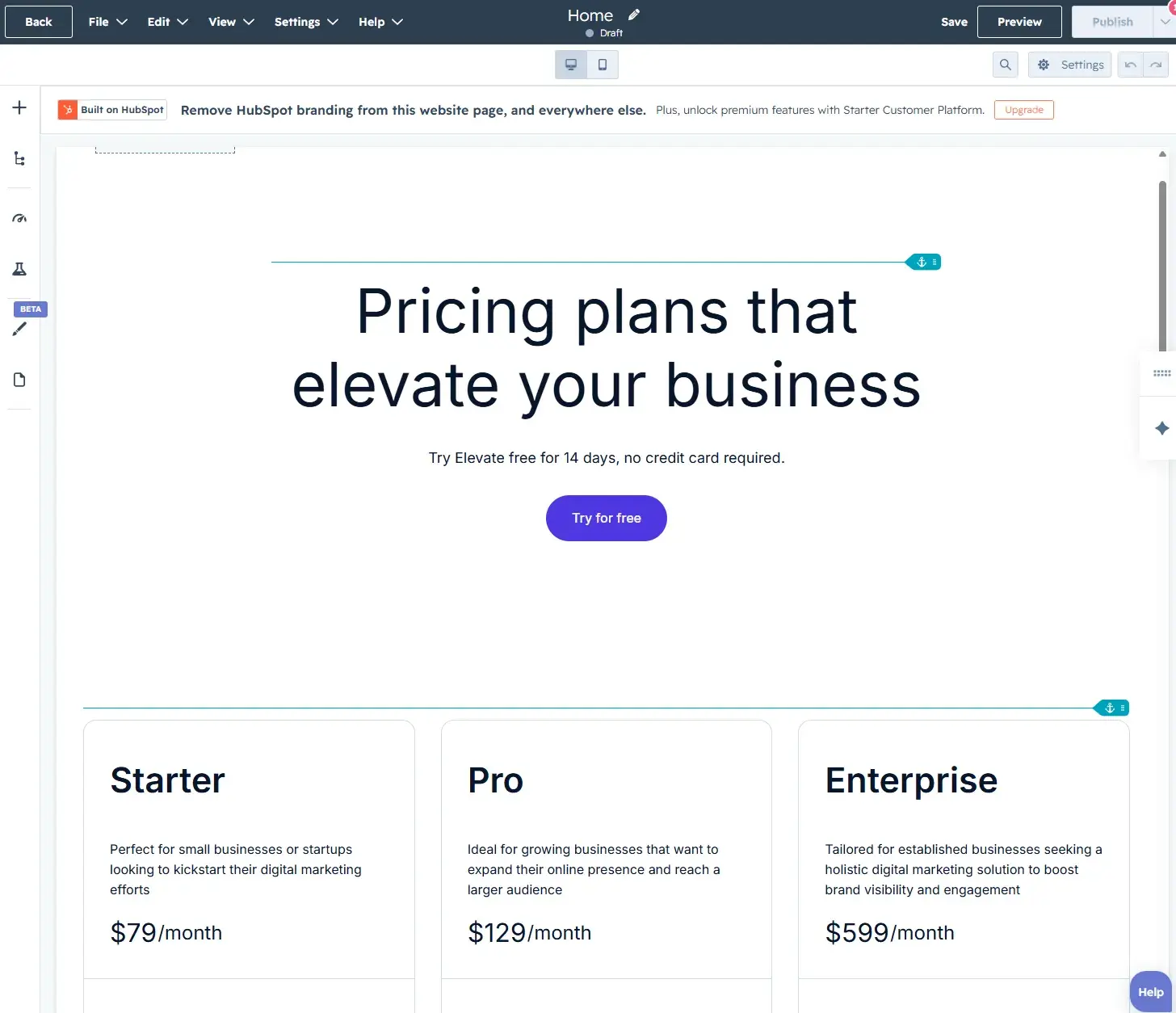
- HubSpot Content Hub: A complete content solution that unifies creation, optimization, and performance tracking, directly connected to the HubSpot CRM. It offers drag-and-drop page builders, AI-assisted content creation, and on-page SEO guidance (keyword placement, internal linking, metadata). It also supports a topic cluster approach, tracking the performance of entire content themes. Starter plans begin at $20/month, with Pro unlocking AI tools and advanced reporting (from $500/month).
- HubSpot SEO Performance Analysis: Connects Google Search Console data directly to HubSpot content and CRM, providing a live view of content performance. It tracks impressions, clicks, average position, and average CTR across the site and by individual page or topic cluster. This unique integration allows businesses to link SEO performance directly to lead generation and revenue, making it invaluable for justifying SEO spend (available in Marketing Hub Professional and Enterprise).
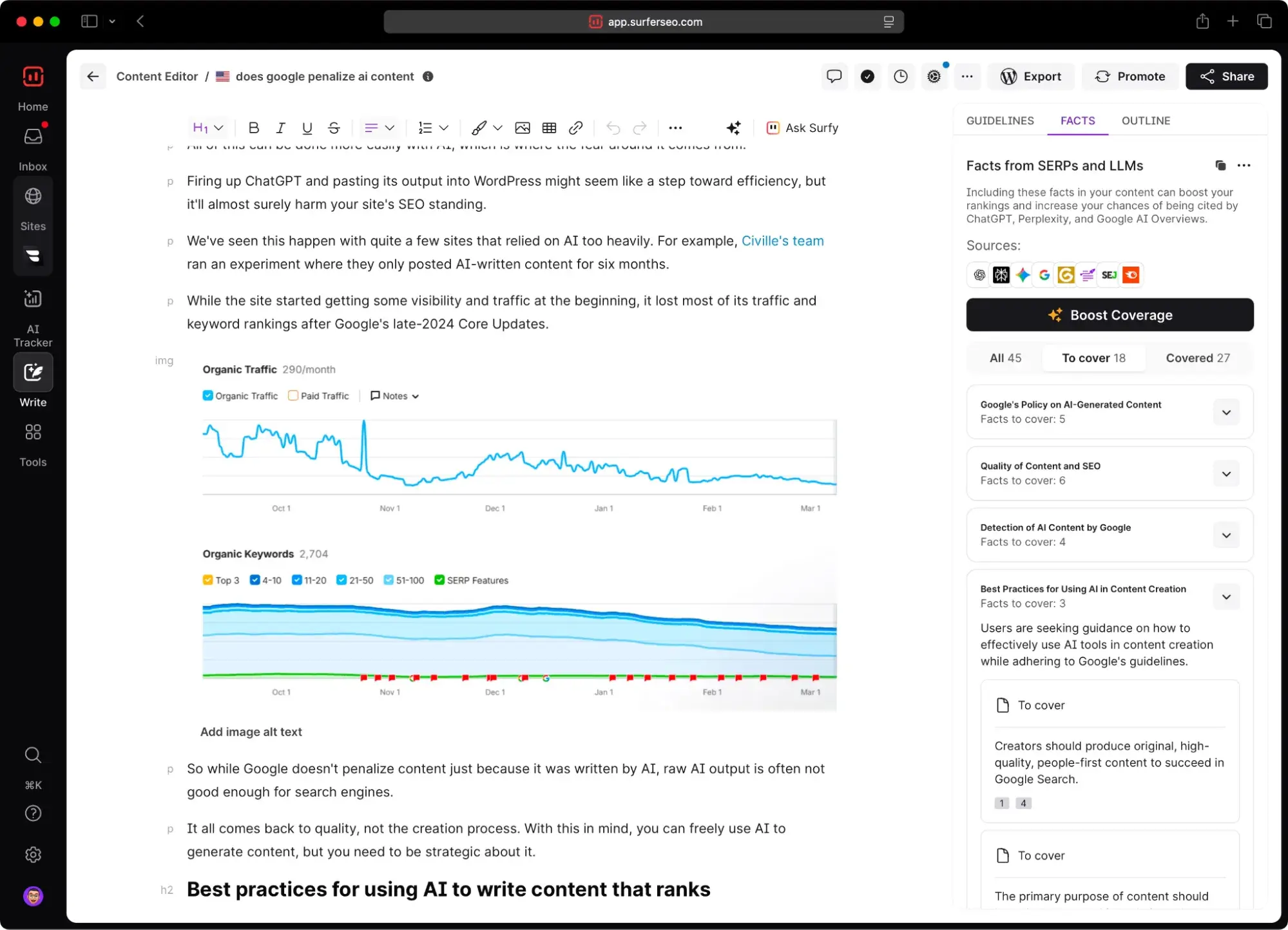
- Surfer SEO: A popular content optimization platform (plans from $99/month) that analyzes top-ranking pages for a given keyword to provide data-driven recommendations on word count, keyword density, heading structure, and NLP terms. It generates a "content score," guiding writers to create SEO-optimized content, even for teams with limited in-house SEO expertise.
4. Backlink Research and Outreach Tools
Essential for understanding domain authority, competitor strategies, and identifying link-building opportunities.
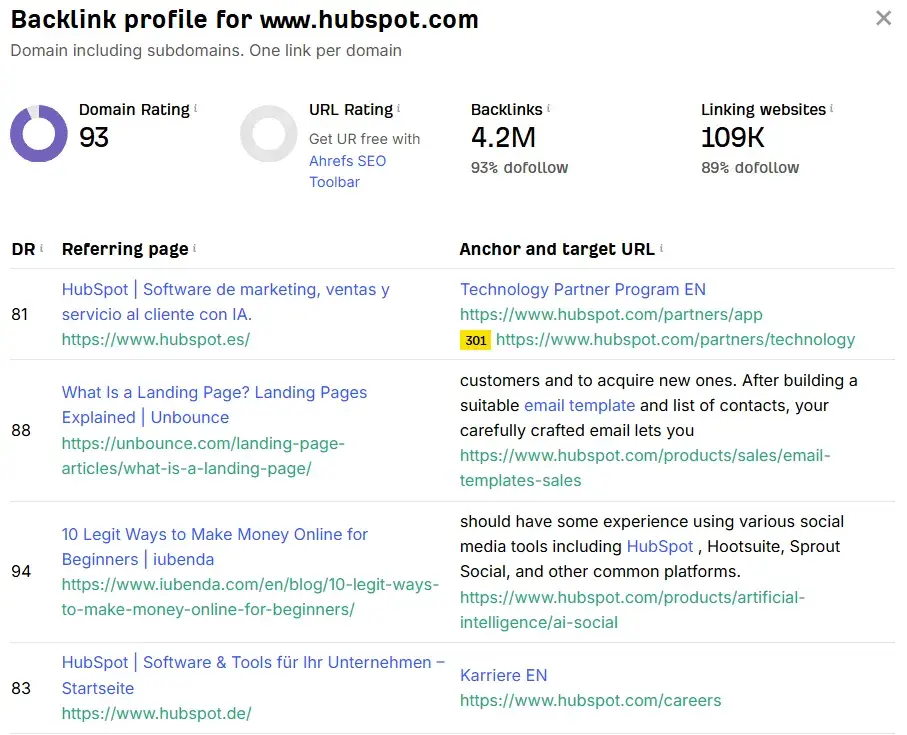
- Ahrefs: Renowned for one of the largest and most frequently updated backlink databases. It provides comprehensive data on referring domains, anchor text, domain rating, and allows for competitor backlink analysis and gap identification. Offers a free backlink checker, with comprehensive plans starting at $129/month, or a Starter package at $29/month for limited capabilities.
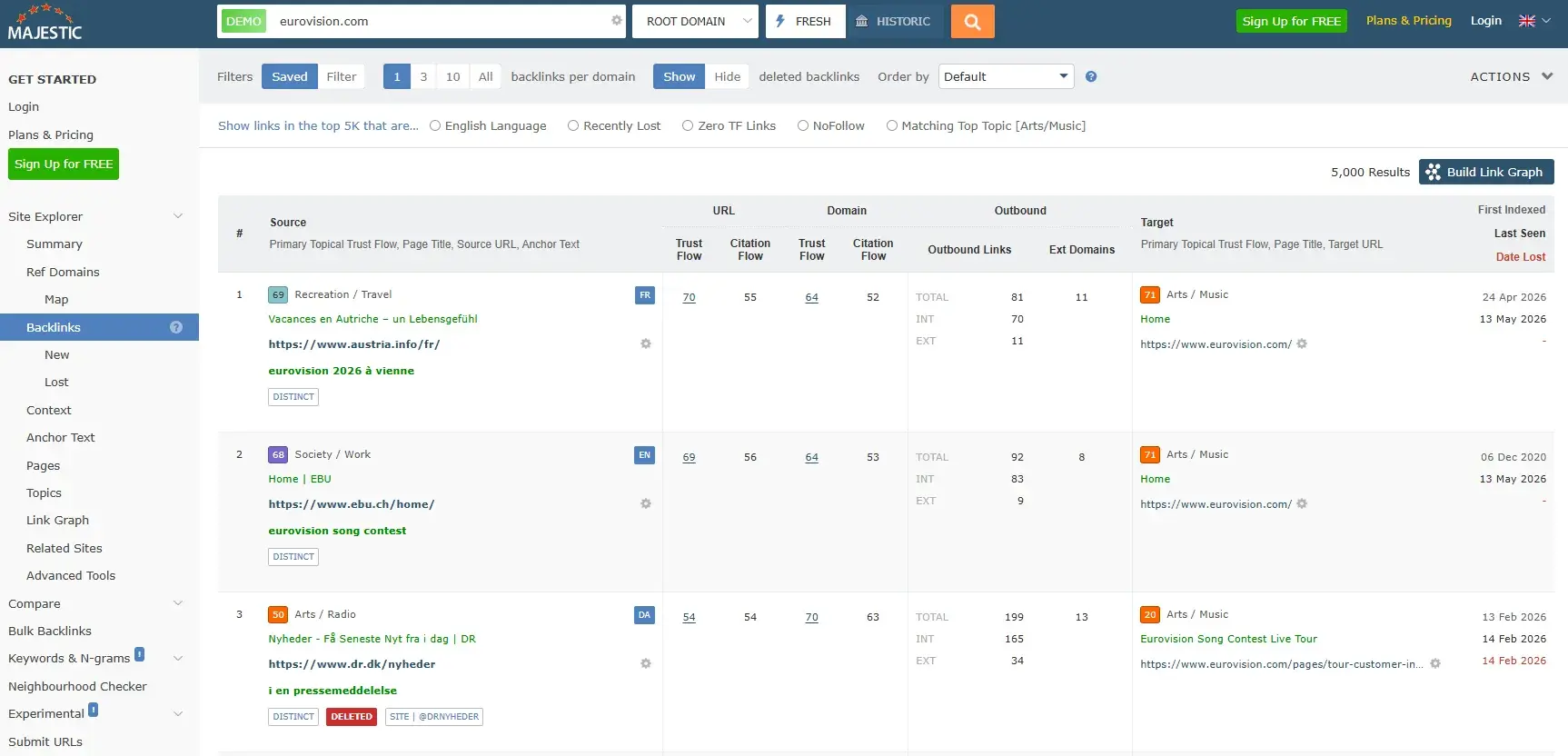
- Majestic: A specialist backlink tool (from $49.99/month) known for its extensive and historical link database. It provides unique metrics like "Trust Flow" and "Citation Flow" to assess link quality, making it ideal for granular link analysis without the overhead of a full all-in-one platform.
5. Rank Tracking Tools
Measuring position changes for target keywords is crucial for understanding the impact of SEO efforts.
- SERPWatcher by Mangools: An affordable, dedicated rank tracking tool (starts at $37.70/month) that offers daily position updates and clear trend visualizations for specific target keywords. Unlike GSC, it provides continuous, automated monitoring, saving significant manual effort.
- HubSpot AEO: A forward-thinking tool (standalone from $50/month or included in Marketing Hub Pro/Enterprise) that evaluates brand visibility in AI search results. It tracks brand mentions, AI citations, query coverage, and sentiment analysis within AI Overviews, essentially acting as a "rank tracker for the AI era." Its CRM-powered prompt suggestions are particularly valuable for small teams, identifying relevant questions customers are asking AI engines.
6. Local SEO Tools
For businesses with physical locations or serving specific geographic areas, local visibility is paramount.
- BrightLocal: A dedicated local SEO platform (plans from $29/month) offering citation management, review monitoring, and local rank tracking. It helps businesses ensure listing accuracy across multiple directories and actively manage their online reputation, which directly influences local rankings.
- Nightwatch: A rank tracking and SEO analytics tool (€79/month for paid plans) with a standout granular location-based rank tracker. It allows businesses to monitor keyword positions at highly specific geographic levels. Its free Chrome extension, "Search Simulator," is excellent for quickly checking SERPs in different countries without a VPN.
- Google Business Profile: An absolutely essential, free tool for any business looking to attract local customers. It allows businesses to manage their presence on Google Search and Maps, including business information, photos, reviews, and posts.
7. Analytics and Reporting Tools
Connecting SEO performance to tangible business outcomes is the ultimate goal.
- HubSpot Marketing Hub Analytics: Goes beyond basic traffic metrics by connecting page visits to individual contacts and revenue. It tracks visitors from their first touchpoint through contact creation, deal progression, and closed revenue, providing a full-funnel attribution model. This allows businesses to see which content generates leads, influences deals, and contributes to the bottom line. Basic analytics are free, with advanced attribution and custom dashboards in Marketing Hub Professional (from $890/month).
The Rise of AEO: Future-Proofing for AI Search
The emergence of AI-powered search experiences fundamentally alters how content is consumed. Answer Engine Optimization (AEO) is the practice of structuring and optimizing content to be easily surfaced, summarized, and cited by these AI tools. Unlike traditional SEO, which focuses on clicks to a website, AEO prioritizes visibility within the generated answers themselves.
Measuring AEO involves tracking metrics such as branded mentions, AI citations, query coverage in AI summaries, and visibility within AI Overviews. Tools like HubSpot AEO are at the forefront of this shift, enabling marketers to understand their brand’s presence in AI-driven answers. As AI search becomes more prevalent, businesses must adapt their SEO tool stacks to monitor both traditional search engine rankings and this new dimension of answer engine presence, ensuring their content remains discoverable and influential.
Building a Future-Proof SEO Tech Stack
The optimal SEO tech stack for a small, growing business is one that is measurable, actionable, and adaptable. It must effectively connect keyword performance to revenue, improve technical health, optimize content, and provide insights into both traditional and AI search visibility. The ideal solution will grow with the business, minimizing the need for disruptive workflow changes and unexpected costs down the line.
For many, platforms like HubSpot, with its integrated SEO Marketing Software, Content Hub, AEO tool, and Smart CRM, offer a compelling solution. By consolidating technical SEO recommendations, content optimization, AI search visibility, and comprehensive reporting into a single platform connected to lead and revenue data, HubSpot enables small businesses to manage their entire digital marketing ecosystem efficiently. This integrated approach ensures that SEO efforts are not only effective but also directly attributable to business growth, empowering small businesses to thrive in an ever-evolving digital landscape.