The ecommerce landscape of May 2026 stands at a critical juncture where traditional search engine optimization intersects with the rapid proliferation of generative artificial intelligence and feed-based discovery. For digital marketers, the upcoming month presents a unique confluence of historical milestones, significant retail holidays, and cultural centennials that provide a fertile ground for high-engagement storytelling. As consumer behavior shifts toward platforms that prioritize summarized information and visual discovery, the challenge for brands is to produce content that is not only high in utility but also structured to be easily cited by AI-driven search engines and recommendation algorithms.
The Evolution of Content Strategy in the GenAI Era
By mid-2026, the fundamental mechanics of content marketing have moved beyond simple keyword density. Modern visibility now depends on a brand’s ability to appear within Google Discover-like feeds and to be selected as a primary source for generative AI summaries. Industry analysts suggest that "citation-ready" content—articles that provide clear, factual data points and structured headers—is 40% more likely to be featured in AI-generated answers.
May 2026 offers five distinct thematic pillars that allow ecommerce entities to demonstrate authority while driving seasonal revenue. These themes range from the 65th anniversary of American human spaceflight to the centenary of a jazz icon, each offering a different psychological hook for diverse consumer segments.

Commemorating the 65th Anniversary of the First American in Space
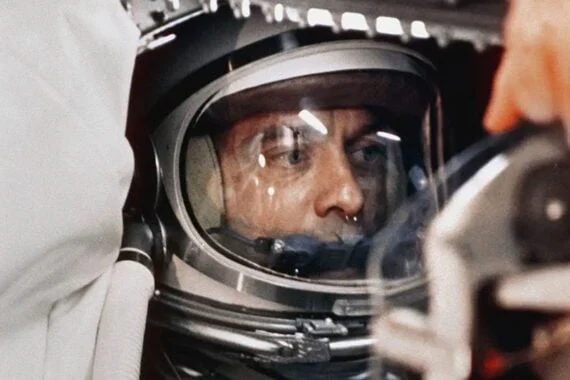
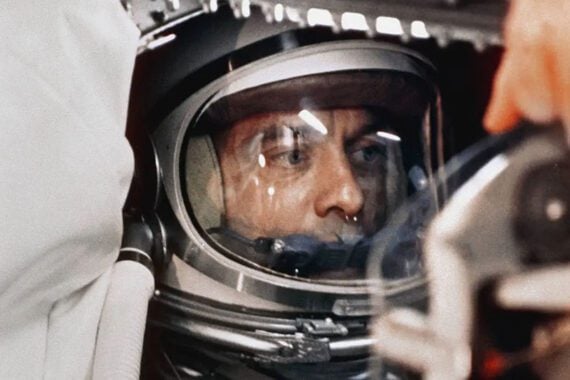
On May 5, 2026, the United States will observe the 65th anniversary of the Freedom 7 mission. In 1961, Alan B. Shepard Jr. became the first American to travel into space, a feat that lasted 15 minutes and 28 seconds but fundamentally altered the course of the 20th century. For ecommerce brands, particularly those in the apparel, outdoor gear, and engineering sectors, this anniversary serves as a powerful narrative for quality and durability.
Historical Context and Chronology of Freedom 7
The Mercury-Redstone 3 mission was a high-stakes response to the Soviet Union’s successful launch of Yuri Gagarin just weeks prior. The technical specifications of the flight remain impressive:
- Launch Time: 9:34 a.m. ET, May 5, 1961.
- Maximum Altitude: 116.5 miles.
- Top Speed: 5,134 miles per hour.
- Spacecraft: Freedom 7, a capsule measuring only 6 feet 10 inches long.
Strategic Marketing Application
Marketers can leverage this event by focusing on the "then vs. now" narrative. A technical workwear brand, for instance, might analyze the evolution of protective fabrics from Shepard’s multi-layered nylon suit to modern-day synthetic polymers. By creating detailed infographics or technical whitepapers that compare historical engineering challenges with modern product solutions, brands can earn "Expertise, Authoritativeness, and Trustworthiness" (E-A-T) signals that search engines prioritize.
Mother’s Day 2026: Navigating a $30 Billion Retail Peak
Mother’s Day, falling on Sunday, May 10, 2026, remains the primary economic driver for the month. Historical data from the National Retail Federation indicates that total spending for the holiday has consistently exceeded the $30 billion mark, with a growing trend toward "experience-based" gifts and niche hobbyist equipment.
Shifting Consumer Sentiments
Market research suggests that by 2026, consumers are moving away from generic floral arrangements in favor of personalized, hobby-centric gifts. This presents an opportunity for ecommerce shops to develop specialized gift guides.
- The Active Mother: With the continued surge in sports like pickleball, brands can create "Starter Kits for the Competitive Mom," combining paddles, apparel, and instructional content.
- The Sustainable Gardener: Focus on "Zero-Waste Gardening," promoting heirloom seeds and biodegradable tools.
Inferred Industry Response
Retail analysts predict that 2026 will see a 15% increase in mobile-first shopping journeys for Mother’s Day. Content should therefore be optimized for "quick-look" formats—bulleted lists, high-speed video demonstrations, and direct-to-cart links integrated within the editorial content.
Memorial Day: The Strategic "How-To" for the Summer Kickoff
Memorial Day, observed on May 25, 2026, serves as the unofficial start of the summer season in the United States. While the day is rooted in solemn remembrance, it also triggers a massive wave of consumer activity related to travel, home improvement, and outdoor entertaining.
The Power of Utility-Based Marketing
In 2026, the most successful content is that which solves a specific problem. Ecommerce brands should pivot from "sales-heavy" messaging to "utility-heavy" guides.

- Event Planning Checklists: A comprehensive guide for hosting a 20-person backyard gathering, including food safety tips and equipment requirements.
- Travel Packing Logic: For luggage and apparel retailers, a "3-Day Weekend Capsule Wardrobe" guide helps shoppers visualize the product in use.
Economic Implications
Memorial Day weekend is traditionally a period of heavy discounting. However, content that provides value—such as "How to Maintain Your Grill for the Next Decade"—allows brands to maintain premium pricing by emphasizing longevity and care rather than just the lowest price point.
National Paper Airplane Day: Engagement Through "Low-Fi" Creativity
Celebrated on May 26, 2026, National Paper Airplane Day offers a lighter, more interactive content hook. While it may seem trivial, such "micro-holidays" are essential for building brand personality and driving social media engagement.
Interactive Content and Community Building
Brands can utilize this day to host virtual competitions or publish downloadable design templates. For a company selling office supplies or educational toys, this is a direct product tie-in. However, even lifestyle brands can benefit by using the "origami" metaphor to discuss precision and focus.
- Tutorial Series: "The Physics of Flight: 5 Paper Airplane Designs for Maximum Distance."
- Social Proof: Encouraging users to post videos of their flights using a branded hashtag, which provides valuable user-generated content (UGC) for the brand’s feeds.
The Miles Davis Centenary: A Cultural Milestone
Perhaps the most significant cultural anniversary in May 2026 is the 100th anniversary of the birth of Miles Davis on May 26, 1926. As one of the most influential figures in the history of jazz and 20th-century music, Davis represents a "cool" aesthetic that transcends the music industry.

Branding through Craftsmanship and Innovation
Davis was famous for constantly reinventing his sound—from the "Cool Jazz" of Birth of the Cool to the modal jazz of Kind of Blue and the jazz-fusion of Bitches Brew. This theme of "continuous reinvention" is a powerful metaphor for any brand that prides itself on innovation.
Suggested Content Pillars for Various Niches:
- Audio and Tech: A deep dive into the recording techniques used in Davis’s most famous albums, linking to high-fidelity audio equipment.
- Apparel and Lifestyle: An exploration of Davis’s status as a style icon, featuring mid-century modern aesthetics and tailored menswear.
- Food and Beverage: "The Sound of Spirits," a guide to pairing classic cocktails with specific Miles Davis eras.
Broader Impact and Strategic Summary
The content marketing environment of May 2026 requires a sophisticated blend of historical reverence and technological optimization. By aligning brand narratives with the 65th anniversary of the Freedom 7 flight or the Miles Davis Centenary, ecommerce entities can move beyond transactional relationships and foster deep cultural connections with their audiences.
Key Takeaways for 2026 Marketers:
- Structure for AI: Use clear H2 and H3 tags and provide concise data points that AI scrapers can easily identify and credit.
- Focus on Longevity: Create "evergreen" guides for holidays like Mother’s Day and Memorial Day that can be updated annually to build long-term SEO equity.
- Diversify the Hook: Balance high-stakes historical events with fun, interactive occasions like Paper Airplane Day to maintain a varied and engaging content calendar.
Ultimately, the goal of May 2026 content is to be "the most helpful resource on the web" for any given niche. Whether it is explaining the physics of a 1961 rocket launch or providing the perfect gift guide for a modern mother, the brands that provide the most structured, factual, and engaging information will dominate the feeds and the search results alike. As the digital ecosystem continues to evolve, the integration of high-quality storytelling with technical precision remains the most effective path to sustainable ecommerce growth.