Google Deprecates Dynamic Search Ads, Fully Migrates Capabilities to AI Max in Strategic Shift

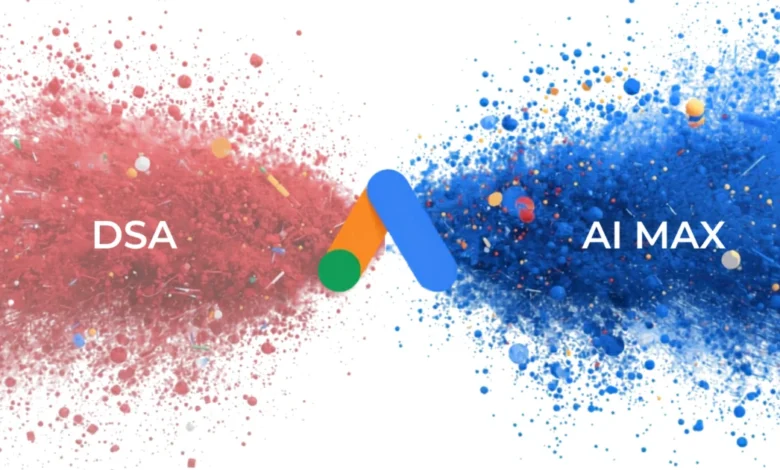
Google has officially announced the deprecation of Dynamic Search Ads (DSA), a long-standing feature within its advertising ecosystem, signaling a significant strategic pivot towards an AI-first approach. Effective September, the legacy capabilities of DSA, alongside automatically created assets (ACA) and campaign-level broad match settings, will be automatically migrated into Google’s advanced AI Max platform. This move, widely anticipated by industry observers for several months, marks a definitive step in Google’s ongoing commitment to integrating artificial intelligence and machine learning more deeply into its core advertising products.
The announcement underscores a broader trend within Google Ads to consolidate disparate automated functionalities under a unified, AI-driven framework. For advertisers currently leveraging Dynamic Search Ads, automatically created assets, or campaign-level broad match settings, understanding the intricacies of this transition and its potential impact on campaign performance is paramount.
The Evolution of Google Ads and the Rise of AI Max
Dynamic Search Ads were introduced years ago as a groundbreaking tool designed to help advertisers capture incremental search demand beyond their meticulously curated keyword lists. By automatically generating headlines and selecting relevant landing pages based on website content, DSA proved invaluable for businesses with extensive product inventories, large websites, or those seeking to broaden their query coverage without exhaustive manual keyword research. This feature allowed advertisers to quickly adapt to evolving search queries and uncover new opportunities that might otherwise be missed.
However, the digital advertising landscape has undergone a dramatic transformation, with artificial intelligence emerging as the cornerstone of efficiency and performance. Google has been at the forefront of this shift, progressively introducing more automated solutions, from Smart Bidding strategies to Performance Max campaigns. The integration of DSA’s core functionalities into AI Max is a natural progression, aligning with Google’s overarching vision for a more intelligent, predictive, and less labor-intensive advertising experience. AI Max is positioned not merely as a replacement but as the next generation of DSA, promising enhanced capabilities driven by sophisticated machine learning algorithms.
Key Details of the Transition: A Two-Phase Rollout
The migration of DSA capabilities to AI Max will unfold in two distinct phases, providing advertisers with options for managing the transition.
Phase 1: Voluntary Upgrades (Commencing Immediately)
Google has initiated the rollout of upgrade tools for existing DSA users. This initial phase allows advertisers to proactively migrate their historical settings and performance data into new standard ad groups within the AI Max framework. Similarly, users of automatically created assets (ACA) and campaign-level broad match settings may begin to observe in-platform prompts encouraging them to upgrade to AI Max. This voluntary period offers a crucial window for advertisers to control the transition process, ensuring settings are optimized and data integrity is maintained before mandatory changes take effect. Industry experts generally advise taking advantage of this voluntary phase to conduct controlled experiments and gain familiarity with the new system.
Phase 2: Automatic Upgrades (Beginning September)
The second phase, commencing in September, will see the automatic upgrade of all remaining eligible campaigns utilizing legacy DSA settings, automatically created assets, and campaign-level broad match. Google anticipates that all eligible migrations will be completed by the end of September. During this automatic migration, legacy settings will be systematically translated into their corresponding AI Max configurations. This swift, mandatory transition emphasizes the importance for advertisers to prepare beforehand, as waiting until September may limit their ability to fine-tune campaign structures and settings proactively.
Understanding AI Max: Beyond Legacy DSA
While AI Max retains the fundamental concept of DSA – using website content and intent signals to match ads with relevant queries – it significantly amplifies this capability through advanced AI. According to Google, AI Max combines a broader array of signals, including advertiser-provided assets, landing page content, and expansive user intent signals, to achieve more precise and effective ad matching. This holistic approach is designed to enhance relevance and improve campaign performance.
One of the most significant enhancements in AI Max, in response to long-standing advertiser feedback, is the introduction of more granular controls. Unlike the somewhat ‘black box’ nature of early DSA, AI Max integrates various steering options, including:
- Brand Settings: Allowing advertisers to specify brand parameters to maintain brand safety and alignment.
- Location Controls: Offering more precise geographical targeting and exclusion options.
- Text Guidance: Providing advertisers with input mechanisms to influence the automatically generated ad copy, ensuring messaging aligns with campaign objectives and brand voice.
These added controls are a direct answer to the advertising community’s demand for greater transparency and influence over automated campaign elements. By integrating these features, Google aims to strike a balance between automation efficiency and advertiser control, addressing concerns about relinquishing too much autonomy to algorithms.
Google’s internal data suggests a compelling performance uplift with AI Max. Campaigns fully utilizing the AI Max feature suite reportedly observe an average of 7% more conversions or conversion value at a comparable Cost Per Acquisition (CPA) or Return On Ad Spend (ROAS), when compared solely to traditional search term matching. This statistic, released by Google in April 2026, serves as a powerful incentive for advertisers to embrace the new platform, promising tangible improvements in campaign effectiveness.
Google’s Strategic Vision and Advertiser Reactions

Google’s decision to sunset DSA and integrate its functionalities into AI Max is not merely an incremental update; it represents a foundational shift in how the company envisions the future of search advertising. This move is deeply rooted in Google’s overarching strategy to create a more unified, intelligent, and efficient advertising ecosystem. By consolidating various automated features under AI Max, Google aims to simplify campaign management, reduce complexity for advertisers, and leverage the full power of its AI capabilities to drive superior results.
The official statement from Google emphasizes the enhanced performance and control offered by AI Max, positioning it as a tool that empowers advertisers to achieve their goals more effectively in an increasingly complex digital landscape. The company’s blog post highlights the evolution from a rule-based system (DSA) to a more adaptive, predictive, and intelligent platform (AI Max).
Reactions from the advertising community are varied but generally lean towards cautious optimism. Many experienced PPC professionals acknowledge the inevitability of greater automation and AI integration, viewing it as a necessary evolution. However, there are also concerns about the learning curve associated with new platforms, the potential for initial performance fluctuations, and the need for new skill sets to effectively manage AI-driven campaigns. Advertisers who have heavily relied on DSA for niche or long-tail keyword coverage are particularly keen to understand how AI Max will replicate or improve upon that functionality. The emphasis on "more signals and controls" is a welcome development, as it addresses a common apprehension regarding the perceived lack of transparency and control in highly automated systems.
Implications for Advertisers: Preparing for the New Era
The transition to AI Max necessitates proactive engagement from advertisers to safeguard and potentially enhance campaign performance. Merely waiting for the automatic upgrade could lead to suboptimal outcomes. Here are critical steps advertisers should undertake:
1. Comprehensive Performance Review of Current DSA Campaigns:
Before the automatic upgrades commence in September, advertisers must conduct a thorough audit of their existing DSA campaigns. This involves pulling recent performance data, focusing on key metrics such as conversions, assisted conversions, conversion value, search terms triggered, landing pages utilized, and overall efficiency metrics (CPA, ROAS). Establishing a clear baseline now is crucial for evaluating the impact of the AI Max migration. This baseline will serve as a benchmark to determine whether post-migration performance changes are positive, neutral, or negative, allowing for informed adjustments.
2. Proactive Migration to AI Max:
Google actively encourages advertisers to voluntarily upgrade their campaigns before the automatic transition. There is a compelling practical reason for this: a voluntary upgrade offers significantly more control over settings, campaign structure, and the opportunity for structured testing. Advertisers can strategically plan the migration, ensuring that their most critical DSA campaigns are transitioned under controlled conditions, minimizing potential disruption. For businesses where DSA has been a core growth driver, taking charge of the upgrade timeline is a strategic imperative.
3. Strategic Testing of AI Max Impact:
Even with Google’s reported average performance improvements, results can vary significantly across different accounts and business verticals. Lead generation, e-commerce, local services, and B2B advertisers may experience distinct outcomes. Google recommends utilizing its "one-click experiments" feature, which allows advertisers to compare the performance of AI Max against their existing campaigns in a controlled environment before a full rollout. Running these controlled tests against established baselines is essential to validate AI Max’s effectiveness for specific business models and objectives.
4. Leveraging Enhanced Controls:
A key advantage of AI Max over legacy DSA is the introduction of more steering options. Advertisers should invest time in understanding and actively utilizing these new controls, including brand settings, location controls, and text guidance. These inputs are vital for influencing the AI’s decision-making process and ensuring that automated campaigns align with specific marketing goals, brand safety guidelines, and target audience parameters. Effective utilization of these controls can transform AI Max from a generic automation tool into a highly tailored performance engine.
5. Diligent Monitoring of Search Match and Landing Page Quality:
Post-migration, continuous monitoring is critical. Advertisers must closely observe the search terms that trigger their AI Max campaigns and compare them to historical DSA performance. This vigilance helps identify any shifts in relevance or coverage. Furthermore, paying close attention to the landing pages used (especially if final URL expansion is enabled), the quality of leads generated, and the overall conversion paths is paramount. Any deviations from expected performance or brand standards should prompt immediate investigation and adjustment of AI Max settings.
Challenges and Opportunities
The transition to AI Max, while promising enhanced performance, will not be without its challenges. The learning curve for new features and controls, potential initial data migration complexities, and the need to adapt reporting and analysis methodologies are all factors advertisers must consider. Ensuring a smooth transition will require investment in training, close collaboration with Google representatives, and a willingness to experiment.
However, the opportunities presented by AI Max are substantial. For businesses struggling to scale their keyword lists or to maintain broad market coverage, AI Max offers a powerful solution. Its ability to leverage more signals and provide more granular control could lead to more efficient ad spend, higher conversion rates, and a more robust return on investment. The consolidation of features also suggests a more streamlined advertising workflow in the long run, freeing up valuable time for strategic planning and creative development.
Looking Ahead
Dynamic Search Ads have served advertisers well for years, enabling them to expand beyond conventional keyword targeting. The integration of this capability into Google’s broader AI Max framework marks a pivotal moment in digital advertising. This evolution signifies Google’s unwavering commitment to an AI-driven future where advertising is more intelligent, efficient, and ultimately, more effective.
The immediate imperative for advertisers is clear: review active DSA campaigns, understand their value, and decide whether to proactively migrate on their own timeline or prepare for the automatic upgrade. The ultimate focus, however, extends beyond mere migration. It lies in protecting existing performance during the transition, rigorously evaluating where AI Max demonstrably improves results, and understanding where strategic management and the intelligent application of new controls are necessary to optimize outcomes. As AI continues to redefine the landscape of digital marketing, adapting to platforms like AI Max will be crucial for maintaining competitive advantage and driving sustainable growth.