Mastering Instagram Captions for Brand Growth and Engagement in the Modern Digital Landscape


While Instagram remains a visual-first platform where high-quality photography and dynamic video content reign supreme, the role of the written word has evolved into a critical pillar of social media strategy. In an era of rapid scrolling and fleeting attention spans, the caption serves as the primary tool for providing context, humanizing a brand, and driving specific consumer behaviors. Far from being a mere afterthought, a well-crafted caption is often the determining factor in whether a user simply views a post or actively engages with it through likes, comments, and shares. For businesses looking to scale brand awareness or increase conversion rates, understanding the mechanics of the Instagram caption is essential for navigating the platform’s increasingly competitive landscape.

The Technical Framework of Instagram Captions
Technically, an Instagram caption is the descriptive text that accompanies a standard photo post, a video, or a Reel. The platform allows for a maximum of 2,200 characters, providing ample space for everything from a single-word "mood" to long-form storytelling that mirrors a micro-blog. Within this character limit, creators can integrate text, emojis, and up to 30 hashtags.
However, a critical constraint remains: Instagram does not allow clickable hyperlinks within captions for standard feed posts. This limitation makes the call-to-action (CTA) within the text even more vital, as it must guide the user to a "link in bio," a tagged product, or a specific Story highlight to complete a transaction or find more information. This structural reality has forced marketers to become more creative in how they use text to funnel traffic toward monetizable actions.

The Science of Engagement: Data-Driven Insights
Recent industry studies have shifted the narrative regarding caption length. For years, the prevailing wisdom suggested that shorter was always better. However, a comprehensive experiment conducted by social media management platform Hootsuite revealed a more nuanced reality. The study found that posts with captions ranging between 400 and 705 characters—roughly 60 to 100 words—consistently garnered higher engagement rates than those with fewer than 65 characters.
This trend toward "micro-blogging" suggests that users are increasingly looking for value-added content. While a striking image might stop the thumb, the text provides the "why" behind the visual. Whether it is a recipe, a behind-the-scenes story, or an educational tip, longer captions allow brands to build a deeper narrative layer that fosters community loyalty.
Strategic Implementation: The Hook and the Value Proposition
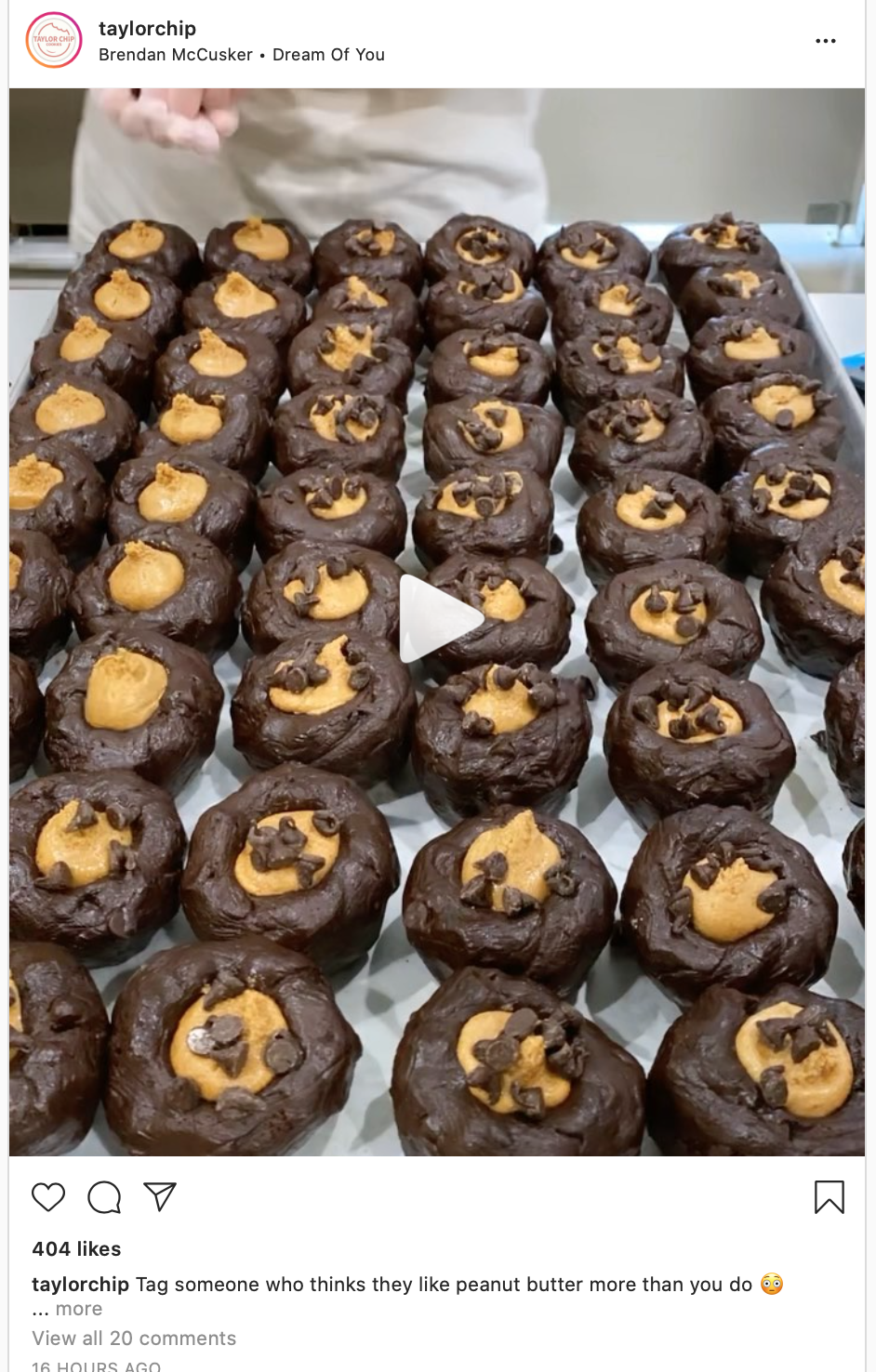
The most critical real estate in any Instagram post is the first 125 characters. Because Instagram truncates longer captions with a "…more" button, the opening sentence must act as a "hook." If the initial line fails to pique interest or offer immediate value, the remainder of the 2,200-character limit goes unread.
Professional marketers categorize effective hooks into several types:
- The Value Proposition: Starting with a benefit, such as "Five ways to simplify your morning routine."
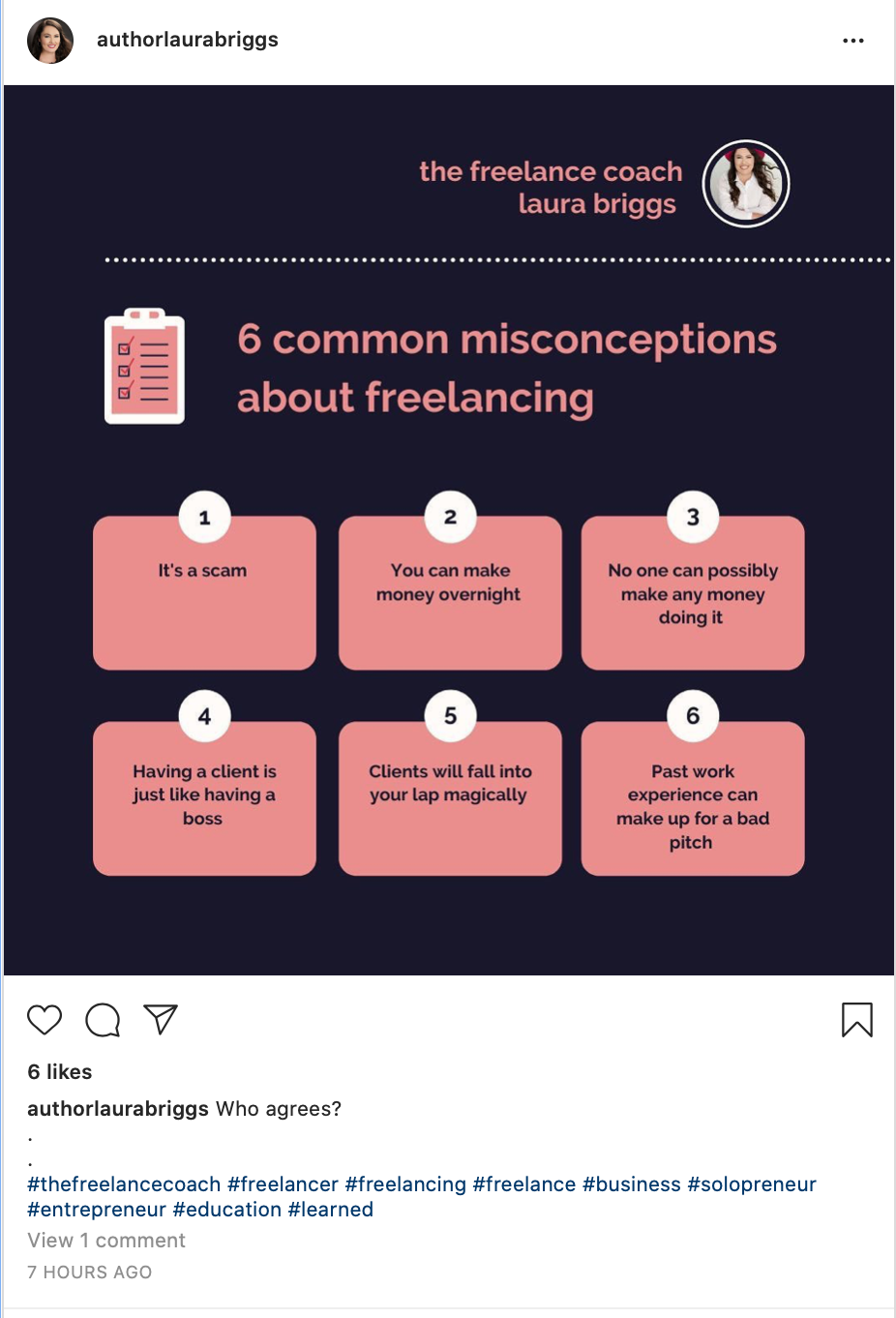
- The Provocative Question: Engaging the user’s opinion immediately, such as "Is the classic latte officially over?"
- The Urgent Announcement: Utilizing FOMO (fear of missing out), such as "Our biggest sale of the year starts in exactly two hours."
By placing the most important information at the beginning, brands ensure that even the most passive scrollers receive the core message. For example, Misfits Market, a popular grocery delivery service, often leads with the simplicity of their recipes to appeal to busy home cooks. By acknowledging a pain point—elaborate, time-consuming meals—in the first sentence, they encourage the user to click "read more" to find the solution.
Leveraging Pop Culture and Relatability
Relatability is a currency on social media. One of the most effective ways to humanize a brand is through the use of pop culture references, seasonal cliches, and humor. References to trending songs, movie quotes, or "internet speak" can make a corporate entity feel like a peer.
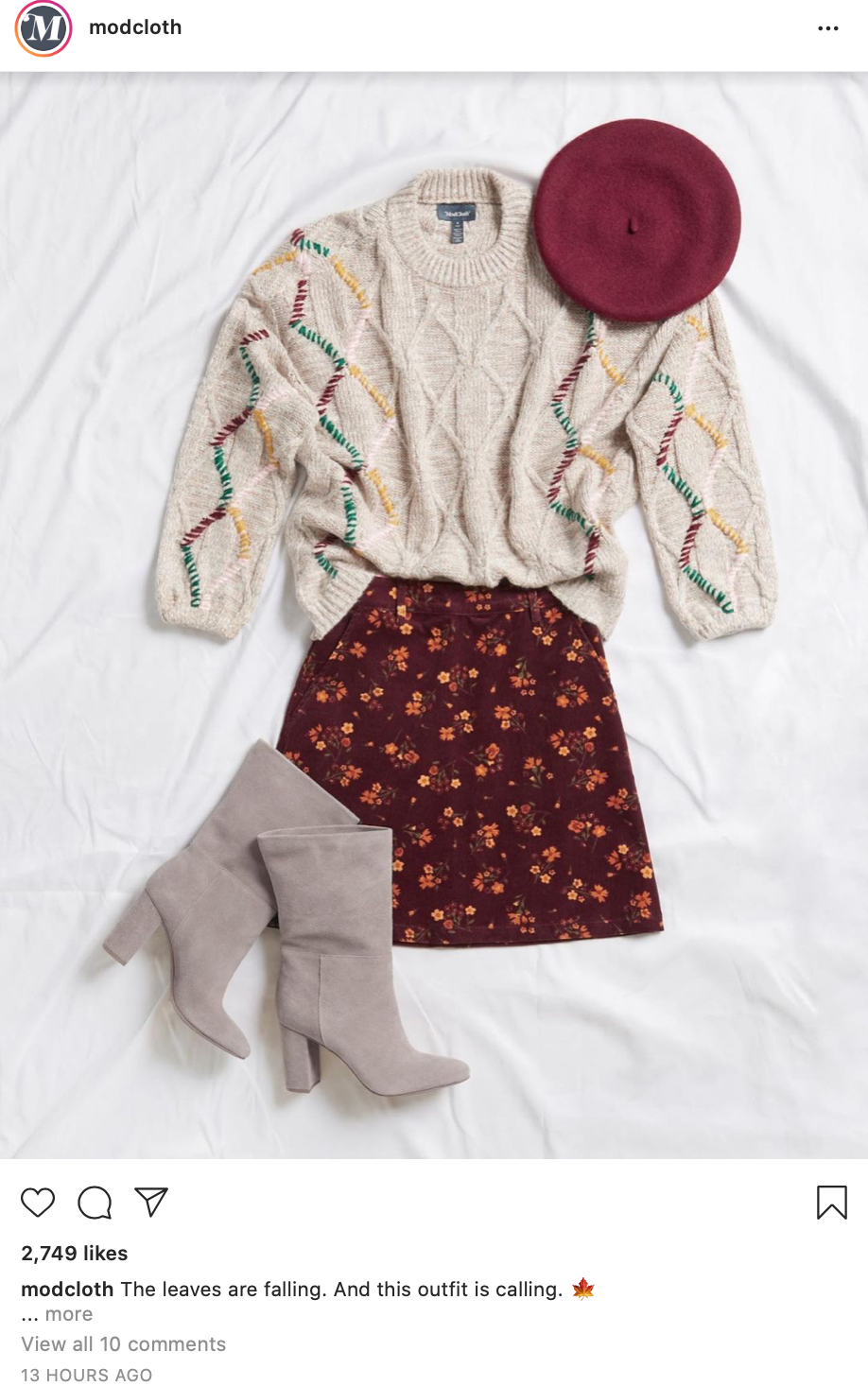
Seasonal relevance also plays a significant role in caption performance. During the transition to autumn, brands like Modcloth often utilize "sweater weather" motifs and leaf-themed puns. These are not merely decorative; they tap into the collective mood of the audience, making the content feel timely and integrated into the user’s current environment. When a brand successfully bridges the gap between its product and the cultural zeitgeist, it increases the likelihood of the post being shared to a user’s private Stories, further expanding its organic reach.
The Hashtag Economy and Discoverability
While Instagram has improved its keyword search capabilities, hashtags remain a fundamental tool for discoverability. A strategic caption should feature a mix of four types of hashtags:
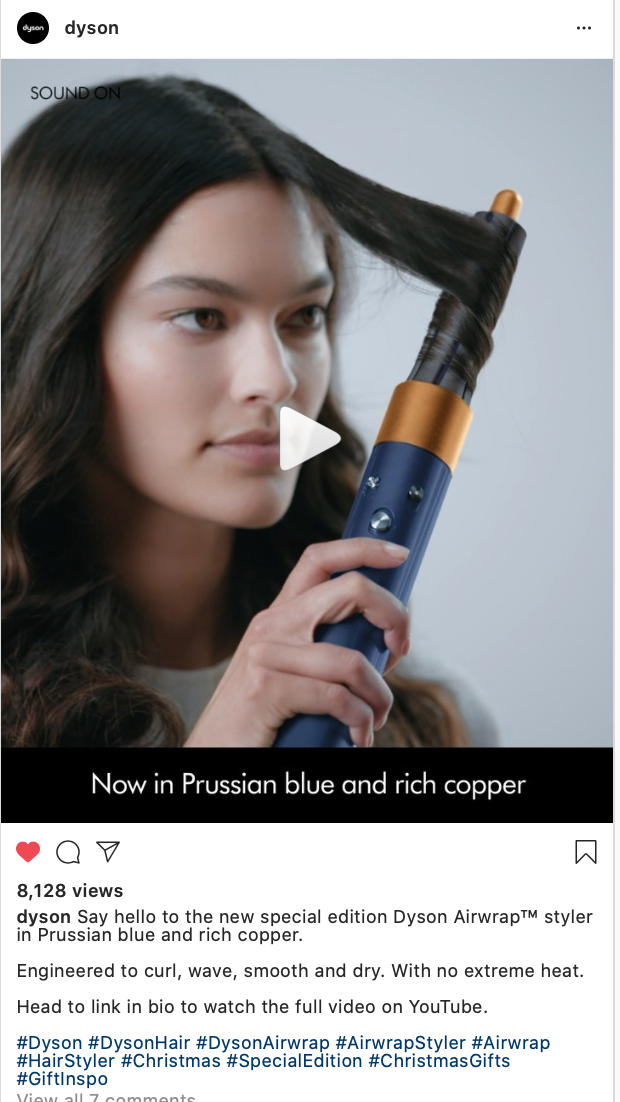
- Branded Hashtags: Unique to the company (e.g., #DysonHair).
- Industry/Interest Hashtags: Targeting specific niches (e.g., #SkincareRoutine).
- Seasonal/Event Hashtags: Tapping into holidays or trends (e.g., #GiftInspo).
- Location Hashtags: Crucial for local businesses (e.g., #ChicagoEats).
The consensus among experts is to avoid "hashtag stuffing," or using the maximum 30 hashtags in a way that looks like spam. Instead, selecting 5 to 10 highly relevant tags and varying them across different posts prevents the algorithm from flagging the content as repetitive and helps the post appear in diverse explore feeds.
Conversion Through Call-to-Action (CTA)
The ultimate goal of most brand accounts is to move the user from a platform they don’t own (Instagram) to a platform they do (their website). Since links aren’t clickable in captions, the CTA must be explicit and easy to follow.

An effective CTA should be:
- Direct: Use verbs like "Shop," "Register," "Download," or "Visit."
- Specific: Instead of "Check us out," use "Click the link in our bio to sign up for the November workshop."
- Incentivized: Explain what the user gets by taking action, such as "Sign up now for 10% off your first order."
Furthermore, engagement-focused CTAs like "Tag a friend who needs this" or "Save this post for later" are vital for algorithmic health. Instagram’s ranking system prioritizes posts that generate active engagement. A post that is frequently saved is interpreted by the algorithm as high-value content, which in turn increases its visibility in the feeds of other followers.

Technical Optimization: Spacing, Fonts, and Editing
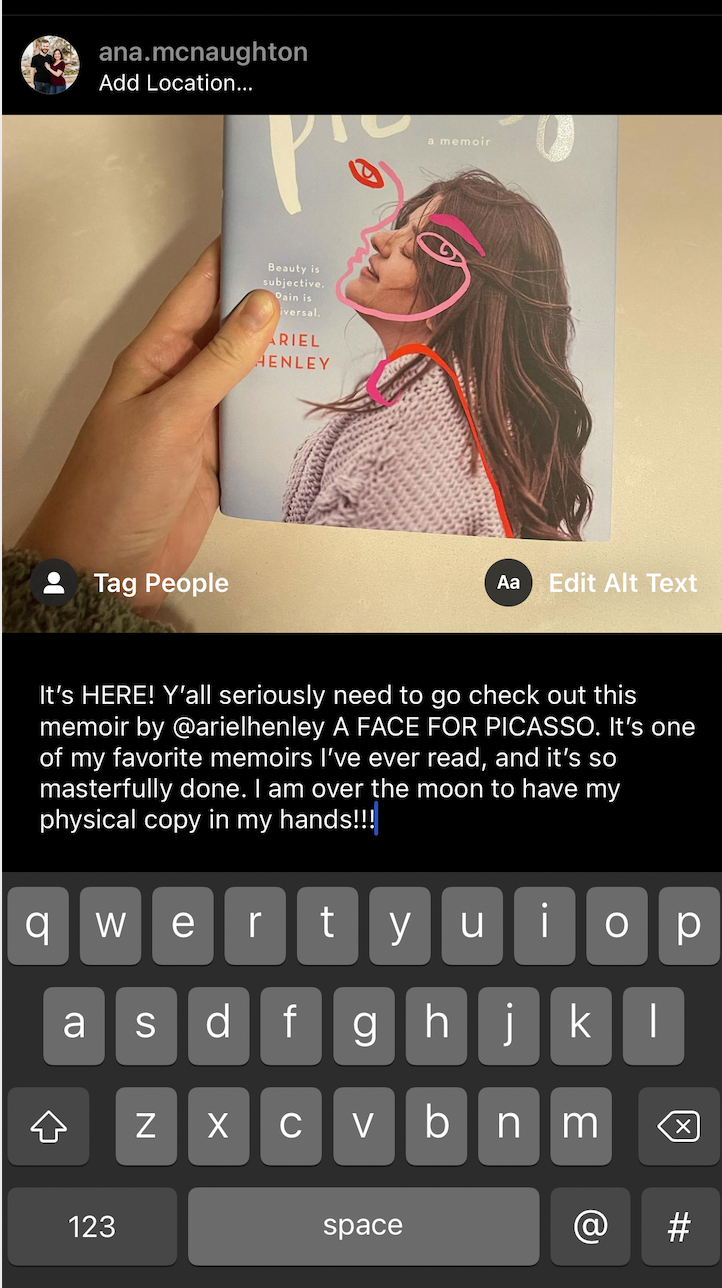
The visual presentation of text is as important as the content itself. Dense blocks of text are intimidating and often skipped. To improve readability, marketers use line breaks to separate ideas and bullet points to list features.
How to Format for Success:
- Line Breaks: Using the "return" key to create white space between paragraphs.
- Stylized Fonts: Tools like "Instagram Fonts" allow users to copy and paste bold or italicized text. While these should be used sparingly to ensure accessibility for screen readers, they can effectively highlight a specific word or phrase.
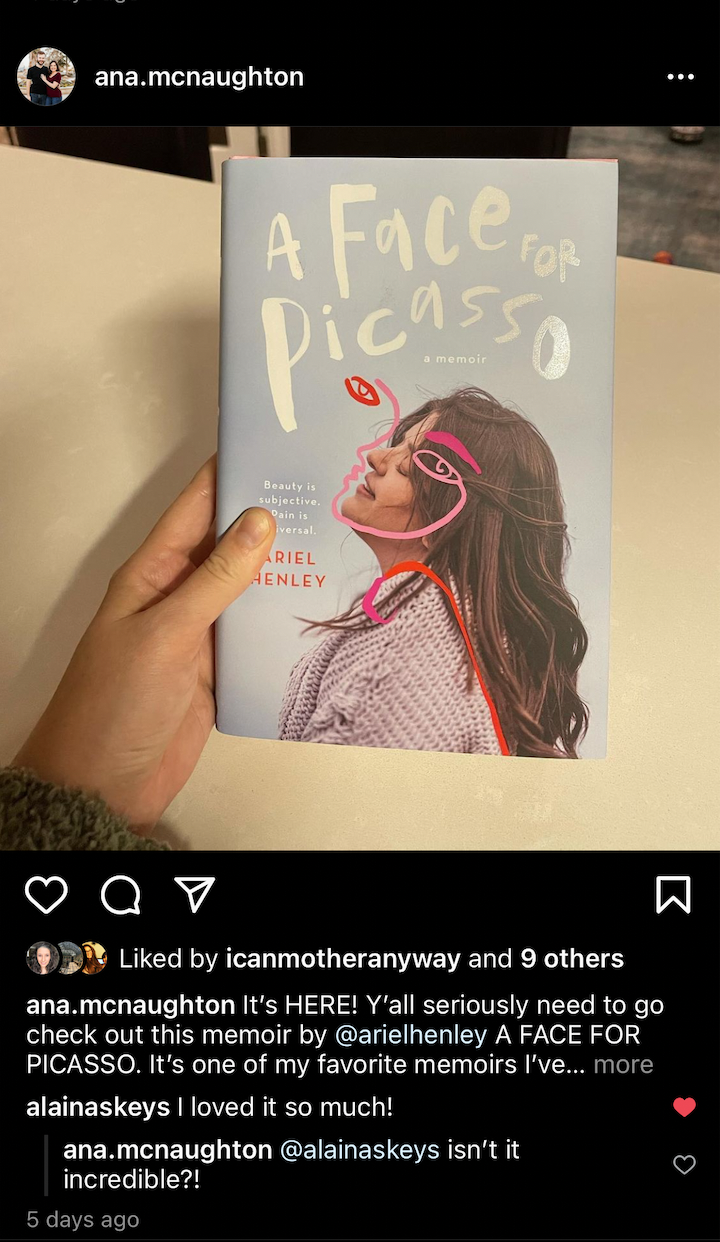
- Editing: Instagram allows users to edit captions after a post has gone live. This is a vital feature for correcting typos or updating a "link in bio" reference once a promotion has ended. To edit, one simply taps the three dots on the top right of the post and selects "Edit."
Broader Implications: Instagram SEO and the Future of Search
As of 2024, the role of the caption has expanded into the realm of Search Engine Optimization (SEO). Instagram’s search function has evolved to function more like Google; users now search for keywords like "sustainable fashion" or "vegan recipes" rather than just looking up specific accounts or hashtags.
This shift means that captions are now being indexed. A brand that consistently includes relevant keywords in its captions—rather than just in hashtags—is significantly more likely to appear in the Explore page and search results. This makes the caption a long-term asset for organic growth, rather than just a temporary description for a single day’s post.
Conclusion
In the competitive landscape of digital marketing, the Instagram caption is a versatile tool that balances art and science. It requires an understanding of consumer psychology to write a compelling hook, a grasp of data to determine optimal length, and a mastery of technical formatting to ensure readability. By moving beyond simple descriptions and embracing captions as a vehicle for storytelling and SEO, brands can transform their social media presence from a static gallery into a dynamic, engaging, and high-converting community. As the platform continues to evolve, those who prioritize the "micro-blogging" potential of their captions will be best positioned to maintain relevance and drive measurable business results.
Related posts: