RingCentral Expands Enterprise Communication Capabilities with Advanced Agentic AI Integrations and Enhanced Administrative Controls

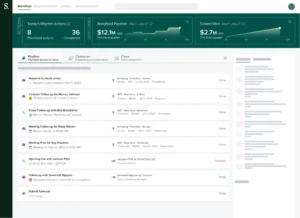
The modern enterprise communication landscape is undergoing a profound structural shift, moving away from fragmented, channel-specific tools toward unified, artificially intelligent ecosystems. In its latest July 2026 product showcase and subsequent updates detailed during the ongoing RingEX Unlocked series, cloud communications giant RingCentral has rolled out a comprehensive suite of enhancements for its flagship RingEX platform. Designed to eliminate operational friction across voice, video, SMS, and messaging channels, the newly deployed features center on sophisticated agentic AI, streamlined administrative oversight, robust compliance insights, and elevated video collaboration metrics. These updates arrive as organizations increasingly demand automation that transcends basic transcription, seeking instead context-aware systems capable of executing multi-step business workflows autonomously.
The strategic trajectory of RingCentral’s product development emphasizes three fundamental pillars: automated task execution, real-time employee assistance, and post-interaction analytical depth. By embedding these capabilities into a unified architecture, the company aims to address persistent enterprise pain points, such as missed customer follow-ups, fragmented information retrieval, and the manual overhead required to maintain regulatory compliance. As businesses navigate an increasingly digital-first operating environment, the imperative to convert raw communication data into actionable, secure intelligence has become a primary competitive differentiator.
Chronology of the July 2026 Release and Platform Evolution
The rollout of the July 2026 RingEX enhancements represents a significant milestone in a multi-year product roadmap aimed at embedding artificial intelligence natively across all communication touchpoints. The evolution of RingCentral’s AI portfolio has transitioned from passive note-taking utilities to proactive, agentic frameworks capable of managing complex administrative and customer-facing scenarios.
Earlier phases of the platform focused primarily on unifying phone, video, and messaging infrastructure into a single pane of glass. However, recognizing the cognitive load placed on enterprise employees and customer service representatives, RingCentral accelerated its development of specialized AI agents. The introduction of the AI Receptionist (AIR) and subsequent iterations laid the groundwork for the more advanced workflows unveiled in the mid-2026 updates.
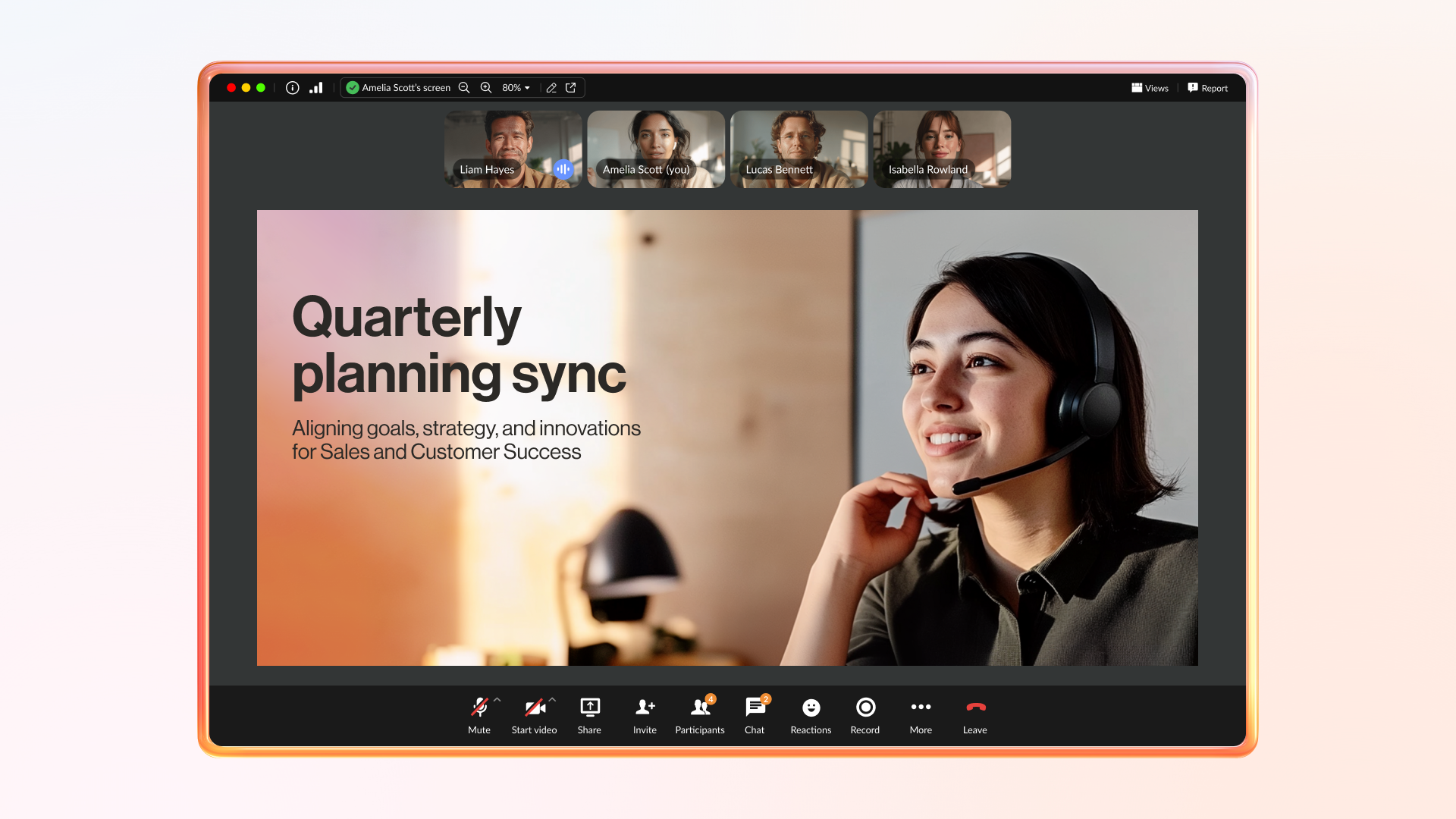
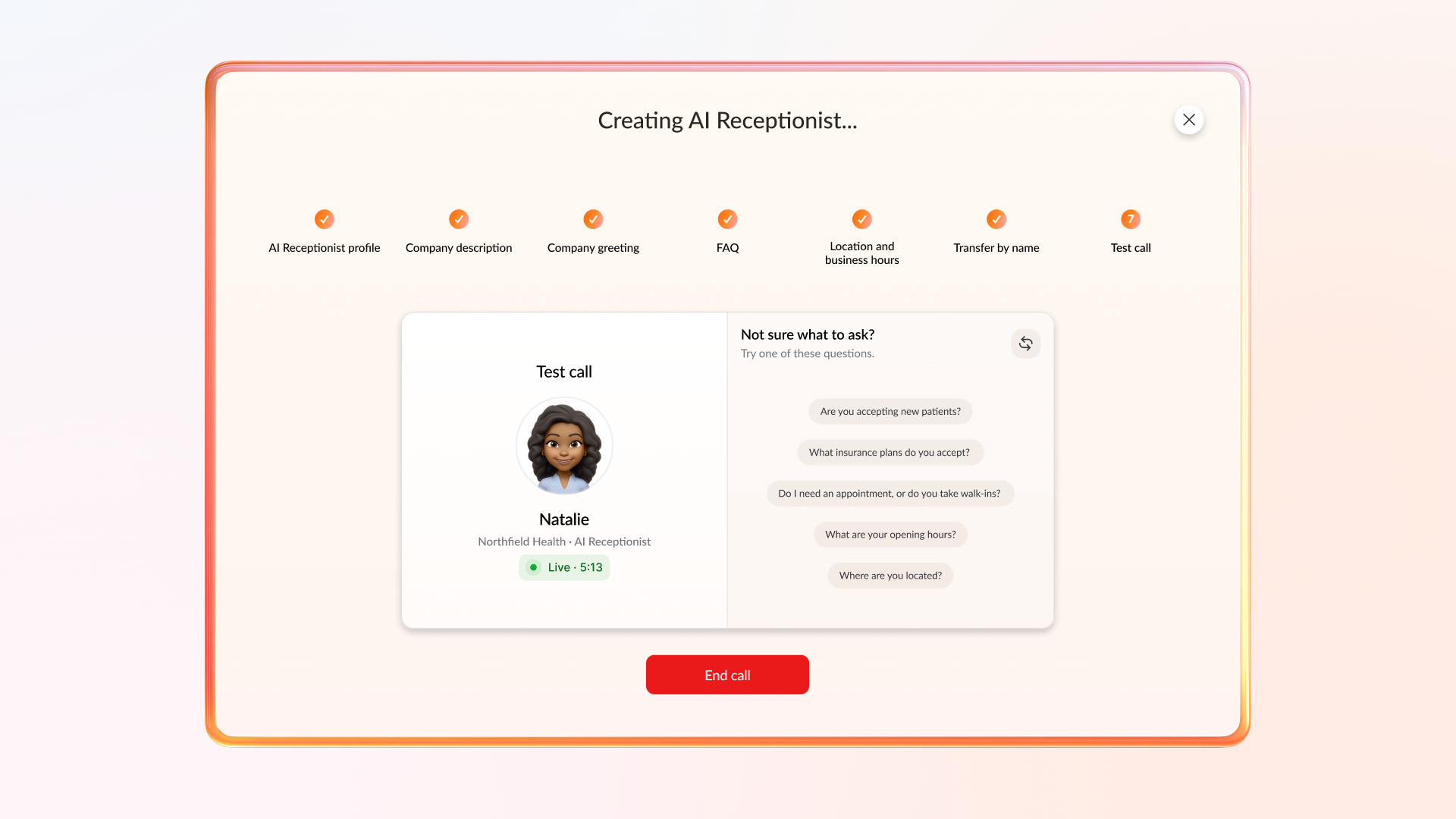
The July release introduced critical operational safeguards for AIR, specifically addressing enterprise concerns regarding predictability and uninterrupted service continuity. The implementation of customizable AIR Minutes Usage Alerts allows organizational administrators to establish automated monitoring thresholds—defaulting at 80 percent utilization—to prevent unexpected coverage gaps during peak customer engagement hours. Concurrently, the Pre-launch Test Call capability was deployed to allow IT and customer service managers to thoroughly evaluate greetings, interactive voice response (IVR) logic, business hours parameters, and intelligent transfer rules in a simulated environment prior to public deployment.
Following these foundational updates, the platform’s analytical capabilities were further expanded through the introduction of New Compliance Insights within the RingCentral AI Conversation Expert (ACE) framework. Historically, identifying sensitive data exposure in customer interactions relied heavily on retrospective audits and labor-intensive manual sampling. The new Compliance tab within ACE Insights shifts this paradigm by surfacing potential risks near the point of conversation, allowing regulated enterprises in sectors such as healthcare, financial services, and legal to mitigate compliance vulnerabilities before they escalate into legal or reputational liabilities.
Core Technological Enhancements and Agentic AI Architecture
At the heart of the latest RingEX release is the deployment of AIR Pro, a next-generation agentic AI solution engineered to handle intricate customer workflows that traditionally require extensive manual intervention and multiple system handoffs. Unlike traditional chatbots restricted by rigid decision trees, agentic AI systems are designed to comprehend context, reason through multi-step objectives, and execute actions across disparate enterprise systems with minimal human oversight.
The broader RingCentral AI portfolio operates across a tripartite framework: automate, assist, and analyze. Automation features handle repetitive administrative tasks and routine inbound inquiries, freeing human personnel to focus on high-value problem-solving. Assistance tools provide real-time suggestions, live transcription, and contextual prompts during active voice and video calls. Analytical engines process historical interaction data to unearth trends, sentiment shifts, and compliance anomalies.
Security and governance remain central to RingCentral’s architectural philosophy. In an era marked by stringent global data privacy regulations—such as the European Union’s Artificial Intelligence Act and evolving domestic privacy statutes—enterprise adoption of AI hinges on verifiable trust and data protection. RingCentral has structured its AI development pipeline to align strictly with prevailing privacy laws and secure software development lifecycles, ensuring that sensitive customer data processed through voice, video, and text channels is safeguarded against unauthorized access or exploitation.
Transforming Video Collaboration and Mobile Productivity
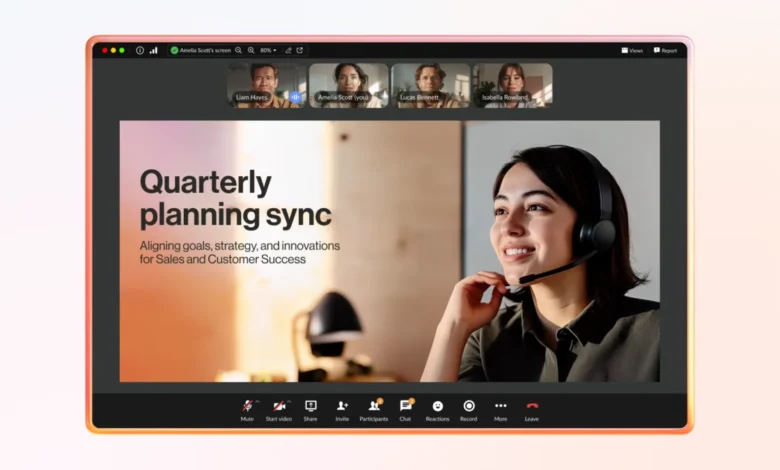
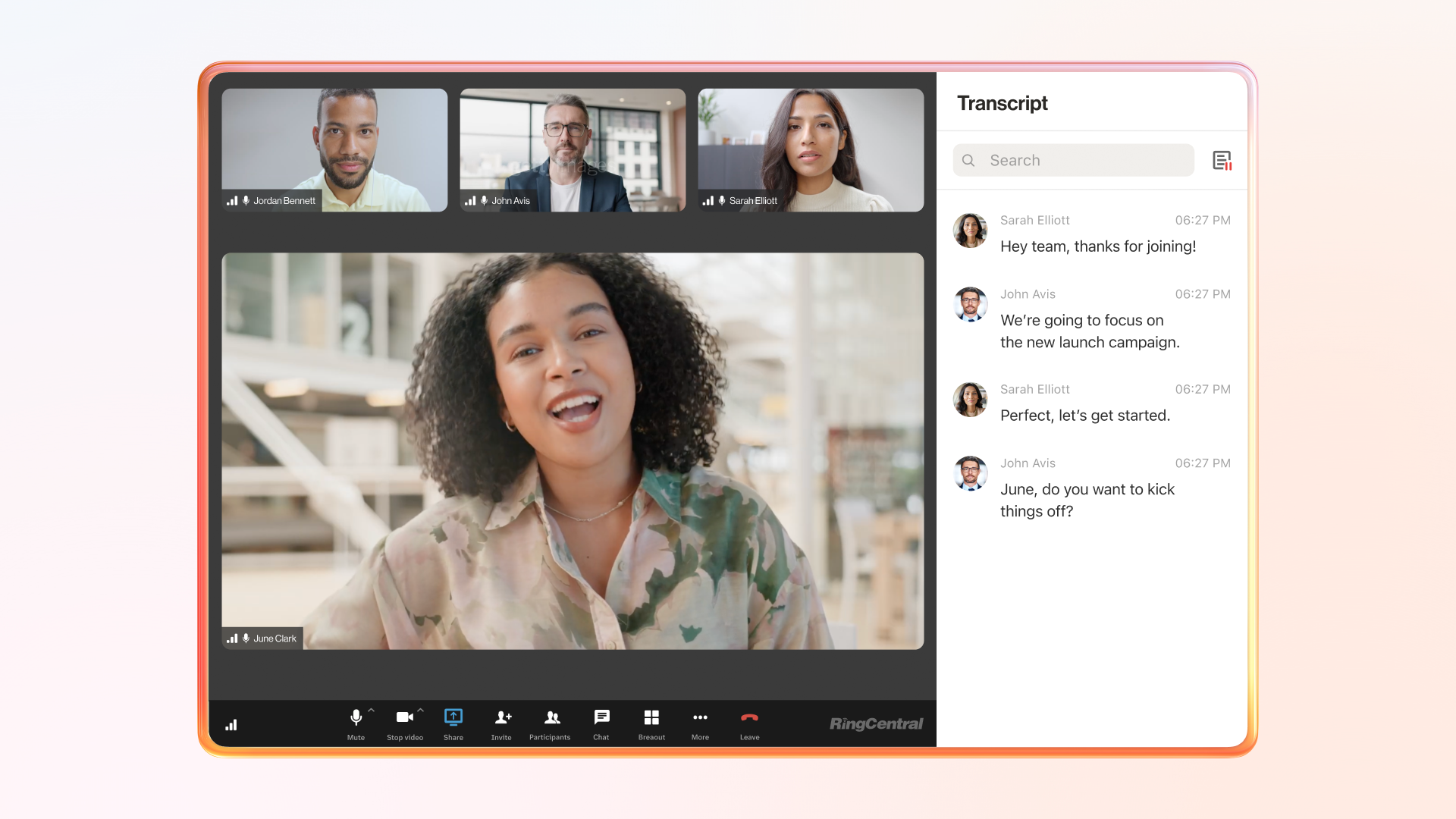
Beyond automated telephony and compliance monitoring, the July 2026 updates introduce substantial improvements to RingCentral Video, targeting the persistent friction associated with pre-meeting preparation, live engagement, and post-meeting execution. Collaboration inefficiency remains a significant drain on corporate productivity; studies consistently show that employees spend hours each week attempting to reconstruct meeting outcomes, action items, and strategic decisions from unstructured notes or incomplete recordings.
The latest video feature set leverages artificial intelligence to synthesize meeting discussions automatically, generating structured summaries and delineating clear ownership of next-step items. By transforming ephemeral conversational data into organized business context, the platform reduces the administrative burden traditionally borne by project managers and team leads. Furthermore, expanded administrative controls and elevated concurrent capacity thresholds enable large enterprises to manage virtual town halls, company-wide broadcasts, and cross-functional briefings at scale without compromising system stability or audio-visual fidelity.
Simultaneously, mobile productivity has been optimized to ensure that field workers and remote personnel retain full administrative and communication capabilities regardless of their physical location. Enhanced mobile call-handling protocols, streamlined SMS management, and intuitive user interface navigation bridge the gap between desktop workstations and mobile devices, ensuring consistent customer engagement standards across the entire workforce.
Industry Implications and Market Context
The integration of advanced agentic AI and compliance-focused analytics into unified communications as a service (UCaaS) platforms reflects a broader industry consolidation. Enterprises are increasingly reluctant to manage disparate point solutions for voice, video, customer relationship management (CRM) logging, and compliance monitoring. By consolidating these functions into a single, AI-driven platform, vendors like RingCentral are positioning unified communications as the central nervous system of the digital enterprise.
Industry analysts note that the economic value proposition of such platforms lies in quantifiable operational efficiencies. Reduced average handle times in customer support centers, lower error rates in regulatory data handling, and diminished administrative overhead translate directly into measurable return on investment (ROI). Moreover, the democratization of advanced analytics through intuitive dashboards enables mid-market and enterprise organizations alike to derive strategic insights from routine customer interactions that were previously lost in unstructured audio recordings and text logs.
Looking forward, the roadmap for enterprise communications will likely be defined by the degree to which AI agents can seamlessly orchestrate workflows across enterprise resource planning (ERP), CRM, and human capital management (HCM) systems. RingCentral’s ongoing development of the RingEX ecosystem—highlighted by continuous community engagement initiatives such as the monthly RingEX Unlocked webinar series—demonstrates a proactive approach to product iteration driven by direct user feedback and enterprise demand.
For organizations evaluating their communications infrastructure, the distinction between legacy telephony systems and modern, AI-augmented platforms has never been sharper. As RingCentral prepares for its upcoming product sessions in September 2026, the focus remains fixed on empowering businesses to communicate with greater intelligence, security, and effortless scale across every available digital channel.
Related posts: