Answer Engine Optimization: Beyond the Checklist, a Strategic Imperative for Brand Growth and Influence Orchestration

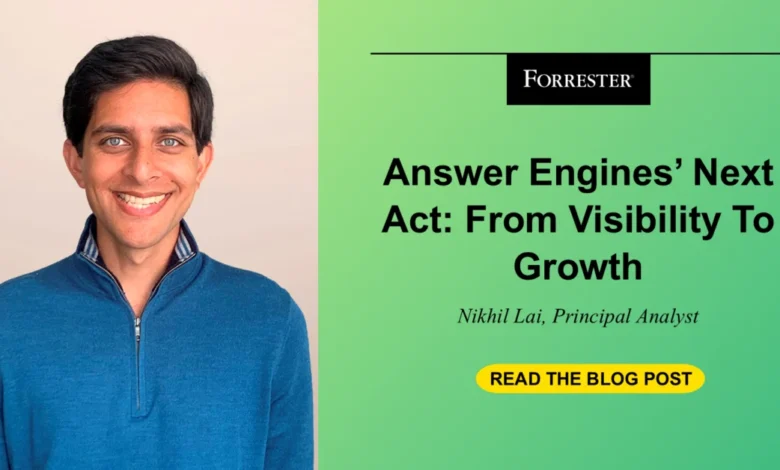
Treating Answer Engine Optimization (AEO) best practices as mere checklist activities is a fundamental misunderstanding that overlooks the profound impact these emergent technologies have on brand strategy and the intricate, interdisciplinary workflows required for success. True, differentiated AEO demands that marketers transcend a tactical approach and embrace a strategic vision, understanding the pivotal role answer engines play throughout the entire customer funnel and the novel methods they employ to orchestrate influence. This paradigm shift is not merely about optimizing for search results; it’s about shaping brand perception, driving demand, and fostering deep buyer engagement in an increasingly AI-driven landscape.
Answer Engines: The New Brand Billboards Shaping Consumer Journeys
Unlike traditional search engines, which primarily serve to harvest pre-existing demand generated upstream, answer engines function more akin to sophisticated brand media. They are not passive repositories of information but active architects of consumer journeys. These platforms, exemplified by leading artificial intelligence models like ChatGPT, Claude, and Gemini, possess the unique capability to generate demand, thereby elevating branded search activity. They imbue brands with salience and vitality, cultivating the memory structures that buyers retain and draw upon throughout their decision-making processes.
The primary audience that marketers must now influence resides within these answer engines. These platforms dictate not only when but also how consumers form their preferences. By inducing buyers to ask branded questions early in their exploration phases, engines like ChatGPT transform nascent curiosity into guided, branded journeys. Consider the evolution of a consumer’s query: a broad question like "What are the best high-yield savings accounts?" rapidly evolves into a more specific, brand-oriented inquiry such as, "Is Marcus by Goldman Sachs worth it for someone with $50,000 in savings?" This illustrates the power of answer engines to contextualize brands and foster a deeper, more nuanced evaluation process, moving far beyond simple information retrieval.
Forrester’s research indicates a significant shift in consumer behavior, with a growing percentage of individuals turning to AI assistants for product and service recommendations. A recent study projected that by 2025, over 50% of all search queries will be voice-activated or through AI interfaces, further underscoring the ascendancy of answer engines as critical touchpoints. This necessitates a recalibration of marketing strategies, moving from simply being found to actively being presented and positively framed within these new conversational interfaces.
The Crucible of Cross-Functional Coordination: Orchestrating Influence in the Age of AI
The process of influencing when and how answer engines mention and cite specific brands is an intricate challenge that defies siloed marketing efforts. The "opinions" or outputs of these engines are a complex synthesis derived from a vast and diverse array of sources. Consequently, effectively influencing them requires a comprehensive, omnichannel, and inherently cross-functional endeavor.
Answer Engine Optimization (AEO) is not the sole purview of SEO specialists. It necessitates the collaborative efforts of multiple departments, including marketing, public relations, content creation, and even product development, all working in concert to shape visibility and sentiment across highly cited and influential sources. These sources often include reputable publications like Forbes, professional networking platforms such as LinkedIn, community forums like Reddit, and video-sharing sites like YouTube. The true key to orchestrating influence in this new era lies in the strategic convergence of search and social media strategies.
Social listening data has emerged as an indispensable input for AEO. It provides marketers with invaluable insights into how ideas and narratives circulate, offering a more holistic understanding than simply tracking query volumes. Social media platforms, with their aggregation of frequently asked questions and the authentic, often vulnerable voices of consumers, stand in stark contrast to traditional brand and product marketing speak. This authenticity and conversational nature makes social media content highly visible and influential within answer engines. Viral narratives, the language, examples, and sentiments that gain traction on social platforms, directly supply the raw material that answer engines rely upon. Therefore, social media has become a primary driver of AEO outcomes.
To achieve operational synergy, SEO and social media practitioners must align around shared objectives, such as enhancing brand visibility and improving sentiment. This requires a breakdown of traditional departmental barriers and the establishment of integrated workflows. For instance, insights gleaned from social media conversations about common customer pain points can inform the creation of SEO-optimized content that directly addresses these concerns, thereby increasing the likelihood of being surfaced by answer engines.
Transforming Search Marketing into AI-Integrated Brand Building
Forrester’s latest report, "Turn AEO Into Brand Growth," delves deeply into the nuanced role of answer engines within the consumer funnel. It provides a comprehensive framework for marketers to adopt an AI-integrated brand-building approach, essential for effectively influencing the outputs of these powerful platforms. The report clarifies the evolving future of answer engines, projecting a significant increase in integrated advertising and direct shopping functionalities, further cementing their position as crucial commercial hubs.
To empower marketers further, Forrester is developing an Answer Engine Optimization Capability Prioritization Tool. This innovative tool is designed to help marketing professionals assess the importance, effectiveness, and inherent difficulty of various content, technical, and measurement capabilities critical to successful AEO. By leveraging this tool, organizations can establish an AEO center of excellence, systematically identify and prioritize areas for improvement, and strategically build the necessary skills within their teams.
Furthermore, an upcoming report, "The Answer Engine Optimization Technologies Landscape, Q3 2026," will offer a detailed analysis of the technologies available to automate and optimize brand visibility and sentiment across answer engines. This resource will be instrumental for marketers seeking to navigate the rapidly evolving AEO technology landscape and make informed investment decisions.
The implications of this shift are far-reaching. Brands that fail to adapt to the strategic demands of AEO risk becoming invisible in a landscape where consumer discovery and preference formation are increasingly mediated by AI. The ability to orchestrate influence across a diverse range of digital touchpoints, from authoritative publications to candid social media discussions, will become a defining characteristic of successful brands in the coming years.
Broader Impact and Implications: A New Frontier for Marketing
The rise of answer engines represents a fundamental redefinition of the digital marketing landscape. It is no longer sufficient for brands to simply create content and optimize it for search algorithms. The emphasis has shifted towards creating content that resonates authentically, fosters genuine engagement, and ultimately, shapes the narratives that AI systems will utilize.
The integration of AI into brand building is not a distant future; it is a present reality. Marketers must embrace this evolution by developing a deeper understanding of how AI models process information and how consumer trust is cultivated within these new digital ecosystems. This necessitates a move towards more transparent, ethical, and user-centric marketing practices.
The cross-functional coordination required for effective AEO also highlights a broader trend in modern business: the imperative for breaking down traditional organizational silos. As information flows more freely and technologies become more interconnected, the ability of different departments to collaborate effectively will be a significant competitive advantage. AEO serves as a prime example of how marketing efforts can be amplified when integrated with insights and strategies from other business functions.
The increasing commercialization of answer engines, with the anticipated rise in advertising and shopping functionalities, will further blur the lines between content discovery and purchasing decisions. Brands that can successfully navigate this integrated environment, providing valuable information and seamlessly guiding consumers towards purchase, will be best positioned for growth. This requires a sophisticated understanding of the entire customer journey, from initial awareness to final conversion, all within the context of AI-driven interactions.
In conclusion, Answer Engine Optimization is not a tactical adjustment but a strategic imperative. It demands a profound understanding of how consumers interact with AI, a commitment to cross-functional collaboration, and a forward-looking approach to brand building. By embracing these principles, marketers can not only ensure their brand’s visibility but also cultivate meaningful connections and drive sustainable growth in the age of artificial intelligence. As Forrester continues to explore this dynamic field, marketers are encouraged to engage with their research and guidance sessions to navigate this evolving landscape effectively.