Meta Platforms Inc. transitioned into 2023 following a period of intensive infrastructure refinement characterized by the deployment of advanced automation, expanded short-form video capabilities, and a fundamental shift in how advertising data is processed across its global ecosystem. Throughout the final quarter of 2022, the company introduced a series of updates to its Facebook and Instagram platforms, signaling a strategic pivot toward machine learning-driven results and streamlined content management for creators and brands. These developments represent Meta’s response to a complex macroeconomic environment and the ongoing technical challenges posed by third-party privacy restrictions, such as Apple’s App Tracking Transparency (ATT) framework.
The Shift Toward Advertising Automation and the Advantage+ Suite
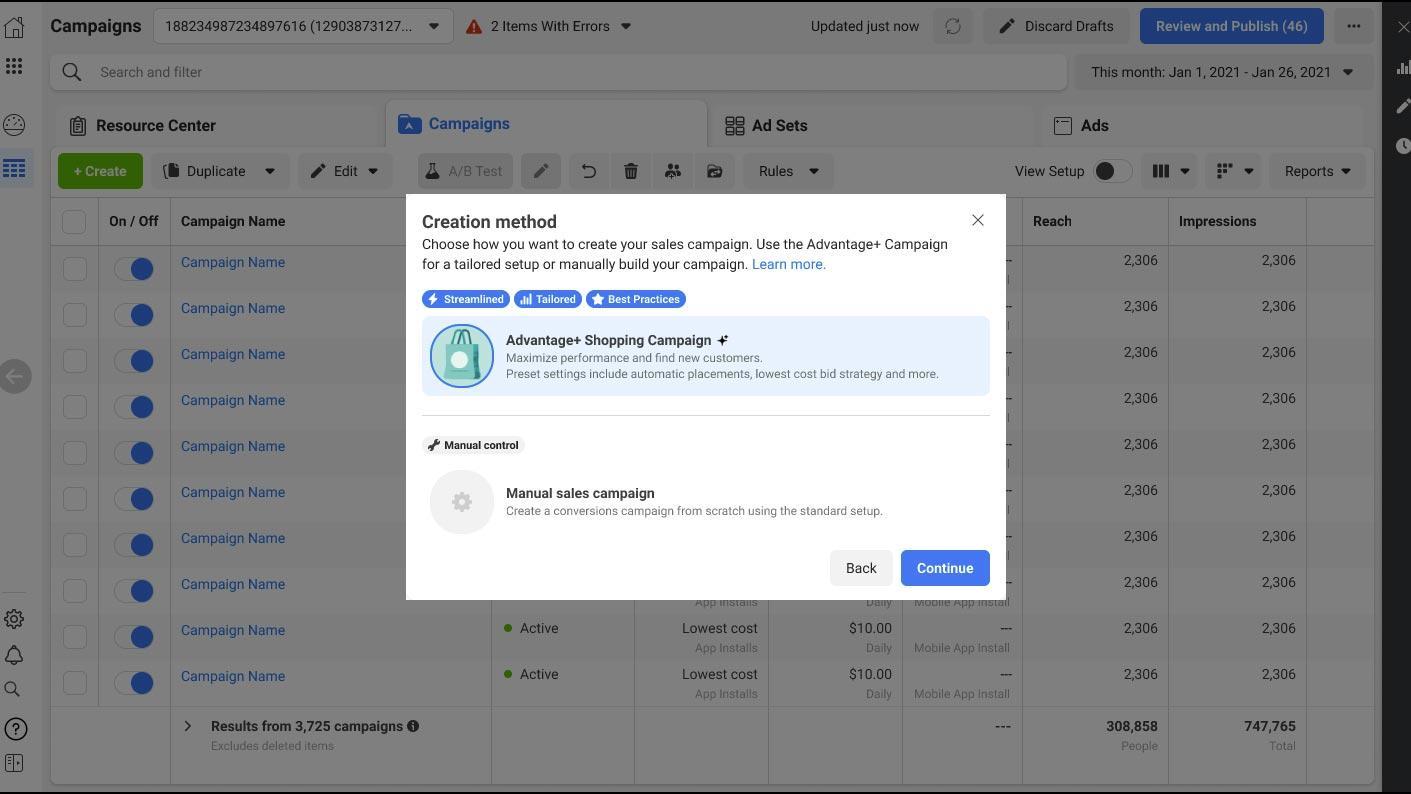
The central pillar of Meta’s current advertising strategy is the Advantage+ suite, a collection of automated tools designed to optimize campaign performance through machine learning. This initiative marks a significant departure from manual audience targeting, which has become increasingly fragmented in the post-iOS 14.5 era. Meta’s internal data suggests that Advantage+ Shopping campaigns have already yielded a 12% lower cost-per-purchase conversion compared to traditional manual ad configurations.
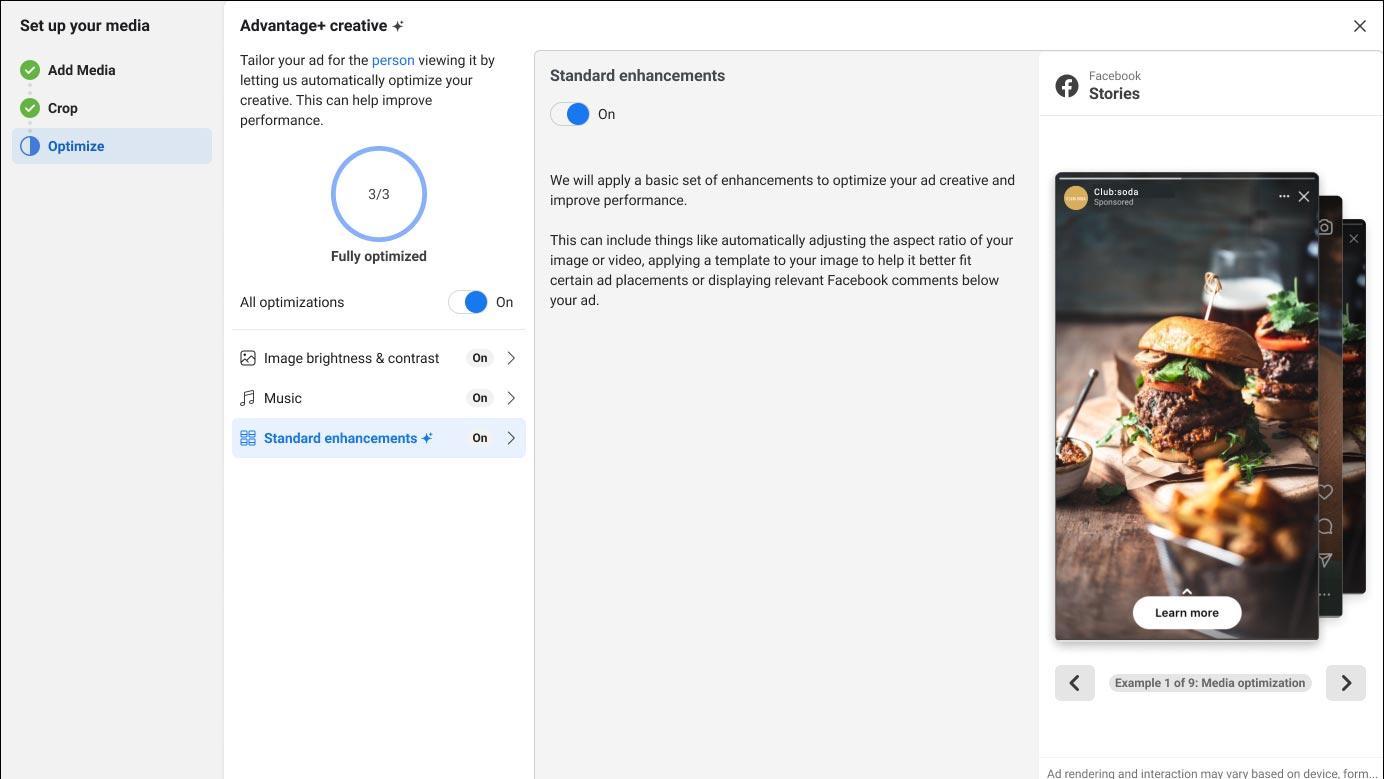
The Advantage+ ecosystem is categorized into two primary functions: automated individual products and automated end-to-end campaigns. Key features within this suite include Advantage+ Creative, which utilizes artificial intelligence to adjust ad creative for individual viewers based on predicted responsiveness, and Advantage+ Audience, which develops personalized targeting profiles based on Page-specific data. By leveraging these tools, Meta aims to mitigate the loss of granular tracking data by allowing its proprietary algorithms to identify high-value users through on-platform behavioral signals.
Operational Efficiency and Instagram Native Content Scheduling
In an effort to improve the workflow for creators and small-to-medium enterprises (SMEs), Instagram officially launched native content scheduling within its mobile application in late 2022. This feature allows Business and Creator accounts to schedule Reels, photos, and carousel posts up to 75 days in advance directly from the app interface. Previously, such functionality was largely restricted to desktop-based tools like Creator Studio or third-party social media management platforms.
The introduction of native scheduling is viewed by industry analysts as a move to increase platform retention among professional users. To utilize the tool, users navigate to "Advanced Settings" prior to publication, where they can specify a date and time for the content to go live. However, Meta has noted specific limitations: certain high-engagement features, such as product tagging, cross-posting to Facebook, and post-boosting, are not currently supported for scheduled content, necessitating manual intervention for campaigns requiring these specific integrations.
Video Integration and the Reels Revolution
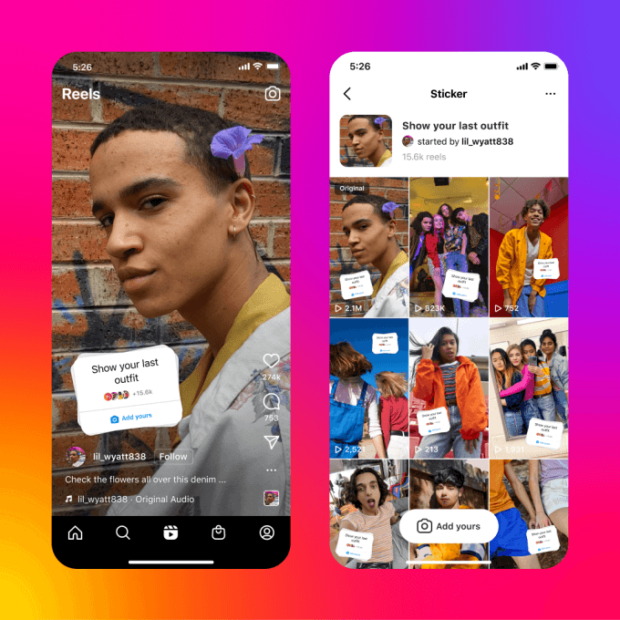
Throughout 2022, Meta executed a forced convergence of its video formats, mandating that almost all new video uploads under 15 minutes be shared as Reels. This move effectively retired the legacy IGTV and standard feed video formats in favor of a singular, full-screen vertical experience. The strategic rationale behind this shift is the superior engagement and monetization potential of the Reels format, which has become Meta’s fastest-growing content category.
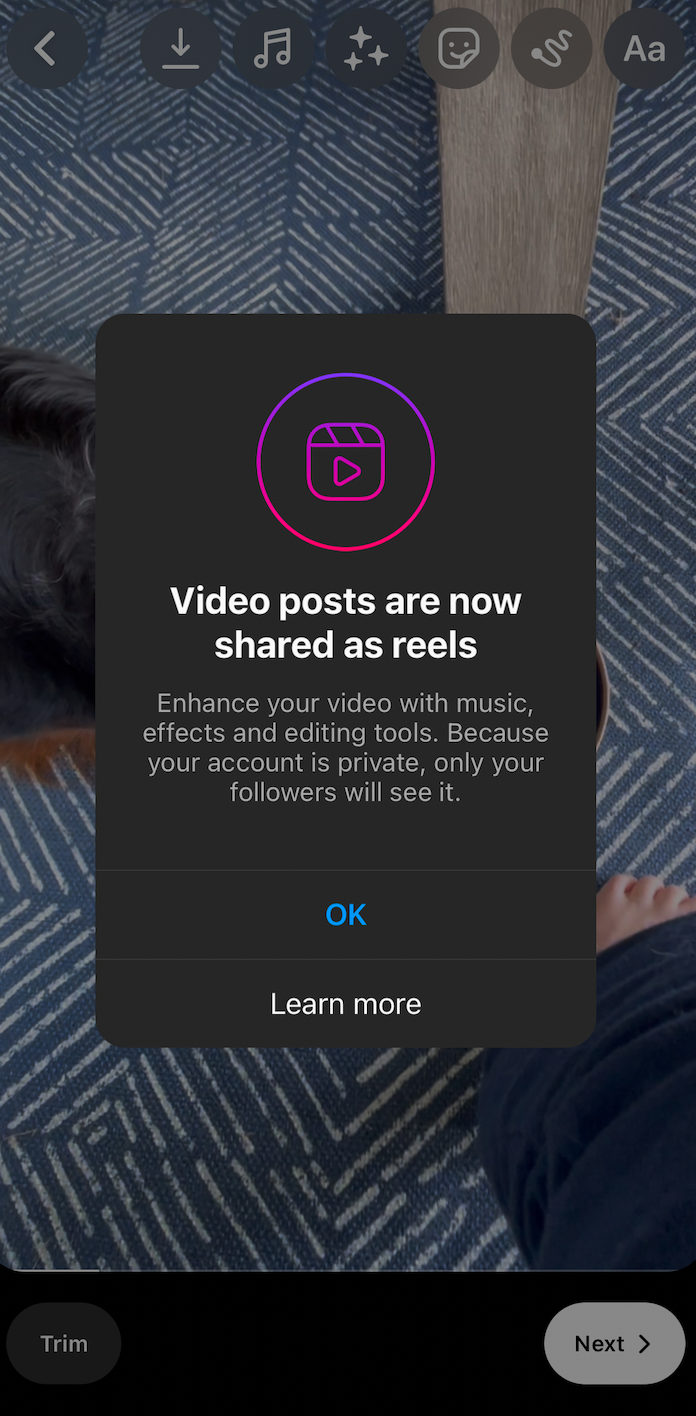
To support this transition, Meta introduced an API for Reels, allowing third-party developers to integrate publishing, analytics, and comment moderation features. This development is crucial for enterprise-level brands that rely on centralized social media management dashboards to oversee global content strategies. Furthermore, the ability to "boost" Reels within the Instagram app has provided SMEs with a simplified entry point into paid short-form video advertising, provided the content does not utilize third-party intellectual property, such as copyrighted music or filters.

Brand Safety Milestones and MRC Accreditation
A critical component of Meta’s 2022 achievements was the receipt of accreditation from the Media Rating Council (MRC) for content-level brand safety on Facebook. This accreditation followed an extensive independent audit of Meta’s policies, internal processes, and technical controls. The review specifically validated Meta’s Partner Monetization Policies and Content Monetization Policies as applied to Instant Articles and In-Stream video across desktop and mobile platforms.
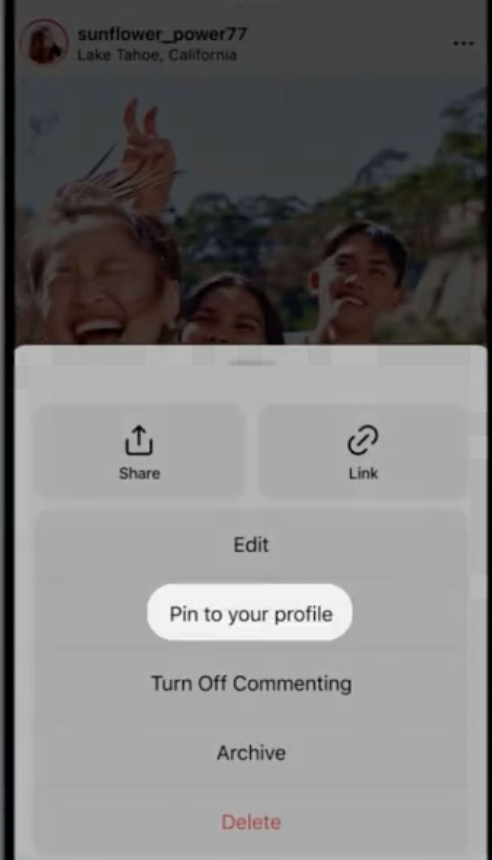
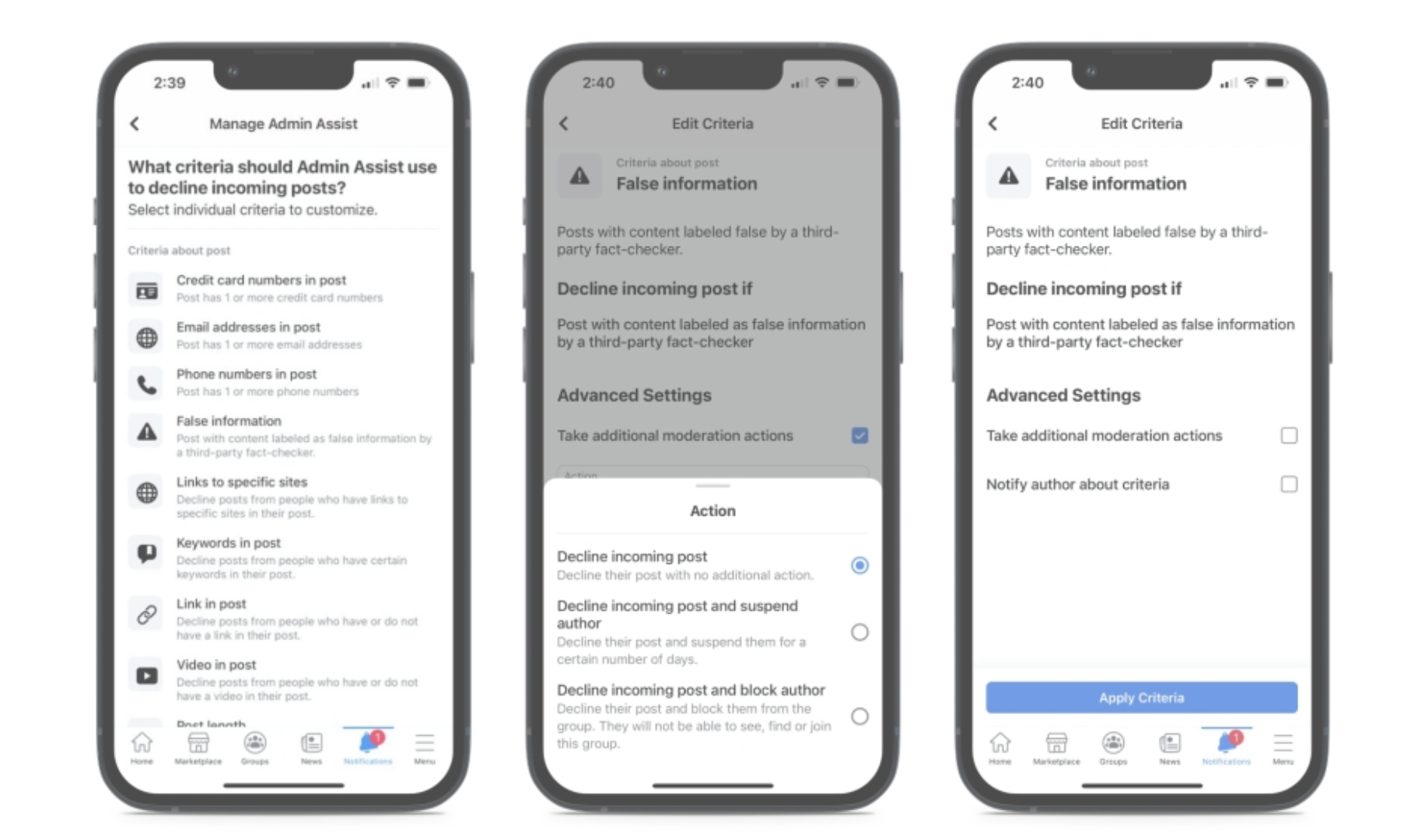
In conjunction with this accreditation, Meta began testing a content-based inventory filter for both Facebook and Instagram feeds. This tool allows advertisers to select the type of content adjacent to which their ads appear, offering a granular level of control intended to prevent brand association with sensitive or controversial topics. This focus on "suitability" is a direct response to advertiser demands for more transparent and secure digital environments.

Intellectual Property Protection and the Creator Marketplace
To address the rising concerns regarding digital ownership and content piracy, Meta launched a new Intellectual Property (IP) Reporting API. Integrated with the Graph API, this tool allows rights holders to report suspected violations across Facebook and Instagram in a streamlined, automated fashion. This is complemented by the Brand Rights Protection feature in Business Manager, which utilizes machine learning to identify counterfeit products, impersonation, and trademark violations.
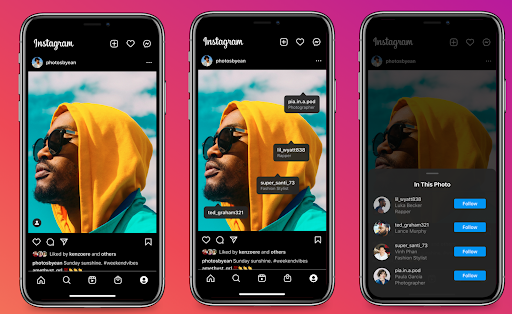
Simultaneously, Meta expanded access to the Instagram Creator Marketplace, a discovery platform that connects brands with influencers. The marketplace features advanced filtering options, allowing businesses to search for creators based on audience demographics, interests, and past performance metrics. These tools are designed to professionalize the "creator economy" by facilitating transparent communication and deliverable tracking within the Meta ecosystem.
Chronology of Strategic Platform Shifts (2020–2022)
The current state of Meta’s platforms is the result of a multi-year trajectory defined by several key milestones:
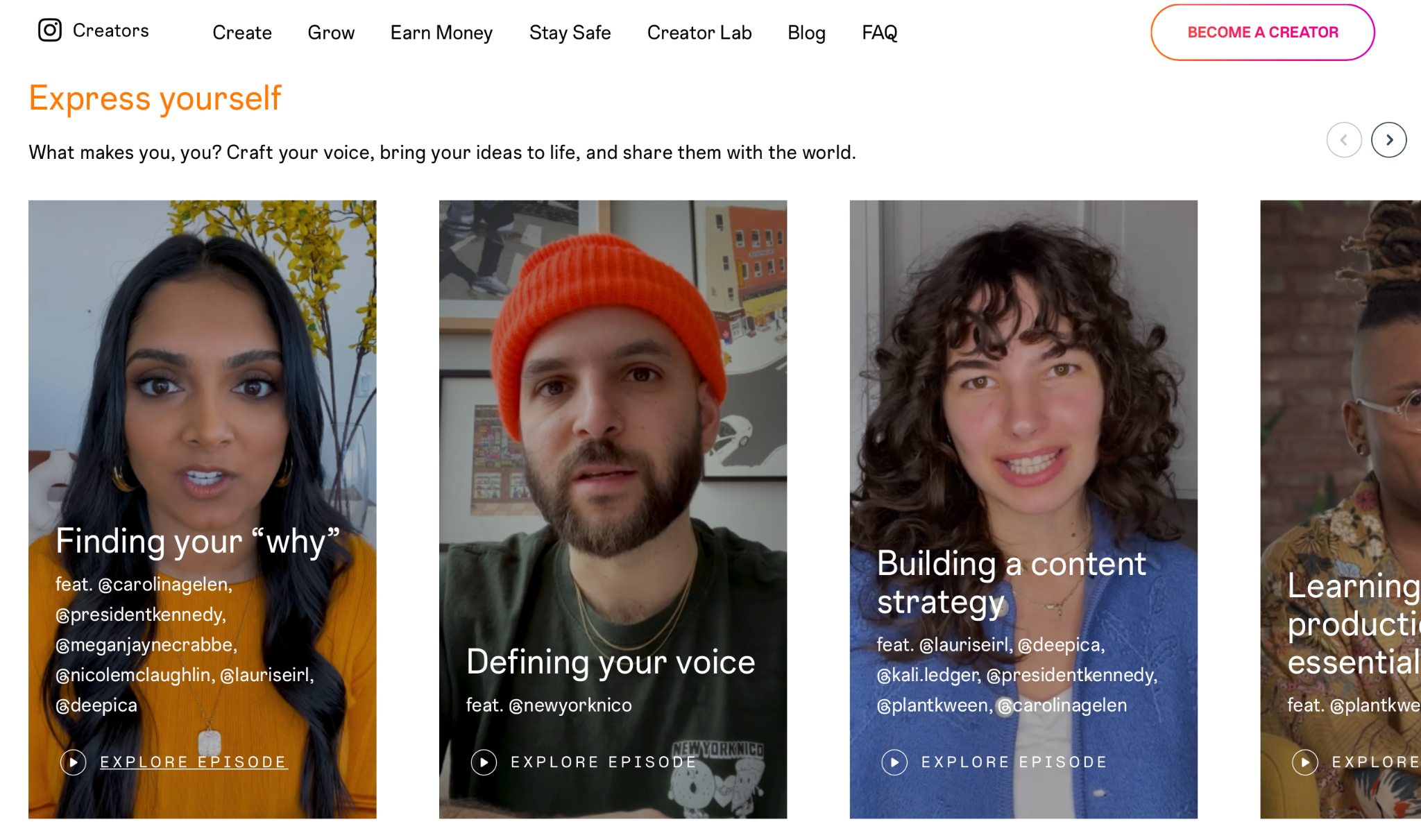
- 2020: The Privacy Pivot: Meta (then Facebook) introduced the "Clear History" tool and began preparing for the California Consumer Privacy Act (CCPA), signaling a new era of user-centric data control.
- 2021: The Rebrand and the ATT Challenge: The company rebranded as Meta Platforms Inc. to reflect its long-term vision for the Metaverse. During this year, Apple’s App Tracking Transparency (ATT) update forced Meta to overhaul its ad targeting and reporting infrastructure.
- 2022: Consolidation and Automation: The year was defined by the merging of video formats into Reels and the launch of the Advantage+ automation suite to reclaim advertising efficiency lost to privacy changes.
- 2023: The Roadmap Ahead: Meta enters 2023 with a continued emphasis on the Metaverse (having invested over $36 billion to date), the monetization of Facebook Groups, and the integration of e-commerce payments directly within messaging threads.
Small Business Support and Social Commerce Integration
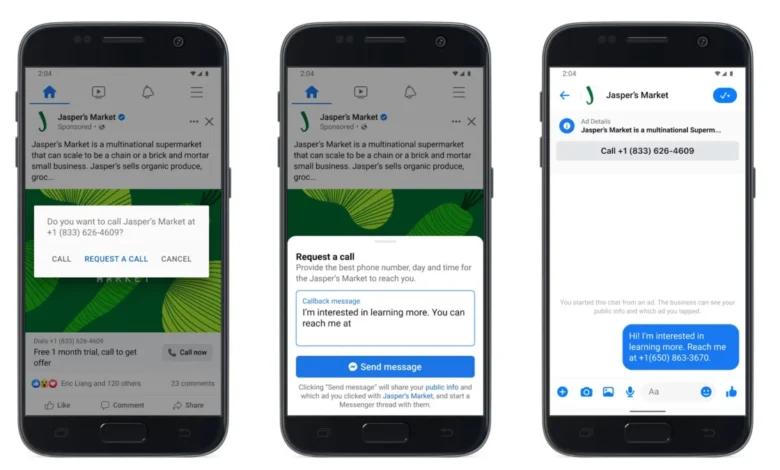
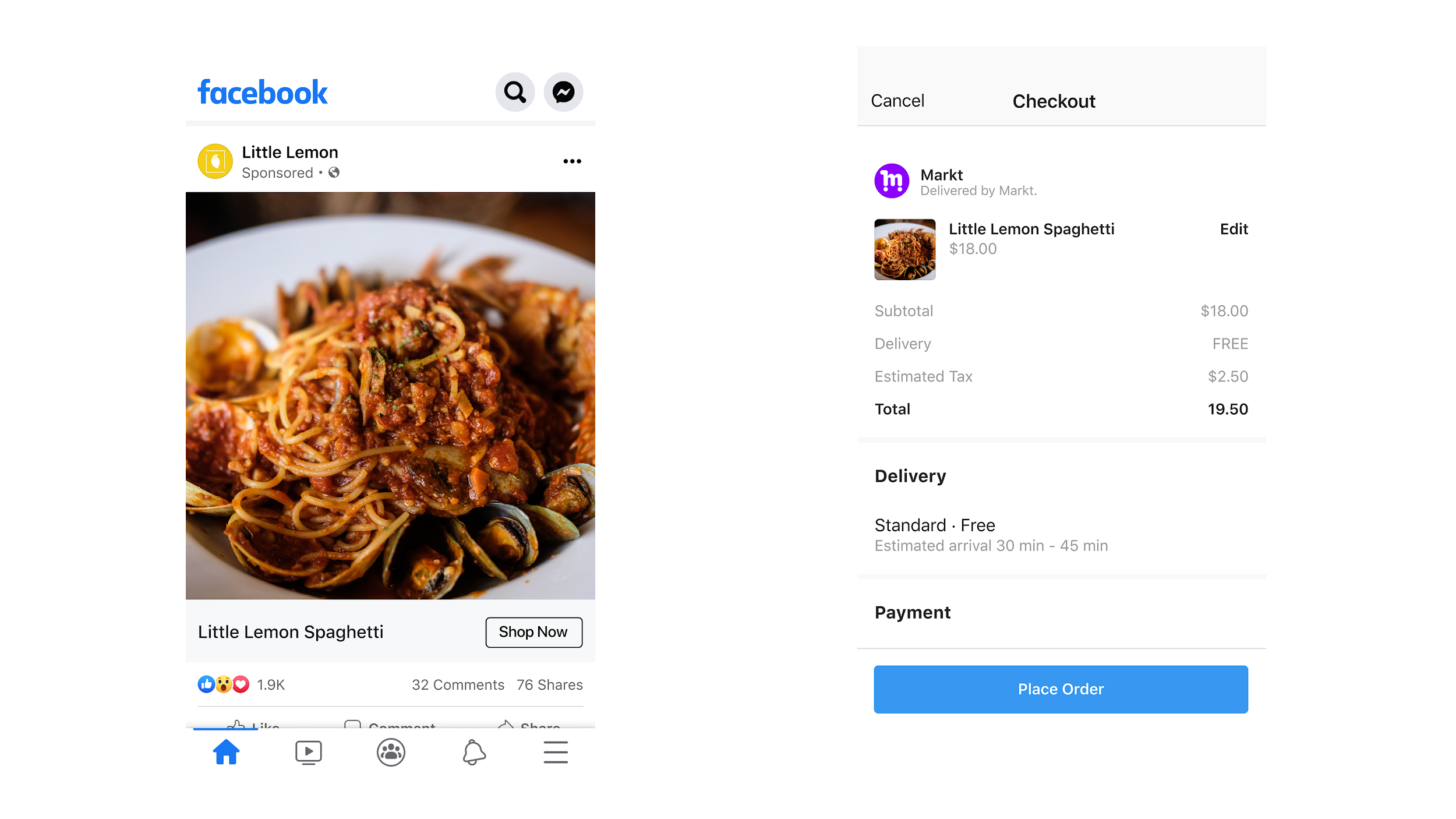
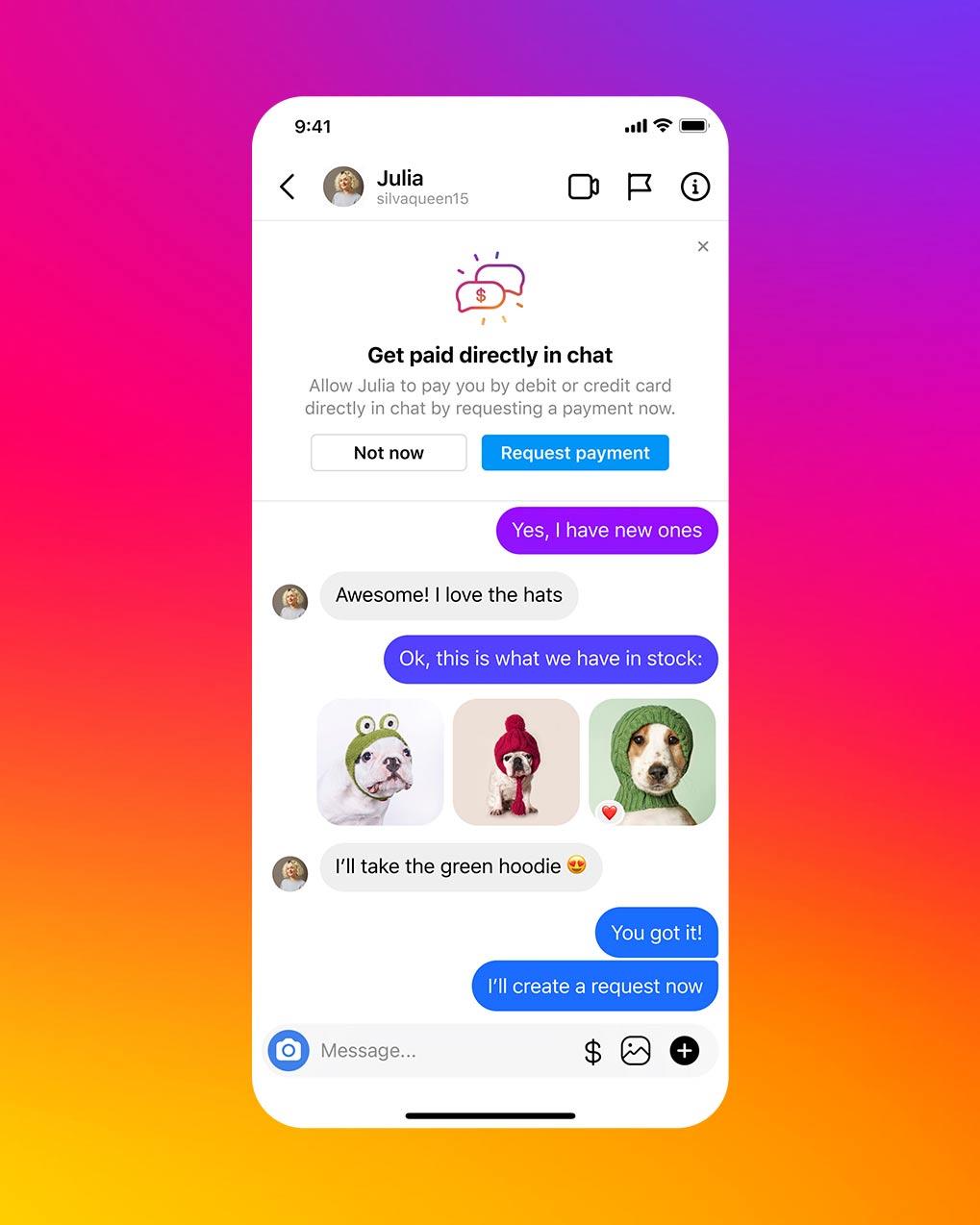
Meta has continued to deepen its integration of social commerce, particularly through WhatsApp and Instagram Direct Messages (DMs). In select markets, eligible sellers can now accept payments directly within Instagram chats, allowing for a seamless transition from product discovery to transaction without exiting the application. This is supported by the "Collaborative Ads" feature, which enables local delivery services and consumer packaged goods (CPG) brands to drive awareness for products that are currently in stock at nearby retail locations.
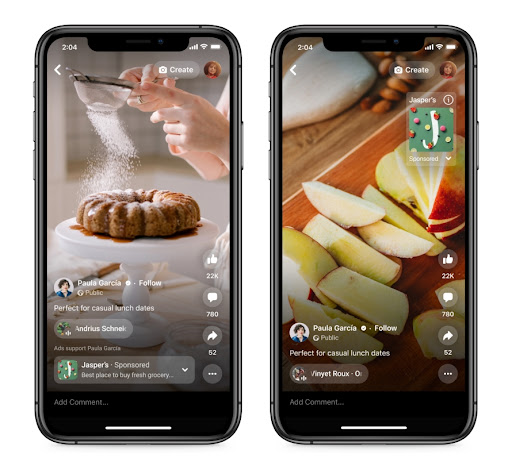
For small businesses, Meta released a comprehensive suite of resources during the 2022 holiday season, including the "Small Business Studios" initiative. This program provided on-demand video courses and creative training to help SMEs navigate the complexities of digital marketing during peak sales periods.
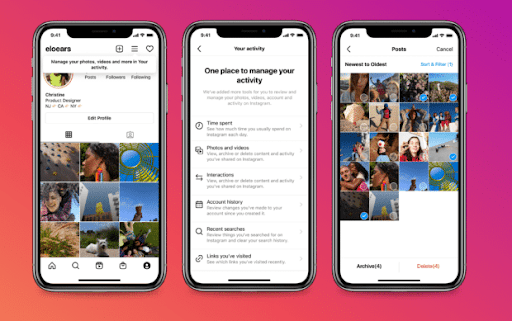
Fact-Based Analysis of Implications
The rapid evolution of Meta’s features suggests a broader industry trend toward "black box" advertising, where the platform’s AI makes the majority of creative and targeting decisions. While this reduces the operational burden on marketers, it necessitates a higher degree of trust in Meta’s algorithmic transparency. The shift to Reels also indicates that the battle for user attention is now firmly centered on short-form, algorithmically-curated video, mirroring the success of competitors like TikTok.
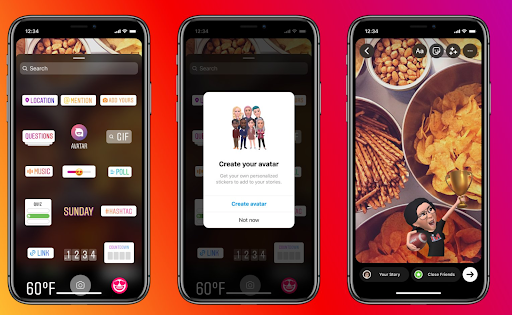
Furthermore, Meta’s investment in the Metaverse—despite a lack of immediate commercial success—highlights a long-term strategic bet on the next generation of digital interaction. However, for the immediate future, Meta’s revenue remains tethered to its ability to prove ROI to advertisers through its legacy apps. The 2023 roadmap, focused on Advantage+ and Reels, shows that the company is prioritizing the stabilization of its core advertising business while building the infrastructure for a virtual future.
As Meta continues to refine its brand safety accredited systems and creator-centric tools, the platform is positioning itself as a more integrated, automated, and secure environment. For global marketers, the implication is clear: success in 2023 will depend on the effective adoption of automation and the creative mastery of short-form video.
Related posts: