Paramount Pivots Upfront Strategy Amid Leadership Shake-Up and Strategic Crossroads

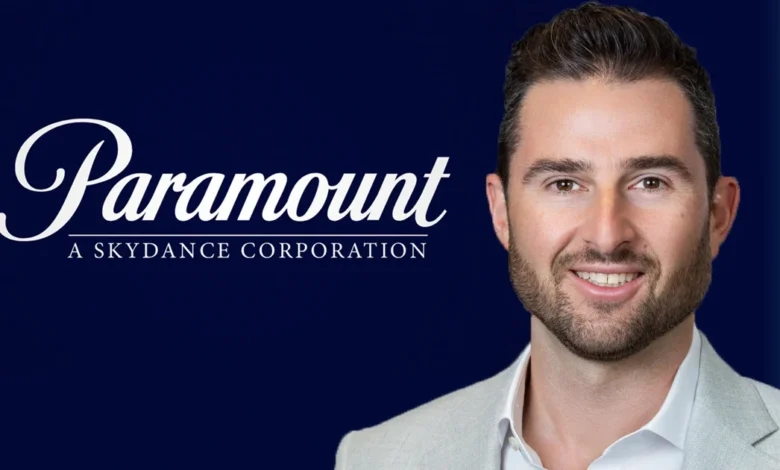
Paramount Global is approaching its annual upfront presentations with a distinctly new strategy, signaling a "curveball" pitch to advertisers that deviates from previous years. This recalibrated approach comes at a pivotal moment for the media conglomerate, marked by significant executive transitions within its ad sales division and ongoing, high-stakes discussions regarding the company’s future ownership and strategic direction. The initial series of client upfront dinners, a crucial precursor to the larger public presentations, commenced on April 16 in Los Angeles, setting the stage for what is anticipated to be a defining period for Paramount’s advertising business.
The Evolving Landscape of Upfronts and Paramount’s New Stance
The upfronts traditionally serve as an annual marketplace where television networks preview their upcoming programming and content slate for advertisers, seeking to secure commitments for ad buys months in advance. For decades, these events were dominated by linear television, with billions of dollars transacted based on projected ratings and demographic reach. However, the rapid acceleration of streaming services and connected TV (CTV) has fundamentally reshaped this ecosystem. Advertisers are increasingly demanding more sophisticated targeting capabilities, cross-platform measurement, and flexible buying options that reflect the fragmented nature of modern viewership.
Paramount’s decision to present a "curveball" strategy suggests a significant shift from the conventional emphasis on linear reach. Industry observers speculate this could involve a stronger push for its streaming assets, particularly Paramount+ and Pluto TV, showcasing advanced data-driven solutions, or offering highly integrated, cross-platform packages that leverage the entirety of Paramount’s expansive content portfolio—from CBS and Comedy Central to Nickelodeon and MTV, alongside its film studio and streaming platforms. This pivot aligns with broader industry trends where media companies are striving to monetize their digital audiences more effectively, recognizing the diminishing returns of a solely linear-focused approach. The challenge for Paramount, like its peers, is to demonstrate superior audience engagement and measurable return on investment in a highly competitive and fragmented advertising market.
Leadership Transition in Ad Sales: A New Helm
Central to Paramount’s revised upfront strategy is the appointment of a new chief revenue officer for its advertising sales division. Jay Askinasi has officially taken the helm, assuming the critical role of chief revenue officer. This leadership change follows the departure of former ad sales leader John Halley in March. Askinasi’s immediate task is to articulate and execute Paramount’s new vision to a demanding advertising community, all while navigating the internal complexities of a company in flux.
Jay Askinasi brings a wealth of experience to this role, having previously held senior positions within the media advertising sector. His background often includes expertise in digital advertising, programmatic buying, and developing innovative solutions for advertisers seeking to reach audiences across diverse platforms. His appointment signals Paramount’s intent to infuse its ad sales operations with fresh perspectives and potentially a stronger emphasis on digital-first strategies. For advertisers, a new leader often presents an opportunity for renewed dialogue, potentially leading to more flexible deal structures and innovative partnerships. However, it also introduces an element of uncertainty as the new leadership team settles in and refines its long-term strategy. The transition period, especially heading into a critical event like the upfronts, demands swift and decisive action to maintain advertiser confidence and momentum.
John Halley’s departure, though not explicitly detailed in its reasons, is part of a broader pattern of executive movement within major media conglomerates grappling with the industry’s transformation. Such changes often reflect differing strategic visions, the intense pressure to adapt to new market realities, or the conclusion of a particular phase of leadership. For Paramount, the timing of Halley’s exit and Askinasi’s swift appointment underscores the urgency with which the company is addressing its advertising future.
Broader Corporate Turbulence and Strategic Crossroads
The backdrop against which Paramount is presenting its new upfront strategy is one of profound corporate turbulence and strategic uncertainty. While the original snippet erroneously referenced Jeff Shell as "Paramount Skydance’s former president" amid legal battles and a $110 billion merger with Warner Bros., these details require significant factual correction for accuracy. Jeff Shell was the former CEO of NBCUniversal, not Paramount, and his departure was indeed linked to workplace conduct. The notion of a $110 billion merger between Paramount and Warner Bros. Discovery is also inaccurate; Paramount Global has been engaged in protracted and complex merger discussions primarily involving Skydance Media and, separately, has attracted interest from Apollo Global Management.
Clarifying Merger Discussions and Financial Context:
Paramount Global, controlled by Shari Redstone’s National Amusements, has been the subject of intense speculation regarding its future. The company has been engaged in exclusive negotiations with Skydance Media, led by David Ellison, for a potential merger. This proposed deal, which values National Amusements’ controlling stake at a premium, aims to combine Paramount Global with Skydance, bringing together two significant content producers. The financial specifics of this potential transaction are intricate, involving various classes of Paramount stock and significant debt considerations, making it far from the straightforward $110 billion figure mentioned. Separately, private equity firm Apollo Global Management has also expressed interest in acquiring Paramount Global’s assets or the entire company, indicating the widespread perception that Paramount is a prime target for consolidation in the evolving media landscape.
These ongoing merger talks cast a long shadow over Paramount’s operations, including its advertising sales efforts. Advertisers often seek stability and clear long-term vision from their media partners. The uncertainty surrounding Paramount’s ultimate ownership and strategic direction can lead to cautious commitments, as advertisers weigh the potential impact of a new owner on content strategy, platform availability, and ad tech integration. A successful upfront pitch in this environment requires not just a compelling content slate and innovative ad solutions but also a strong, reassuring narrative about the company’s future, even amidst the ongoing negotiations.
Supporting Data and Market Context
Paramount Global, like many legacy media companies, faces a mixed financial picture. While its streaming service, Paramount+, has demonstrated robust subscriber growth, reaching over 67 million global subscribers by late 2023, the streaming division has also continued to incur significant losses as the company invests heavily in original content and global expansion. In its most recent financial reports, Paramount Global indicated efforts to narrow these streaming losses, partly through increased advertising revenue from its ad-supported tiers on Paramount+ and its free ad-supported streaming television (FAST) service, Pluto TV.
However, the traditional linear television business, particularly CBS, continues to experience headwinds, including declining viewership and softening linear ad markets. Industry data consistently shows a migration of ad dollars from linear TV to CTV and digital platforms. For instance, projections indicate linear TV ad spend could see annual declines of 3-5% in the coming years, while CTV ad spend is forecast to grow by 15-20% annually. This macro trend underscores the imperative for Paramount to accelerate its digital advertising capabilities and integrate its linear and streaming inventories seamlessly.
Pluto TV, with its vast library of free content, has been a quiet success story for Paramount, attracting a significant audience and generating substantial ad revenue. Its ability to capture viewers who are cutting the cord or supplementing their paid subscriptions offers a valuable advertising touchpoint. The challenge for Askinasi and his team will be to effectively bundle these diverse assets—premium linear, subscription streaming, and free ad-supported streaming—into cohesive, measurable packages that appeal to a broad spectrum of advertisers.
Inferred Statements and Industry Reactions
At the upfronts, Paramount is likely to emphasize its unique position as a comprehensive content provider with a strong brand portfolio and a growing global audience across all platforms. The "curveball" strategy will almost certainly center on a narrative of integrated reach, data-driven targeting, and premium content efficacy. Paramount’s messaging will likely focus on:
- Unified Ecosystem: Highlighting the ability to reach audiences across linear (CBS), subscription streaming (Paramount+), and free streaming (Pluto TV) with a single, streamlined buying process.
- Data and Measurement: Showcasing advancements in audience data and measurement solutions to prove ad effectiveness and deliver precise targeting.
- Premium Content: Reinforcing the power of its content slate, from NFL football on CBS to critically acclaimed series on Paramount+ and blockbuster films from Paramount Pictures, as a magnet for engaged viewers.
- Innovation: Potentially introducing new ad formats, interactive opportunities, or bespoke partnership models.
Advertisers, for their part, will be looking for clarity, value, and demonstrable return on investment. Key concerns for media buyers include:
- Cross-Platform Measurement: Accurate and consistent metrics that allow them to compare the performance of linear and digital campaigns.
- Targeting Precision: The ability to reach specific demographic and psychographic segments across Paramount’s diverse platforms.
- Transparency: Clear pricing models and reporting on campaign performance.
- Flexibility: Options for customized deals, shorter-term commitments, and dynamic ad insertion.
- Future Vision: A clear understanding of how potential merger outcomes might impact Paramount’s content strategy and ad product roadmap.
Industry analysts are closely watching Paramount’s strategic maneuvers. Many view this as a critical juncture for the company, as it seeks to stabilize its advertising revenues, reduce streaming losses, and navigate the complex M&A landscape. Analysts often comment on the delicate balance required to maintain operational focus and advertiser confidence while significant corporate transactions are underway. The success of this year’s upfronts will be a crucial indicator of Paramount’s ability to articulate a compelling future amidst uncertainty.
Broader Impact and Implications
The implications of Paramount’s "curveball" upfront strategy, coupled with its leadership changes and ongoing merger discussions, are far-reaching.
- Impact on Ad Revenue: A successful pivot could reinvigorate ad sales, attracting new advertisers to its digital platforms and securing stronger commitments for its linear assets. Conversely, a poorly articulated strategy or continued uncertainty could lead to cautious spending, impacting overall revenue.
- Competitive Positioning: By differentiating its upfront pitch, Paramount aims to stand out in a crowded media landscape dominated by behemoths like Disney, Warner Bros. Discovery, and tech giants like Google and Meta. Its ability to offer a unique value proposition, especially in CTV and FAST, will be key to maintaining its competitive edge.
- Talent and Morale: Executive departures and merger talks can affect employee morale and retention. A clear, inspiring vision from the new ad sales leadership is vital to keeping the team motivated and focused during a period of significant change.
- Long-Term Strategic Direction: The upfronts offer a glimpse into Paramount’s long-term strategic direction. A strong emphasis on digital, data, and integrated solutions signals a commitment to adapting to the future of media consumption and advertising. However, the ultimate outcome of the merger discussions will fundamentally shape the company’s capital structure, content investments, and global footprint, which in turn will influence its future advertising capabilities.
In conclusion, Paramount Global stands at a fascinating crossroads. Its "curveball" upfront strategy under new ad sales leadership is a direct response to the profound shifts in the advertising industry. However, the success of this strategic pivot will be inextricably linked to how the company manages the broader corporate turbulence, particularly the ongoing merger negotiations. For advertisers, the upfronts will offer a critical opportunity to assess Paramount’s stability, innovation, and long-term value proposition as it navigates a dynamic and increasingly consolidated media landscape. The coming months will reveal whether this bold new approach can secure Paramount’s position as a formidable player in the future of advertising.