The Future of E-Commerce: Optimizing Product Descriptions for the Era of Artificial Intelligence and Generative Search


The global e-commerce landscape in 2026 has undergone a fundamental transformation, shifting away from traditional keyword-centric models toward an ecosystem defined by artificial intelligence discovery and conversational search. As shoppers increasingly rely on AI assistants, generative summaries, and agentic commerce tools to navigate the digital marketplace, the methodology for writing product descriptions has evolved from a creative marketing exercise into a precise data-science requirement. For online retailers, the transition signifies a departure from the SEO strategies of 2022, necessitating a new focus on Answer Engine Optimization (AEO) and Generative Engine Optimization (GEO).
The Shift Toward Agentic Commerce
The primary driver of this change is the way consumers interact with the internet. In previous years, the consumer journey typically began with a Google search followed by a manual comparison of multiple browser tabs. In 2026, that journey is often mediated by AI agents that evaluate product data in real-time to provide a single, synthesized recommendation or a curated shortlist. These AI tools—ranging from ChatGPT and Perplexity to specialized retail assistants—do not "read" a page in the traditional sense; they parse structured fields, extract specific attributes, and match them against complex, multi-layered user prompts.
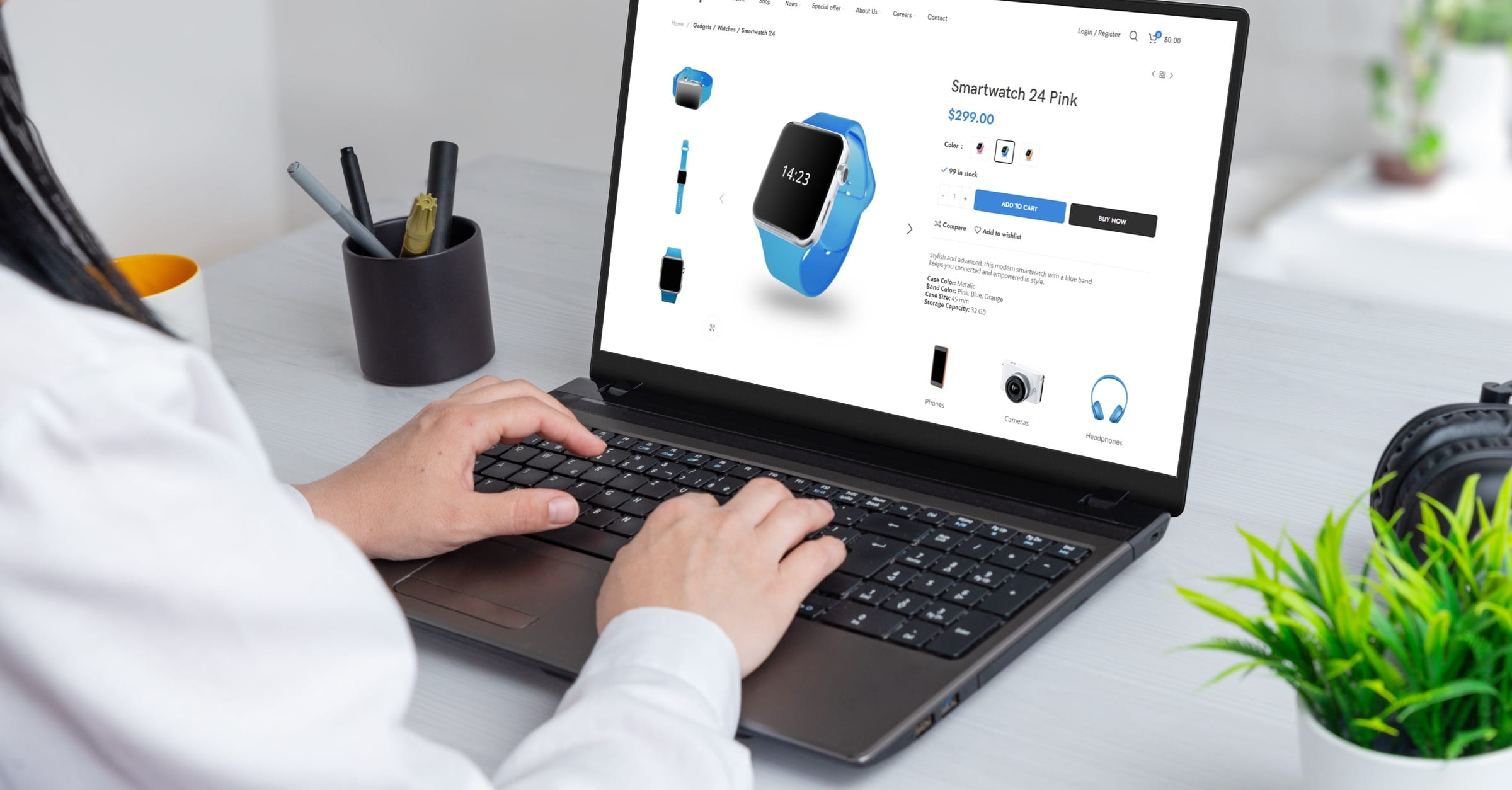
Industry data confirms the speed of this transition. According to a landmark study by adMarketplace conducted in late 2025, 60% of consumers reported using AI-driven tools as their primary method for product research. Furthermore, 55% of respondents indicated that AI-generated summaries provided more accurate and relevant results than traditional search engine results pages (SERPs). This shift has forced e-commerce teams to move beyond "fluff" marketing copy, as vague descriptions provide AI agents with no actionable data to facilitate a match.
A Timeline of Search Evolution
To understand the current state of e-commerce, it is essential to look at the chronological progression of search technology over the last four years. In 2022, the industry was focused on "keyword density" and latent semantic indexing, where the goal was to signal relevance to a crawler through repeated terms. By 2024, the introduction of Search Generative Experience (SGE) began to prioritize authoritative, long-form content that could be easily summarized.
By 2026, we have entered the era of "Structured Utility." AI agents now operate as "Answer Engines," meaning they prioritize pages that offer direct, factual answers to specific buyer questions. The focus has shifted from being "found" to being "cited" and "recommended." If a product page does not contain specific data points such as exact dimensions, material composition, or compatibility matrices in a machine-readable format, it effectively ceases to exist for a significant portion of the market.

Strategic Framework: Answer Engine Optimization (AEO)
The emergence of AEO requires a dual-track approach to content creation: one that satisfies the emotional needs of the human buyer and another that meets the technical requirements of the machine. The core of this strategy lies in matching product pages to specific buying intents. While traditional SEO categorized intent as informational, navigational, or commercial, 2026 standards require a more granular breakdown.
Market analysts have identified five primary intent patterns that now dominate AI-driven shopping:
- Attribute-Based Intent: Queries focused on specific technical specs (e.g., "stainless steel 24 oz insulated bottle").
- Use-Case Intent: Queries focused on problem-solving (e.g., "office chair for chronic lower back pain").
- Comparison Intent: Queries seeking evaluation criteria (e.g., "best network cabinet for high-heat server rooms").
- Replenishment Intent: Queries seeking exact compatibility (e.g., "replacement water filter for Keurig K-Supreme").
- Brand-Specific Intent: Queries confirming authenticity and trust signals for a known entity.
To address these intents, descriptions must lead with "hard facts." Experts suggest that the first 200 words of a product description should be dedicated to answering the most common friction points—such as "Does this fit my space?" or "Is this compatible with my existing setup?"—rather than starting with evocative storytelling.

The Technical Integrity of Product Pages
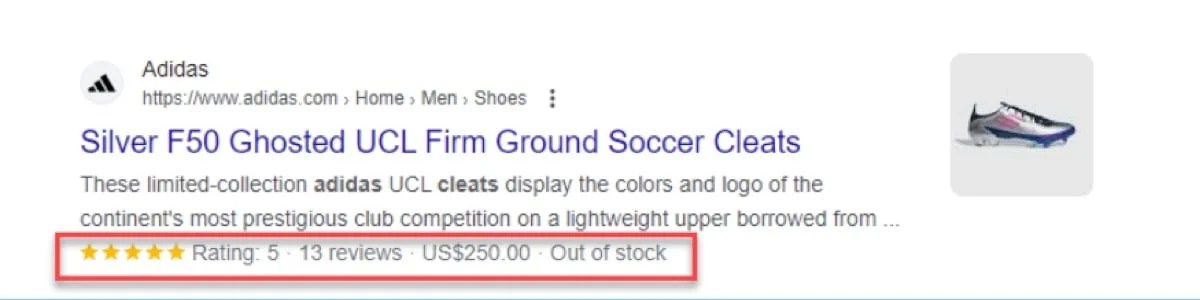
Beyond the visible text, the technical architecture of a product page has become a critical ranking factor in the AI era. Large Language Models (LLMs) utilize metadata and schema markup to build their internal "Knowledge Graphs." If the title, meta description, and on-page copy send conflicting signals, the AI agent perceives the product as unreliable and is less likely to recommend it.
A significant challenge identified by developers in 2026 is the "JavaScript Gap." Many advanced AI crawlers, including GPTBot and PerplexityBot, frequently struggle to render heavy JavaScript. If critical product details, such as pricing or technical specifications, are tucked behind interactive elements that require JS to load, they may be invisible to the AI. Industry leaders recommend a "Server-Side First" approach to ensure that all vital information is present in the raw HTML.
Furthermore, image metadata has evolved from an accessibility requirement into a primary discovery signal. Descriptive alt-text and specific filenames (e.g., "ergonomic-mesh-office-chair-lumbar-support.jpg" vs "IMG_4392.jpg") provide the necessary context for AI tools that are increasingly capable of multi-modal search, where users find products by uploading images or describing visual features.
Industry Responses and Expert Analysis
The shift toward structured, AI-ready content has drawn reactions from across the tech and retail sectors. Mike King, a prominent figure at iPullrank, has characterized the meta description as an "advertisement to the LLM." In recent industry webinars, King argued that the description is no longer just for the human click-through rate but serves as a summary that tells the AI whether the page is worth retrieving for a specific query.
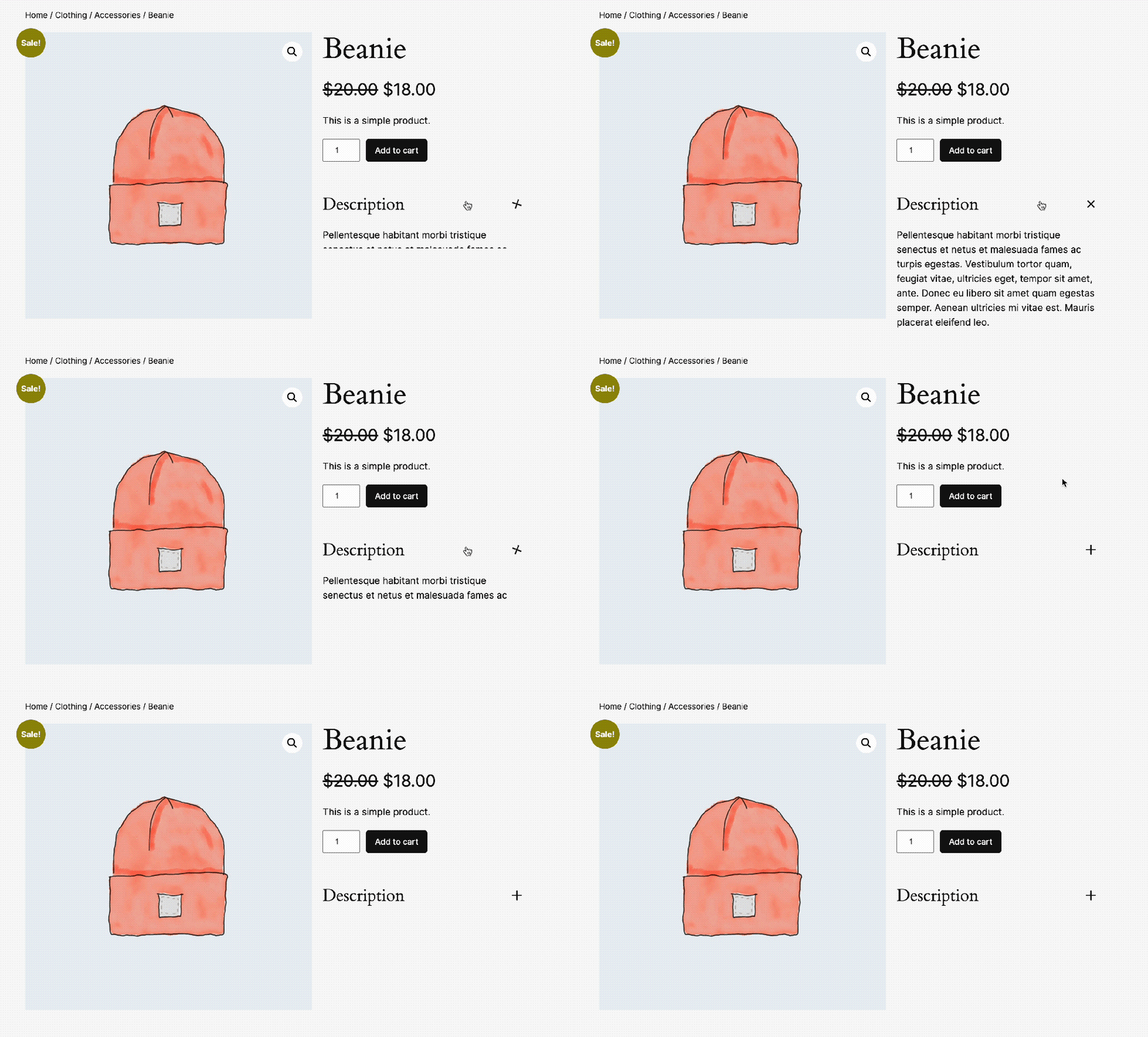
Retailers like Badeloft Luxury Bathrooms and Luna Glamping have become early adopters of this structured approach. By utilizing "content chunking"—breaking descriptions into distinct, purposeful blocks such as size charts, material deep-dives, and interactive accordions—these brands have seen a marked increase in visibility within AI Overviews. This organization allows AI agents to "extract" specific data points without having to interpret long, rambling paragraphs.
From an analytical perspective, this trend represents the "commoditization of information." When every product is evaluated by an AI based on its specs, brands can no longer rely solely on prestige or name recognition; they must compete on the accuracy and accessibility of their data.
Scaling Optimization in Large-Scale Enterprises
For major e-commerce enterprises, maintaining this level of detail across thousands of SKUs presents a significant logistical hurdle. The "Single Source of Truth" model has emerged as the standard solution. In this framework, the online store’s database serves as the master record that feeds all other channels, including Amazon, Google Shopping, and social commerce platforms.
Data drift—where a product’s price or specs differ across platforms—is now viewed as a "reliability red flag" by AI agents. To combat this, teams are increasingly using bulk update tools and standardized templates to ensure consistency. The role of the "Product Content Manager" has transitioned into a hybrid role that oversees both the creative quality of the copy and the technical accuracy of the structured data fields.
Broader Impact and the Future of Digital Retail
As we look toward the remainder of 2026 and into 2027, the impact of AI-driven product discovery will likely lead to a "survival of the clearest." The businesses that succeed will be those that view their product descriptions not as static text, but as dynamic data sets designed for machine consumption.

The broader implications suggest a decrease in "accidental" traffic. In the keyword era, a user might land on a page through a tangentially related search term. In the AI era, traffic is much more intentional; if an AI agent sends a user to a product, it is because a high-confidence match has already been made. This is expected to lead to higher conversion rates but will require a much more rigorous approach to content maintenance and technical SEO.
In conclusion, the mandate for 2026 is clear: product pages must be built for three distinct audiences. They must be evocative enough for the human shopper, crawlable enough for the traditional search engine, and structured enough for the AI agent. By prioritizing clarity over fluff and data over keywords, e-commerce brands can ensure they remain relevant in an increasingly automated marketplace. The tools provided by platforms like WooCommerce—including custom product tabs, schema extensions, and bulk editors—are no longer optional luxuries but essential infrastructure for the modern digital storefront.