The Rise of Supermanagers Navigating the Challenges of Flattened Corporate Hierarchies and Expanded Spans of Control

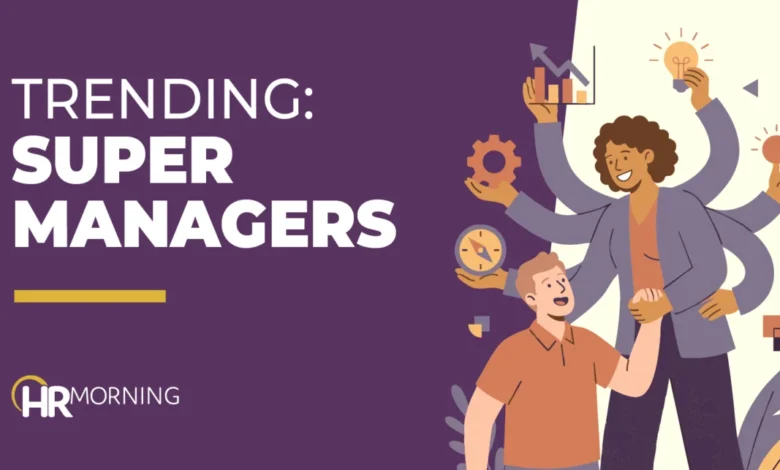
The traditional corporate hierarchy is undergoing a radical transformation as organizations prioritize agility and cost-efficiency over layered management structures. This shift has given birth to the "supermanager," a front-line leader tasked with overseeing an unprecedented number of direct reports. While the "Great Flattening"—the systematic removal of middle management layers—was intended to streamline decision-making, it has created a new set of operational risks. As spans of control expand, the ability of managers to provide the individualized support that 89% of employees deem essential is being pushed to its breaking point.
The Evolution of the Supermanager: A Chronological Shift
The emergence of the supermanager is not an overnight phenomenon but the result of a multi-year trend in corporate restructuring. To understand the current landscape, it is necessary to examine the timeline of organizational design over the last half-decade.
2020–2022: The Management Expansion
During the COVID-19 pandemic and the subsequent "Great Resignation," companies hired rapidly to keep pace with digital transformation. This led to a surge in middle management roles to coordinate remote teams. During this period, the focus was on high-touch management to maintain culture in a virtual environment.
2023: The Year of Efficiency
Triggered by economic uncertainty and rising interest rates, major tech firms—led by Meta, Amazon, and Google—began a process of "flattening." Mark Zuckerberg famously dubbed 2023 the "Year of Efficiency," emphasizing the removal of "managers managing managers." This trend quickly spread beyond the tech sector into manufacturing, finance, and retail.
2024: The Implementation of the Flattened Org Chart
Throughout 2024, organizations began to realize the structural changes planned in the previous year. According to Gallup, the average number of direct reports per manager rose from 10.9 in early 2024 to 12.1 by the start of 2025. In many sectors, "supermanagers" emerged, overseeing teams of 20 or more individuals following departmental consolidations.
2025 and Beyond: The Supermanager Reality
In the current fiscal year, the supermanager has become a standard fixture. While these leaders are often high-performers, they are increasingly "spread thin," balancing high-level strategic contributions with the administrative burden of managing large, diverse teams.
Quantifying the Impact: Data on Spans of Control
The shift toward supermanagement is reflected in recent workplace data. A Gallup survey highlights that the increase from 10.9 to 12.1 direct reports represents more than just a numerical change; it signifies a qualitative shift in how management is performed. When a manager’s span of control exceeds 15 individuals, the time available for meaningful one-on-one coaching drops significantly.
The Owl Labs "State of Hybrid Work 2025" report provides further context. Their research indicates that 89% of employees rank a "supportive manager" as a top-tier requirement for workplace satisfaction. However, with 71% of managers reporting increased stress and a sense of being overwhelmed, the gap between employee expectations and managerial capacity is widening. Furthermore, the report found that 25% of employees are now using AI daily to bridge productivity gaps, a trend that managers are also adopting to handle their expanded workloads.
The Dual Impact: Consequences for Leaders and Teams
The supermanager system creates a ripple effect that touches every level of an organization. The consequences can be categorized into two primary areas: the psychological toll on the leader and the professional stagnation of the employee.
The Managerial Burden
Supermanagers often find themselves in a "sandwich" position—squeezed between executive demands for high-level strategy and the day-to-day needs of a massive team.
- Burnout and Turnover: High stress levels are leading to increased turnover among top-tier front-line leaders. When these "linchpin" employees leave, the institutional knowledge loss is catastrophic.
- Decision Fatigue: With 20+ direct reports, the sheer volume of daily decisions—from PTO approvals to performance interventions—can lead to poor judgment or "bottlenecking," where the manager becomes a barrier to progress.
The Employee Experience
For the individual contributor, being managed by a supermanager can feel like being an "invisible employee."
- Lack of Mentorship: Career development requires consistent feedback and advocacy. Supermanagers often lack the bandwidth to identify high-potential employees or provide the nuanced coaching necessary for promotion.
- Reduced Psychological Safety: When managers are overwhelmed, they are less likely to notice the subtle signs of burnout or interpersonal conflict within their teams. This can lead to a toxic or indifferent culture.
Perspectives from Leadership
Frank Weishaupt, CEO of Owl Labs, emphasizes that the weight of an unsupported manager eventually impacts the entire organizational health. "Supermanagers need to be equipped with the resources and time to properly support all of their direct reports," Weishaupt noted. "Otherwise, companies risk burnout and employee dissatisfaction."
Industry analysts suggest that many organizations have flattened their structures without re-evaluating the actual work of management. There is an emerging consensus that if companies want to maintain a span of control of 1:20, they must fundamentally change the manager’s job description from "overseer" to "facilitator."
Five Strategies for Sustaining a Supermanager System
If an organization chooses to maintain a high span of control, it must implement specific interventions to prevent system failure. The following five strategies offer a roadmap for supporting both leaders and their teams.
1. Augmenting Human Capability with AI
The Owl Labs study found that over a quarter of the workforce uses AI daily. For the supermanager, AI should not be viewed as a replacement for leadership but as a tool for "managerial augmentation."
- Administrative Automation: AI can handle scheduling, status report synthesis, and initial data analysis.
- Coaching Support: AI-driven sentiment analysis can help managers identify which team members might need a check-in, allowing them to prioritize their limited human interaction time for those who need it most.
2. Radical Clarity in Vision and Strategy
When a manager cannot meet with every employee weekly, the "north star" of the team must be undeniable. Supermanagers must pivot from tactical instruction to strategic alignment. By ensuring every team member understands the overarching vision and their specific role in achieving it, the manager reduces the need for constant course correction.
3. The Death of Micromanagement
In a supermanager system, micromanagement is not only ineffective—it is physically impossible. This shift allows organizations to move toward "outcomes-based" management. Leaders must focus on the what and the why, leaving the how to the autonomy of the employees. This requires a higher level of initial training and trust but ultimately creates a more resilient and self-sufficient workforce.
4. Redefining Success Metrics for Leadership
Success for a manager of five people looks different than success for a manager of 25. HR departments must redefine KPIs to reflect this reality.
- Quality over Quantity: Instead of measuring a manager by the frequency of their one-on-ones, organizations should measure them by the retention rates of their teams and the clarity of the team’s output.
- Flexibility as a Retention Tool: Organizations that offer genuine flexibility and clear pathways for managers to grow—without necessarily adding more direct reports—will be more likely to retain their best leaders.
5. Intentional Connection and Proximity
Connection does not happen by accident in large teams; it must be engineered. Supermanagers should implement structured opportunities for connection that do not rely solely on them.
- Peer-to-Peer Mentoring: Encouraging senior team members to mentor juniors can alleviate the manager’s coaching burden.
- Agenda-Free Gatherings: Occasional "town halls" or social syncs without a strict business agenda can help maintain the "connective tissue" of the team, ensuring employees still feel a sense of belonging.
Broader Implications: The Future of the Middle Manager
The rise of the supermanager signals a broader shift in the "social contract" of work. As middle management layers vanish, the traditional path to executive leadership is being disrupted. Organizations must now consider where their future leaders will come from if the "training ground" of mid-level management no longer exists.
Furthermore, the supermanager trend places a premium on "soft skills" like emotional intelligence and concise communication. In a high-span environment, a manager’s ability to inspire and align a large group quickly is more valuable than their technical expertise.
Ultimately, the success of the supermanager model depends on whether organizations view it as a short-term cost-saving measure or a long-term structural evolution. If it is the latter, the investment in AI, leadership training, and cultural alignment must be as significant as the layoffs that created the system in the first place. Without this support, the supermanager is not a hero of efficiency, but a single point of failure in an increasingly fragile corporate hierarchy.