HCL America to Pay $495,000 to Settle EEOC Lawsuit Alleging Age and National Origin Discrimination

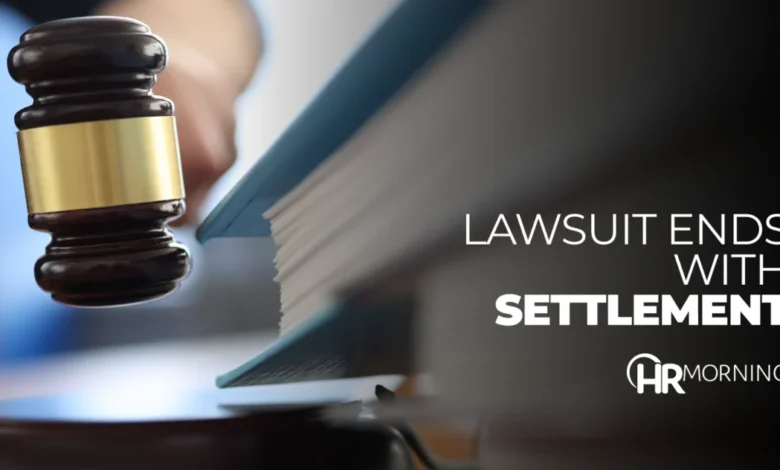
HCL America Inc., a prominent global technology consulting firm, has reached a settlement agreement with the U.S. Equal Employment Opportunity Commission (EEOC) to resolve a lawsuit alleging that the company engaged in discriminatory hiring practices based on age and national origin. Under the terms of the settlement, which was finalized following a lawsuit filed in a California federal court, the company will pay $495,000 in monetary relief and implement significant internal reforms. The case highlights the critical legal risks associated with internal hiring communications and the increasing scrutiny the EEOC is placing on the technology sector’s recruitment processes.
The litigation centered on the experiences of a 62-year-old applicant of Indian descent who applied for a position at HCL America in July 2021. Despite possessing the requisite qualifications for the role, the candidate was rejected. The EEOC’s investigation and subsequent legal filings asserted that this rejection was not based on the candidate’s professional merits but was instead motivated by unlawful biases regarding his age and ethnic background.
The "Smoking Gun" Evidence in Internal Communications
The core of the EEOC’s case rested on a series of internal emails that provided what legal experts often call "smoking gun" evidence of discriminatory intent. According to the EEOC’s complaint, a hiring manager at HCL America explicitly commented on the applicant’s age in an email thread, stating that while the candidate was a "good guy," he was "too old" for the position.
Beyond age-related bias, the email chains revealed a concerted effort to bypass qualified candidates based on their national origin. The EEOC alleged that the hiring manager requested recruiters to prioritize applications from non-Indian candidates. Furthermore, the agency provided evidence showing that HCL vice presidents and other senior management were involved in discussions about setting aside applications from highly qualified Indian professionals. In some instances, the company allegedly discussed relaxing the mandatory job qualifications specifically to accommodate and hire non-Indian candidates who might otherwise not have met the standard criteria.
This pattern of behavior culminated in the hiring of a younger, non-Indian candidate for the position in question. The EEOC argued that these actions constituted a clear violation of two landmark federal statutes: the Age Discrimination in Employment Act (ADEA) and Title VII of the Civil Rights Act of 1964.
A Chronology of the Legal Dispute
The legal journey began in mid-2021 when the 62-year-old applicant was passed over for the consulting role. Following a complaint, the EEOC initiated an investigation into HCL America’s hiring practices for that specific department.
By late 2023 and early 2024, the EEOC attempted to resolve the matter through its mandatory conciliation process. Conciliation is a pre-litigation phase where the agency seeks a voluntary agreement from the employer to remedy the alleged discrimination and provide relief to the affected parties. When HCL America and the EEOC were unable to reach an acceptable settlement through this informal process, the agency exercised its authority to file a formal lawsuit in the U.S. District Court for the Northern District of California.
The litigation progressed through the federal court system until April 2026, when a judge approved a two-year consent decree. This decree serves as a legally binding agreement that not only settles the financial claims but also places the company under federal monitoring to ensure future compliance with anti-discrimination laws.
Detailed Terms of the Settlement and Consent Decree
The $495,000 settlement is designated as compensatory relief for the affected applicant. However, the non-monetary requirements of the two-year consent decree are arguably more impactful for the company’s long-term operations. To prevent a recurrence of these issues, HCL America must adhere to the following mandates:
- Policy Overhaul: The company is required to review and revise its existing anti-discrimination policies to ensure they explicitly prohibit discrimination based on age and national origin in every stage of the hiring process.
- Specialized Training: HCL America must implement comprehensive training programs for all hiring managers, recruiters, and executives involved in the California operations. This training will focus on the legal requirements of the ADEA and Title VII, with a specific emphasis on eliminating bias in candidate screening.
- Reporting and Monitoring: For the duration of the two-year decree, the company must provide regular reports to the EEOC detailing its hiring activities. This includes documenting why certain candidates were selected or rejected, allowing the agency to monitor for patterns of bias.
- Internal Complaints Procedure: The company must establish or strengthen internal mechanisms for employees and applicants to report suspected discrimination without fear of retaliation.
Official Statements and Regulatory Stance
The EEOC has characterized this settlement as a victory for fair hiring practices in an industry that has frequently faced criticism for its demographic imbalances. Christopher Green, the District Director for the EEOC’s San Francisco District Office, emphasized the agency’s commitment to merit-based employment.
"Hiring must be based on merit—not age or national origin—as the ADEA and Title VII require," Green stated in a press release following the settlement. "The EEOC is committed to evenhanded enforcement of anti-discrimination laws and will hold employers accountable when they deny applicants opportunities because of their age or national origin."
The agency’s legal team further noted that the technology industry, in particular, must be vigilant against "cultural fit" arguments that can often serve as a thin veil for ageism or ethnic exclusion. By pursuing this case, the EEOC signaled that even global tech giants are not exempt from the rigorous documentation standards required by federal law.
Broader Implications for the Technology Sector
The HCL America case serves as a stark reminder of the permanence and discoverability of digital communications. In the modern corporate environment, email threads, Slack messages, and internal recruitment notes are frequently the primary evidence in discrimination lawsuits.
For the technology sector, which often prioritizes speed and informal communication, this case highlights a significant vulnerability. When managers engage in "quick back-and-forth" emails regarding candidates, they may inadvertently document biases that lead to massive legal liabilities. Legal analysts suggest that this settlement will likely prompt other technology firms to conduct internal audits of their recruitment communications and implement stricter "etiquette" guidelines for hiring managers.
Furthermore, the case touches upon a unique dynamic regarding national origin. HCL Technologies, the parent company of HCL America, is a multinational headquartered in India. The allegation that the company sought to exclude Indian candidates in its U.S. operations points to a complex issue often referred to as "localization" or "diversity balancing." While companies may seek to diversify their workforce to reflect local demographics, doing so by intentionally excluding qualified applicants of a specific national origin remains a violation of Title VII.
Analysis of Ageism in Tech Hiring
Age discrimination, or "ageism," remains one of the most frequently reported yet difficult-to-prove forms of bias in the workplace. Data from the EEOC suggests that while age-related complaints are common, the presence of direct evidence—such as a manager writing "he is too old"—is relatively rare. Most age discrimination cases rely on circumstantial evidence or statistical patterns.
The HCL settlement is significant because it provides a clear-cut example of direct evidence. In the technology industry, where the average employee age is often significantly lower than in other sectors, workers over the age of 50 frequently report feeling "pushed out" or overlooked for new opportunities. This settlement reinforces the fact that the ADEA protects workers aged 40 and older from being penalized for their experience or perceived lack of "longevity" in a role.
Conclusion and HR Takeaways
The resolution of the EEOC v. HCL America Inc. lawsuit marks a critical juncture for HR professionals and corporate leadership. The financial penalty, while substantial, is often secondary to the reputational damage and the administrative burden of a two-year federal oversight period.
To mitigate such risks, experts suggest that HR departments must take a proactive role in the hiring process. This includes:
- Standardizing Interview Feedback: Moving away from informal email threads and toward structured hiring platforms where feedback must be tied to specific, job-related competencies.
- Bias Training for Leadership: Ensuring that vice presidents and senior executives understand that they are not immune to the rules governing fair hiring.
- Regular Audits of Recruitment Data: Analyzing hiring trends to identify if certain protected groups are being disproportionately screened out at specific stages of the funnel.
As the EEOC continues to prioritize the elimination of systemic barriers in recruitment, the HCL America settlement stands as a cautionary tale for any organization that fails to bridge the gap between their formal anti-discrimination policies and the informal reality of their internal communications. Factual, merit-based hiring is not just a corporate best practice; it is a federal mandate that, when ignored, carries a heavy price.