Deloitte Consulting Faces Proposed Class-Action Lawsuit Over Alleged Performance Review Penalties for Protected Family and Pregnancy Leave

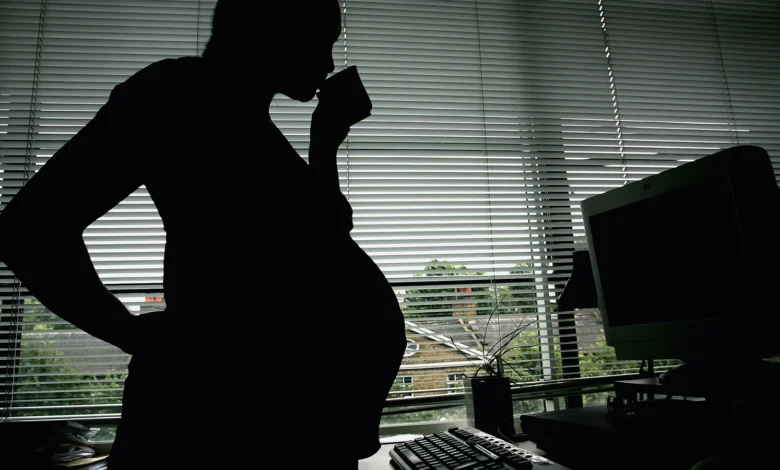
A proposed class-action lawsuit filed in a California federal court has leveled significant allegations against Deloitte Consulting LLP, one of the world’s "Big Four" accounting and consulting firms. The complaint, titled Barela v. Deloitte Consulting LLP, asserts that the firm systematically penalized exempt employees for taking protected leaves of absence, including pregnancy-related, parental, and family leave. According to the filing submitted on April 9, the firm’s performance evaluation system failed to account for these protected absences, essentially requiring employees who took leave to achieve the same annual results as peers who worked a full twelve months. This lack of adjustment allegedly resulted in lower performance ratings, diminished compensation, and targeted terminations during corporate restructuring.
The lead plaintiff, a former senior manager within Deloitte’s human capital consulting practice based in Los Angeles, claims that the firm’s reliance on comparative metrics created an inherently discriminatory environment for those exercising their rights under the Family and Medical Leave Act (FMLA) and the Pregnant Workers Fairness Act (PWFA). The lawsuit seeks to represent a class of similarly situated employees who may have been adversely affected by these practices.
Detailed Allegations and Performance Review Mechanics
At the heart of the litigation is Deloitte’s annual performance rating system. In the consulting industry, these ratings are often determined by "utilization rates"—the percentage of time an employee spends on billable client work—as well as sales targets and internal firm contributions. The complaint alleges that Deloitte’s "Human Capital" practice utilized a ranking system that compared employees directly against their peers to determine year-end scores.
According to the plaintiff, these ratings failed to prorate expectations or adjust performance targets to reflect the time an employee was away on legally protected leave. For instance, if a senior manager was away for three months on pregnancy disability leave, they were still measured against the annual output of a colleague who worked the entire year. Consequently, employees returning from leave frequently found it mathematically impossible to meet the same cumulative targets as their non-absent peers, leading to lower performance scores.
The financial implications of these ratings were significant and lasting. The lawsuit alleges that performance scores were the primary drivers for base salary increases and annual bonuses. Because the firm’s compensation structure is often cumulative—where each year’s percentage increase is applied to the current salary—a single year of depressed ratings due to protected leave could result in a permanent "pay gap" relative to peers. The plaintiff argues that this created a compounding financial penalty for women and parents that followed them throughout their tenure at the firm.
Chronology of Events and Termination Context
The lead plaintiff’s experience provides a specific timeline of the alleged systemic failures. During the five years leading up to her departure from the firm, the plaintiff took two separate periods of protected leave: one for pregnancy-related disability and another for parental leave. In both instances, she alleges that her year-end performance ratings were lower than in the years she did not take leave, despite maintaining a high quality of work during her active months.
The complaint suggests that these lower ratings did more than just impact her immediate pay; they stalled her career progression. The plaintiff believes that based on these allegedly discriminatory ratings, Deloitte leadership concluded she was not ready for a promotion to higher leadership tiers.
The situation reached a critical point in the latter half of the decade. According to the complaint, in December 2025, Deloitte notified the senior manager that she was being terminated as part of a broader reduction in force (RIF). When she sought clarification regarding the criteria for her selection in the layoff, the firm allegedly informed her that the decision was based on her performance ratings in comparison with her peers. The plaintiff contends that because those ratings were unfairly deflated by her protected absences, her termination was a direct result of her taking leave, thereby violating federal and state labor protections.
Legal Framework: FMLA, PWFA, and Title VII
The lawsuit invokes several major pieces of federal legislation, highlighting a complex intersection of employment law.
The Family and Medical Leave Act (FMLA)
The FMLA entitles eligible employees of covered employers to take unpaid, job-protected leave for specified family and medical reasons. A core tenet of the FMLA is the prohibition of "interference"—meaning employers cannot use the taking of FMLA leave as a negative factor in employment actions, such as hiring, promotions, or disciplinary actions. The Barela case argues that by failing to adjust performance standards, Deloitte effectively used the plaintiff’s FMLA leave as a negative factor in her performance reviews and her eventual termination.
The Pregnant Workers Fairness Act (PWFA)
A newer addition to the federal landscape, the PWFA, which went into effect in June 2023, requires covered employers to provide "reasonable accommodations" to a worker’s known limitations related to pregnancy, childbirth, or related medical conditions, unless the accommodation will cause the employer an "undue hardship." The lawsuit alleges that Deloitte rendered the plaintiff’s PWFA rights ineffective. By penalizing the use of leave—which is a recognized form of accommodation—the firm allegedly violated the spirit and letter of the act.
Title VII and Sex Discrimination
The complaint also brings a claim under Title VII of the Civil Rights Act of 1964. The plaintiff argues that Deloitte’s practices constitute sex discrimination because women are statistically more likely to take parental and pregnancy-related leave. Therefore, a policy that penalizes leave-takers has a disparate impact on female employees, reinforcing systemic gender-based pay and promotion gaps within the professional services industry.
Industry Context: The "Motherhood Penalty" and Consulting RIFs
The allegations against Deloitte arrive at a time when the "Big Four" and the broader consulting industry are under intense scrutiny regarding their workplace cultures. The phenomenon often described by sociologists as the "motherhood penalty" refers to the systematic disadvantages mothers face in the workplace regarding pay, perceived competence, and benefits.
Data from the American Sociological Review suggests that for every child a woman has, her earnings decrease by approximately 4%, while men often experience a "fatherhood bonus," seeing their earnings increase after having children. In high-pressure environments like Deloitte, where "up-or-out" advancement models are common, any perceived dip in productivity can be professionally fatal.
Furthermore, the consulting sector has seen a wave of reductions in force over the last 18 to 24 months. Firms like Deloitte, KPMG, and Ernst & Young have all navigated cooling demand for certain consulting services by trimming headcount. Legal experts note that during such RIFs, firms often rely on "objective" performance data to justify terminations. However, if that data is tainted by underlying bias—such as unadjusted metrics for leave-takers—the RIF process itself becomes a vehicle for discrimination.
Relevant Judicial Precedents
The Barela case mirrors issues recently addressed by the 7th U.S. Circuit Court of Appeals. In a 2024 ruling, the court clarified that while the FMLA does not require an employer to lower its standards for the time an employee is actually working, the employer must account for the absence itself. For example, if an employee is expected to produce 100 units a year but takes three months of FMLA leave, the employer cannot penalize them for only producing 75 units. Failing to adjust the quota essentially punishes the employee for the 25 units they could not produce while on protected leave.
This distinction is critical in the Deloitte case. The firm is not being accused of having high standards, but rather of failing to calibrate those standards to the reality of a shortened work year for those on leave.
Broader Implications for Corporate America
The outcome of Barela v. Deloitte Consulting LLP could have far-reaching consequences for how large corporations design their performance management systems. If the court finds in favor of the plaintiffs, it may force a massive overhaul of "stack-ranking" or "forced distribution" models that do not explicitly account for protected leave.
Key implications include:
- Audit of Performance Algorithms: Companies may need to audit the algorithms and spreadsheets used to calculate bonuses and raises to ensure they contain "leave-adjustment" variables.
- Managerial Training: Increased focus on training managers to evaluate "quality over quantity" for employees returning from leave.
- Standardization of PWFA Accommodations: As the PWFA is still relatively new, this case could provide essential case law on what constitutes a "penalty" for using pregnancy-related accommodations.
Official Responses and Next Steps
As of the time of publication, Deloitte Consulting LLP has not issued a formal response to the specific allegations in the complaint, nor did they respond to initial requests for comment following the filing. In similar past instances, large consulting firms have typically defended their performance metrics as being based on meritocratic and objective business needs.
The case is currently in the early stages of litigation in a California federal court. The next major step will be the court’s decision on class certification. If the judge grants class-action status, the lawsuit could expand to include hundreds or even thousands of current and former Deloitte employees who took protected leave over the past several years.
For now, the legal community and HR professionals are watching closely. The lawsuit serves as a stark reminder that even the most sophisticated performance management systems can run afoul of the law if they do not account for the fundamental rights of employees to care for themselves and their families without fear of professional retribution. As the case progresses, it will likely shed more light on the internal workings of one of the world’s most influential consulting firms and perhaps redefine the boundaries of "fair" performance evaluation in the modern workplace.