Strategic Shift: Unpacking the Nuances of Character Licensing Sales in the Philippines and Beyond

Philip, a dedicated character licensing agent operating within the dynamic Philippine market, navigates a unique sales landscape. His core function involves brokering agreements between intellectual property (IP) holders—ranging from globally recognized brands and popular anime titles to beloved video games and comic book properties—and local companies eager to integrate these iconic characters into their product lines. This could manifest as collaborations with milk tea chains for themed promotions, apparel brands launching character-emblazoned merchandise, or even organizers of themed fun runs. Essentially, if a company envisions adorning its products or services with a celebrated character, Philip is the linchpin facilitating that intricate contractual arrangement.
Philip’s professional experience, however, reveals a stark dichotomy in buyer behavior that profoundly impacts his sales efficacy. When prospective clients initiate contact, already possessing a clear affinity and established love for a specific character or franchise, the sales process often unfolds with remarkable speed and ease. These interactions frequently culminate in a signed forecast within a mere couple of weeks, requiring minimal persuasive effort on Philip’s part. The enthusiasm is pre-existing, and his role primarily becomes one of administrative facilitation. Conversely, when Philip undertakes proactive outreach to companies unfamiliar with a particular IP, the response is often characterized by radio silence, unreturned communications, and protracted delays following the submission of proposals – a phenomenon colloquially known as ‘ghosting’ in sales parlance.
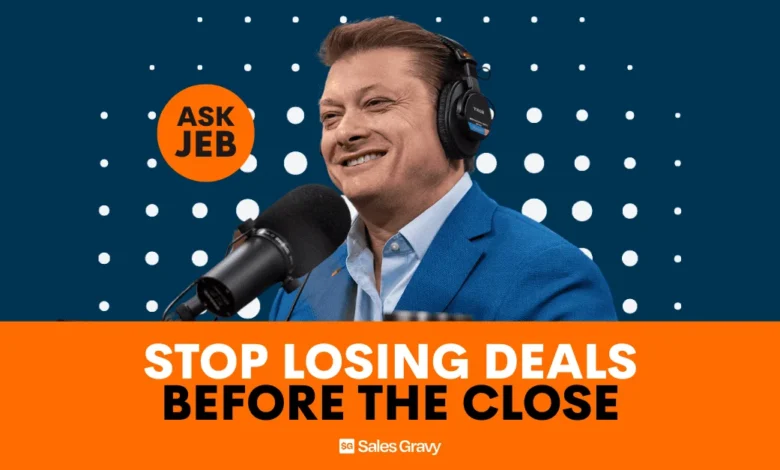
Initially, Philip perceived this challenge as a deficiency in his closing techniques, believing the bottleneck lay at the final stages of the sales cycle. However, expert analysis from seasoned sales strategists, notably during a consultation on the "Ask Jeb" segment of the Sales Gravy Podcast, revealed a more fundamental issue: the problem was not at the end of the sales process, but rather, at its very inception.
The Divergent Paths of Buyer Engagement
The foundational insight provided to Philip was the critical necessity of distinguishing between his "fast buyers" and "slow buyers." This differentiation is not merely semantic; it represents fundamentally distinct psychological and procedural pathways to a successful sale. Fast buyers, those who approach Philip already enamored with a character, have, in essence, completed their internal decision-making process long before their initial conversation. Their engagement with Philip is largely transactional, focused on logistical execution rather than conviction-building. They are driven by an existing emotional connection and a clear vision of how the character aligns with their brand.
Slow buyers, in stark contrast, represent an entirely different challenge. They do not share Philip’s inherent passion for the IP. Their purchasing decision is not predicated on the intrinsic appeal or cultural significance of a character but rather on a demonstrable business case. For these prospects, a licensing agreement must translate directly into tangible benefits such as increased sales, enhanced brand visibility, improved market share, or a competitive advantage. If Philip fails to construct and articulate this compelling business case through thorough discovery and strategic engagement, these potential deals are invariably destined to dissipate into the aforementioned silence.
This dichotomy is a universal truth within complex B2B sales environments. Companies that actively seek out a solution provider are typically already "half-sold," possessing an identified need and often an initial understanding of potential solutions. Conversely, companies that require proactive outreach are often unaware of the problem, skeptical of the proposed solution, or simply lacking the internal impetus to act. Applying the same sales methodology to both types of buyers is akin to attempting to use a single key for multiple, distinct locks; it is an exercise in futility. As sales methodology advocates, including those behind frameworks like "Fanatical Prospecting," emphasize, a critical prerequisite for effective selling is a clear understanding of the buyer’s stage and disposition before committing valuable time and resources.
The Global Landscape of Character Licensing and Its Market Dynamics
To fully appreciate Philip’s challenge, it’s essential to contextualize it within the broader character licensing industry. The global licensing market is a colossal enterprise, estimated to be worth hundreds of billions of dollars annually. According to industry reports, the global licensing market, encompassing entertainment, corporate brands, fashion, and sports, consistently demonstrates robust growth. For instance, Licensing International’s annual global survey frequently reports market values exceeding $300 billion in retail sales of licensed merchandise worldwide. The entertainment and character segment typically accounts for the largest share, often above 40%, underscoring its immense commercial power.
The Philippines, a vibrant and rapidly developing economy with a youthful demographic and a strong affinity for popular culture, represents a significant market for character licensing. Anime, K-pop, Western superheroes, and even local cultural icons enjoy immense popularity, translating into substantial demand for licensed merchandise across various consumer categories. This dynamic environment offers both lucrative opportunities and intense competition. For licensing agents like Philip, success hinges not only on securing desirable IP but also on mastering the art of connecting that IP with the right commercial partners in a manner that resonates with their business objectives.
The growth drivers for this industry are multifaceted: the proliferation of digital media platforms, which constantly introduce new characters and narratives; the enduring power of nostalgia, driving demand for classic characters among older demographics; and the increasing sophistication of marketing strategies that leverage character appeal to foster consumer engagement and loyalty. However, translating this broad market potential into concrete deals requires more than just a popular character; it demands a strategic sales approach tailored to the prospect’s level of awareness and enthusiasm.
Navigating the "Seeker" Trap: The Peril of Premature Proposals
A common graveyard for deals involving slow buyers is the premature issuance of a comprehensive proposal. This scenario typically unfolds after an initial meeting with an individual who presents themselves with a veneer of authority. They engage actively, ask pertinent questions, nod in agreement, and promise to circulate the information internally. Encouraged by this seemingly positive interaction, the salesperson invests significant time and effort in crafting a detailed proposal, which is then dispatched. The subsequent outcome is often silence, leaving the salesperson in a state of frustrated bewilderment.
The individual encountered in such situations is often a "seeker." This archetype, sometimes humorously referred to as a "Seymour" in sales training for their incessant desire to "see more" – more information, more decks, more pricing – is primarily tasked with gathering intelligence. They are information gatherers, not decision-makers. Once they have extracted all the necessary data, their perceived need for the salesperson diminishes, leading to their abrupt disengagement. This is fundamentally not a closing issue; it is a profound qualification problem that must be addressed during the discovery phase, long before any proposal is drafted.

In Philip’s specialized world, understanding the intricate web of stakeholders within a potential client organization is paramount. The BASICS framework offers a critical lens for this analysis:
- Buyers: The ultimate decision-makers who hold the budget and authority.
- Amplifiers: Internal champions who advocate for the solution, often driven by personal enthusiasm or a clear understanding of the value.
- Seekers: Information gatherers, as described above, who lack decision-making power.
- Influencers: Individuals whose opinions carry significant weight with the buyers, such as legal counsel, marketing directors, or financial controllers.
- Coaches: Individuals who can provide invaluable insights into the internal dynamics, politics, and decision-making processes of the organization.
- Sponsors: High-level executives who may not be directly involved in the day-to-day decision but lend their support and imprimatur to the initiative.
When Philip engages with a fast buyer, the presence of internal amplifiers is often strong. These individuals are passionate about the character, effectively performing much of the internal selling on Philip’s behalf. With slow buyers, however, these amplifiers are typically absent. This absence necessitates a proactive and direct approach from Philip: he must explicitly identify the true decision-makers, ascertain who holds significant influence over the decision, and insist on gaining direct access to these key individuals.
The implication here is stark but necessary: if the primary contact consistently obstructs access to the actual decision-makers, disengagement becomes the most prudent course of action. While counterintuitive and potentially uncomfortable, persisting with a seeker-only interaction is a guaranteed path to wasted effort and unclosed business. The average B2B sales cycle for complex solutions can range from three to nine months, and the cost of pursuing unqualified leads—in terms of time, resources, and opportunity cost—is substantial. Industry analyses often estimate that a significant percentage of sales pipeline opportunities are poorly qualified, leading to inflated forecasts and ultimately, disappointing conversion rates.
The Strategic Implementation of Checkpoints Over Proposals
The most effective strategy for Philip when dealing with slow buyers is to deliberately decelerate the sales process, segmenting it into a series of structured checkpoints preceding the submission of any comprehensive proposal. This approach leverages the "investment principle": the more time, effort, and commitment a prospect invests in a sales process, the greater their perceived value of the eventual outcome. If a full proposal can be secured after a single meeting and an email request, the prospect’s investment is negligible, making it effortless for them to disengage without consequence.
Instead, Philip should construct a progressive sales journey comprising four to five distinct checkpoints:
- Initial Discovery Meeting: The objective here is to understand the prospect’s surface-level needs, current challenges, and potential areas where character licensing might offer a solution. This is a high-level conversation, focusing on identifying alignment and the potential for a deeper dive.
- Deeper Discovery Meeting with Key Stakeholders: This crucial stage involves bringing in additional, critical stakeholders, including actual decision-makers and key influencers. The focus shifts to a thorough exploration of the business case, including target demographics, marketing objectives, potential ROI, and competitive landscape. This meeting is designed to uncover pain points and demonstrate how the character IP can address specific business goals, moving beyond mere aesthetic appeal.
- Consensus Meeting: Prior to any proposal, a meeting to ensure internal alignment and consensus among the client’s stakeholders is vital. This helps to preempt internal objections and ensures that all relevant parties are on board with the general direction and perceived value of the proposed licensing.
- Proposal Presentation: Only after the prospect has actively participated in and committed to the preceding steps should a formal proposal be developed and presented. By this stage, the client has a vested interest, and the proposal is tailored to their specific, articulated needs, increasing its relevance and impact.
At each of these checkpoints, Philip must explicitly seek a commitment to the subsequent step. A positive affirmation and active participation signal genuine engagement. Conversely, persistent resistance or requests to "just send the information" are clear indicators of a lack of serious intent. Each micro-commitment serves as a crucial qualifying test, allowing Philip to filter out uncommitted prospects early in the cycle. This proactive disqualification is not a failure but a strategic success, ensuring that his sales pipeline is populated exclusively with genuinely viable opportunities. Data consistently shows that sales organizations with robust qualification processes achieve significantly higher win rates and more predictable revenue streams.
The Strategic Imperative of Withholding Leverage
A fundamental tenet of this structured approach is the strategic withholding of critical information – specifically pricing, detailed licensing terms, and the full proposal – until the prospect has demonstrated their commitment through the multi-step process. This information represents Philip’s most significant leverage. Releasing it prematurely, without a reciprocal investment of time and effort from the prospect, divests him of his most compelling reason for them to remain engaged in the conversation.
By requiring the prospect to actively participate in discovery, articulate their needs, and engage multiple stakeholders, Philip subtly compels them to "earn" the detailed information. This not only elevates the perceived value of the proposal when it is finally presented but also ensures that the proposal itself is highly customized and relevant, addressing the specific business challenges identified during the earlier stages. This approach transforms the sales process from a passive information exchange into an active collaboration, where both parties invest in the potential for a mutually beneficial partnership.
Broader Implications for B2B Sales Excellence
Philip’s journey, from frustrated attempts at "closing" to a strategic focus on "qualifying," offers universal lessons for B2B sales professionals across industries. The principles elucidated are not confined to character licensing but are foundational to success in any complex sales environment where multiple stakeholders, long sales cycles, and significant investments are involved.
The implications are far-reaching:
- Enhanced Pipeline Health: By systematically qualifying prospects, sales pipelines become leaner but significantly more robust, comprising opportunities with a higher probability of conversion. This leads to more accurate forecasting and better resource allocation.
- Increased Sales Efficiency: Sales teams spend less time pursuing dead-end leads, freeing them to focus on genuinely interested prospects, thereby increasing overall productivity and reducing sales cycle times for qualified deals.
- Improved Win Rates: A thorough understanding of the buyer’s needs and internal dynamics, coupled with a phased engagement strategy, significantly improves the chances of securing a deal.
- Stronger Client Relationships: The discovery-led approach fosters a consultative relationship built on trust and mutual understanding, laying the groundwork for long-term partnerships rather than one-off transactions.
- Reduced Sales Burnout: Eliminating the frustration of constant ghosting and wasted effort can dramatically improve salesperson morale and retention.
Philip’s inherent passion for the characters he represents is a valuable asset, but as the "Ask Jeb" analysis underscored, passion alone is insufficient when the individual across the table does not share that enthusiasm. The path to overcoming ghosting and achieving consistent sales success for slow buyers lies in a disciplined, methodical approach: build a compelling business case through deep discovery, rigorously test prospect engagement at every stage, and strategically withhold leverage until the prospect has demonstrated genuine commitment. By consistently applying these three principles, Philip, and indeed any B2B sales professional facing similar challenges, can transform their sales process from a reactive struggle into a proactive, predictable engine for growth.
For sales professionals grappling with similar challenges, platforms like Sales Gravy offer resources and training, including the opportunity to submit specific sales dilemmas for expert analysis. This continuous learning and adaptation are crucial in an ever-evolving sales landscape, ensuring that strategies remain sharp and effective.