The Comprehensive Guide to Instagram Advertising Costs and Performance Benchmarks for 2024

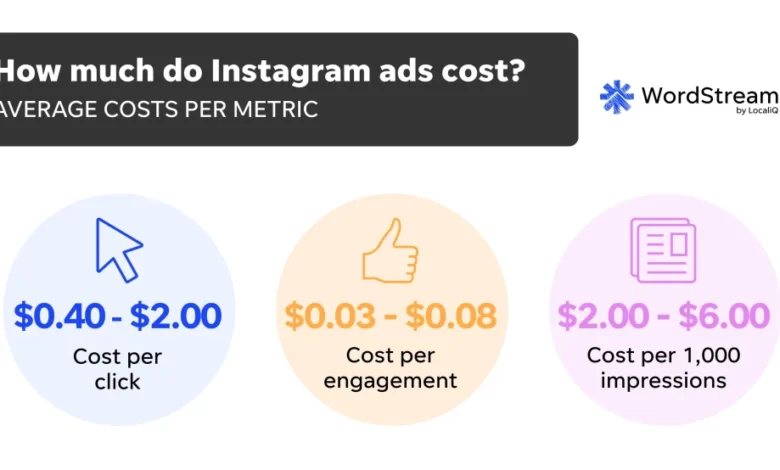
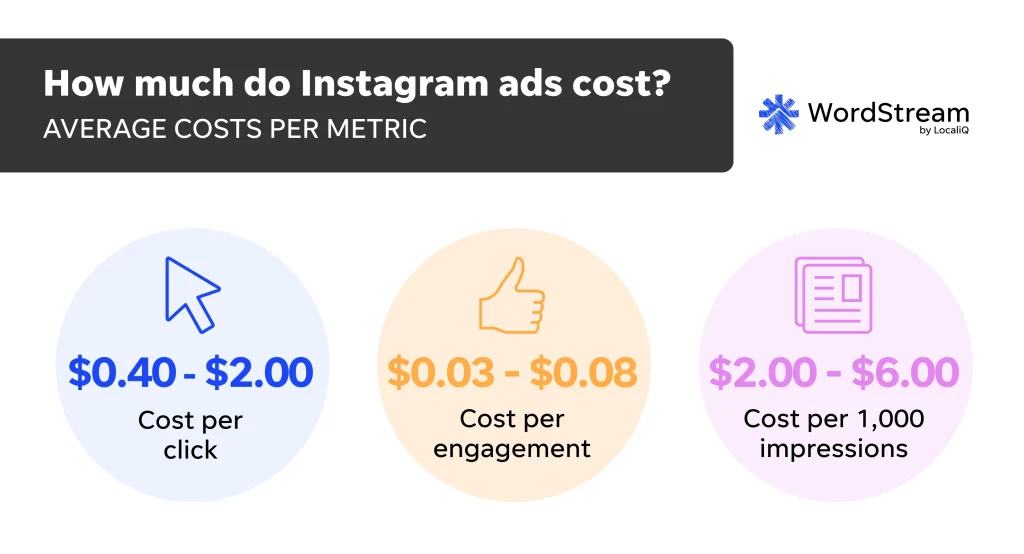
Instagram has solidified its position as a primary pillar of the global digital advertising ecosystem, with recent data indicating that the platform now commands a significant portion of Meta’s annual ad revenue. As businesses navigate an increasingly competitive attention economy, understanding the fiscal requirements of the platform has become essential for strategic planning. Current market analysis reveals that Instagram advertising costs typically fluctuate between $0.40 and $2.00 per click (CPC), while engagement-based metrics (CPE) hover between $0.03 and $0.08. For brands focused on high-level visibility, the cost per thousand impressions (CPM) generally ranges from $2.00 to $6.00. These figures, compiled from extensive reviews of the largest advertising studies in the industry, represent the current baseline for performance across various sectors.

The platform’s transition from a simple photo-sharing application to a robust marketing powerhouse is underpinned by a user base that recently surpassed 3 billion monthly active users. This massive scale, representing more than one-third of the global population, provides a level of reach that few other digital environments can match. However, the cost of accessing this audience is not static; it is influenced by a complex interplay of auction dynamics, seasonal demand, and the technical sophistication of the advertiser’s campaign structure.
The Evolution of Instagram Advertising: A Chronological Context
To understand current pricing, it is necessary to examine the trajectory of Instagram’s ad platform. Launched in October 2010, Instagram remained an ad-free environment for nearly three years. Following its $1 billion acquisition by Facebook (now Meta) in 2012, the platform introduced its first sponsored posts in late 2013. Initially, advertising was restricted to a select group of high-profile brands, focusing on premium "awareness" placements.
By 2015, the platform opened its API to all businesses, integrating fully with the Facebook Power Editor and Ads Manager. This integration was a watershed moment, allowing advertisers to leverage Facebook’s sophisticated data-tracking capabilities on Instagram’s visually oriented interface. Over the subsequent decade, the introduction of Stories (2016), the Explore tab ads (2019), and Reels (2021) expanded the inventory available to marketers, creating a multi-tiered pricing structure based on placement type and user behavior.
Detailed Breakdown of Core Advertising Metrics
The financial commitment required for an Instagram campaign is primarily measured through three key performance indicators: Cost Per Click, Cost Per Engagement, and Cost Per Thousand Impressions.

Cost Per Click (CPC) and the Distinction of Intent
The average CPC on Instagram falls between $0.40 and $0.70 for general interactions. This includes any "click" on the ad, such as expanding a caption, liking a post, or clicking on the profile. However, for advertisers focused on driving traffic to an external website, the "Link Click" CPC is the more relevant metric. Data suggests that for ads with a destination URL, the cost increases to a range of $0.50 to $1.20. This premium reflects the higher value of a user leaving the platform to enter an advertiser’s sales funnel.
Cost Per Engagement (CPE)
With an average range of $0.03 to $0.08, CPE remains one of the most affordable ways to build social proof. Engagement includes likes, comments, shares, and saves. While these actions do not always result in immediate revenue, they are critical for the platform’s algorithm; high engagement signals to Meta that the content is relevant, which can subsequently lower the overall cost of the campaign by improving the ad’s Quality Score.

Cost Per Thousand Impressions (CPM)
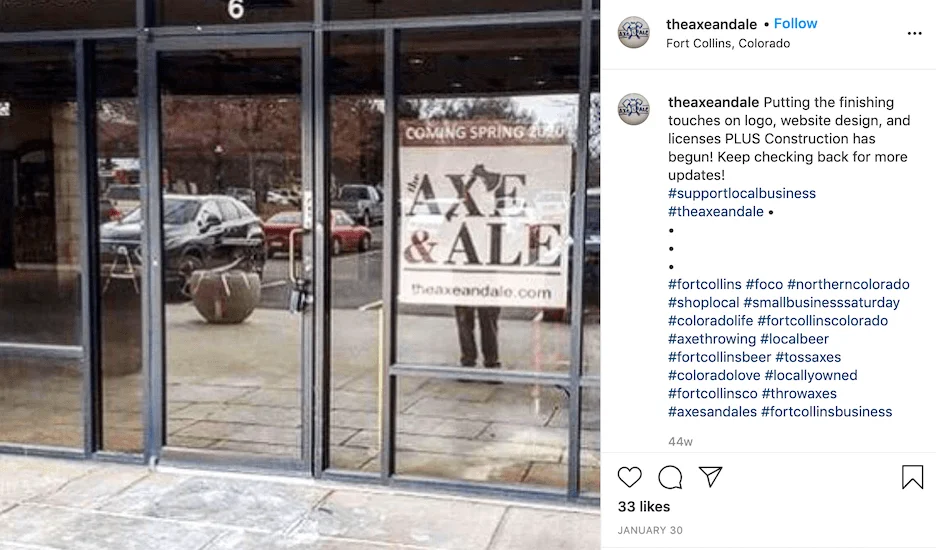
CPM is the standard for brand awareness campaigns, currently priced between $2.00 and $6.00 for high-performing ad sets. This metric is particularly vital for new product launches or store openings where the goal is maximum "top-of-funnel" visibility rather than immediate conversion.
Factors Influencing the Volatility of Ad Pricing
Instagram’s ad pricing is determined by a real-time auction system, meaning costs are never fixed. Several variables dictate whether a brand pays the lower or higher end of the average spectrum.
Campaign Objective and Funnel Positioning
The chosen objective in Meta Business Suite is perhaps the most significant cost driver. Awareness and Reach objectives are generally the least expensive because they require the least "effort" from the user. Conversely, Conversion and Lead Generation objectives command higher prices. This is because Meta targets users within the audience who have a historical tendency to complete high-value actions, such as making a purchase or filling out a form.
Audience Granularity and Competition
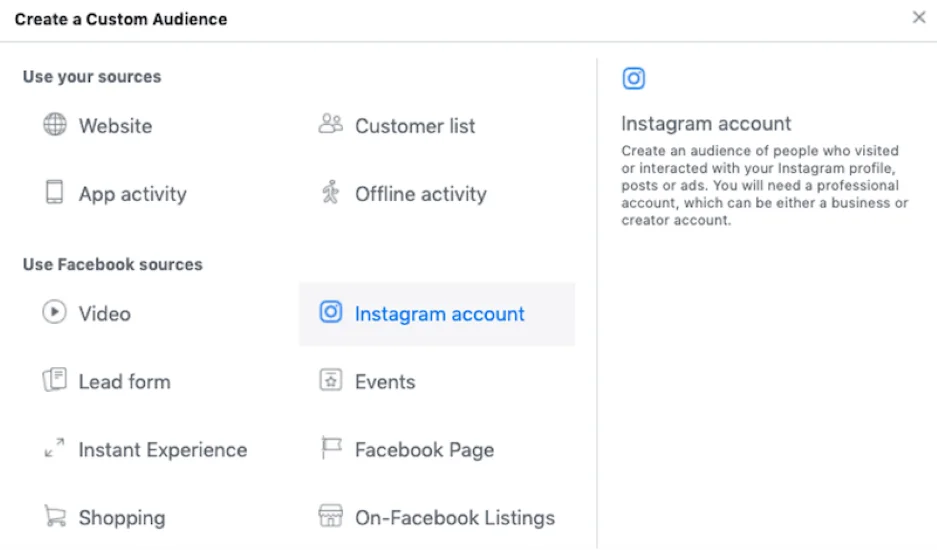
The laws of supply and demand apply heavily to Instagram’s targeting. Broad audiences—such as "Women in the United States aged 18-65"—are often cheaper to reach because there is vast inventory. However, as targeting becomes more specific (e.g., "Small business owners in Seattle interested in sustainable fashion"), competition for those specific "eyeballs" increases, driving up the bid price. Furthermore, retargeting campaigns—which show ads to people who have already visited a brand’s website—often see higher CPCs due to the small, highly qualified nature of the audience.
The Role of Click-Through Rate (CTR)
The platform rewards relevance. A healthy CTR on Instagram is considered to be around 2%. If an ad has a low CTR, the system interprets this as a mismatch between the creative and the audience. To compensate for the lack of user interest, the platform may increase the cost to serve that ad, or stop serving it altogether. Conversely, ads that resonate well with users often see their costs decrease over the life of the campaign.
Technical Infrastructure and the Meta Integration
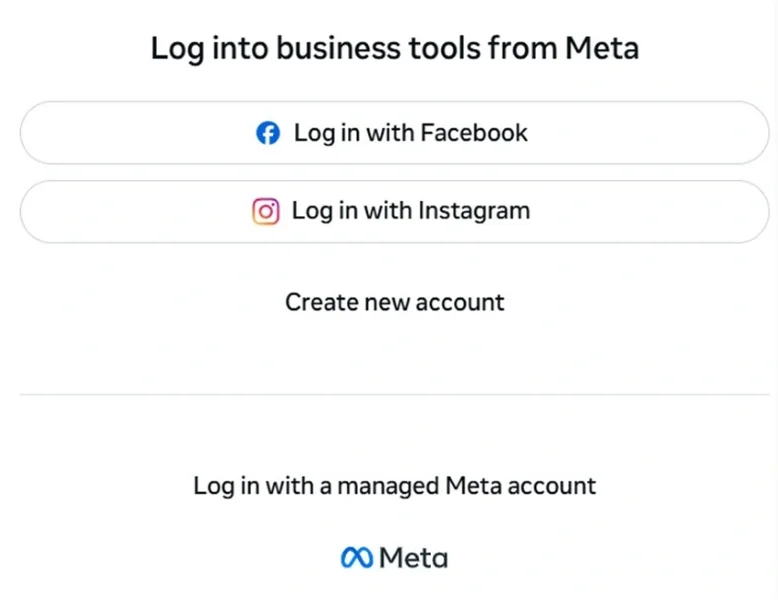
Modern Instagram advertising is managed through the Meta Business Tools ecosystem. This integration allows for a "placement liquidity" strategy, where the algorithm automatically distributes a budget across Facebook, Instagram, and the Audience Network based on where it finds the lowest-cost opportunities.
The use of the Meta Pixel and the Conversions API (CAPI) has become a technical necessity for cost control. Since the implementation of Apple’s iOS 14.5 privacy updates, which restricted app tracking, the cost of Instagram ads has seen periods of volatility. Advertisers who utilize first-party data and server-side tracking (CAPI) generally report more stable costs and better attribution than those relying solely on traditional browser cookies.
Industry Perspectives and Market Reaction
Industry analysts note that the rise of "Social Commerce" has shifted the perception of Instagram ad costs from a marketing expense to a direct sales driver. Digital marketing experts suggest that while costs have risen marginally year-over-year, the platform’s engagement rate—which is approximately 0.48%, compared to Facebook’s 0.15%—justifies the investment.

Statements from various digital agencies indicate a growing trend toward "video-first" strategies. Internal Meta data reveals that video ads on Instagram generate roughly 38% more engagement than static images. Consequently, while video production may increase the initial investment, the resulting lower CPE and CPC often lead to a higher Return on Ad Spend (ROAS).
Strategic Recommendations for Cost Optimization
To maintain a competitive edge and keep advertising costs in check, marketers are increasingly adopting three specific strategies:
- Placement Liquidity: By selecting "Advantage+ Placements" (formerly Automatic Placements), advertisers allow Meta’s AI to shift spend between the Feed, Stories, Reels, and Explore in real-time. This reduces the risk of overpaying for a single, highly competitive placement.
- Creative Testing (A/B Testing): Running multiple variations of ad copy and visual assets allows the algorithm to identify the most efficient creative early in the "Learning Phase." This prevents budget wastage on underperforming assets.
- Funnel-Appropriate Budgeting: Successful advertisers do not direct all their budget toward "Buy Now" ads. Instead, they use low-cost Awareness and Traffic campaigns to "warm up" an audience, followed by a smaller, more expensive Conversion campaign to close the sale.
Broader Impact and Future Implications
The implications of Instagram’s pricing structure extend beyond individual marketing budgets. As the platform becomes more "pay-to-play," small and medium-sized enterprises (SMEs) must become more sophisticated in their targeting to compete with larger corporations. However, the democratization of advanced targeting tools means that a local business with a $500 monthly budget can still achieve a significant local impact if their creative is highly relevant.
Looking forward, the integration of generative AI into the Meta ad suite is expected to further influence costs. AI-driven creative enhancement and automated audience segments may lower the barrier to entry for content creation, but they may also increase the overall volume of ads in the auction, potentially driving up CPMs in the long term.

In conclusion, while Instagram advertising costs are subject to the fluctuations of a global auction, the platform remains a high-value environment due to its superior engagement rates and sophisticated targeting. For businesses that align their creative strategy with technical best practices, Instagram continues to offer a scalable and predictable path to growth in the digital age.
Related posts: