The Shifting Landscape of GLP-1 Coverage and the New Frontier of Pharmaceutical Marketing

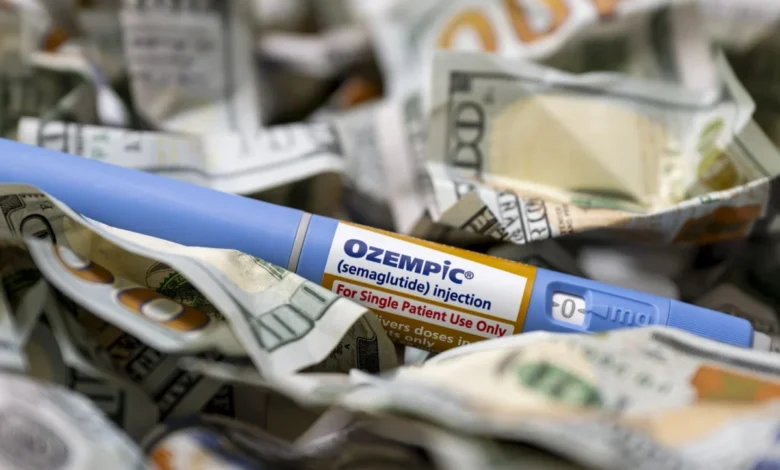
The pharmaceutical industry and the American healthcare system are currently navigating a significant turning point regarding the accessibility of glucagon-like peptide-1 (GLP-1) receptor agonists. Once hailed as the ultimate disruptor in the weight-management sector, these medications are now at the center of a complex fiscal tug-of-war between employers, insurers, and the patients who rely on them. As the initial excitement surrounding the clinical efficacy of drugs like Ozempic, Wegovy, and Zepbound settles, the reality of their high cost is driving a systematic withdrawal of employer-sponsored coverage, forcing a fundamental shift in how these brands reach their intended consumers.
A Growing Fiscal Divide in Employer Coverage
The financial burden of GLP-1 therapy—which can reach thousands of dollars annually per patient—has prompted a wave of re-evaluations among corporate benefit planners. According to the 2027 Employer Healthcare Strategy Survey by the Business Group on Health, the percentage of employers covering GLP-1s specifically for weight management has declined sharply, dropping from 72 percent in 2025 to 60 percent in 2026. This downward trajectory is not merely a temporary adjustment but appears to be a long-term strategic shift. Data indicates that approximately 10 percent of employers currently offering weight-loss coverage are signaling an intent to discontinue it in the near future.
This contraction has created a bifurcated market. On one side are the "covered" patients, who remain insulated from the full price of the medication. On the other are those forced into the out-of-pocket market, either due to employer cutbacks or a lack of coverage eligibility. Even major industry players are not immune to these pressures; for instance, Cigna made headlines in the summer of 2026 by removing GLP-1s for weight management from its own internal employee health plans, though it continues to maintain coverage for diabetes-related treatments.
Current statistics from The International Foundation of Employee Benefit Plans highlight the extent of this divergence: while 60 percent of employers now restrict coverage solely to diabetes management, only 36 percent continue to provide coverage for both diabetes and weight loss. This narrowing of criteria is effectively redrawing the map for pharmaceutical marketers, who must now pivot from broad-spectrum awareness campaigns to highly segmented, personalized outreach.
The Evolution of Pharmaceutical Marketing Strategies
The pivot toward out-of-pocket, direct-to-consumer (DTC) models requires a radical departure from traditional "awareness-first" advertising. Sam Brough, Head of Brand at the research firm Tracksuit, notes that as the financial responsibility shifts from the insurer to the individual, the criteria for brand loyalty are changing. "When individuals are saddled with the bills, two factors matter far more: whether they trust a brand, and whether it feels made for them," Brough explained.
This sentiment is driving a shift in how pharmaceutical giants like Novo Nordisk and Eli Lilly allocate their marketing budgets. Novo Nordisk’s recent transition of its U.S. media account to the Omnicom agency network underscores a deliberate strategy to scale consumer-focused initiatives and engage patients through digital channels that promise greater precision in targeting.
However, this transition is fraught with regulatory peril. The FDA has intensified its scrutiny of how these drugs are marketed, particularly in the realm of telehealth. The agency has issued stern warnings to dozens of companies regarding the unlawful promotion of compounded GLP-1 products. For marketers, the challenge is to build a narrative of accessibility and support without crossing the threshold into misleading or illegal advertising. The "out-of-pocket era" of GLP-1 marketing requires brands to position themselves as partners in the patient’s journey, helping them navigate complex, and often opaque, insurance and reimbursement pathways.
Chronology of the GLP-1 Market Shift
The rise and subsequent recalibration of the GLP-1 market can be traced through several key milestones:
- 2022–2023: The "Gold Rush" phase, characterized by massive consumer demand and broad, early-adopter coverage from employers looking to improve metabolic health outcomes among their workforce.
- 2024: Mounting pressure on corporate budgets leads to the first wave of restrictive formulary changes. Employers begin to implement "step therapy" and stricter clinical requirements.
- 2025: The pivot point. Data from the Business Group on Health reveals that 28 percent of employers have already removed weight-loss coverage for GLP-1s, signaling a departure from the "wellness perk" model.
- 2026: The current phase of consolidation. Insurers like Cigna lead the trend of restricting coverage to medical necessity (diabetes) only, while Medicare begins to pilot programs to address the needs of older, non-traditional demographics.
Navigating the New Demographic: The Medicare Connection
Historically, the weight-loss drug market has been concentrated among middle-aged adults, with the over-65 demographic representing a mere 12 percent of the category. However, this is changing as government-led initiatives attempt to fill the void left by private sector retrenchment. The Centers for Medicare & Medicaid Services (CMS) has introduced the GLP-1 Bridge Program, designed to facilitate access to treatments for eligible Medicare Part D beneficiaries.
This program has provided a new strategic opening for pharmaceutical manufacturers. Eli Lilly’s recent campaign, "A Life Covered," created in collaboration with Wieden+Kennedy Portland, offers a masterclass in this new, patient-centric marketing approach. By focusing on the lived experience of obesity and the logistical realities of accessing care, the campaign avoids the "miracle cure" tropes that previously dominated the category. Instead, it serves as a guide, helping a historically overlooked population navigate the requirements of the Bridge Program. This shift suggests that the future of drug marketing lies in "navigation marketing"—the art of helping patients overcome administrative and financial hurdles to secure treatment.
The Role of Financial Planning Tools
As coverage gaps widen, employers and health plans are increasingly encouraging employees to leverage their existing financial benefits to manage the cost of these medications. Data shows that 27 percent of employers now proactively direct their staff to utilize specialized direct-to-consumer platforms for GLP-1 access. Furthermore, 21 percent are actively promoting the use of Flexible Spending Accounts (FSAs), Health Savings Accounts (HSAs), and Health Reimbursement Arrangements (HRAs) to cover the out-of-pocket costs associated with these prescriptions.
This development highlights a crucial trend: the transition from "employer-funded" to "employer-facilitated" care. Companies are no longer paying for the drugs themselves, but they are providing the infrastructure—through benefits education and platform recommendations—to help employees pay for the drugs on their own.
Implications for the Future of Healthcare Branding
The broader implications of this market evolution are profound. We are witnessing the end of the "blockbuster" era for GLP-1 marketing, where generic awareness campaigns could drive millions in revenue. The future belongs to brands that can effectively demonstrate value to a skeptical, cost-conscious consumer base.
For the pharmaceutical industry, the focus must shift from "selling a weight-loss outcome" to "providing a pathway to health." This involves creating comprehensive ecosystems that integrate medication with behavioral support, financial planning, and clear communication regarding insurance coverage. Brands that fail to adapt to this reality risk being marginalized as the cost of their products continues to serve as the primary barrier to entry for the average consumer.
In the coming years, we can expect to see further segmentation of the market. We will likely see more "white-glove" services from drug manufacturers designed to help patients navigate prior authorizations and appeals processes. We may also see an increase in value-based contracting, where pharmaceutical companies tie their reimbursement rates more closely to measurable health outcomes, potentially enticing employers to return to coverage models in the future.
As the industry gathers at events like Brandweek to dissect these trends, the consensus remains clear: the GLP-1 phenomenon is not ending, but it is maturing. The brands that win in this next chapter will be those that view their marketing not as a push for awareness, but as a commitment to patient support. In an environment where every dollar is scrutinized, the most successful brands will be those that turn the complicated process of obtaining care into a simplified, accessible, and trusted consumer experience. The era of the miracle drug may be giving way to the era of the patient advocate, and for the marketing professionals navigating this landscape, the challenge is only just beginning.
Related posts: