Mastering the Digital Sales Funnel: The Strategic Imperative of Email Marketing for Course Creators and Digital Product Entrepreneurs


Selling digital products and online courses presents a unique set of challenges and opportunities distinct from traditional physical commerce. Unlike tangible goods, which can be physically inspected and evaluated, digital offerings rely entirely on compelling communication to convey their value. In this landscape, email marketing emerges not merely as a supplementary tool but as the foundational sales funnel, demanding a strategic approach built on trust, education, and sustained relationship building rather than immediate transactional pitches.
The shift in consumer behavior and the rapid expansion of the creator economy have fundamentally altered the sales paradigm for intellectual property and digital assets. While a physical product can leverage its material presence and packaging to aid in the sales process, a digital product or course exists as an intangible promise. This necessitates that the entire burden of persuasion—from establishing credibility to demonstrating value and inspiring action—falls squarely on the shoulders of the marketing communications, with email playing a paramount role. Effective creators understand that the playbook for digital products prioritizes building rapport before making an offer, educating prospects before presenting a sale, and nurturing relationships long before expecting revenue.
The Paradigm Shift: From Tangible to Intangible Commerce
The digital economy has seen an exponential rise in the creation and consumption of intangible products, including online courses, e-books, software subscriptions, membership sites, and digital templates. Projections indicate the global e-learning market alone is expected to reach over $370 billion by 2026, underscoring the vast potential for creators and educators. However, this growth also brings increased competition and the challenge of differentiation.
For brick-and-mortar retailers or e-commerce brands selling physical goods, email marketing often serves as a retention strategy, nudging existing customers toward repeat purchases, recovering abandoned carts, or announcing new product lines. The product itself, with its tactile qualities and visual appeal, performs much of the heavy lifting in the conversion process. Customers can examine an item, read reviews, and make a relatively quick decision based on perceived utility and aesthetics.
In contrast, for digital product creators, email frequently constitutes the entire sales funnel. The customer journey often begins with an initial touchpoint—a podcast appearance, a viral social media post, or a referral—that sparks curiosity. This interest then translates into an email opt-in, typically in exchange for a "lead magnet" such as a free training, checklist, or mini-course. From this point onward, the relationship cultivated through email is the primary determinant of whether a prospect ever converts into a paying customer. There are no physical products to browse, no traditional "abandoned cart" sequence in the physical sense, and less reliance on retargeting pixels for a purely digital offering. The quality and strategic deployment of emails become paramount, tasked with consistently earning trust and demonstrating value until the opportune moment for a sale.
Email as the End-to-End Digital Sales Funnel: A Chronological Approach
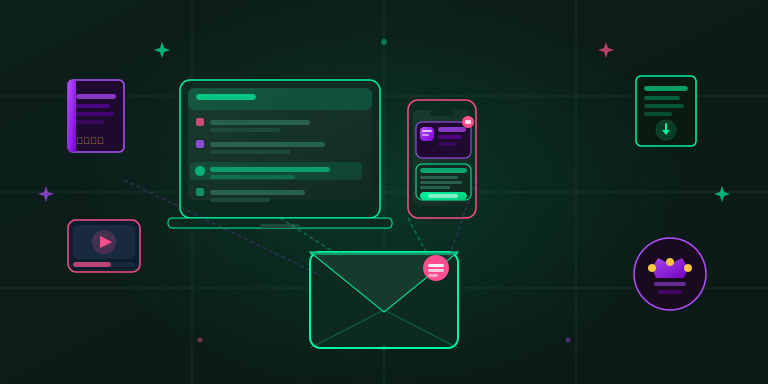
The customer journey for a digital product is a carefully orchestrated sequence, where each email plays a vital role in moving a subscriber from initial interest to conversion and beyond. This multi-stage process can be conceptualized as a chronological funnel:
-
Discovery and Lead Generation: The initial spark of interest, often through content marketing, social media, or referrals, leads to the offer of a valuable lead magnet. This is the gateway to the email list.
-
Welcome Sequence: The Foundation of First Impressions: Immediately following the opt-in, a well-crafted welcome sequence is crucial. Industry data suggests welcome emails boast significantly higher open rates (often 50-80%) compared to standard promotional emails, making them a critical window to establish brand voice, set expectations, and deliver initial value. This sequence is designed to reinforce the decision to opt-in and introduce the creator’s philosophy.
-
Nurture Sequence: Building Trust and Authority: This is the longest and most critical phase, where sustained value delivery cultivates trust and positions the creator as an authority. It’s here that the subscriber progresses through a journey of understanding their problem, envisioning a solution, and seeing the creator’s offering as the logical next step.
-
Launch Sequence: Orchestrating the Conversion: When a product or course is ready for sale, a dedicated launch sequence shifts the tone, injecting urgency and directly addressing potential barriers to purchase.
-
Post-Purchase Engagement: Fostering Loyalty and Retention: The journey doesn’t end with a sale. Post-purchase emails are vital for customer satisfaction, successful product utilization, and encouraging testimonials, referrals, and future purchases.
The Strategic Architecture of Digital Product Email Sequences
The effectiveness of email marketing for digital products lies in its structured approach, moving beyond simple newsletters to carefully designed sequences.
Beyond the Lead Magnet: Cultivating Initial Engagement
Many new course creators grasp the concept of a lead magnet – offering a free, valuable resource in exchange for an email address. However, a common misstep is treating this as the culmination of the value exchange rather than its inception. The lead magnet secures the opt-in; the subsequent welcome sequence captures and retains attention; and the ongoing nurture content ultimately drives the sale.
Leading platforms like Foundr exemplify this strategy. Their free trainings at the top of the funnel are not merely lead generation tools but serve as the opening chapters of an extended conversation with aspiring and established entrepreneurs. By the time a subscriber considers Foundr+, their comprehensive membership platform featuring numerous courses and a thriving community, they have often consumed substantial free content, fostering a significant degree of trust in the source. This pre-built trust significantly lowers the barrier to entry for a low-risk trial offer, demonstrating the power of a value-first, relationship-driven approach.
Nurturing Trust: The Foundation of Conversion
The primary objective of a nurture sequence extends beyond simply filling a subscriber’s inbox; it is to progressively build belief. This belief encompasses three critical components:
- Problem Validation: Convincing the subscriber that the problem the course addresses is real, significant, and impacting their lives.
- Credibility of Approach: Demonstrating that the creator’s methodology or solution is effective, unique, and trustworthy.
- Logical Next Step: Positioning the course or digital product as the natural and most effective solution for achieving their desired progress.
The most effective nurture sequences typically follow a clear narrative arc. They begin by empathizing with the audience’s current struggles and articulating the problem they face. Subsequently, they pivot to paint a vivid picture of the possible future state—what life or business could look like on the other side of solving that problem. Crucially, this is followed by the introduction of social proof: student success stories, testimonials, case studies, and the creator’s own journey. By the time the course itself is mentioned, a subscriber who has navigated this deliberate arc is not encountering a cold pitch but rather a confirmation of a decision they have already begun to internalize.
The optimal length of a nurture sequence varies based on the product’s complexity and price point. A lower-priced digital product, such as a $49 ebook, might convert effectively with three to four targeted emails. Conversely, a flagship course or a recurring membership program often requires a more extensive runway, frequently spanning six to ten emails distributed over several weeks before the sales cart opens. This extended period allows for deeper trust-building and comprehensive objection handling.
The High-Stakes Launch: Orchestrating Urgency and Action
The dynamic of email communication shifts considerably once the sales cart for a digital product or course opens. The measured, value-first approach that characterizes a nurture sequence alone is insufficient to drive a successful launch. A launch window is inherently a period of contained urgency, and the emails deployed during this time must reflect that heightened energy.
Launch emails must be designed to convert by overcoming inertia and addressing immediate concerns. They should:
- Open with Impact: Rather than a dry list of features, launch emails should begin with a compelling story, a powerful outcome, or a relatable problem that immediately captures attention and connects emotionally.
- Address Objections Proactively: The middle emails in a launch sequence are prime opportunities to tackle common hesitations head-on. If potential students worry about time commitment, illustrate how others have successfully integrated the course into busy schedules. If they doubt its applicability, share diverse student results from individuals with similar backgrounds.
- Close with Authenticity and Real Urgency: The final emails must convey genuine urgency. Deadlines should be real and clearly stated. Manufactured urgency, which can be easily tested and found wanting, erodes trust. Authentic urgency, based on genuine limited-time offers or cohort enrollments, does not need to be oversold; its truth speaks for itself.
- Increase Frequency Strategically: In the final 48 hours of a launch, sending one email per day is often not excessive. Subscribers who are genuinely interested are actively looking for these communications, seeking reminders, final details, and the push to make a decision.
Post-Purchase Engagement: Building Lifetime Value and Advocacy
A significant oversight among many digital product creators is the cessation of communication once the sale is complete and the cart closes. This silence is a missed opportunity to solidify customer loyalty and cultivate invaluable advocates.
A simple check-in email sent approximately a week after purchase, inquiring about a student’s progress or initial impressions, can generate a disproportionate amount of goodwill. Most buyers are unaccustomed to such proactive engagement from creators post-sale, making this a powerful differentiator.
Furthermore, implementing progress-based emails that acknowledge milestones achieved within the course or offer encouragement to students who may be falling behind directly impacts completion rates. High completion rates are not merely vanity metrics; a student who successfully finishes a course and achieves a tangible result becomes the most potent marketing asset a creator can possess. These satisfied customers are the ones who provide compelling testimonials, refer new prospects, and are most likely to invest in future offerings. Foundr’s commitment to this principle is evident in their 90-day results guarantee for Foundr+, a pledge that necessitates a robust post-purchase experience, significantly bolstered by strategic email communications.
Technological Enablement: Streamlining the Digital Product Journey
The effective execution of these complex email strategies is heavily reliant on sophisticated marketing automation platforms. These tools empower creators to manage intricate nurture sequences, dynamic launch flows, and personalized post-purchase follow-ups without requiring constant manual intervention. Key functionalities include advanced segmentation capabilities, which ensure that the right message reaches the right subscriber at the precise stage of their journey, maximizing relevance and engagement.
For creators considering optimizing their email infrastructure, platforms offering robust automation, detailed analytics, and seamless migration services are increasingly vital. The ability to automatically segment audiences based on engagement, purchase history, or progress within a course allows for highly personalized communication, which can significantly boost conversion rates and customer satisfaction. Industry analysis consistently shows that personalized emails generate higher open rates and click-through rates, leading to improved ROI.
The Enduring Power of a Relationship-First Approach
Building a digital product business founded on a strategic email marketing approach represents one of the most durable and resilient models in online entrepreneurship. Its strength lies in its independence from fluctuating social media algorithms or the capricious rule changes of external platforms. Instead, its growth is directly proportional to the quality of the relationships cultivated with the audience on the email list.
The most successful creators in this space are not simply sending more emails; they are meticulously crafting and dispatching better emails. These communications are delivered at optimal moments, to segmented audiences who have already developed a sufficient level of trust to eagerly anticipate and open them. This commitment to value, education, and genuine connection ensures that email marketing remains a cornerstone for sustainable success in the ever-evolving landscape of digital products and online courses.