Meta Strategic Evolution 2023: A Comprehensive Review of Platform Updates Advertising Innovations and the Future of Social Commerce

The transition from 2022 into 2023 marked a pivotal era for Meta Platforms, Inc., characterized by a fundamental shift in how the conglomerate approaches artificial intelligence, content distribution, and advertiser utility. As the parent company of Facebook and Instagram, Meta spent the final quarter of 2022 deploying a suite of tools designed to streamline the user experience while providing marketers with advanced automation capabilities. This strategic pivot comes in response to increasing competition from short-form video platforms and the ongoing recovery from industry-wide changes to data tracking and privacy regulations.
The Automation Revolution: Meta Advantage+ and AI Integration
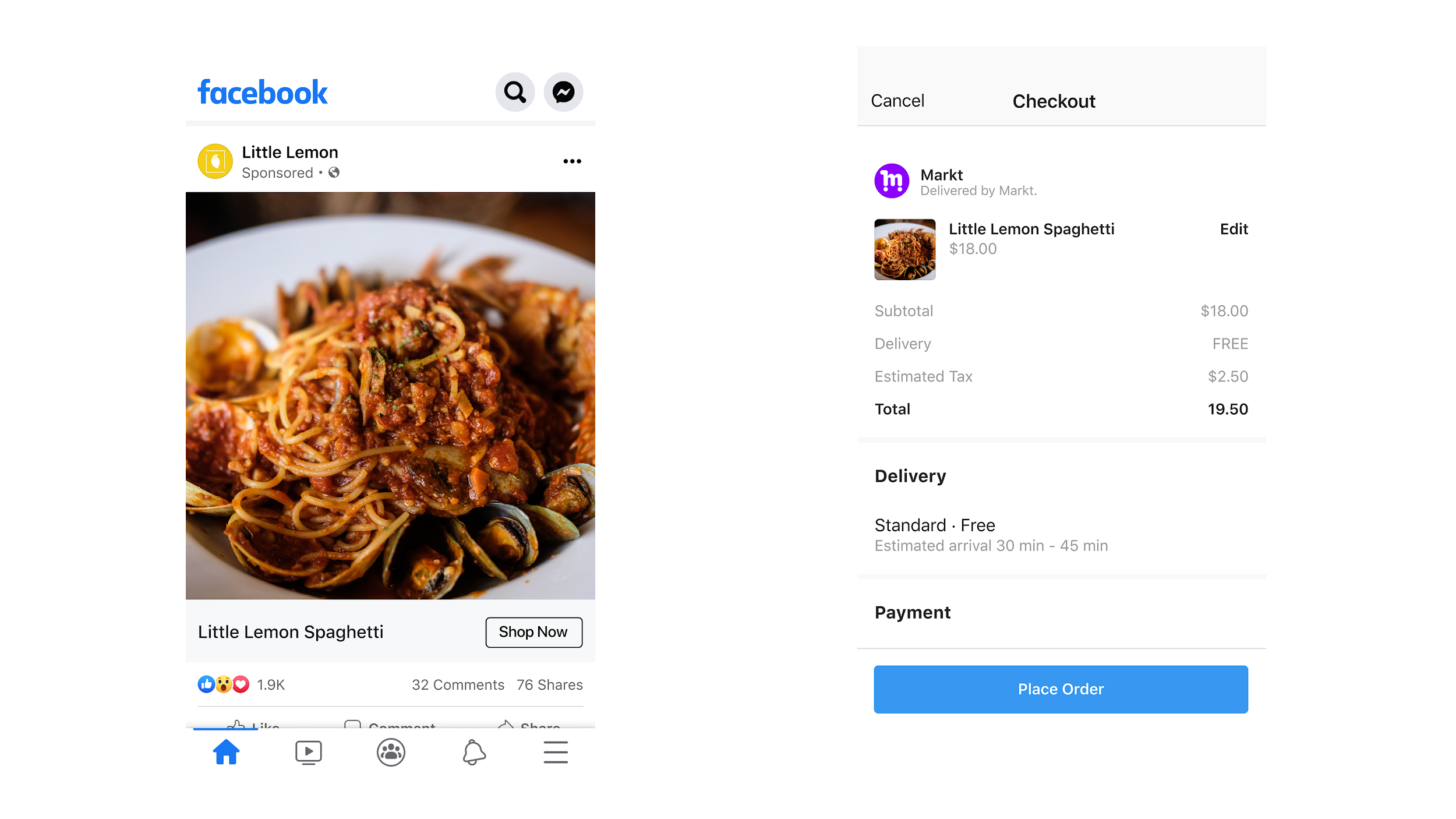
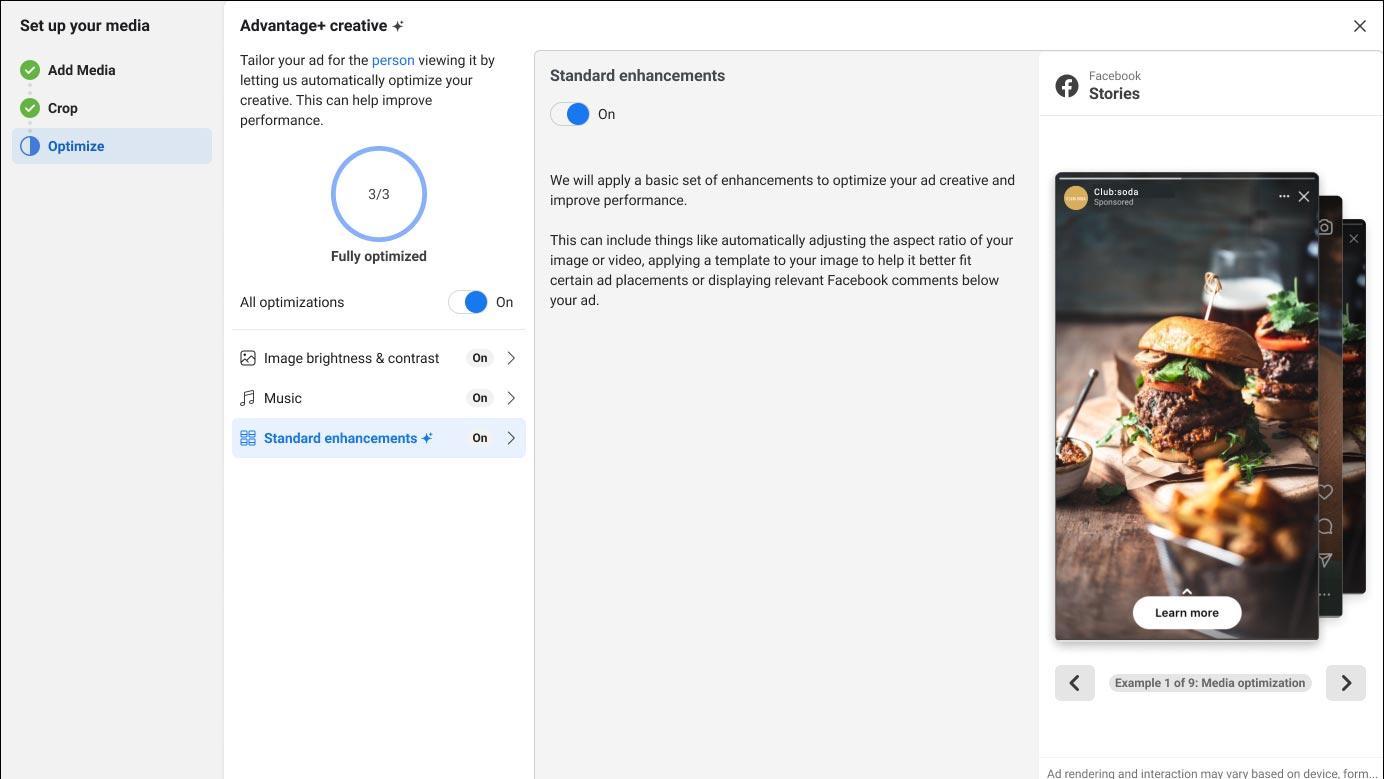
One of the most significant developments in the Meta ecosystem throughout 2022 was the aggressive rollout of the Advantage+ suite. This collection of automated advertising products represents Meta’s answer to the signal loss caused by Apple’s App Tracking Transparency (ATT) framework. By leveraging sophisticated machine learning, Advantage+ aims to optimize ad delivery and creative selection without requiring the granular manual input previously standard in the industry.
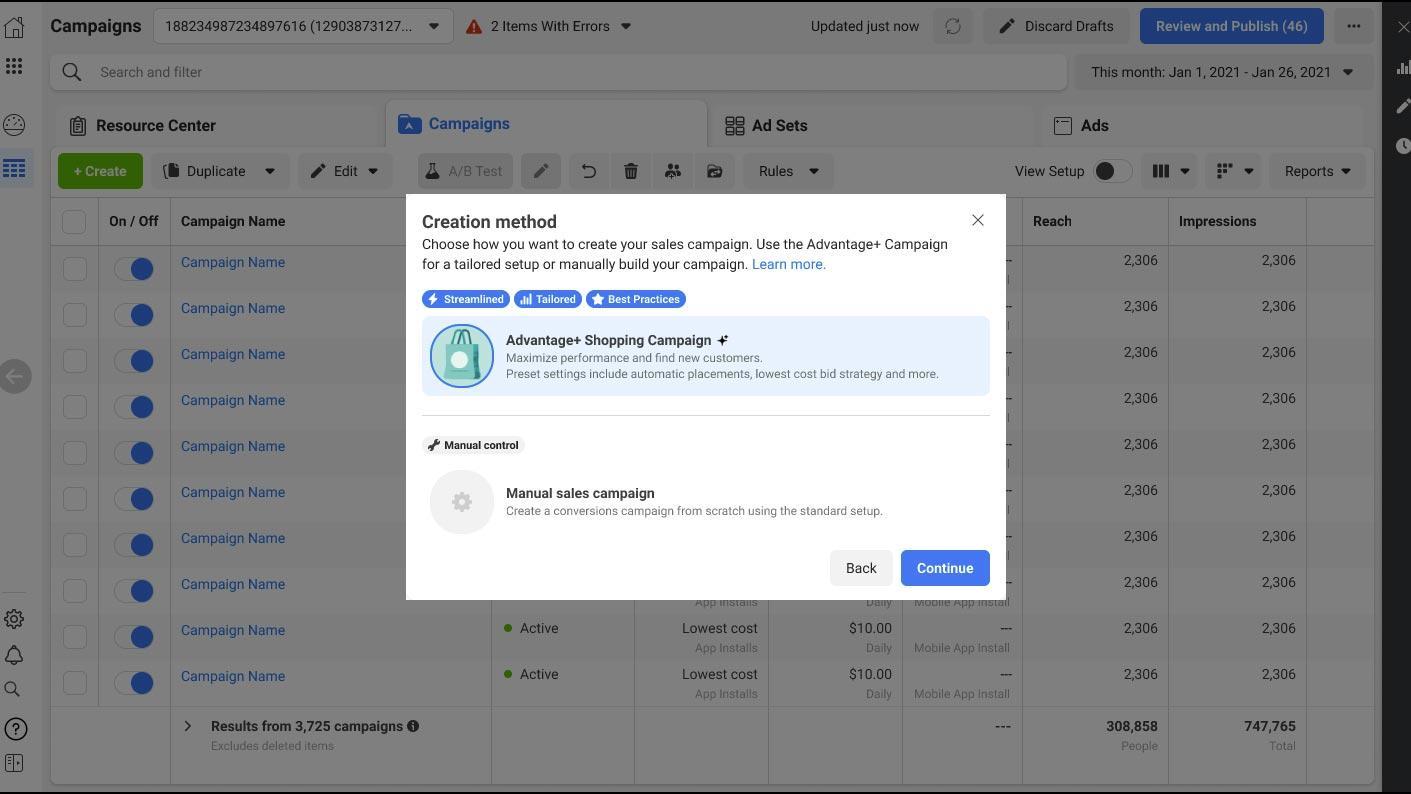
Supporting data released by Meta in late 2022 indicated that Advantage+ Shopping campaigns led to a 12% lower cost-per-purchase conversion compared to traditional manual ads. The system is capable of running up to 150 creative combinations simultaneously, identifying high-performing assets in real-time. This move toward a "Discovery Engine" model signifies a departure from the "Social Graph" model, where content and ads were primarily served based on a user’s social connections. Now, AI-driven recommendations dictate the majority of the user experience.
In December 2022, Facebook reinforced this automation-first approach by releasing its "Advertising Essentials" report. The documentation emphasized internal data-backed best practices, urging advertisers to broaden their targeting and allow the platform’s algorithm more autonomy. This shift is intended to maximize Return on Investment (ROI) by reducing the friction of manual campaign management and allowing Meta’s neural networks to identify prospective customers across its diverse apps.
Instagram’s Native Evolution: Scheduling and Creator Tools
For years, social media managers relied on third-party applications or the desktop-based Creator Studio to schedule content. In a major operational update in late 2022, Instagram launched native content scheduling directly within its mobile application. This feature allows Business and Creator accounts to schedule Reels, photos, and carousel posts up to 75 days in advance.
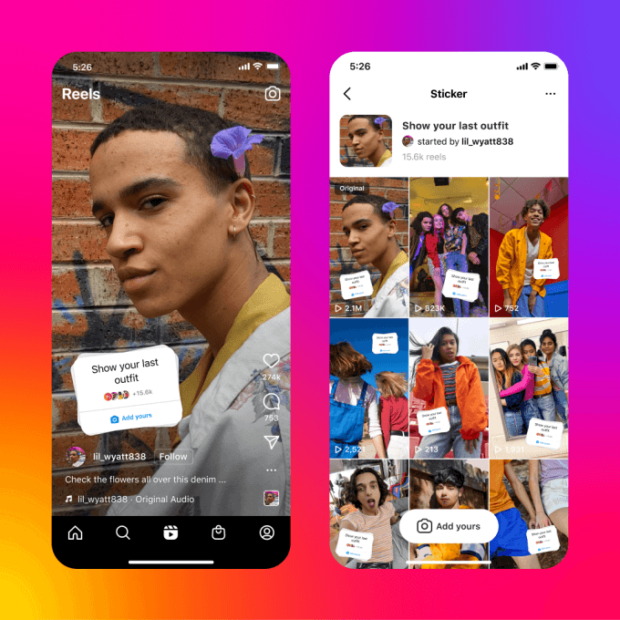
This update represents a strategic move to keep power users within the native app ecosystem. However, industry analysts note an important caveat: certain high-engagement features, such as product tagging and cross-posting to Facebook, remain unavailable for scheduled content at the time of launch. This requires a balanced approach from digital marketers who must choose between the convenience of scheduling and the depth of interactive features.
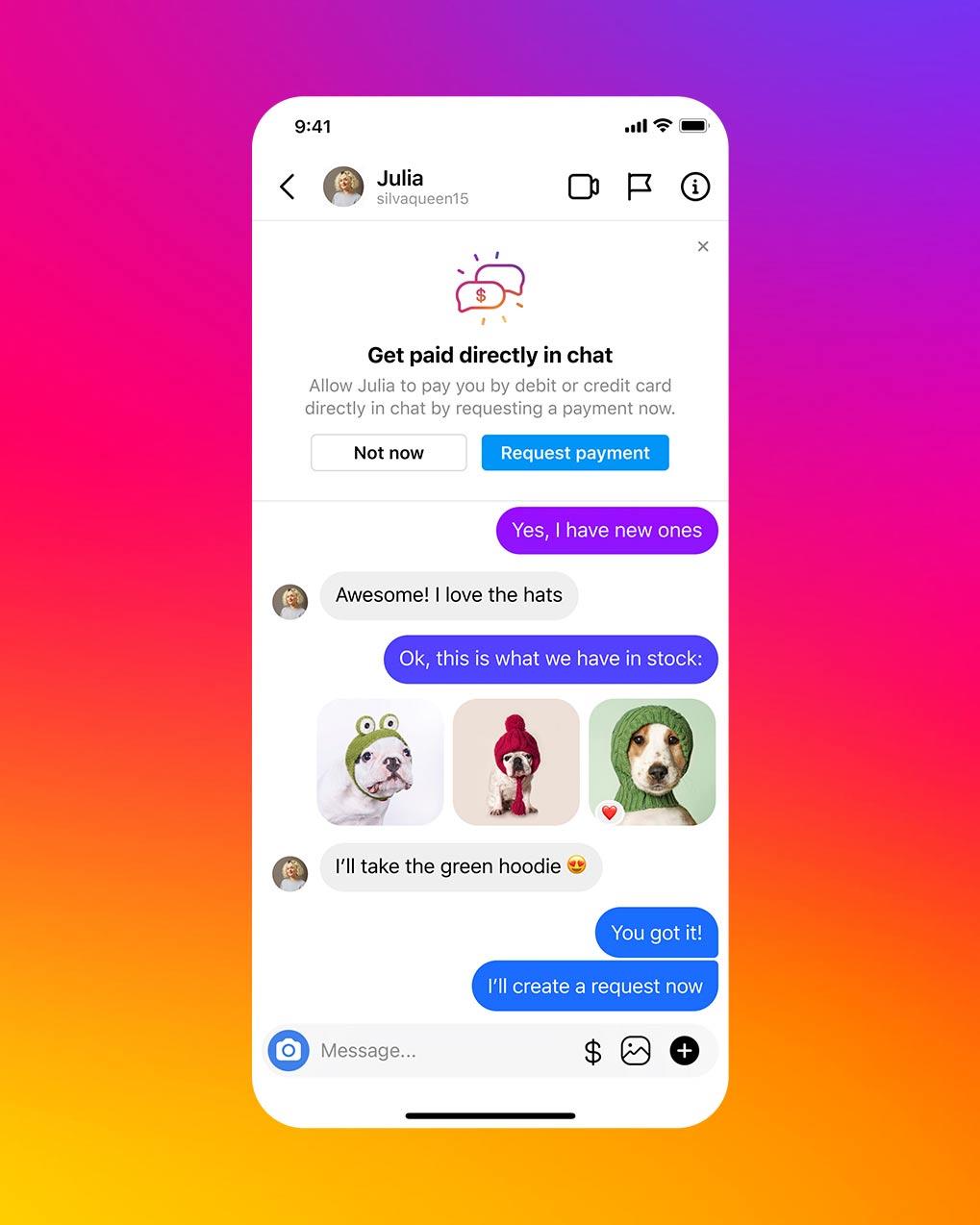
Complementing this is the expansion of the Instagram Creator Marketplace. Initially tested in mid-2022, the marketplace transitioned to a more robust platform for brand-creator collaborations. The introduction of the "Partnership Ads" feature allows brands to amplify creator content more efficiently. Furthermore, the platform integrated new communication tools within the Meta Business Suite, allowing for a centralized "Brand Folder" where creators can submit content for review and brands can manage deliverables and payments in one interface.

Advancing Brand Safety and Technical Credibility
A major milestone was achieved in November 2022 when Meta received accreditation from the Media Rating Council (MRC) for content-level brand safety on Facebook. This followed an exhaustive independent audit of Meta’s policies, processes, and technical controls. The accreditation covers Meta’s Partner Monetization Policies and Content Monetization Policies as they apply to In-Stream Video and Instant Articles across mobile and desktop environments.
This development is critical for major global advertisers who have expressed concerns over ad placements appearing adjacent to controversial or harmful content. In addition to the MRC accreditation, Meta began testing a content-based inventory filter for both Facebook and Instagram feeds. This tool allows brands to select three distinct tiers of inventory—Expanded, Moderate, and Limited—allowing for precise control over the environment in which their advertisements appear. This proactive stance on brand suitability is viewed as a necessary step to maintain premium ad pricing and advertiser trust in an increasingly polarized digital landscape.

Protecting Intellectual Property: The New API Frontier
As the creator economy continues to expand, the protection of original content has become a paramount concern for Meta. In October 2022, the company announced the launch of a new Intellectual Property (IP) Reporting API. Integrated with the Graph API, this tool allows rights holders to report content they believe violates their IP rights in a streamlined, automated fashion.
Meta also enhanced its Brand Rights Protection feature within the Business Manager. The updated system uses machine learning to identify counterfeit products, copyright infringements, and impersonations. New features include a "Saved Searches" function, allowing brands to monitor specific keywords and visual assets continuously. This investment in IP protection is not merely a legal necessity but a strategic effort to entice high-end brands and original creators to prioritize Meta platforms over competitors where piracy and content scraping are more prevalent.
The Strategic Dominance of Reels and Short-Form Video
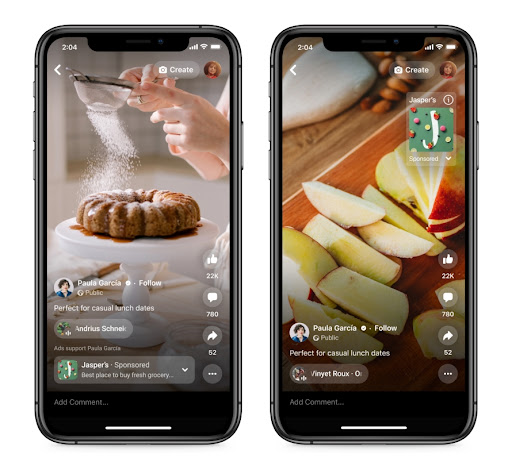
Throughout 2022, Reels emerged as the fastest-growing content format across both Facebook and Instagram. Meta’s leadership has consistently emphasized that Reels are a vital component of the "Discovery Engine." To support this, the company introduced "Music in Feed," allowing users to add up to 90 seconds of licensed audio to static photo posts.
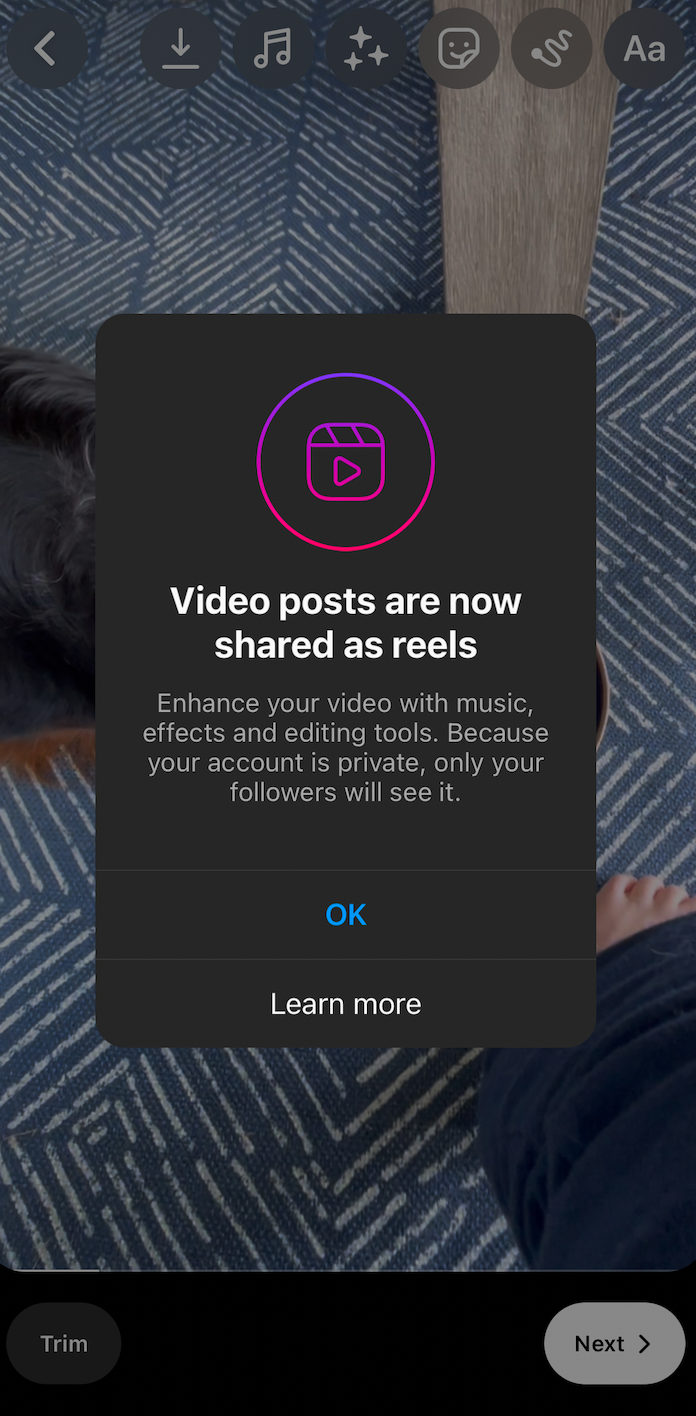
The logic behind this update is to bridge the gap between static imagery and the dynamic, audio-driven nature of modern social media. By encouraging the use of music in traditional posts, Meta is conditioning its user base to engage with audio-on environments, further supporting the transition to a video-first platform. Furthermore, the company streamlined the process for converting existing video content into Reels via Creator Studio, encouraging a "repurpose-first" strategy for legacy video assets.
Community Building and Facebook Groups
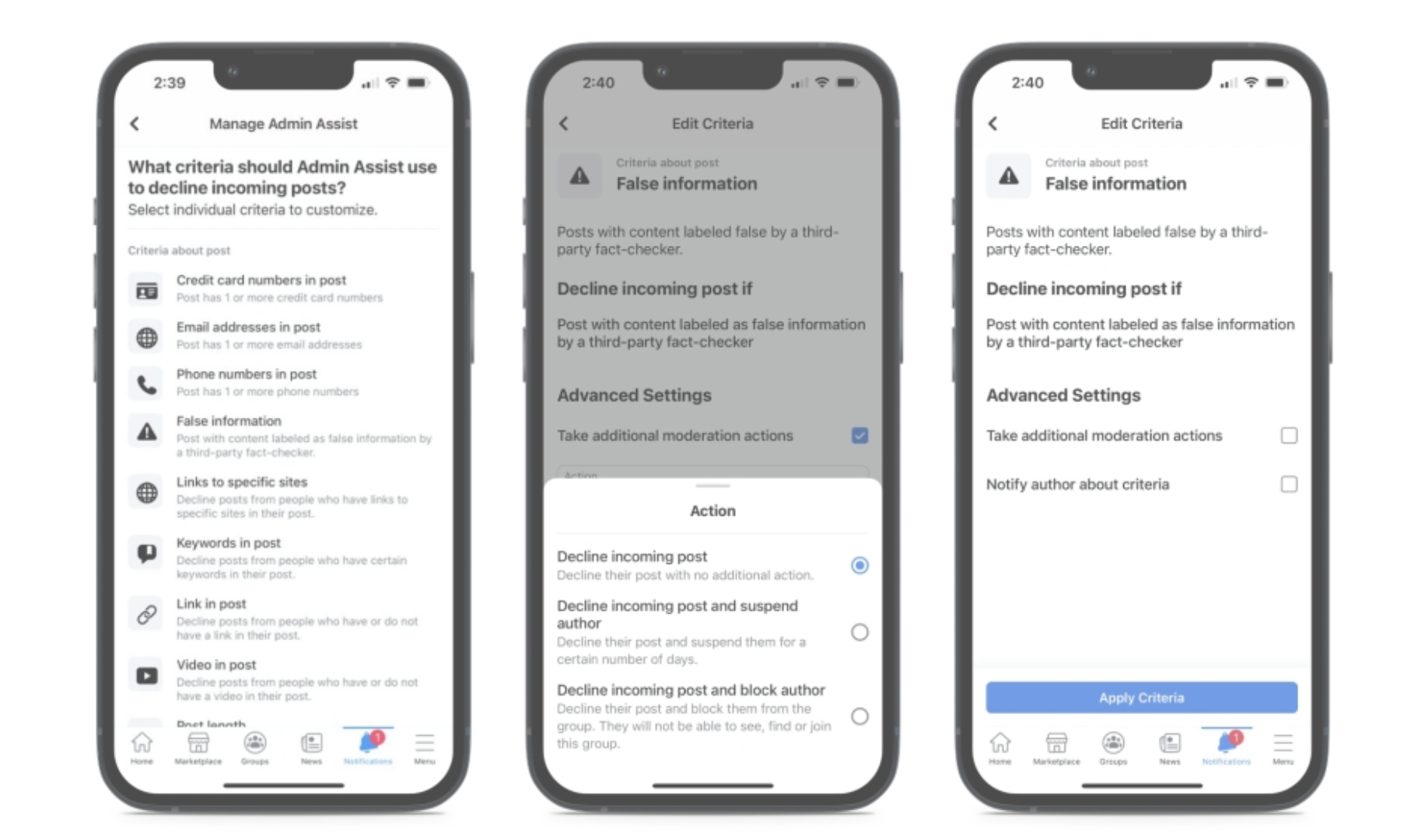
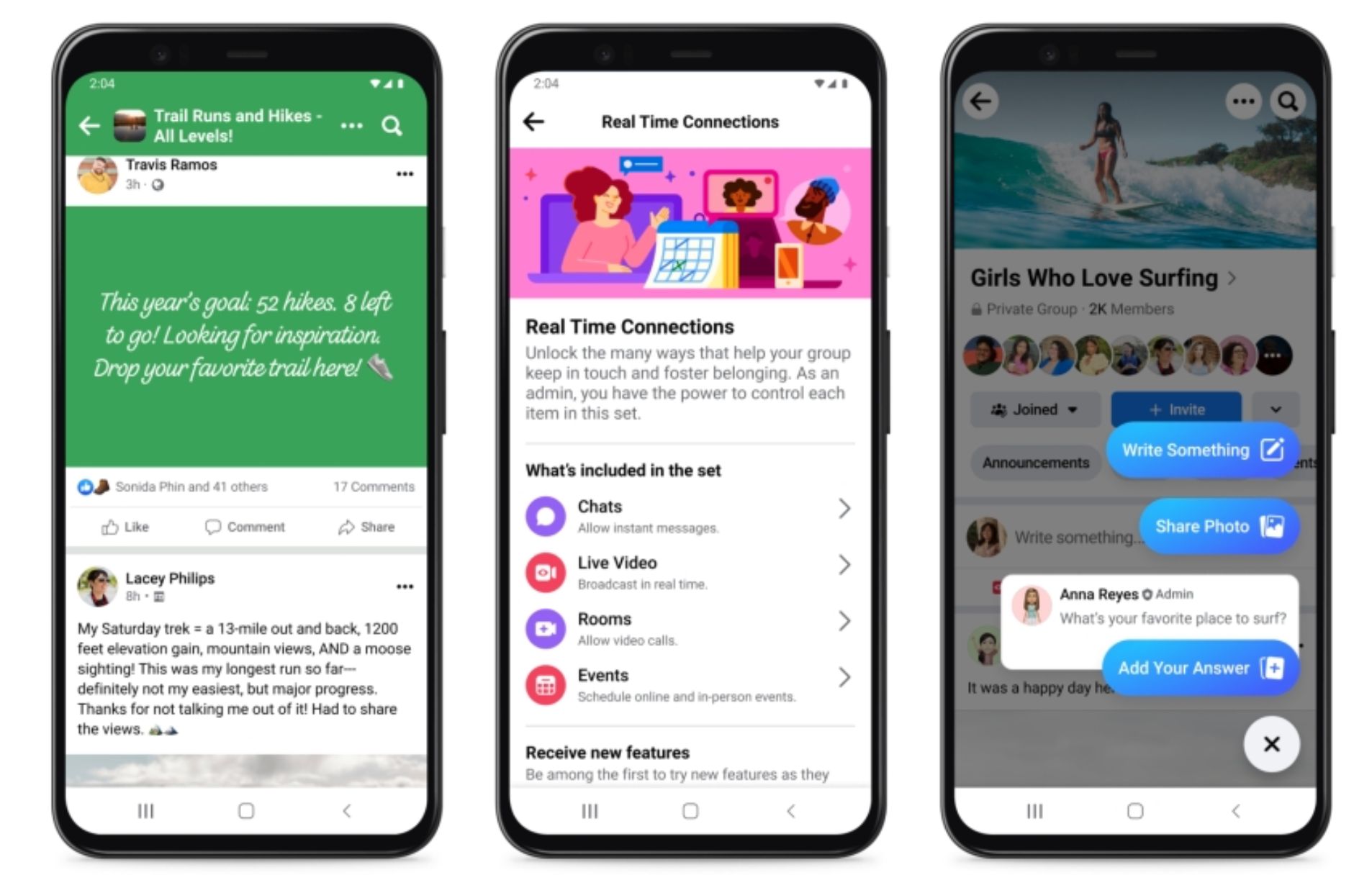
While video took center stage, Facebook Groups remained a cornerstone of user retention. At the Facebook Communities Summit in late 2022, several features were unveiled to enhance the moderator experience. These included "Admin Assist" updates, which automate the process of flagging misinformation or managing "conflict-prone" conversations.
Meta also introduced subscription-based Groups, providing brands and creators with a new monetization path. This allows for the creation of exclusive, gated communities where members pay a monthly fee for premium content and interaction. Analysts suggest that the continued investment in Groups is a defensive maneuver against niche community platforms like Discord and Reddit, ensuring that Facebook remains a destination for high-intent, interest-based networking.
The Metaverse: A Long-Term Financial Commitment
Despite economic headwinds and significant skepticism from Wall Street, Mark Zuckerberg has maintained his commitment to the Metaverse. Meta has invested more than $36 billion into its Reality Labs division since 2019, focused on developing the next generation of virtual and augmented reality (VR/AR) hardware and software.
In late 2022, Meta expanded its VR monetization options in "Horizon Worlds," allowing a select group of creators to sell virtual items and effects. The company also rebranded its "Facebook Marketing Experts" as the "Meta Pro Team," signaling a broader support structure for businesses looking to navigate both current social apps and future immersive environments. While the commercial success of the Metaverse remains a long-term prospect, Meta’s 2023 roadmap indicates that VR/AR will continue to receive substantial R&D funding.
Impact and Implications for 2023
The cumulative effect of these updates suggests a Meta that is leaner, more automated, and more focused on technical credibility than in previous years. The shift toward Advantage+ campaigns and native scheduling tools indicates an effort to lower the barrier to entry for small businesses while providing the technical depth required by global enterprises.
For marketers, the implications are clear: success in 2023 will depend on the ability to produce high-quality, short-form video content and the willingness to trust AI-driven automation. The "manual" era of social media advertising is rapidly concluding, replaced by a system where creative assets and high-level strategy are more important than granular button-clicking within the Ads Manager.
As Meta continues to refine its brand safety tools and IP protections, the platform is positioning itself as a more "mature" alternative to younger competitors. By securing MRC accreditation and launching advanced IP APIs, Meta is emphasizing stability and safety in an effort to secure the lion’s share of global digital ad spend. Moving into 2023, the focus remains on the intersection of AI-driven discovery and community-led engagement, a dual strategy aimed at maintaining dominance in the evolving social media landscape.
Related posts: