Social Commerce Mastery: The Future of Global Retail and the Evolution of In-App Shopping


Global ecommerce sales reached an unprecedented milestone in 2022, hitting approximately $5.5 trillion worldwide as digital adoption continued to reshape the global economy. While traditional online shopping through dedicated storefronts like Shopify and WooCommerce remains a cornerstone of the industry, a transformative shift toward social commerce is redefining how brands and consumers interact. Unlike traditional ecommerce, which often requires a multi-step journey from discovery to a third-party website, social commerce allows for the entire transaction—from product discovery to final checkout—to occur within the ecosystem of a social media platform. This evolution represents a fundamental change in retail strategy, moving away from passive advertising toward an integrated, frictionless shopping experience.
The Definition and Mechanics of Social Commerce
Social commerce is defined as the direct sale of products or services within a social media environment. This model effectively turns social networks into virtual storefronts, removing the necessity for users to navigate away from their preferred apps to complete a purchase. By integrating commerce into the social experience, platforms like Meta’s Facebook and Instagram, along with ByteDance’s TikTok, have created a "one-stop-shop" environment that capitalizes on impulsive buying behaviors and social proof.

The operational flow of social commerce is designed for maximum convenience. For instance, a user browsing Instagram may encounter a sponsored post for apparel. Rather than clicking a link that redirects to an external browser—a process that often leads to high cart abandonment rates due to slow load times or required account creation—the user can click a "Shop Now" button. This action opens an in-app checkout interface where payment and shipping information, often stored within the platform, can be applied instantly. Similarly, on TikTok, a user watching a short-form video demonstrating a kitchen gadget can purchase that item through a linked TikTok Shop icon, completing the transaction without interrupting their content consumption.
Distinguishing Social Commerce from Related Digital Strategies
A common point of confusion in the digital marketing industry is the distinction between social commerce, ecommerce, and social selling. While they share the same objective of driving revenue, their methodologies differ significantly. Ecommerce is an umbrella term encompassing all online transactions, typically centered around a brand’s own website or a marketplace like Amazon. Social selling, conversely, is a lead-generation technique focused on relationship-building; it involves sales professionals using social media to engage with prospects, though the final transaction usually occurs offline or on a separate platform.
Social commerce is unique because it is the only model where the social platform serves as the actual point of sale. This integration reduces "friction"—the digital hurdles that stand between a consumer’s desire for a product and the completion of the purchase. Industry analysts note that every additional click required in a checkout process results in a measurable drop in conversion rates. By eliminating the transition from social app to web browser, social commerce addresses this challenge directly.

A Chronological Evolution of Social Platforms into Retail Hubs
The journey toward fully integrated social commerce has been a decade in the making, marked by several key milestones:
- 2015: Pinterest becomes a pioneer by introducing "Buyable Pins," allowing select retailers to sell products directly on the platform. While initially limited, this set the stage for visual-based shopping.
- 2018-2019: Instagram begins testing "Checkout on Instagram," moving beyond simple product tags to a full in-app payment system.
- 2020: The COVID-19 pandemic accelerates digital adoption. Facebook officially launches "Facebook Shops," providing small businesses with free tools to create digital storefronts across Facebook and Instagram.
- 2021-2022: TikTok enters the fray with TikTok Shop, leveraging its high-engagement algorithm to drive "discovery commerce." The hashtag #TikTokMadeMeBuyIt becomes a global phenomenon, garnering billions of views and driving massive sell-outs for niche products.
- 2023-Present: The integration of Generative AI and advanced chatbots like Heyday allows for automated, personalized shopping assistance, bringing the concept of a "digital concierge" to social commerce.
Strategic Drivers: Why Brands are Pivoting to Social Commerce
The rapid ascent of social commerce is driven by several socio-economic and technological factors. Understanding these drivers is essential for any business looking to remain competitive in the modern retail landscape.
1. Interactive and Community-Driven Shopping
Traditional ecommerce is often a solitary experience. Social commerce, however, mirrors the interactive nature of a physical shopping mall. Users can see real-time reviews, ask questions in the comments section, and share products with friends for immediate feedback. This "social proof" is a powerful psychological driver; when consumers see others interacting positively with a brand, their trust and likelihood to purchase increase.

2. Capturing the Gen Z and Millennial Markets
Demographic data reveals a stark divide in shopping habits. According to Statista, approximately 62% of consumers aged 18 to 34 have made purchases directly influenced by social media posts or influencer content. For these "digital natives," the distinction between socializing and shopping is increasingly blurred. Brands targeting these demographics must meet them where they spend the majority of their time: on their mobile devices within social apps.
3. Data-Driven Precision Targeting
Social media platforms possess some of the most sophisticated consumer data in existence. Social commerce allows brands to utilize this data to put specific products in front of highly segmented audiences. Unlike traditional advertising, which may cast a wide net, social commerce ads can be targeted based on interests, behaviors, and even past interactions, ensuring that the "Shop Now" button is seen by those most likely to use it.
4. Real-Time Feedback and Focus Group Capabilities
Social commerce provides an immediate feedback loop. Brands can monitor engagement metrics on specific product posts to gauge interest before committing to large inventory orders. The comments section acts as a live focus group, providing insights into what customers like, what they find too expensive, or what features they wish a product had.
Analysis of Leading Platforms in the Social Commerce Space
While several platforms offer commerce features, the strategies for each vary based on their user base and technical architecture.
Meta: Facebook and Instagram
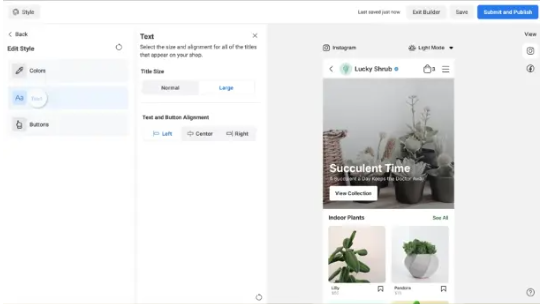
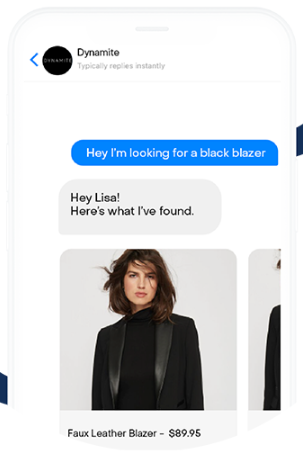
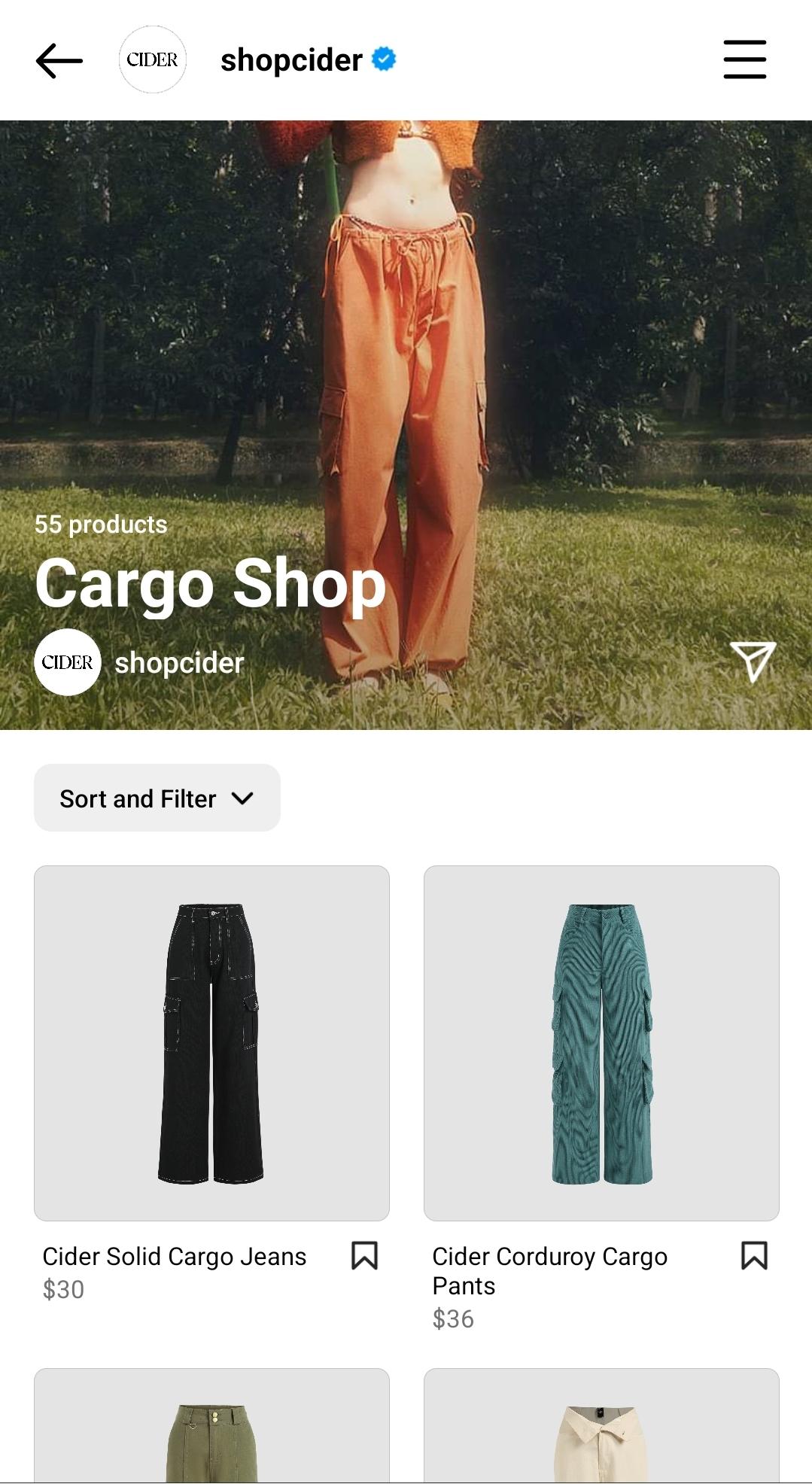
Meta remains the dominant force in social commerce through Facebook and Instagram Shops. Their strength lies in their massive user base and the seamless integration between the two platforms. Facebook Shops are highly customizable, allowing brands to curate collections and maintain brand identity through specific fonts and colors. A significant advantage for Meta is its "Shop through DM" feature, which allows businesses to close sales within a chat interface, providing a personalized touch to the transaction.
TikTok: The Disruptor
TikTok has revolutionized "discovery commerce." Its algorithm is uniquely adept at showing users products they didn’t know they wanted but are likely to buy. TikTok Shop offers three main avenues for sales: in-feed videos with product links, a dedicated "Shop" tab on business profiles, and live-stream shopping. Live-stream shopping, which has already seen massive success in Asian markets, allows influencers to demonstrate products in real-time, creating a sense of urgency and "FOMO" (fear of missing out) that drives immediate sales.
Pinterest: The Visual Search Engine
Pinterest occupies a unique niche. While it may not have the same social interaction levels as TikTok, it is a high-intent platform. Users go to Pinterest specifically to find inspiration for purchases, such as home decor or wedding planning. While in-app checkout is currently most robust in the United States via "Product Pins," its global influence as a pre-purchase research tool is unmatched.
Enhancing Social Commerce with AI and Automation
As the volume of social commerce transactions grows, businesses face the challenge of managing customer service at scale. The integration of Artificial Intelligence (AI) has become a necessity. AI-powered chatbots, such as Heyday, can automate up to 80% of routine customer inquiries, including order tracking and pricing questions.
These tools do more than just answer questions; they drive sales. Modern AI can send automated notifications to customers when a previously viewed item drops in price or comes back into stock. This level of personalized, real-time engagement was previously impossible for all but the largest retailers but is now accessible to businesses of all sizes through social media management dashboards like Hootsuite.
Broader Impact and Future Implications
The shift toward social commerce has profound implications for the global economy and the future of retail. For small businesses, social commerce lowers the barrier to entry, allowing them to compete with global brands without the need for a massive marketing budget or a sophisticated website. For consumers, it offers a more personalized and convenient way to shop.
However, the industry also faces challenges. Data privacy remains a significant concern, as platforms must balance the collection of consumer data for targeting with increasingly stringent regulations like GDPR and CCPA. Furthermore, logistics and fulfillment remain a hurdle; while the "front end" of social commerce is frictionless, the "back end" of shipping and returns must be equally efficient to maintain customer satisfaction.
In conclusion, social commerce is not merely a trend but a structural realignment of the retail industry. As global ecommerce continues its trajectory toward and beyond the $5.5 trillion mark, the brands that succeed will be those that embrace the social, interactive, and frictionless nature of in-app shopping. By leveraging the right platforms, engaging authentically with audiences, and utilizing AI to streamline operations, businesses can turn social media from a megaphone for marketing into a powerful engine for revenue.