The Evolution of YouTube in 2025: A Data-Driven Analysis of Global Reach, Marketing Efficacy, and Consumer Behavior

The digital landscape of 2025 is defined by the undisputed dominance of video content, with YouTube standing as the primary architect of this global shift. Since its inception in 2005 and its subsequent acquisition by Google in 2006 for $1.65 billion, YouTube has transitioned from a simple video-sharing repository into a multifaceted ecosystem that encompasses search, social networking, entertainment, and e-commerce. Current industry data reveals that YouTube is no longer merely an alternative to traditional media; it is the cornerstone of daily digital life for billions of users and a critical infrastructure for modern business marketing.
The Quantitative Scale of Global Engagement
At the start of 2025, YouTube’s scale reached unprecedented heights, boasting over 2.58 billion monthly active users (MAUs). This figure represents approximately 31% of the total global population, a testament to the platform’s universal appeal across cultural and linguistic barriers. On a daily basis, the platform sustains 122 million active users who collectively consume more than one billion hours of video content.
![46 Must-Know YouTube Statistics [Infographic] | WordStream](https://www.wordstream.com/wp-content/uploads/2026/03/youtube-stats-feature.jpg)
The growth trajectory of the platform has remained remarkably steady despite increasing competition from short-form video rivals. While platforms like TikTok have captured significant attention in the sub-15-minute category, YouTube has successfully reclaimed its position as the top video streaming app in the United States. This resurgence is reflected in the platform’s financial health, with an annual revenue growth rate increasing by 14.6% year-over-year.
To understand the velocity of content on the platform, one must look at the volume of production. Approximately 20 million videos are added to YouTube every single day. In the context of the "internet minute," roughly 3.47 million videos are watched every 60 seconds. This massive influx of content ensures that the platform remains the second-most popular search engine in the world, trailing only its parent company, Google.
A Chronology of Platform Expansion
The journey to 2.58 billion users was not instantaneous. A look at the five-year growth cycle highlights the platform’s resilience and expansion:
![46 Must-Know YouTube Statistics [Infographic] | WordStream](https://www.wordstream.com/wp-content/uploads/2026/03/youtube-statistics-infographic-724x1024.webp)
- 2021: 2.50 billion monthly active users.
- 2022: 2.68 billion monthly active users.
- 2023: 2.70 billion monthly active users (a peak following the global digital surge).
- 2024: 2.50 billion monthly active users (stabilization following platform-wide policy updates).
- 2025: 2.58 billion monthly active users (current projected standing).
This chronological progression demonstrates that while user numbers may fluctuate based on market saturation and competition, the core utility of the platform remains indispensable to the global internet user base.
Demographic Analysis: Who is Watching?
YouTube’s audience is not a monolith; it is a diverse spectrum of age groups, income levels, and geographic locations. The largest single demographic segment is the 25-34 age group, which accounts for 22% of the total user base. However, the platform’s reach extends significantly into older demographics, which are often overlooked by newer social media competitors. Remarkably, YouTube reaches 95% of all internet users over the age of 55 during an average month.
The age distribution of YouTube users in 2025 is as follows:
![46 Must-Know YouTube Statistics [Infographic] | WordStream](https://www.wordstream.com/wp-content/uploads/2026/03/youtube-statistics-youtube-mau-chart.webp)
- 18 to 24: 16%
- 25 to 34: 22%
- 35 to 44: 19%
- 45 to 54: 14%
- 55 to 64: 10%
- 65+: 10%
Gender distribution on a global scale shows a slight male lean, with 54% male and 46% female users. However, in the United States, the split is nearly equal, with females making up 51% of the audience.
From a socioeconomic perspective, YouTube is a powerhouse for reaching high-value consumers. Data indicates that the platform reaches 89% of U.S. households with an annual income exceeding $100,000. This high concentration of affluent users makes it a primary target for luxury brands and high-end service providers.
Geographic Dominance and the Global South
The geographic distribution of YouTube users reveals a significant shift toward emerging markets. India currently leads the world with 500 million YouTube users, nearly double that of the United States, which sits at 254 million. Indonesia (151 million) and Brazil (150 million) follow closely, highlighting the platform’s critical role in the digital infrastructure of the Global South.
![46 Must-Know YouTube Statistics [Infographic] | WordStream](https://www.wordstream.com/wp-content/uploads/2026/03/youtube-stats-google-video-results.webp)
Other notable markets include:
- Mexico: 85 million
- Japan: 78.5 million
- Germany: 64.7 million
- Vietnam: 62.1 million
- United Kingdom: 55.5 million
This global footprint allows businesses to conduct hyper-localized marketing campaigns or massive international launches from a single centralized platform.
The Business Case: Marketing and Advertising Efficacy
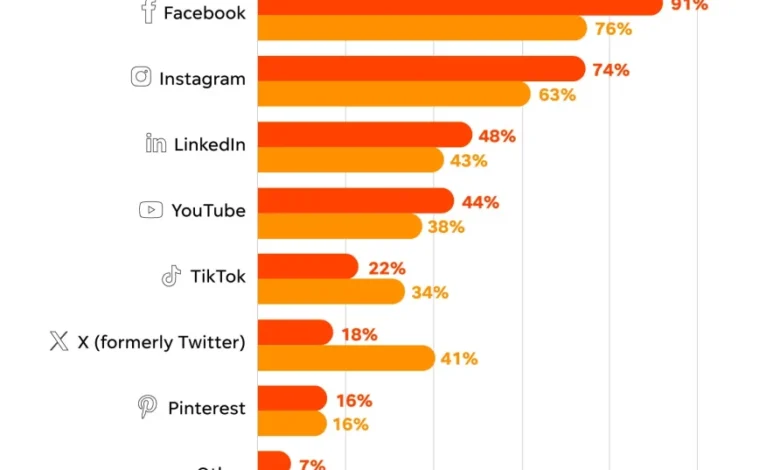
For the modern enterprise, YouTube has moved from an optional social channel to a mandatory marketing pillar. Currently, 44% of small businesses utilize YouTube for marketing purposes, representing a 6% increase year-over-year. The satisfaction rate among these businesses is exceptionally high, with 80% reporting that they are pleased with the results of their video marketing and advertising efforts.
![46 Must-Know YouTube Statistics [Infographic] | WordStream](https://www.wordstream.com/wp-content/uploads/2025/10/2026-small-business-marketing-trends-report-social-media-channels-892x1024.webp)
The efficacy of YouTube advertising is backed by consumer behavior data. Approximately 70% of users report having purchased a product after seeing it in a YouTube ad. Furthermore, 26% of people discover new brands or products primarily through YouTube advertisements.
One of the platform’s most significant advantages is its cost-effectiveness compared to traditional search advertising. While the average cost-per-click (CPC) in Google Search ads has risen to $5.26, and cost-per-lead (CPL) can reach $70.11, the average YouTube ad CPM (cost per thousand impressions) remains highly competitive at approximately $2. For small to medium-sized businesses, this allows for much higher brand visibility at a fraction of the cost of traditional search or television campaigns.
The Shift from Linear TV to Digital On-Demand
The most profound impact of YouTube’s growth is the continued erosion of traditional linear television. Approximately 60% of consumers now prefer online video platforms like YouTube over live TV. Among millennials, YouTube accounts for a staggering 67% of all online video consumption.
![46 Must-Know YouTube Statistics [Infographic] | WordStream](https://www.wordstream.com/wp-content/uploads/2026/03/what-happens-online-every-minute-localiq-infographic.webp)
This shift is further evidenced by the success of YouTube TV, the platform’s premium streaming service, which now boasts 9.4 million subscribers. This places YouTube TV ahead of competitors like Hulu Live TV and Sling TV, making it a cornerstone of the "Over-the-Top" (OTT) advertising strategy.
Furthermore, mobile YouTube ads have proven to be 84% more likely to engage prospects than traditional TV advertisements. This is largely attributed to the "second screen" phenomenon, where viewers engage with their mobile devices during television commercial breaks, making mobile video ads a more direct route to consumer attention.
Analysis of Search Behavior and Intent
YouTube’s status as the world’s second-largest search engine has fundamentally changed how consumers seek information. Users are now three times more likely to watch a video tutorial than to read written instructions. This preference for visual learning has turned YouTube into a "how-to" hub, where 67% of millennials claim they can find instructions for any task imaginable.
![46 Must-Know YouTube Statistics [Infographic] | WordStream](https://www.wordstream.com/wp-content/uploads/2025/10/2026-small-business-marketing-trends-report-results-satisfaction-1024x954.webp)
From an SEO (Search Engine Optimization) perspective, YouTube is a critical component of a brand’s digital footprint. Because Google owns YouTube, optimized video content frequently appears at the top of Google’s standard search engine results pages (SERPs). This "cross-platform" visibility means that a well-optimized YouTube channel can drive traffic not only within the video ecosystem but also from traditional web searches.
Official Perspectives and Future Implications
Industry analysts and leadership at Alphabet Inc. have frequently emphasized the platform’s focus on the "Creator Economy." By providing monetization tools and advanced analytics, YouTube has fostered a professionalized class of content creators who wield significant influence. In fact, 43% of users aged 14-24 report feeling more loyalty toward brands recommended by YouTube creators than those found through traditional celebrity endorsements.
The implications for the future are clear: YouTube is evolving into a comprehensive "everything app" for video. With the integration of "YouTube Shopping," the platform is bridging the gap between discovery and conversion, allowing users to buy products directly within the video interface.
![46 Must-Know YouTube Statistics [Infographic] | WordStream](https://www.wordstream.com/wp-content/uploads/2026/03/youtube-statistics-age-demographics.webp)
Conclusion: The Strategic Imperative
The data of 2025 confirms that YouTube is the central nervous system of the digital video landscape. For businesses, the platform offers a unique combination of massive reach, sophisticated targeting, and high engagement rates. The transition from traditional media to on-demand video is no longer a trend—it is a completed revolution.
As the platform continues to integrate artificial intelligence for better content recommendations and advertising placement, its value proposition to both users and marketers will only strengthen. Organizations that fail to establish a robust presence on YouTube risk losing visibility in a world where "search" is increasingly visual and "social" is increasingly driven by long-form video engagement. In the current economic climate, the question for businesses is no longer whether they should be on YouTube, but how quickly they can optimize their presence to capture a share of the billion hours watched every day.