Meta Year in Review: Navigating Platform Evolution, Advertising Best Practices, and Strategic Shifts Through 2022

The final quarter of 2022 marked a period of intensive transformation for Meta Platforms, as the technology giant rolled out a sweeping suite of updates designed to reshape how marketers, creators, and everyday users interact across Facebook and Instagram. From the widespread expansion of short-form video formats and native scheduling tools to critical brand safety milestones and automated advertising suites, Meta positioned itself for a streamlined, automation-driven digital ecosystem heading into 2023. This comprehensive review analyzes the strategic rollout of Meta’s platform updates, policy adjustments, and commercial enhancements over the course of the year.
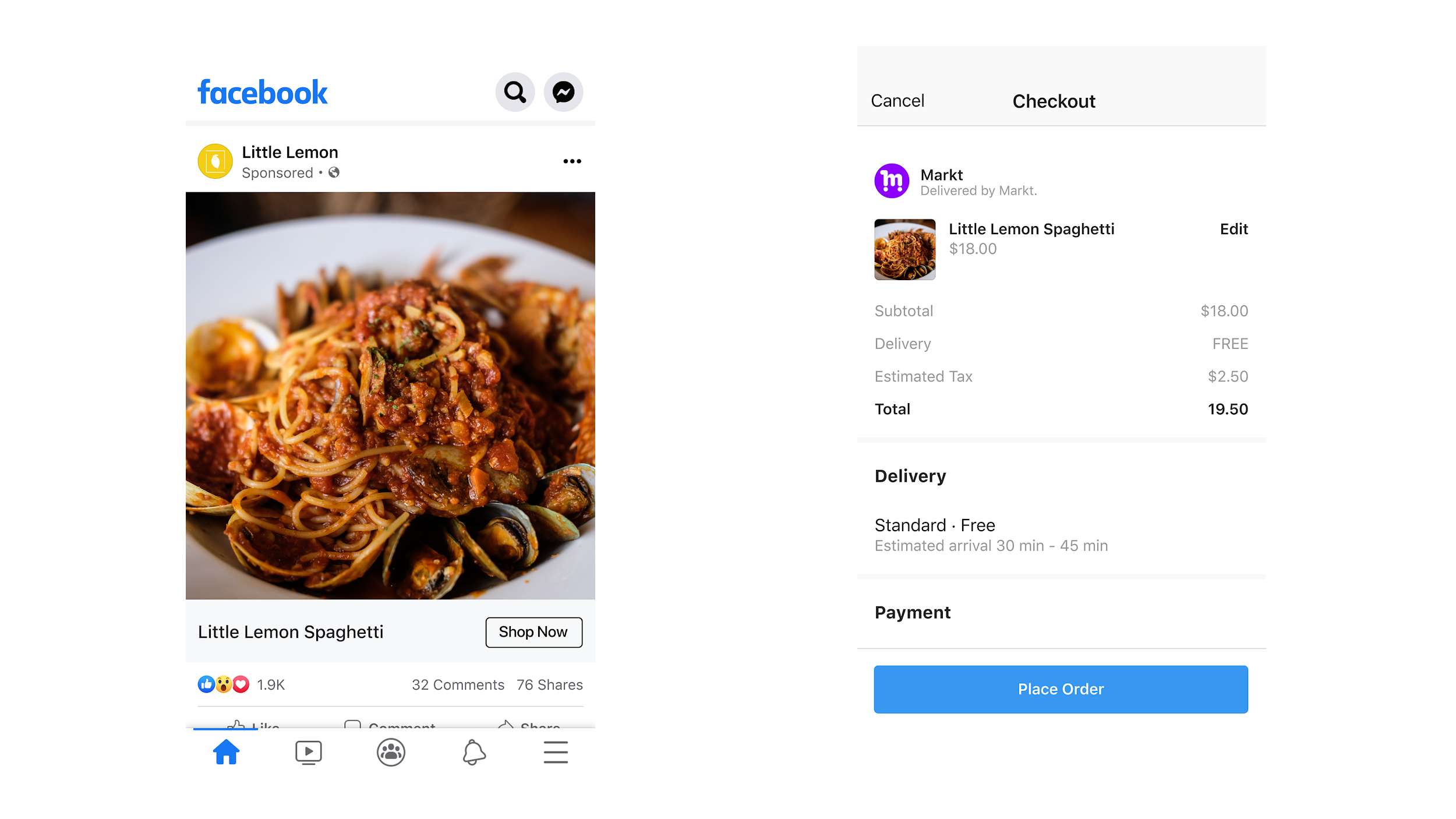
Strategic Evolution of Meta’s Advertising Ecosystem
Throughout 2022, Meta confronted significant macroeconomic headwinds and privacy-related disruptions, most notably the lingering impacts of Apple’s AppTracking Transparency (ATT) framework introduced via iOS 14.5. In response, the company doubled down on machine learning and artificial intelligence to preserve campaign efficiency for advertisers navigating restricted data-tracking environments.
The Rise of Advantage+ Automation Suites
Central to Meta’s advertising evolution in 2022 was the consolidation and expansion of its automated ad products under the Meta Advantage suite. Launched to streamline campaign creation and maximize return on ad spend (ROAS), Advantage+ Shopping campaigns utilized advanced machine learning to automate targeting, bidding, and creative placement. According to internal Meta data shared during mid-2022 A/B tests, Advantage+ Shopping campaigns yielded a 12% lower cost-per-purchase conversion compared to standard, manually configured ad sets.
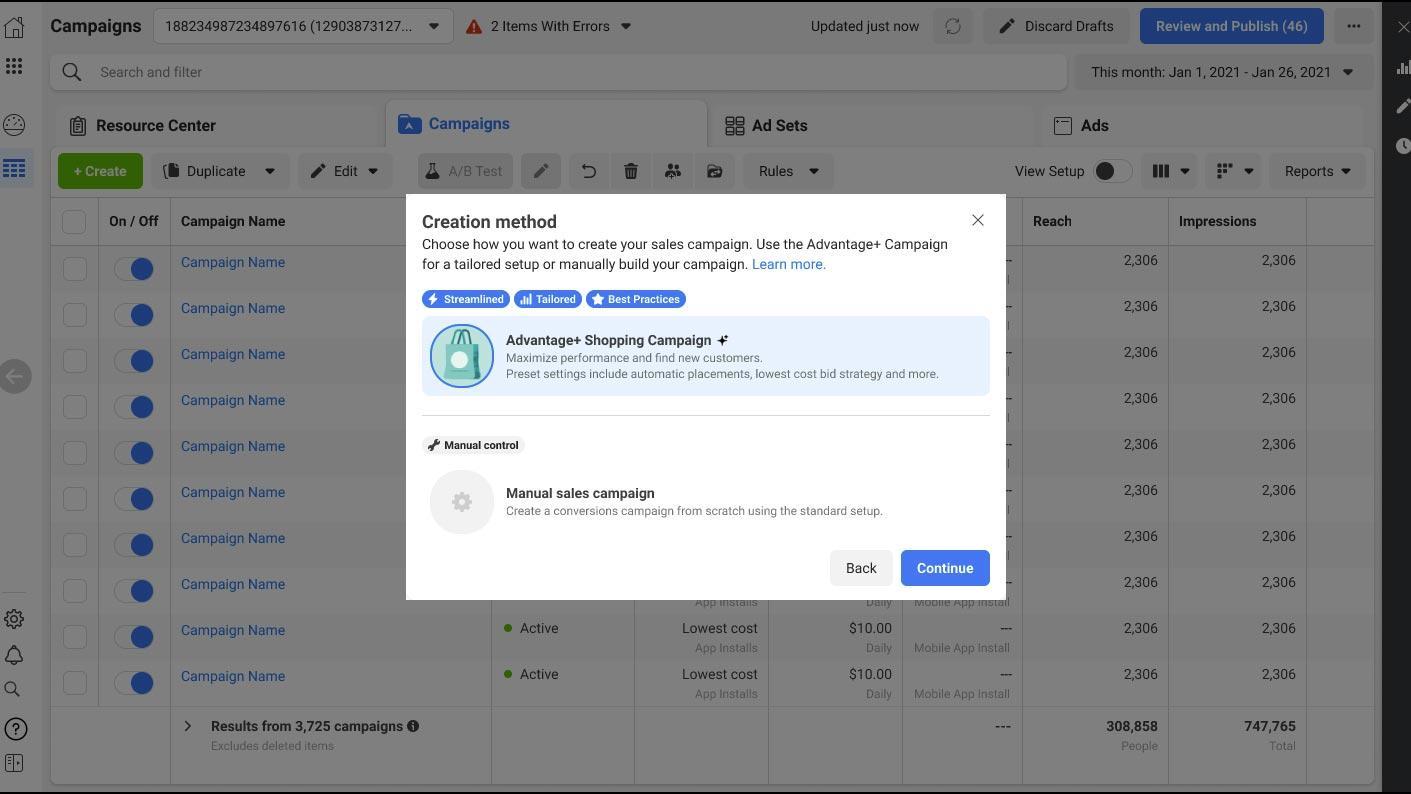
By allowing advertisers to test up to 150 creative variations simultaneously, the tool significantly reduced manual setup time while optimizing delivery based on real-time user behavior. Building on this momentum, Meta introduced Advantage+ creative, Advantage audience, and Advantage+ app campaigns throughout the latter half of the year, signaling a definitive industry shift toward algorithmic campaign management.
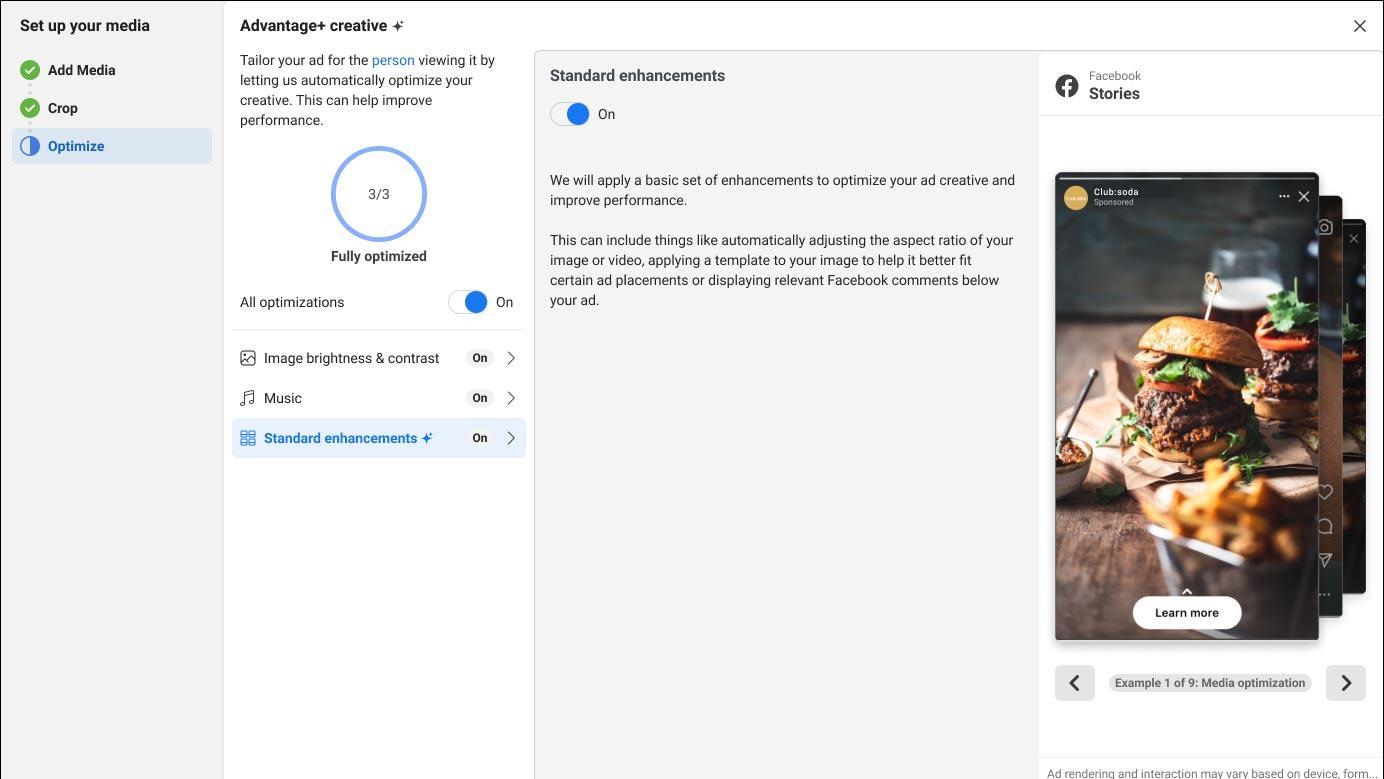
Establishing Advertising Best Practices and Targeting Adjustments
To combat the complexities of shifting algorithm logic, Facebook periodically released empirical best practices backed by internal data to guide digital marketers. Concurrently, the platform refined its targeting parameters. In August 2022, Meta expanded its B2B targeting capabilities, introducing refined audience segments based on platform-specific job titles and professional interests to bridge the gap between social discovery and B2B lead generation—traditionally dominated by platforms like LinkedIn.
Furthermore, Meta adjusted its pre-campaign audience reach estimates, transitioning from exact numerical figures to estimated audience size ranges within the Audience Definition section of Ads Manager. This adjustment served to remind media buyers of the probabilistic nature of audience estimation without disrupting actual campaign delivery.
Instagram’s Creative and Commercial Expansion
Instagram served as a primary testing ground for user-facing features and commercial tools throughout 2022, balancing the demands of content creators, small businesses, and advertisers.

Native Post Scheduling and Enhanced Content Controls
Addressing a long-standing request from digital creators and social media managers, Instagram rolled out native in-app scheduling for Business and Creator accounts. Users gained the ability to schedule Reels, photos, and carousel posts up to 75 days in advance directly through the mobile application, eliminating the mandatory reliance on third-party software or desktop-only workflows for basic publishing needs.
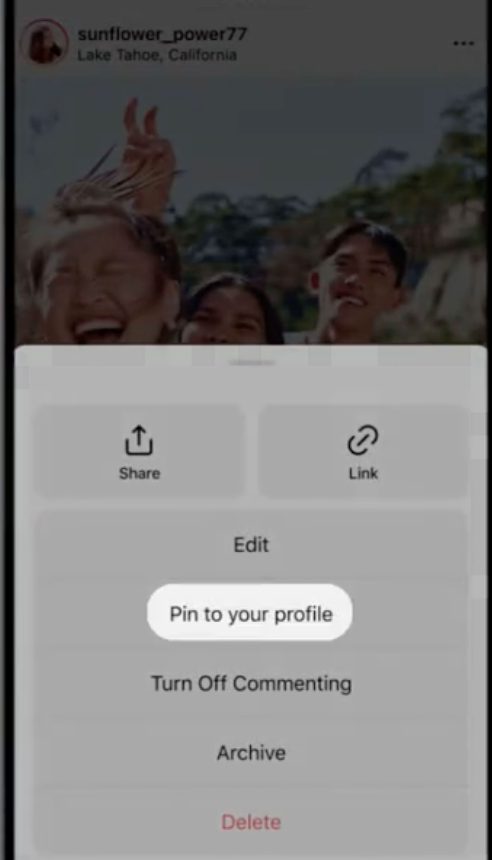
Concurrently, Instagram introduced several profile and content organization tools. The platform officially launched grid post pinning, allowing users to anchor up to three key posts or Reels to the top of their profile grid to establish brand identity and highlight marquee promotions. Additionally, Instagram integrated music capabilities into standard in-feed photo posts, allowing creators to attach up to 90 seconds of licensed audio to static imagery—a feature previously restricted to Stories and Reels.

Monetization, Commerce, and the Creator Economy
Meta heavily invested in the creator economy throughout 2022, pledging billions of dollars through various bonus programs and extending revenue-sharing pauses through 2024 for monetization features such as Badges, Subscriptions, and paid online events.
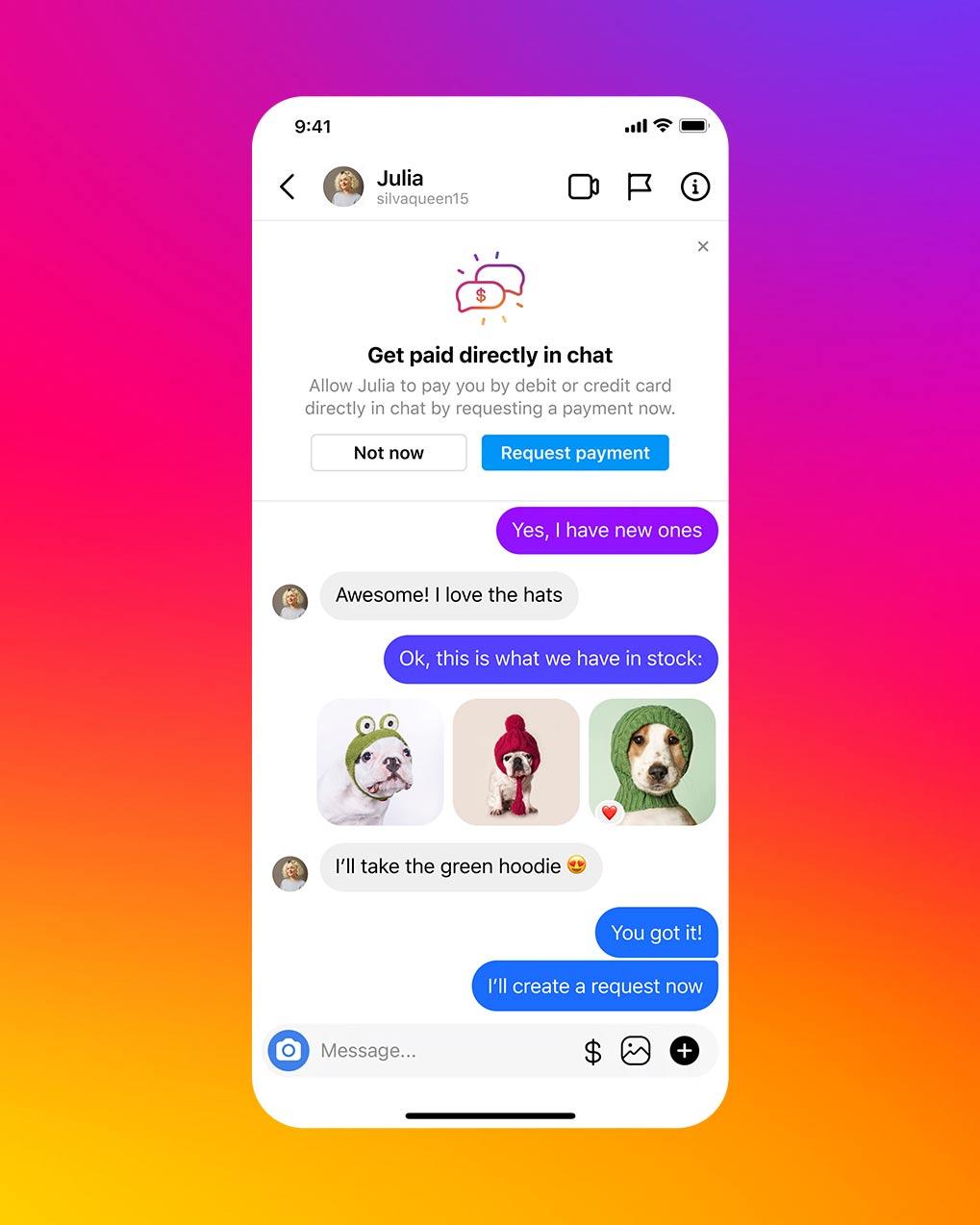
The Instagram Creator Marketplace graduated from its initial testing phase into wider availability for U.S. brands, functioning as an internal matchmaking hub for brand-creator partnerships. The marketplace was updated with advanced discovery filters and streamlined messaging tools to facilitate direct project scoping. Additionally, Instagram introduced in-chat payments, allowing eligible professional accounts to collect invoice payments securely within Direct Message threads via credit card, PayPal, or Meta Pay, thereby reducing friction in social commerce transactions.
The Dominance of Short-Form Video and Reels
Short-form video remained Meta’s primary strategic weapon in the ongoing battle for user attention against competitors like TikTok. Both Facebook and Instagram experienced a structural pivot toward Reels, which emerged as the company’s fastest-growing content format.
Platform-Wide Integration of Reels
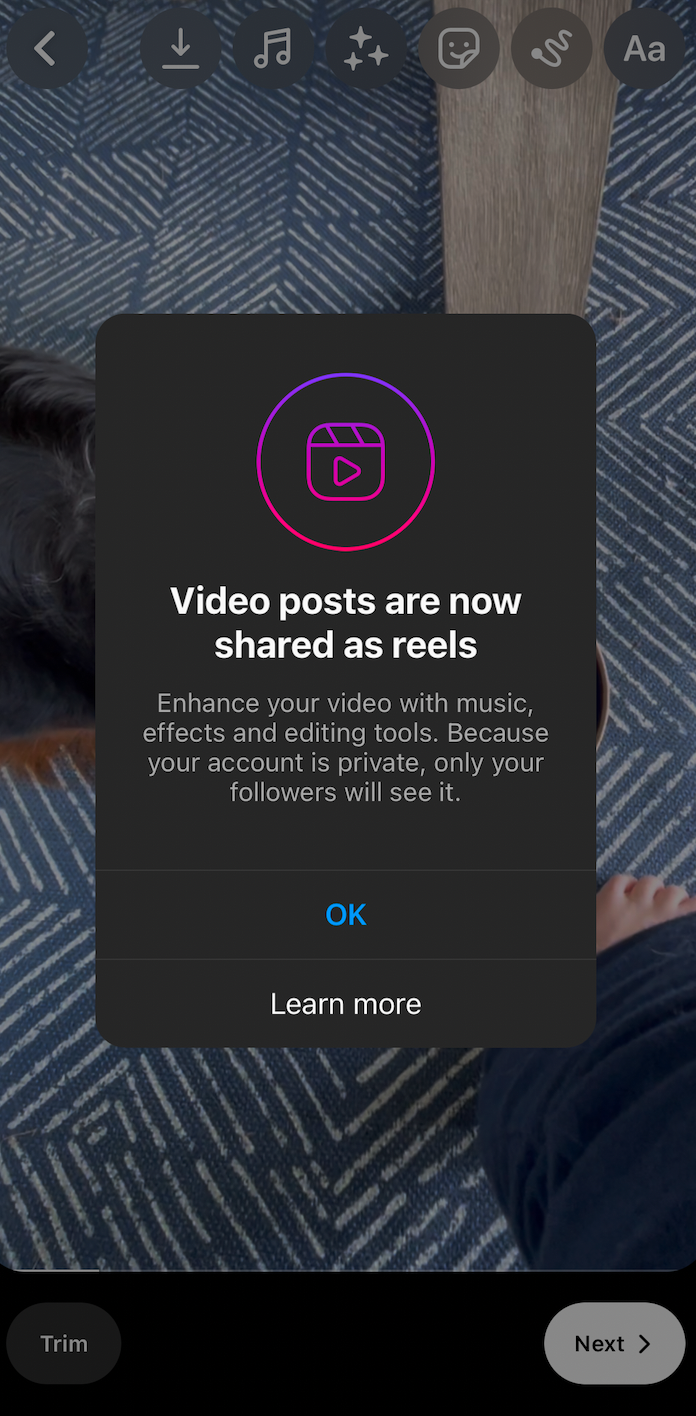
Throughout 2022, Meta systematically integrated Reels across its family of apps. In July, Instagram announced that all new video posts under 15 minutes long would automatically be shared as Reels, merging the traditional video and Reels profile tabs into a single, immersive full-screen experience. This transition granted all standard video uploads access to Reels’ robust suite of creative editing tools, filters, and audio libraries.
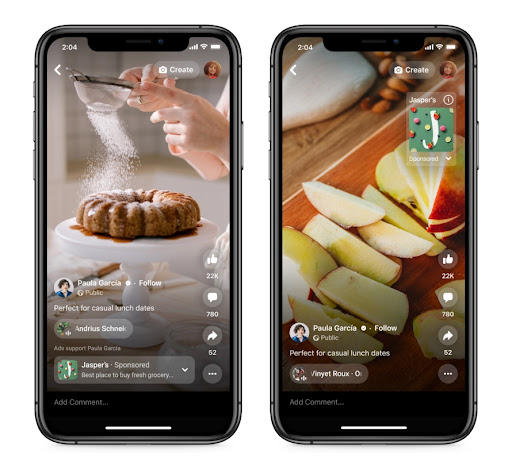
On the advertising front, Meta rolled out Reels Ads globally, providing brands with immersive, 30-second loopable ad placements equipped with interactive elements and direct response calls to action. To support enterprise workflow management, Meta also introduced API access for Reels, enabling major social media management platforms—such as Hootsuite—to incorporate Reels publishing, analytics, and comment moderation directly into their dashboards.
Brand Safety, Intellectual Property, and Platform Integrity
As digital advertising scrutiny intensified, Meta made significant strides in verifying the integrity and brand suitability of its digital environments.
Media Rating Council (MRC) Accreditation
In November 2022, Meta achieved a major milestone in digital trust when it received accreditation from the Media Rating Council (MRC) for content-level brand safety on Facebook. Independent auditors rigorously evaluated Meta’s Partner Monetization Policies, Content Monetization Policies, and associated content suitability controls across Instant Articles and In-Stream video on desktop, mobile web, and mobile apps. This validation reinforced Meta’s commitment to providing brand-safe environments amid broader industry concerns regarding digital ad placement adjacencies.
Intellectual Property and Anti-Counterfeiting Measures
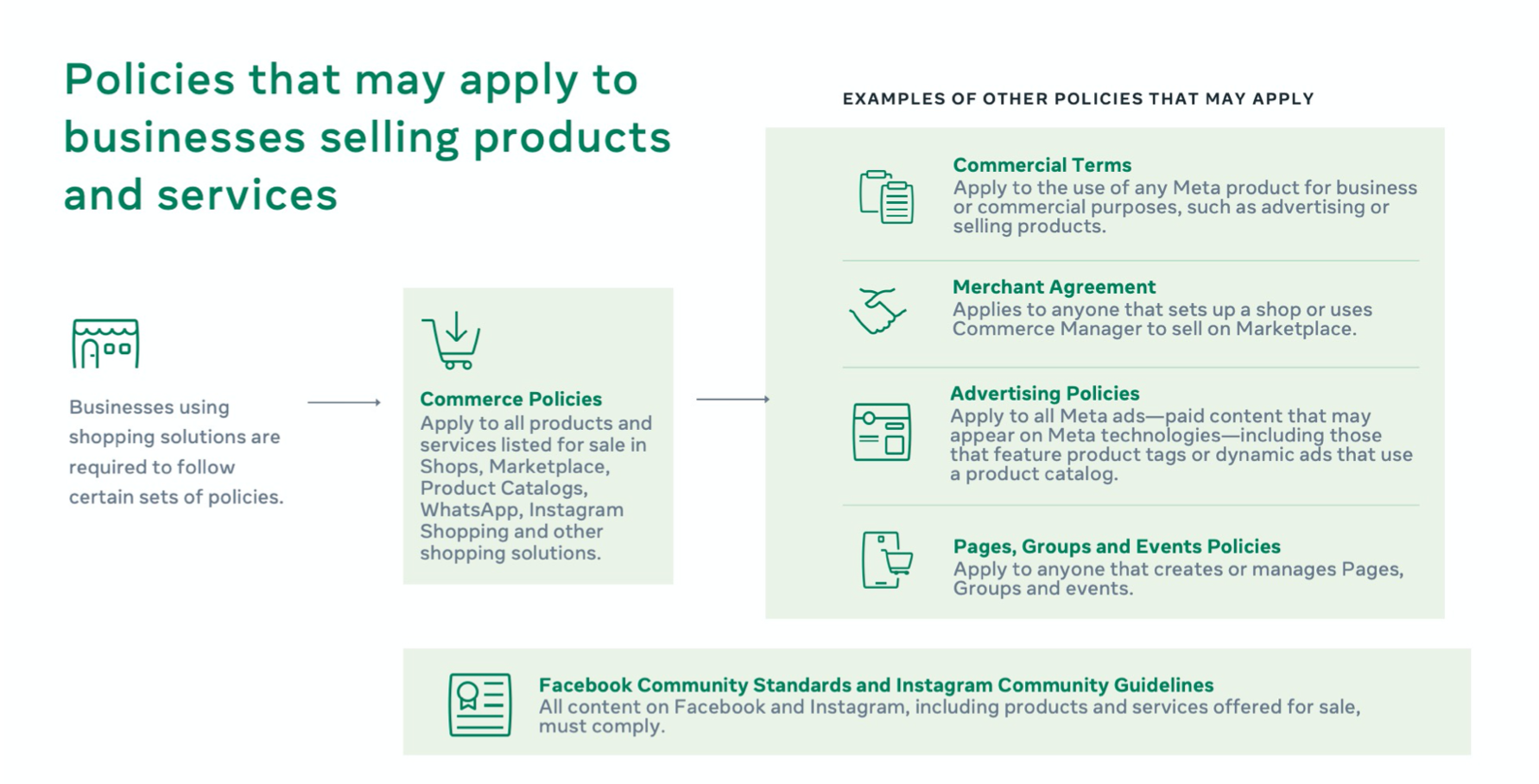
Protecting digital creators and intellectual property holders became a focal point in late 2022 with the introduction of the IP Reporting API. Designed to integrate seamlessly with the existing Graph API, the tool enabled rights holders to flag and report content infringing upon copyright or trademark protections at scale. This infrastructure complemented Meta’s ongoing enhancements to its Brand Rights Protection tool, which actively identifies and removes counterfeit products, impersonation profiles, and unauthorized content distributions across Facebook and Instagram.
Strategic Outlook: The Metaverse and 2023 Projections
As the digital marketing landscape transitioned from the final quarter of 2022 into 2023, industry analysts maintained a watchful eye on Meta’s long-term capital allocation, specifically CEO Mark Zuckerberg’s aggressive investments in the Metaverse. Despite sustaining cumulative losses exceeding $36 billion on Reality Labs and virtual-augmented reality research throughout the development phase, Meta signaled unwavering dedication to bridging physical and digital real estate through virtual reality hardware and immersive software ecosystems like Horizon Worlds.
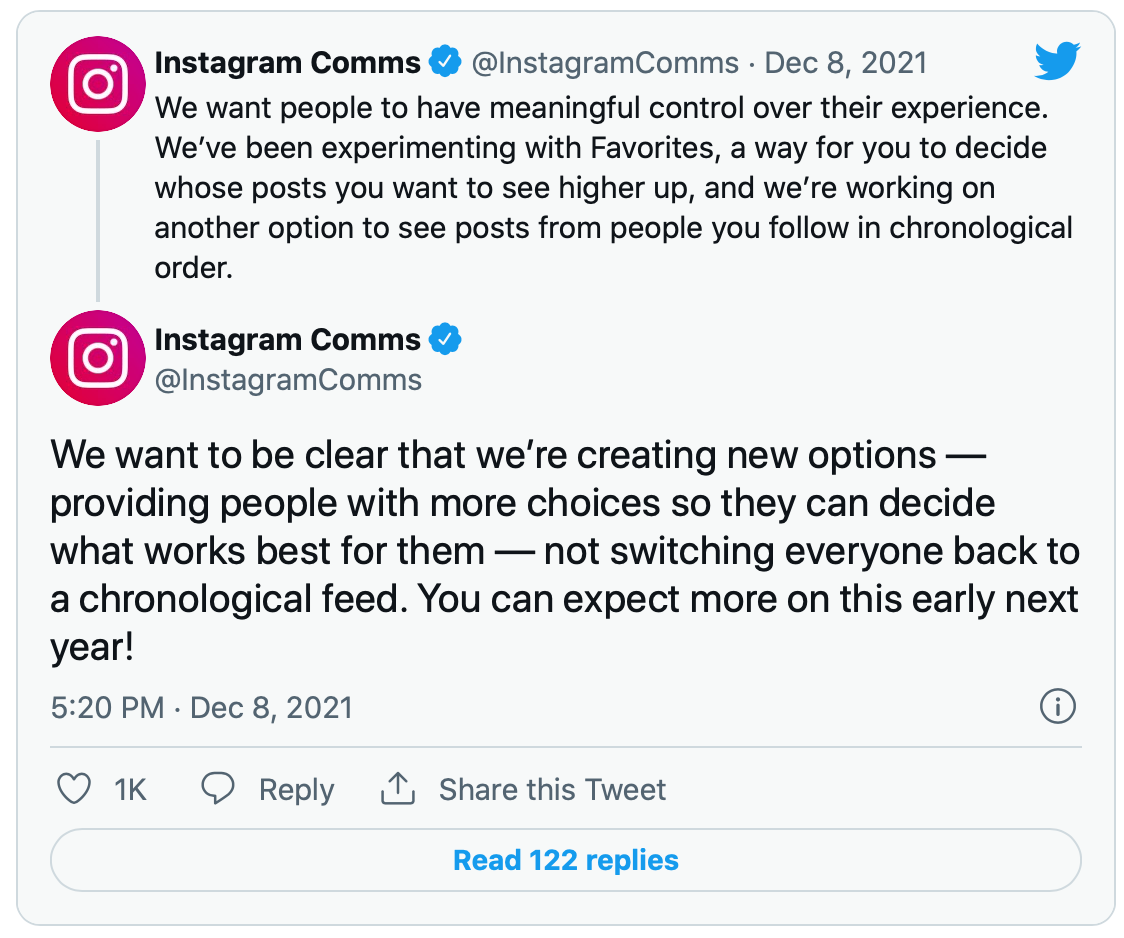
Looking ahead to 2023, marketing professionals anticipated four primary operational trends:
- Unabated Reels Dominance: Continued algorithmic and commercial prioritization of short-form video, with expanded interactive advertising formats and native eCommerce integrations.
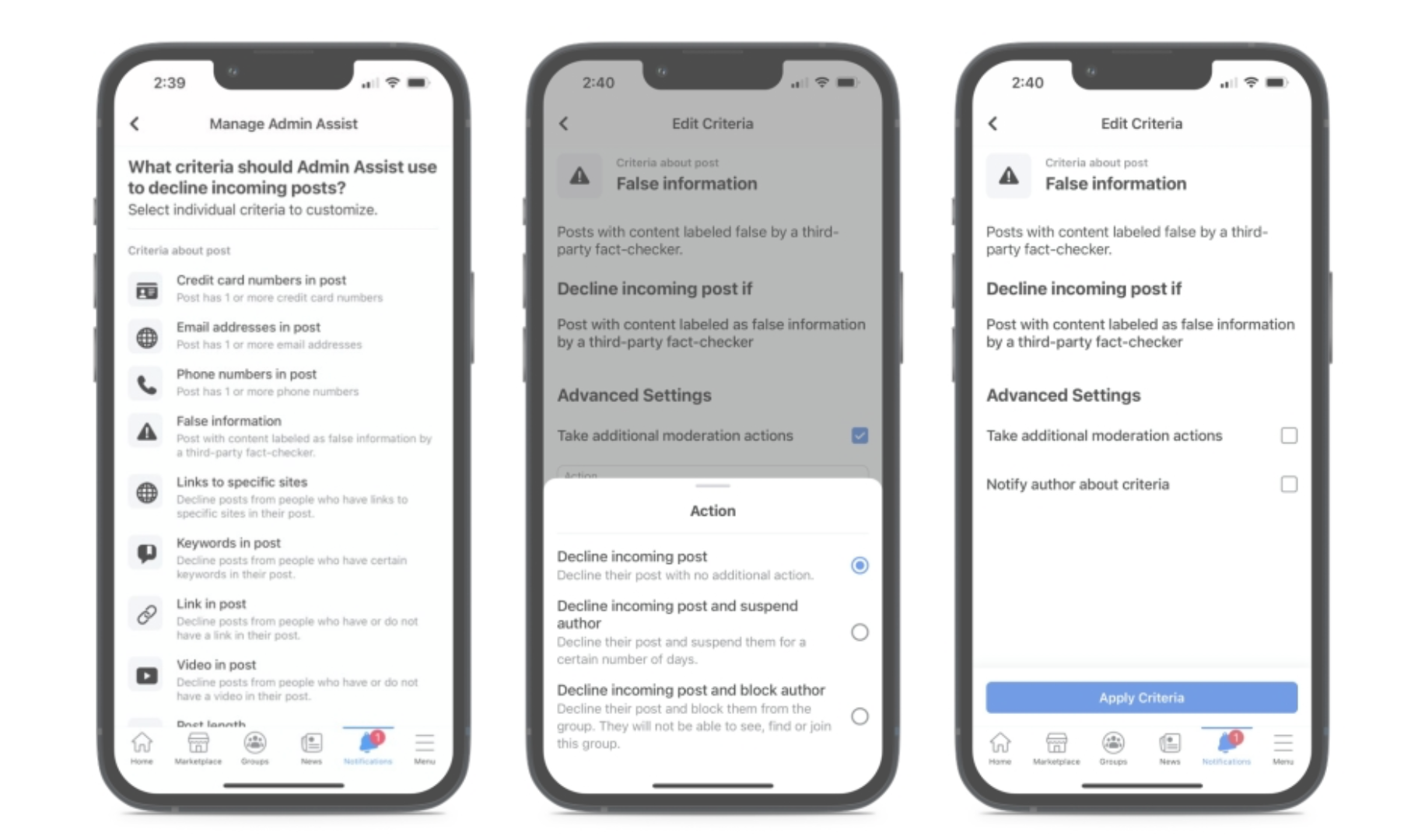
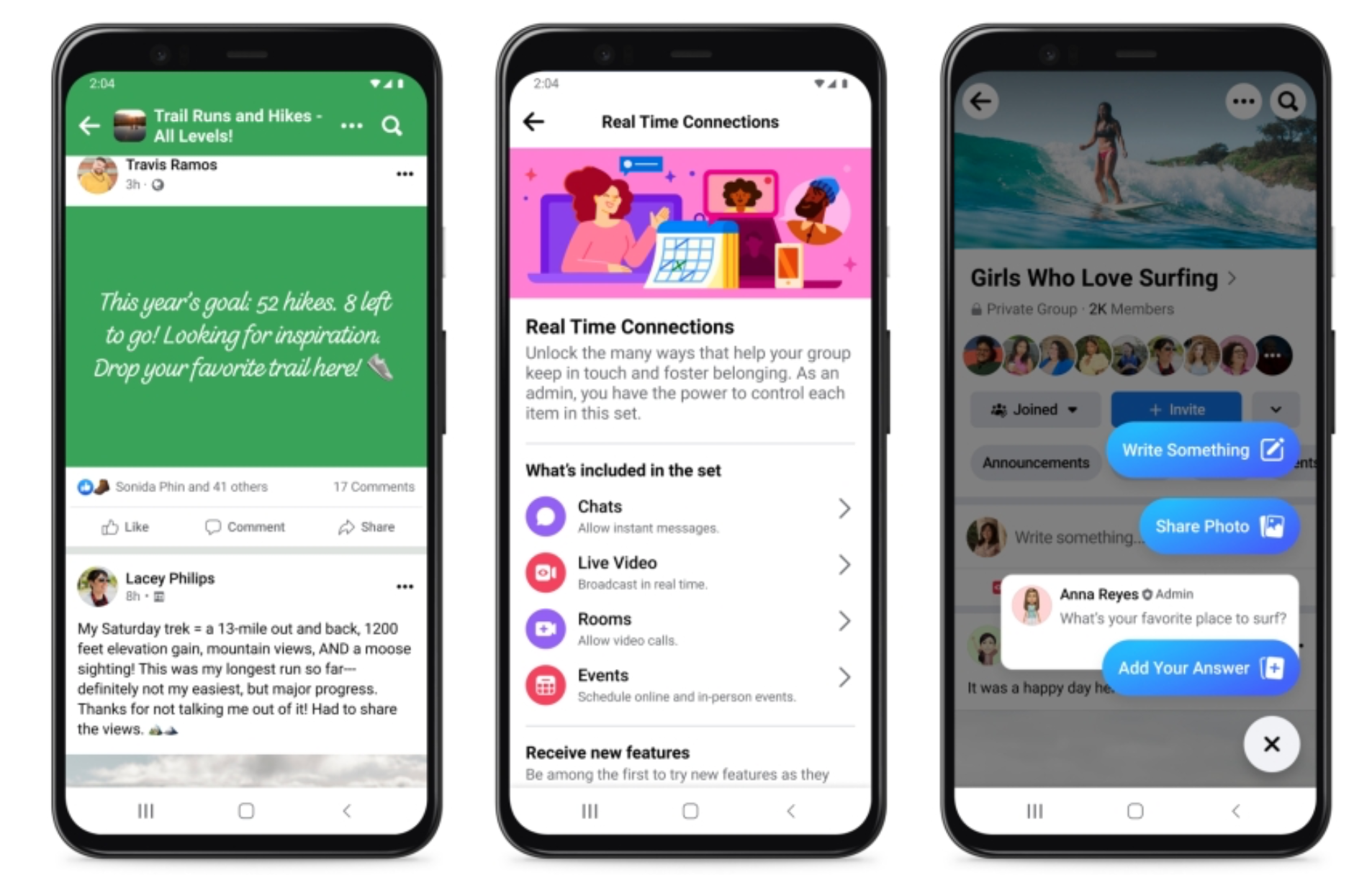
- Community-Centric Growth: Heightened emphasis on Facebook Groups as trusted, high-engagement environments supported by newly refined moderation tools and subscription monetization models.
- Deepened Automation Reliance: Broader adoption of Meta Advantage+ automation suites as privacy regulations continue to alter traditional web-tracking methodologies.
- Virtual Reality Convergence: Incremental integration of spatial computing concepts and avatar-based communication across Meta’s core applications as the company refines its long-term metaverse vision.
By consolidating its automation infrastructure, securing independent brand safety accreditations, and optimizing short-form video monetization, Meta successfully fortified its core revenue-generating pillars during a turbulent transitional year, establishing a resilient technological foundation for digital advertisers entering 2023.