United States Imposes Sweeping 50% Tariffs on Key Canadian Imports, Igniting North American Trade Tensions

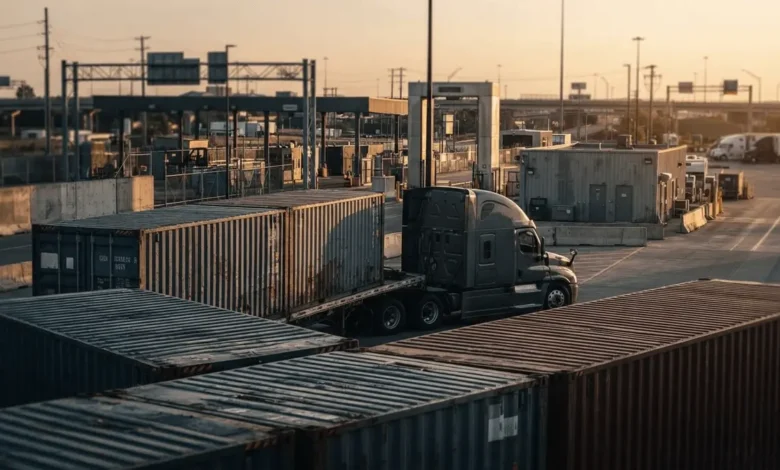
President Donald Trump signed three proclamations on July 20, 2026, enacting additional 50% tariffs on a select range of Canadian imports, leveraging the rarely invoked Section 338 of the Tariff Act of 1930. These substantial new duties are slated to commence at 12:01 a.m. ET on August 19, 2026, granting importers a compressed timeframe of less than a month to evaluate their exposure, review existing contracts, and strategically decide whether to accelerate shipments before the new financial obligations take effect. The White House justified these actions as a direct retort to Canadian policies perceived to disadvantage U.S. interests in the alcohol, dairy, and automotive sectors. The list of affected goods is broad, encompassing diverse products from wine and iconic hockey sticks to essential construction materials like cement. However, the administration explicitly stated that critical sectors such as energy, potash, products already subject to Section 232 tariffs, fish, critical minerals, and certain other specific goods would be exempt from these new duties. For countless small and medium-sized enterprises (SMEs) that rely heavily on Canadian inputs or finished products, this move translates from abstract trade policy into an immediate and tangible threat: a sudden and dramatic alteration in landed costs that could entirely erode profit margins on orders already finalized and priced for customers.
The Unilateral Imposition: Details of the Tariffs
The July 20 proclamations mark a significant escalation in trade relations between two of the world’s largest trading partners. The decision to employ Section 338, an archaic yet potent provision of the 1930 tariff statute, underscores the administration’s willingness to utilize aggressive trade tools. This particular section, steeped in the protectionist era of Smoot-Hawley, grants the U.S. president the authority to impose duties of up to 50% on imports from any foreign country found to be discriminating against American commerce. Notably, the Trump administration opted for the maximum permissible rate, signaling a robust and uncompromising stance.
U.S. Trade Representative Jamieson Greer, alongside the White House, articulated three primary grievances underpinning these new tariffs. Firstly, they cited Canadian restrictions and regulatory frameworks affecting U.S. alcohol products, which Washington argues create unfair market barriers. Secondly, the administration pointed to alleged dairy market access advantages granted by Canada to the European Union, which USTR views as discriminatory against U.S. dairy producers. Lastly, concerns were raised regarding limits impacting U.S. vehicle exports, specifically from companies that have recently reshored production to the United States, thereby implicating the automotive supply chain. USTR estimates that these new measures will affect nearly $20 billion in Canadian imports annually, a substantial portion of the bilateral trade relationship. Crucially, the proclamations clarify that these tariffs will apply irrespective of whether the goods would otherwise qualify for duty-free treatment under the United States-Mexico-Canada Agreement (USMCA), known as CUSMA in Canada. This provision effectively overrides USMCA benefits for the targeted goods, creating a parallel tariff regime.
The practical implication for importers is profound: USMCA eligibility will not provide a shield against these new duties. The proclamations explicitly set the effective date for goods entered for consumption, or withdrawn from a bonded warehouse for consumption, on or after August 19, 2026. Businesses are strongly advised to consult with a licensed customs broker to verify the exact treatment of goods already in transit, as entry timing, precise Harmonized Tariff Schedule (HTS) classification, and any subsequent implementing guidance from U.S. Customs and Border Protection (CBP) will definitively determine the final duty owed. The short implementation window means that many goods currently en route or in production may suddenly become significantly more expensive upon arrival.
Historical Context and the Trump Administration’s Trade Stance
The invocation of Section 338 is particularly noteworthy given its deep historical roots in the infamous Smoot-Hawley Tariff Act of 1930, a legislative act widely blamed for exacerbating the Great Depression. While the full scope of the 1930 Act has been largely superseded by modern trade agreements and international organizations like the World Trade Organization (WTO), Section 338 has remained on the books, a rarely utilized but legally viable instrument. Its deployment against Canada, a close ally and major trading partner, underscores a consistent theme of the Trump administration’s "America First" trade agenda: a willingness to use tariffs as a primary tool for leverage in negotiations and to address perceived unfair trade practices, even at the risk of disrupting long-standing economic relationships.
This latest move follows a pattern of the Trump administration’s trade policy, which has previously seen the application of tariffs under Section 232 (national security grounds, affecting steel and aluminum, including from Canada) and Section 301 (unfair trade practices, primarily against China). The specific targeting of Canadian alcohol, dairy, and automotive sectors also resonates with prior bilateral trade disputes. For instance, dairy has long been a contentious issue, with U.S. producers frequently criticizing Canada’s supply management system as a barrier to market access. Similarly, the automotive sector, deeply integrated across the North American continent, has often been a focal point of discussions concerning rules of origin and domestic content requirements. The decision to bypass USMCA provisions for these new tariffs further highlights a perception from Washington that existing agreements are insufficient to address the identified grievances.
Rationale Behind the Measures: U.S. Allegations
The specific allegations from the White House and USTR Jamieson Greer warrant closer examination. Regarding U.S. alcohol products, the administration has long argued that Canada’s provincial liquor boards, which control the import, distribution, and sale of alcoholic beverages, implement policies that favor domestic products and create non-tariff barriers for U.S. wines, spirits, and beers. Examples often cited include differential mark-ups, listing fees, and restrictions on retail placement that disproportionately affect foreign brands.
In the dairy sector, the U.S. administration’s complaint centers on Canada’s supply management system, which includes production quotas, import tariffs, and administered pricing. While the USMCA made some adjustments to allow greater U.S. dairy access, USTR’s current grievance appears to focus on alleged preferential market access Canada has granted to European Union dairy products through its own trade agreements, which the U.S. views as undermining its competitive position, despite the USMCA commitments.
Lastly, the concerns regarding U.S. vehicle exports from companies that have reshored production touch upon the complex dynamics of the North American automotive supply chain. The U.S. government has been keen to incentivize domestic manufacturing and ensure that trade policies support jobs and investment within its borders. The specific nature of "limits affecting U.S. vehicle exports" could pertain to a variety of issues, including regulatory hurdles, local content requirements, or other non-tariff barriers that Washington believes disadvantage vehicles produced in the U.S. for export to Canada. The fact that the tariffs apply regardless of USMCA qualification suggests a profound dissatisfaction with Canada’s current policies in these areas.
Canadian Response: Diplomacy and Potential Retaliation
Canadian Prime Minister Mark Carney swiftly condemned the U.S. action, characterizing it as the "latest in a series of unilateral U.S. trade actions" that Canada firmly believes violate the CUSMA/USMCA agreement. Carney’s government, while expressing strong disapproval, signaled a strategic approach: prioritizing intensified negotiations rather than immediately announcing a comprehensive retaliation package. This diplomatic overture leaves U.S. importers in a precarious planning window. While the tariffs are officially scheduled, the door for diplomatic resolution remains open, implying that final implementation details, or even the tariffs themselves, could still shift before the August 19 deadline.
However, the political pressure within Canada for a robust response is palpable. Ontario Premier Doug Ford has been particularly vocal, publicly advocating for a strong and immediate retaliatory measure. This internal pressure could constrain Prime Minister Carney’s government, potentially forcing a more aggressive stance if negotiations fail to yield a satisfactory outcome. Canada’s previous responses to U.S. tariffs, such as those on steel and aluminum, have involved reciprocal tariffs on U.S. goods, including bourbon, orange juice, and other politically sensitive products. The current situation thus presents a delicate balancing act for Ottawa: demonstrate a firm defense of national interests and compliance with international trade law, while simultaneously attempting to de-escalate tensions through dialogue. The stakes are high, as a full-blown trade war between the two nations would have significant economic ramifications for both sides.
Economic Fallout: A Deep Dive into Sectoral Impacts
The financial impact of a 50% ad valorem duty is stark and immediate. Such a duty effectively raises the dutiable value of an affected import by half, before even considering additional costs like customs broker fees, freight, financing, or inventory carrying costs. To illustrate, a small retailer importing $200,000 worth of covered Canadian goods could face an additional $100,000 in duty exposure if the full value falls within the newly tariffed categories. This represents a direct and significant hit to their bottom line, potentially making their business unsustainable or forcing substantial price increases.
Large importers, while also affected, are generally better equipped to absorb such shocks. They often benefit from sophisticated tariff escalation clauses in their contracts, access to specialized customs counsel, diversified global sourcing strategies, and sufficient market leverage to negotiate revised terms with vendors or pass a portion of the increased costs to their customers. In contrast, small businesses typically operate with shorter contracts, narrower product lines, and often cater to more price-sensitive buyers. Existing research on how small businesses navigate broader tariff environments consistently shows that the disruption per dollar of tariff exposure is significantly higher for SMEs, primarily because they frequently lack the staff, cash reserves, and logistical flexibility to quickly rework sourcing or absorb unexpected cost increases. A sudden 50% tariff can instantly erase years of careful financial planning and competitive pricing.
The risk extends beyond just import-side costs. Should Canada proceed with retaliation, U.S. exporters could face significant challenges. For example, a small U.S. manufacturer that imports Canadian components for its products and then sells its finished goods back into the Canadian market could face a double squeeze: increased costs on its inputs due to U.S. tariffs and then potentially reduced demand or increased costs for its exports if Canada imposes reciprocal duties. This cross-border pressure could devastate businesses deeply embedded in the intricate North American supply chain. Moreover, consumers on both sides of the border could experience higher prices, reduced product availability, and potentially inflationary pressures, as businesses pass on increased costs or seek alternative, more expensive, suppliers.
Legal and Procedural Uncertainties
While the July 20 announcements provided the headline news, many critical operational details remain unresolved. Importers are still awaiting final tariff schedule language, precise HTS classifications for covered goods, detailed customs entry guidance from CBP, and crucially, any information regarding the potential creation of a product exclusion process. Previous tariff programs under different authorities (e.g., Section 301 tariffs on Chinese goods) did include procedures for businesses to apply for exclusions for specific products, arguing undue hardship or lack of domestic alternatives. However, no comparable exclusion process has been announced in the initial Section 338 Canada materials, leaving businesses with less recourse.
The scope question is particularly paramount. The White House fact sheet provided broad categories and illustrative examples—wine, dairy, hockey sticks, and cement were publicly named—but this is insufficient for precise customs planning. Businesses cannot rely solely on press summaries and must await definitive guidance from CBP, USTR, or the Federal Register, which will detail the specific tariff lines (HTS codes) subject to the new duties. Until then, the exact universe of affected products remains somewhat ambiguous, complicating compliance efforts.
The broader North American trade landscape further compounds the uncertainty. Prime Minister Carney’s emphasis on continuing talks with the U.S., combined with ongoing U.S. trade negotiations with Mexico, introduces a layer of strategic complexity. If U.S.-Mexico discussions advance positively while U.S.-Canada relations deteriorate, it could incentivize some North American supply chains to shift southward. Small businesses already grappling with tariff-related logistics costs would then confront a larger, strategic dilemma: are these new tariffs merely a short-term negotiating tactic, or do they signify the commencement of a more fundamental and prolonged realignment of North American trade and production? The answer will dictate long-term investment and sourcing decisions for many firms.
Looking Ahead: Negotiations, Litigation, and Business Preparedness
The central question hanging over the North American trade relationship is whether intensive negotiations can yield a resolution before the August 19 implementation date. While Prime Minister Carney has expressed Canada’s readiness for intensive engagement, the current proclamations do not automatically pause the new duties while talks are ongoing. Unless the Trump administration formally modifies or withdraws the measures, the tariffs are legally set to take effect as scheduled. This creates an urgent deadline for diplomatic breakthroughs.
Beyond negotiations, importers and trade observers should closely monitor the potential for legal challenges. Section 338, despite its long statutory history, has been a dormant provision in modern trade practice. Its application against a major North American trade partner at the maximum rate is almost certain to attract significant legal scrutiny. Any lawsuit seeking to block the implementation of these tariffs could profoundly affect how businesses approach the situation—whether they treat the tariffs as an immediate and unavoidable cash-flow event or as a contingent risk subject to judicial review. Historically, trade challenges against presidential tariff actions have faced an uphill battle, but the unusual nature of Section 338’s use against an ally might offer new avenues for legal argument.
For now, small businesses are advised to plan for the tariffs to take effect on August 19, while simultaneously preserving maximum flexibility to adapt if negotiations or legal actions alter the outcome. The broader pattern observed with Trump-era sectoral tariffs suggests that such measures are often employed as sustained negotiating tools rather than brief, symbolic gestures. This implies that businesses should not expect a quick reversal and must prepare for a potentially prolonged period of increased costs and supply chain disruption. Proactive measures such as auditing Canadian supply chains, assessing inventory levels, exploring alternative sourcing options, and engaging with customs brokers are critical steps to mitigate immediate and long-term risks.
Expert Analysis and Market Reactions
Economic analysts have voiced concerns about the broader implications of these tariffs. Dr. Eleanor Vance, a senior economist at the North American Trade Institute, commented, "A 50% tariff is not merely a negotiating chip; it’s a significant barrier. While it targets specific sectors, the ripple effect on consumer prices, manufacturing costs, and ultimately, inflation in both countries, cannot be understated. This could also prompt Canada to diversify its trade away from the U.S., weakening North American economic integration." Industry groups have also reacted strongly. The U.S. Wine Importers Association issued a statement highlighting the potential for significant job losses in their sector, arguing that the tariffs would disproportionately harm small and medium-sized distributors and retailers, who rely on a diverse portfolio of international wines. Meanwhile, Canadian dairy farmers expressed apprehension, fearing that while the tariffs directly target Canadian exports, the overall trade dispute could destabilize their sector and potentially lead to further U.S. demands for market access.
Financial markets, while initially reacting with some volatility, have largely adopted a wait-and-see approach, though the Canadian dollar experienced a modest depreciation against the U.S. dollar following the announcement. Investors are monitoring the diplomatic trajectory closely, understanding that a full-blown trade war between the two nations could have more profound and lasting effects on regional economic stability and global supply chains. The uncertainty introduced by these tariffs, combined with ongoing geopolitical tensions elsewhere, contributes to an environment of heightened risk for businesses operating across borders. The coming weeks, leading up to the August 19 deadline, will be crucial in determining the immediate future of U.S.-Canada trade relations and the broader economic landscape of North America.
Related posts: