How Semrush Transformed Data-Driven Research Into a Scalable Content Marketing Engine


For years, many enterprise-level marketing departments approached original research as an ad-hoc endeavor—a sporadic, resource-heavy task performed only when time permitted or when a singular, brilliant idea surfaced. Semrush, a global leader in SEO and digital marketing software, operated under this traditional model for years, producing one or two comprehensive reports annually. However, as the digital landscape became increasingly saturated with AI-generated content and repetitive thought leadership, the company faced a strategic imperative: establish a sustainable, repeatable, and high-impact methodology for data-driven content that would consistently capture audience attention and drive measurable business outcomes.
The Shift to Systematic Thought Leadership
The transition from sporadic reporting to an always-on research program was not merely a change in output volume; it was a fundamental shift in corporate strategy. In an era where content is increasingly commoditized, original data studies provide a distinct competitive advantage. They produce unique insights that did not exist prior to publication, offering a level of authority that generic commentary cannot replicate.
Semrush’s evolution involved moving away from massive, 80-page PDF reports that were difficult to consume toward a more agile, modular approach. By institutionalizing this process, the organization successfully converted data science into a scalable growth channel. This program now generates thousands of unique monthly visitors without the aid of paid promotion, consistently driving lead registration and customer acquisition.

Establishing the Framework: A Chronological Implementation
The professionalization of the data program began with the acknowledgment that successful content research requires cross-departmental alignment. The primary challenge was moving from a "side-project" mentality to a structured operational model.
Phase 1: Defining Ownership and Resources
The initial phase required designating a Directly Responsible Individual (DRI) within the marketing department to bridge the gap between creative teams and data scientists. By securing a dedicated bandwidth allocation from the data science department, the marketing team ensured that technical projects could move from conception to execution without the friction of competing priorities.
Phase 2: Strategic Research Planning
Moving beyond "interesting" ideas, the team implemented a quarterly research planning cycle. This framework evaluates potential topics based on four key pillars:
- Industry Trends: Identifying shifts in market behavior that align with brand messaging.
- Product Roadmap Integration: Ensuring data studies reflect the capabilities and focus areas of the company’s software solutions.
- Customer Pain Points: Utilizing qualitative data from user interviews to identify specific industry knowledge gaps.
- Narrative Alignment: Ensuring the research reinforces the brand’s core point of view (POV).
Phase 3: Operationalizing Production
To avoid the "first-mover" disadvantage—where slow production cycles allow competitors to publish similar findings first—Semrush developed a standardized Operating Procedure (SOP). This process categorized studies into four distinct operational buckets:

- Internal Data Science Projects: Complex analyses requiring deep technical input.
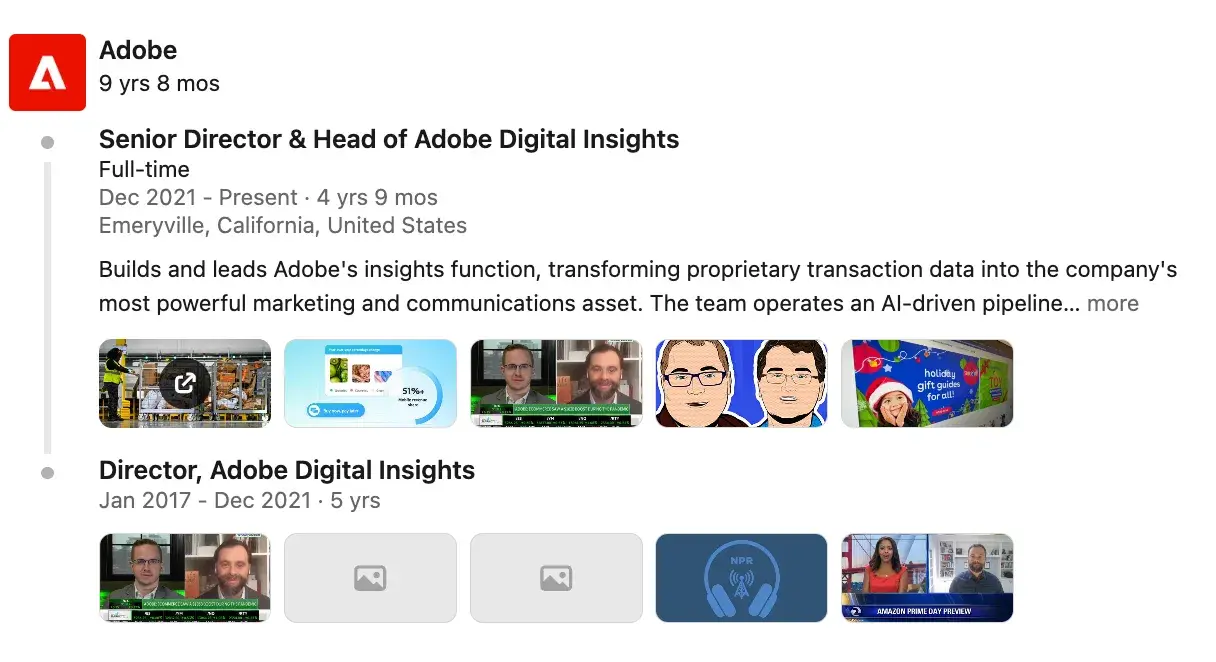
- Expert Collaborations: Partnerships with industry analysts, such as Kevin Indig, which provide an external, authoritative lens.
- Lightweight Analysis: Surveys and quick-turnaround data studies that bypass heavy engineering requirements.
- Co-branded Initiatives: High-effort, high-reward partnerships with other industry leaders. A notable success in this category was the collaboration with LinkedIn, which synthesized proprietary AI-citation data from Semrush with engagement metrics from LinkedIn to analyze AI visibility.
Supporting Data and Strategic Implications
The necessity of this shift is underscored by current market dynamics. As of 2024, the proliferation of AI-generated content has led to a significant decline in the organic reach of "recycled" advice. According to industry analysis, content that relies on original, proprietary data earns, on average, 40% more backlinks than opinion-based articles.
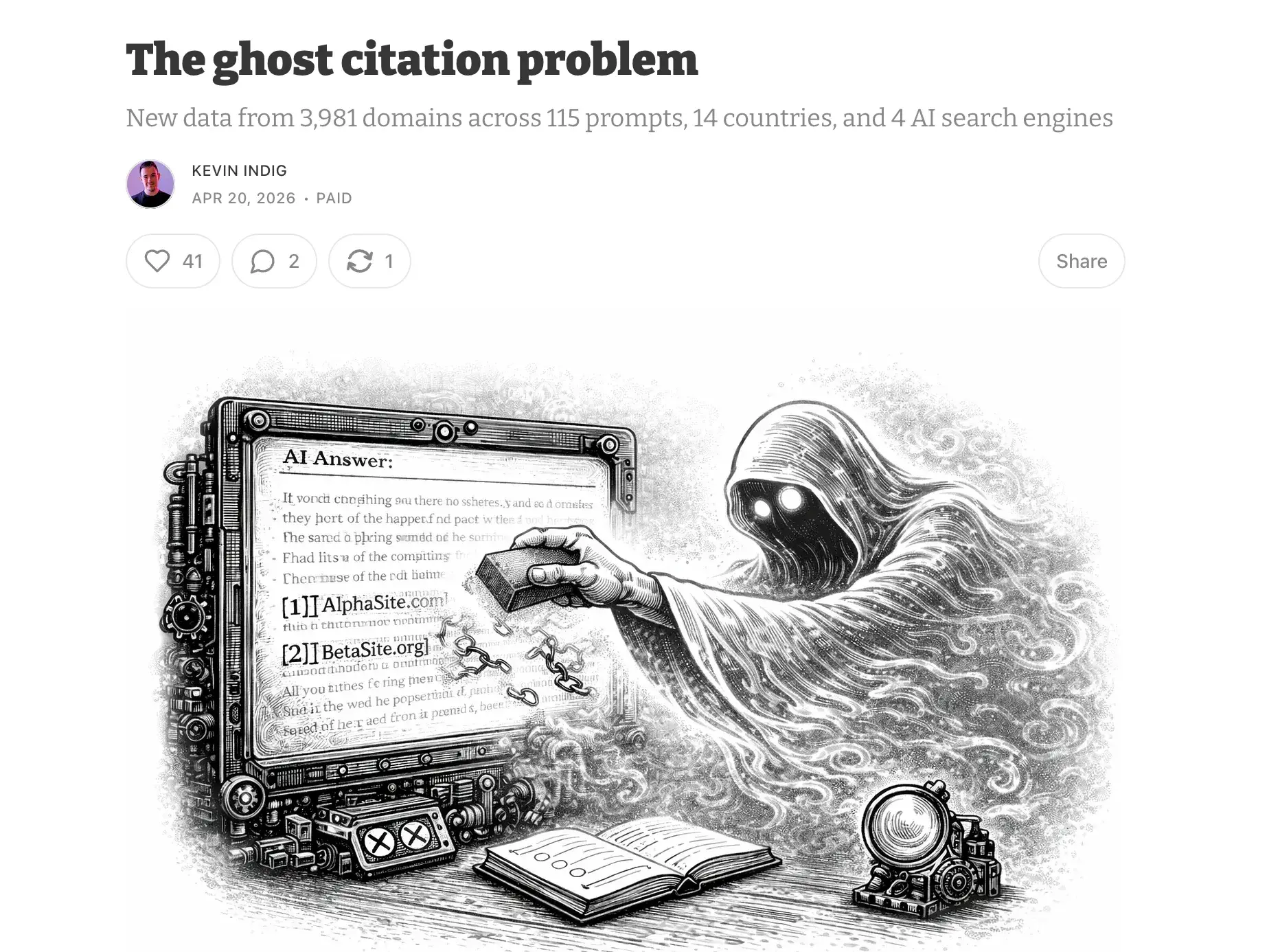
Furthermore, the "ghost citation" problem—where AI tools cite information but fail to attribute brand mentions—has emerged as a critical concern for digital marketers. By addressing such granular, high-value questions through data, brands can transition from being generic content providers to being indispensable industry resources.
The impact of this strategy is measurable. Data-driven thought leadership serves as a primary driver for top-of-funnel engagement. While direct attribution to revenue remains a long-term goal, the immediate metrics—including media mentions, influencer resharing, and increased domain authority—provide a compounding return on investment.
The Distribution Engine: A Life Beyond the Report
A common failure in research marketing is the "publish and pray" approach. Semrush’s current model dictates that distribution must be planned before the research is even conducted. This involves creating a multi-channel distribution engine that includes:
- Segmented Email Campaigns: Tailoring findings to specific customer personas.
- Social Media Asset Kits: Creating snackable visual content (charts, infographics, and short-form videos) for platforms like LinkedIn.
- Media Outreach: Partnering with journalists who require original data to bolster their own investigative pieces.
- Internal Repurposing: Converting a single study into a webinar, a slide deck, a blog series, and a podcast episode.
By treating the report as a "mother ship" content piece, the team ensures that the research has a life cycle spanning several months rather than several days.
Evaluation and Measurement: Moving Beyond Vanity Metrics
The final component of the Semrush playbook involves a disciplined approach to analytics. The team cautions against "obsessive measurement" of metrics that do not correlate to business health. Instead, they prioritize tracking:
- Earned Backlinks: A proxy for the quality and trustworthiness of the research.
- Share of Voice: Monitoring how often the study is cited by influencers and industry media.
- Conversion Rates: Measuring the lift in sign-ups for webinars or tools associated with the study findings.
While revenue attribution is monitored, the company emphasizes that the primary value of data-driven thought leadership is brand equity. In the long run, the accumulation of high-quality, data-backed insights establishes a "moat" that is difficult for competitors to replicate.
Conclusion and Future Outlook
The transformation of data studies into a formal program represents a broader trend in B2B marketing: the move toward evidence-based authority. As the digital ecosystem continues to grapple with the influx of low-quality content, the value of proprietary, original research will only continue to rise.
For organizations looking to adapt this playbook, the advice is to begin with a single, controlled experiment. Prove the efficacy of the model by tackling a specific, high-interest industry question, and then systematically build the operational support—the pipelines, the cross-team workflows, and the distribution engines—necessary to scale. Ultimately, data is only as valuable as the context provided around it; the ability to articulate the "so what" behind a set of figures is what separates a mere data dump from a powerful, growth-oriented thought leadership program. By prioritizing customer-centric questions and maintaining a rigorous production schedule, firms can ensure their research remains not just relevant, but essential to their industry’s discourse.