Megan Thee Stallion Opens Up About Early Career Contract Regrets and the Hard-Fought Road to Master Ownership

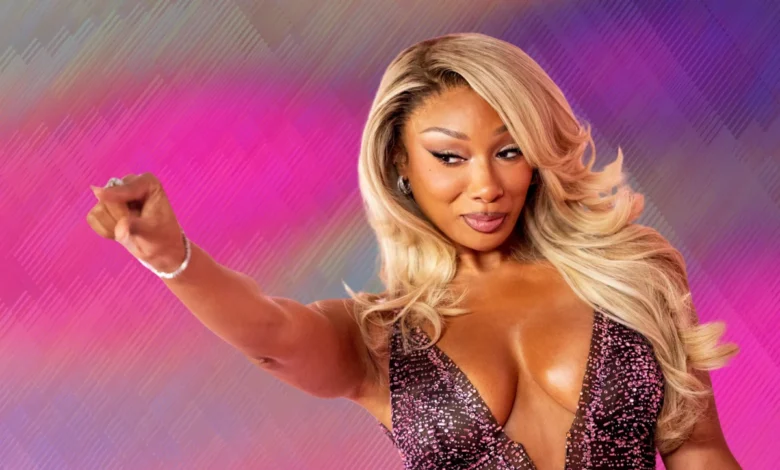
Grammy-winning recording artist Megan Thee Stallion, legally known as Megan Pete, recently offered a candid look into the financial realities of the music industry during her keynote appearance at Entrepreneur’s Overcoming Impossible event. Speaking to an audience of founders, creators, and business professionals, Pete detailed the stark contrast between the glamorous illusion of hip-hop wealth portrayed on social media and the sobering financial truths of her earliest recording agreements.
Her remarks shed light on a pervasive issue within the entertainment industry: the exploitation of young, eager talent desperate for an entry point into the business. For Pete, the journey from signing a compromised debut contract to securing an unprecedented independent partnership with Warner Music Group in 2024 underscores a masterclass in business evolution, legal literacy, and the relentless pursuit of artistic sovereignty.
The Illusion of Wealth and the Pressure to Provide
Like many aspiring artists growing up in the digital age, Pete formed her initial impressions of the music business through the curated lens of social media. Luxury vehicles, designer apparel, and displays of effortless wealth convinced her that commercial success in rap music guaranteed instant, generational affluence. More importantly, this perceived financial windfall represented a vehicle to achieve her primary personal goal: securing the livelihood of her family.
When the opportunity to sign her first record deal arrived, Pete recognized the terms were far from favorable. However, the immediate necessity of paying household bills and providing for her mother outweighed her long-term business reservations. She acknowledged that the driving force behind her signature was not a sophisticated understanding of publishing splits or royalty percentages, but rather an urgent desire to care for her loved ones.
This scenario is remarkably common across the entertainment landscape. Young artists, particularly those from underrepresented or economically disadvantaged backgrounds, frequently enter negotiations at a severe disadvantage. Faced with the pressure to monetize their art immediately, many accept unfavorable terms, unwittingly signing away the foundational rights to their creative output.
The Realization of Value and the Fear of Asking Questions
As Pete’s career trajectory skyrocketed, fueled by viral hits, critical acclaim, and a rapidly expanding fanbase, the mathematical disconnect between her cultural footprint and her bank account became impossible to ignore. She realized that her likeness, brand, and master recordings were generating substantial revenue for corporate entities while yielding a minimal return for her daily labor.
Reflecting on this pivotal juncture, Pete identified her greatest vulnerability during the early stages of her career: a paralyzing fear of asking questions. In professional environments dominated by seasoned executives, legal counsel, and veteran managers, she admitted to feeling intimidated, choosing silence over clarification out of a fear of appearing uninformed.
This hesitation, she noted, is a primary barrier holding back professionals across all industries, not just entertainment. The fear of sounding naive often prevents individuals from scrutinizing complex agreements, leaving them susceptible to exploitation. Recognizing that silence was actively costing her financial freedom, Pete enacted a dramatic shift in her operational philosophy. She resolved to interrogate every contract, demand full transparency, and transition from a hired performer to the chief executive of her own enterprise.
A Timeline of Transformation: From Subordination to Independence
The trajectory of Megan Thee Stallion’s business career serves as a compelling case study in modern artist empowerment.
In the nascent stages of her career, Pete operated under traditional label structures where creative output was heavily indebted to corporate financing, leaving her with restricted control over her catalog.
As her commercial viability solidified with multi-platinum singles and three Grammy Award wins, Pete systematically evaluated her legal obligations, auditing her contracts and assembling a team of advisors aligned with her vision of total autonomy.
The culmination of this strategic pivot arrived in 2024, when Pete signed a landmark partnership with Warner Music Group. Unlike her initial debut agreement, this new arrangement allowed her to retain full ownership of her master recordings and music publishing catalog. Under the terms of the deal, Pete maintains her status as an independent recording artist while leveraging Warner Music’s robust global infrastructure for marketing, promotion, and distribution.
This structural arrangement represents the modern gold standard for contemporary musicians. By holding onto their masters, artists ensure that passive income from streaming, sync licensing, and physical sales directly benefits their own portfolios rather than amortizing label debt.
The Guiding Principle: Family as a North Star
Despite navigating high-stakes corporate negotiations and intense public scrutiny, Pete remains anchored by what she refers to as her "North Star"—her family. During her appearance at the Overcoming Impossible event, her composure visibly shifted when discussing the foundational influence of her late mother, father, grandmother, and great-grandmother.
Pete evaluates her professional moves through the prism of legacy and familial pride. Every major business decision is filtered through the hypothetical lens of whether her ancestors would approve, grounding her immense commercial success in deeply personal core values. Beyond providing financial security, her motivation extends to her fanbase, whom she views as extensions of her community, deserving of authentic connection rather than manufactured pop personas.
Broader Implications for the Creator Economy
Pete’s transition from a compromised newcomer to an empowered mogul carries significant implications for the broader creator economy. As independent distribution platforms, social media monetization, and direct-to-fan marketing models erode the traditional gatekeeper monopoly of major record labels, artists are increasingly equipped to demand equitable terms.
Legal scholars and entertainment business analysts frequently point to high-profile renegotiations by artists like Taylor Swift, Neil Diamond, Bob Dylan, and now Megan Thee Stallion as a cultural turning point. The industry is witnessing a systemic valuation shift where intellectual property ownership is prioritized over short-term advances.
For entrepreneurs and professionals outside the music industry, Pete’s trajectory offers universal lessons:
- Financial literacy is non-negotiable.
- Fear of inquiry is a liability that yields costly long-term consequences.
- Authentic alignment with core personal values serves as the ultimate compass during high-pressure negotiations.
Conclusion
Megan Thee Stallion’s journey from signing a suboptimal debut contract out of familial obligation to securing full master ownership with Warner Music Group illustrates the power of self-advocacy. By conquering her fear of asking questions and learning the intricacies of contract law, she transformed herself from an exploited commodity into a fully autonomous business executive. Her story remains a testament to the fact that true success in the modern marketplace requires not only talent and fame, but unwavering dedication to self-preservation and authenticity.
Related posts: