Beyond the Box Office: AMC Theatres and the Evolution of People Analytics in Modern Human Resources

Implementing new enterprise tools into a business structure remains one of the most complex challenges modern organizations face, requiring delicate change management, technical integration, and widespread cultural adoption. When executed effectively, however, this digital transformation can democratize information, placing critical data and operational agency directly into the hands of every employee and frontline manager. This exact strategic intersection of technology, data, and human resources took center stage at the recent SPARK Talent conference, where attendees received an exclusive look at the do’s and don’ts of tool-building and workforce analytics.
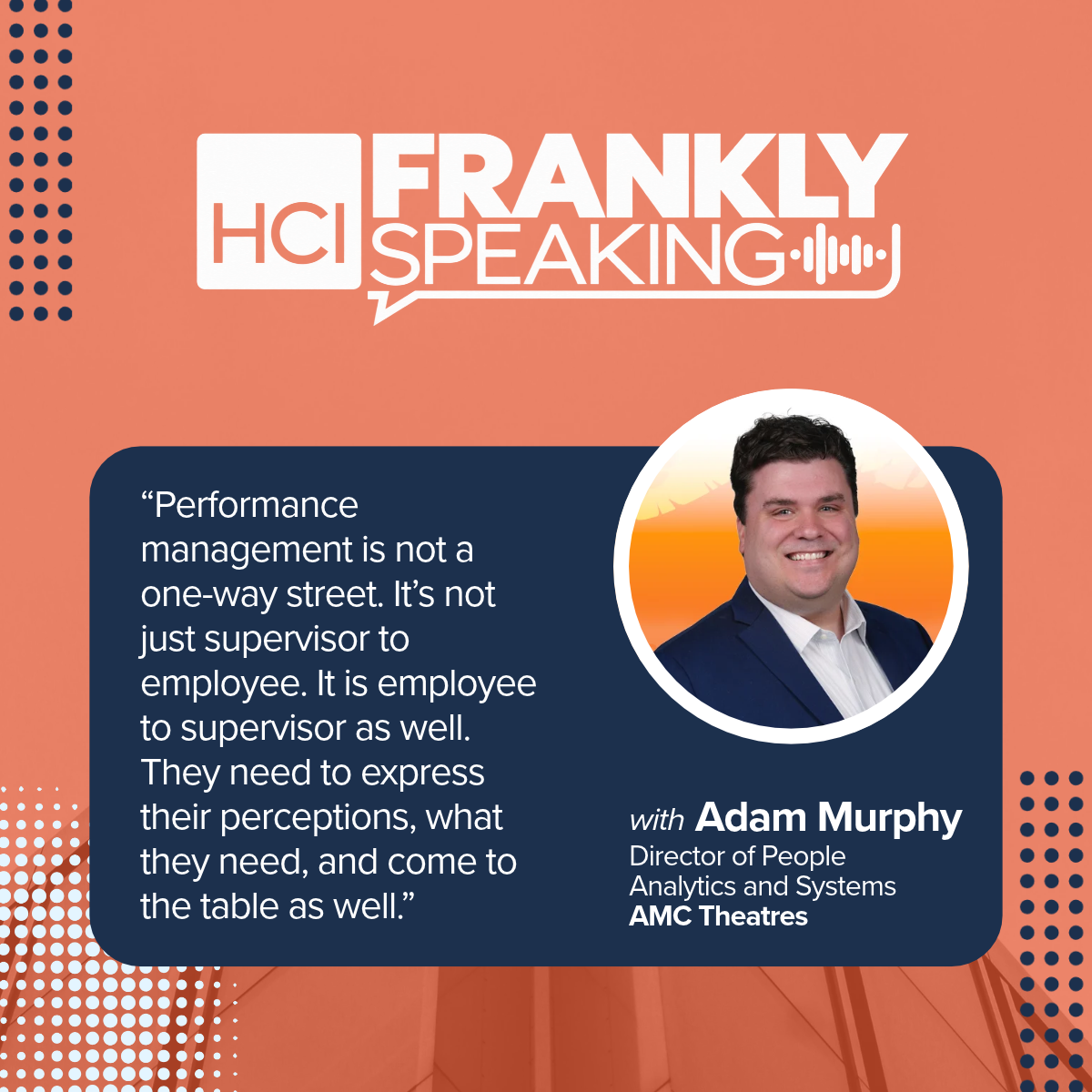
Adam Murphy, Director of People Analytics for AMC Theatres, delivered a keynote presentation examining how the world’s largest movie exhibition company leverages advanced analytics and artificial intelligence to reshape its internal operations. Murphy’s insights provided human resources professionals with a comprehensive roadmap for navigating the delicate balance between quantitative metrics and human-centric leadership, emphasizing that true digital transformation extends far beyond simply upgrading software dashboards.
The Intersection of Artificial Intelligence and Workforce Analytics
In the modern corporate landscape, artificial intelligence has fundamentally altered how organizations process information. As Murphy highlighted during his address at SPARK Talent, the integration of AI tools has made it remarkably easy for enterprises to analyze vast, previously insurmountable swaths of data. Historically, human resources departments were bogged down by administrative friction, spending weeks or months manually compiling employee performance reviews, turnover rates, and engagement surveys. Today, predictive algorithms and machine learning models can synthesize these massive datasets in seconds.
However, Murphy cautioned that the proliferation of accessible data does not automatically equate to better leadership or improved organizational health. The true differentiator for a successful HR leader in the age of automation is not the volume of data they can access, but their ability to translate that information into meaningful, collaborative dialogues. According to AMC Theatres’ analytics leadership, data should never be used as a blunt instrument for top-down surveillance or rigid performance grading. Instead, quantitative insights must serve as a catalyst for inviting everyone—from hourly theater staff to executive leadership—to the decision-making table.
This philosophy represents a significant shift from traditional management practices. For decades, performance management was largely viewed as an annual compliance exercise characterized by backward-looking metrics and isolated supervisory reviews. By contrast, modern people analytics, as practiced by entertainment giants like AMC, focuses on real-time feedback loops, continuous employee listening, and collaborative problem-solving.
Background Context: The Evolution of SPARK Talent and HR Tech
The SPARK Talent conference has rapidly grown into a premier gathering for forward-thinking human resources executives, organizational development specialists, and talent acquisition leaders. Designed to address the seismic shifts occurring in the global labor market—including hybrid work models, generational workforce changes, and the rapid deployment of generative AI—the event serves as a laboratory for testing innovative workplace strategies.
In recent years, the mandate for HR leaders has expanded exponentially. No longer confined to traditional personnel administration, payroll processing, and compliance, contemporary human resources divisions are expected to function as strategic business partners. They must forecast labor shortages, optimize talent retention, design inclusive company cultures, and master complex enterprise software ecosystems.
It is within this high-stakes environment that AMC Theatres operates. As a global titan in the entertainment and hospitality sector, AMC manages a massive, highly decentralized workforce comprising tens of thousands of employees across hundreds of locations. From corporate headquarters to local cinema box offices, maintaining operational consistency while empowering local managers requires sophisticated technological infrastructure. The company’s investment in people analytics is not merely an experimental tech initiative; it is a foundational pillar of its broader corporate resilience strategy following years of unprecedented disruption in the entertainment industry.
Chronology of Workplace Analytics Integration
To understand how AMC Theatres arrived at its current data-driven human resources paradigm, it is helpful to examine the broader timeline of workforce technology adoption over the past decade:
- 2015–2018 (The Era of Descriptive Analytics): During this foundational period, most major corporations began moving away from paper-based personnel files and disparate spreadsheets. HR departments heavily invested in cloud-based Human Capital Management (HCM) systems. The primary focus was descriptive analytics: answering the question, "What happened?" Companies tracked baseline metrics such as headcount, basic turnover rates, and cost-per-hire.
- 2019–2021 (The Predictive Pivot and Pandemic Disruption): As artificial intelligence matured, leading organizations began exploring predictive analytics to forecast trends like flight risk and performance bottlenecks. The onset of the COVID-19 pandemic in 2020 drastically accelerated this timeline, forcing companies like AMC Theatres to rapidly deploy digital tools to manage sudden workforce reductions, health compliance mandates, and eventual massive re-hiring campaigns.
- 2022–2024 (The Rise of Generative AI and Employee Agency): With the mainstream introduction of generative AI and advanced natural language processing tools, the barrier to entry for analyzing complex employee datasets plummeted. HR analytics transitioned from a specialized domain reserved for data scientists into an accessible utility for everyday managers.
- 2025–Present (Democratization and Collaborative Governance): The current landscape, as showcased at SPARK Talent, emphasizes democratization. Leading organizations are no longer content with keeping data sequestered within executive suites. Instead, the focus has shifted toward putting actionable insights directly into the hands of frontline employees and local managers, fostering a culture of radical transparency and shared accountability.
Data Behind the Screen: Balancing Metrics and Empathy
A critical theme of Murphy’s SPARK Talent presentation was the necessity of contextualizing quantitative metrics with qualitative human realities. In a high-volume, customer-facing industry like movie exhibition, operational efficiency is vital. Ticket sales, concession speeds, staffing ratios, and customer satisfaction scores are constantly tracked, analyzed, and optimized.
However, Murphy warned against the dangers of metric fixation—the tendency to optimize strictly for what can be easily measured while ignoring vital cultural and human factors that defy simple quantification. For example, a theater location might show high operational efficiency and low labor costs on paper, but a deeper dive into employee sentiment data might reveal dangerously high burnout levels and impending turnover spikes.
By utilizing advanced people analytics tools, AMC aims to catch these subtle warning signs early. More importantly, the company empowers local managers to use these insights not to penalize staff, but to initiate supportive conversations regarding workload, scheduling flexibility, and professional development. When employees feel that data is being used to support them rather than monitor them, trust increases, leading to higher engagement and stronger retention.
Industry Reactions and Expert Perspectives
Management consultants and organizational psychologists have widely praised the approach outlined by AMC Theatres at the SPARK Talent conference. Industry analysts note that many organizations stumble during digital transformations because they view software implementation as purely an IT project rather than a cultural evolution.
"When companies introduce sophisticated analytics tools without changing their internal communication habits, they often achieve the exact opposite of their intended effect," notes a leading workplace culture researcher. "Employees experience dashboard fatigue or, worse, algorithmic surveillance anxiety. What Adam Murphy and AMC are demonstrating is a human-first framework. They are proving that technology is most effective when it acts as a bridge for human dialogue rather than a replacement for it."
Furthermore, labor economists point out that in a tight job market, organizations that successfully democratize data and provide genuine agency to frontline workers hold a distinct competitive advantage. Employees who understand the broader business metrics—and who feel equipped to influence them—are significantly more invested in their company’s overall success.
Broader Implications for the Future of Work
The insights shared by AMC Theatres’ Director of People Analytics carry significant implications for the broader business community as organizations continue to grapple with rapid technological change.
First, the democratization of enterprise data is no longer a luxury reserved for tech giants; it has become an operational necessity across all sectors, including retail, hospitality, and entertainment. As AI tools become increasingly intuitive, organizations must intentionally design their management training programs to ensure that leaders possess the emotional intelligence required to interpret data empathetically.
Second, the traditional boundaries separating human resources, information technology, and operations are continuing to dissolve. Effective workforce analytics requires cross-functional collaboration, ensuring that the tools built by engineers actually serve the day-to-day needs of theater managers and hourly associates.
Finally, the overarching message from the SPARK Talent conference serves as a timely reminder for corporate leadership: technology scales capability, but culture determines success. No matter how advanced an artificial intelligence model or analytics platform may be, its ultimate value is determined by how well it brings people together to communicate, collaborate, and grow. As AMC Theatres continues to refine its approach to workforce management, its journey offers a valuable blueprint for organizations seeking to harness the power of data without losing sight of the human element behind the screen.