The daily life of a human resources professional is often perceived as a blend of administrative oversight, policy implementation, and employee advocacy. However, beneath the surface of corporate decorum lies a reality characterized by high-stress incidents, behavioral anomalies, and significant emotional labor. Recent industry data reveals that 30% of HR professionals report feeling mentally drained, 24% identify as experiencing significant burnout, and 34% are actively contemplating career transitions. These figures highlight a growing crisis of sustainability within the human capital management sector, fueled in part by the bizarre and often chaotic nature of workforce interactions.
The intersection of recruitment and interpersonal conflict has created a repository of anecdotal evidence that serves as both a cautionary tale and a stark reflection of modern workplace dynamics. A survey conducted by Monster suggests that HR is perceived as the most intimidating department by nearly 25% of employees, a statistic that likely reflects the department’s role as the primary arbiter of disciplinary action, termination, and policy enforcement.
A Chronology of Behavioral Anomalies in Recruitment
The recruitment phase, intended to be a professional assessment of competency, frequently devolves into scenarios that challenge standard human resources protocols. Documented incidents range from severe lapses in judgment to bizarre breaches of social norms.
In one notable case involving a healthcare organization, a candidate participating in a field ride-along abruptly exited the vehicle, entered a wooded area, and returned having removed both her pants and undergarments. The ensuing silence and the candidate’s subsequent departure from the organization underscore the unpredictable nature of on-site evaluations. In another instance involving a professional interview for a data entry role, a candidate’s dentures fell out, which the applicant attributed to a lack of adhesive. Such events force HR practitioners to manage the immediate discomfort of the situation while maintaining the necessary professional distance to evaluate the candidate’s core qualifications.
The rise of virtual interviewing has introduced a new vector for professional negligence. Recruiters report a frequent disregard for environmental staging, with candidates conducting interviews from unkempt living spaces or utilizing camera angles that are deeply unprofessional. Beyond aesthetic choices, some candidates have demonstrated a total disregard for environmental hazards; one documented case involved an applicant who refused to terminate a Zoom interview despite fire alarms sounding in their building, eventually carrying the interviewer through the facility during an active evacuation.
The Breakdown of Professional Etiquette
The expectation of professional reciprocity—where candidates and recruiters alike adhere to a baseline of mutual respect—has increasingly fractured. Industry experts have noted a rise in "ghosting" from both sides of the hiring table. In one documented instance, a startup CEO who explicitly cited poor candidate experience as a primary organizational pain point subsequently ghosted a recruitment partner, demonstrating a cognitive dissonance between corporate strategy and individual behavior.
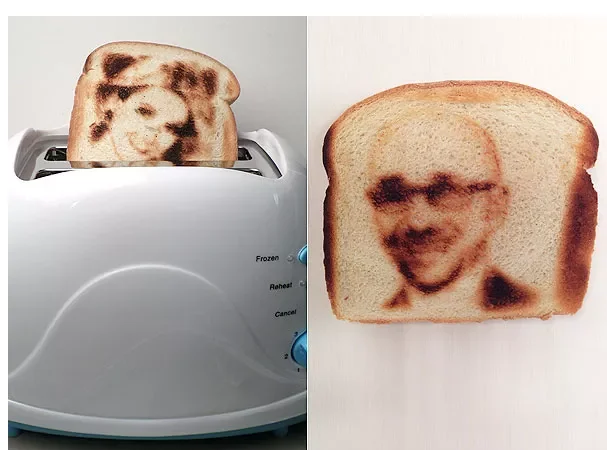
Equally alarming are incidents involving boundary-crossing gift-giving. In one case, a candidate provided a custom-made toaster that produced bread branded with the recruiter’s LinkedIn profile picture. While intended as a demonstration of effort, the action was interpreted as a significant breach of professional boundaries, leading to immediate disqualification. Similarly, the inclusion of unconventional references—such as the applicant who listed their illicit substance supplier on a formal application—highlights a profound disconnect between candidate expectations and corporate vetting standards.
The Role of HR in Toxic Work Environments
The burden of workplace toxicity is not exclusively carried by candidates. HR professionals frequently report being the recipients of retaliatory behavior. One HR manager recounted a scenario involving a terminated employee who engaged in a campaign of harassment by mailing biological waste to multiple corporate locations, necessitating the closure of offices and a mandatory transition to remote work.

Furthermore, internal office culture can manifest in ways that undermine professional standards. Interviews conducted in environments where engineering staff were observed working barefoot with feet on desks, or group assessment days that concluded with the revelation that the positions offered were entirely unpaid, serve as examples of how organizations can fail to meet basic professional expectations. These instances, when experienced by candidates, contribute to the broader systemic distrust of the HR function.
Data-Driven Analysis of HR Burnout
The cumulative effect of these daily "horror stories" cannot be viewed in isolation. The psychological toll on HR practitioners is documented by isolved’s research, which indicates that the constant exposure to high-conflict situations—ranging from performance-based terminations to behavioral outbursts—contributes to a high rate of attrition.
The structural implications are clear: when HR departments are treated as a dumping ground for the most uncomfortable, bizarre, and high-stakes social interactions within a company, the core strategic functions of the department—such as talent development, cultural cultivation, and conflict resolution—are marginalized.
Broader Organizational Implications
The incidents detailed by HR professionals are not merely humorous or shocking anecdotes; they are indicative of a breakdown in the social contract of the workplace. When a job fair interviewee arrives in full clown makeup, or when an interviewer is forced to endure a candidate’s dental hygiene routine, the organization is forced to balance its commitment to diversity, equity, and inclusion (DEI) with the practical need for professional decorum.
For instance, the VP of HR who was forced to conduct a full interview with an applicant dressed as a clown because the organization was under scrutiny for bias demonstrates how strict adherence to policy can sometimes conflict with common sense. These constraints often place HR in a "no-win" scenario, where they must mitigate the risk of litigation while simultaneously trying to filter out candidates who are fundamentally unsuited for the role.
Moving Forward: Professional Resilience
As the workplace continues to evolve, the capacity for HR professionals to maintain composure in the face of the absurd will remain a core competency. However, the data suggests that organizations must do more to support their human capital teams.
Strategies for mitigating burnout include:
- Clearer Boundary Setting: Establishing firm protocols for what constitutes unprofessional behavior and empowering HR to terminate interviews when those lines are crossed.
- Increased Mental Health Support: Acknowledging the emotional labor inherent in the HR profession and providing resources to process high-stress interactions.
- Streamlined Recruitment Protocols: Leveraging technology to filter out candidates who demonstrate a lack of preparedness before they reach the human interaction stage.
The "horror stories" that circulate in HR circles are a symptom of a broader issue: the human element of business is messy, unpredictable, and frequently exhausting. Recognizing these stories for what they are—the extreme end of the spectrum of human behavior in a professional setting—is the first step toward building more resilient and effective human resources departments. Organizations that prioritize the well-being of their HR staff are better positioned to handle the inherent volatility of the modern workforce, ensuring that the department remains a strategic partner rather than just the repository for the company’s most difficult, and occasionally bizarre, personnel challenges.