How a Veteran CPG Operations Executive Turned a Single Concept Into a $400,000-a-Month Protein Powder Brand at Target


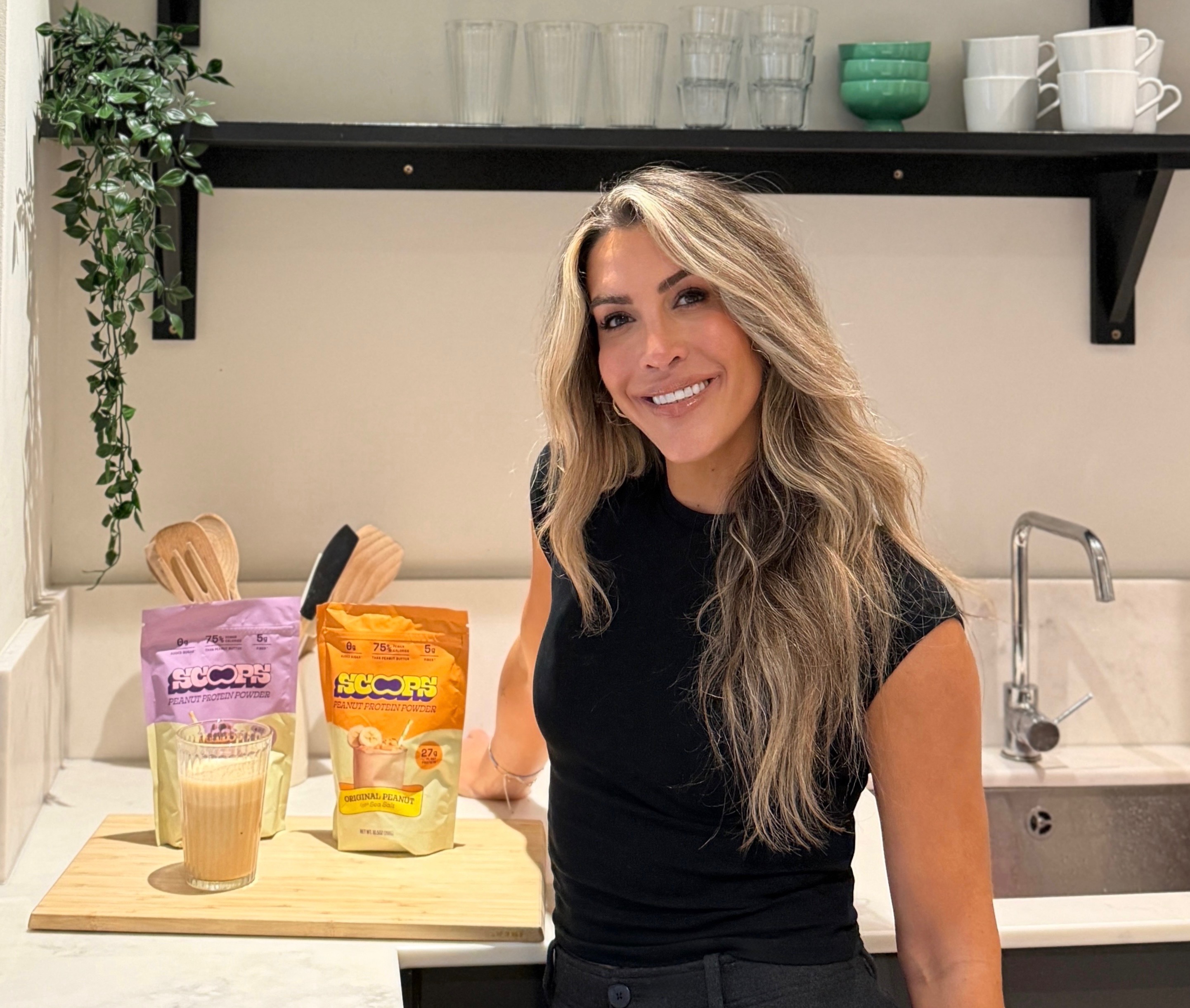
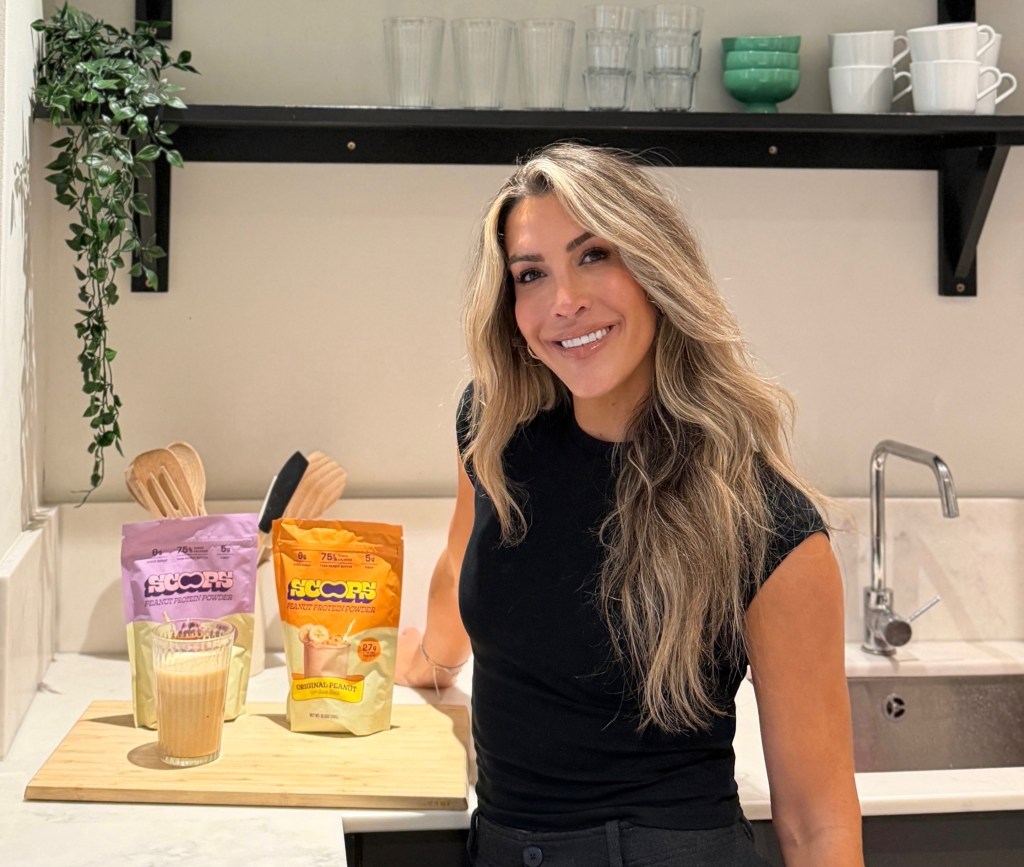
The consumer packaged goods (CPG) landscape is notoriously unforgiving, particularly for brand-new entrants attempting to secure nationwide retail distribution before their products even exist on shelves. Yet, for Liz Lane, founder of the plant-based peanut butter protein powder brand Scoops, an unconventional trajectory propelled the startup from a mere concept into a booming enterprise generating $400,000 in monthly sales in just under half a year.
Lane is no stranger to the rapid, high-stakes environment of food and beverage startups. For over a decade, she dedicated her career to stepping into early-stage ventures to build and fortify their operational foundations. Her resume includes pivotal roles such as serving as the first U.S. operations hire for Huel when the UK-based nutrition company was still in its infancy, and operating as an early-stage team member and operations director at Magic Spoon, guiding the high-growth cereal brand through its meteoric rise. Following her departure from Magic Spoon, Lane worked as an independent consultant, helping emerging food brands navigate supply chains, logistics, and scaling strategies.
Despite her extensive background behind the scenes of other people’s success stories, Lane harbored a long-term ambition to launch her own venture. However, she was determined to wait for the right product-market fit—one that aligned with her personal lifestyle habits rather than forcing an artificial diet.
Bridging Indulgence and Nutrition: The Genesis of Scoops
The macro environment for functional foods has favored high-protein formulations for years, driven by consumer demand for athletic recovery, weight management, and convenient nutritional supplementation. However, Lane faced a relatable consumer dilemma: despite working professionally in the better-for-you food industry, she did not consider herself a strict or disciplined eater. She sought to develop a product that would integrate seamlessly into existing routines without requiring drastic lifestyle or dietary overhauls.
The turning point arrived during a conversation with a vegan friend who suggested exploring peanut butter. Naturally rich in protein, peanut butter is a universally beloved flavor profile, but traditional formulations come with significant caloric and fat densities that make portion control difficult for many consumers.
This sparked a core operational question: Could peanut butter be re-engineered for greater nutritional efficiency without altering how people consume it?
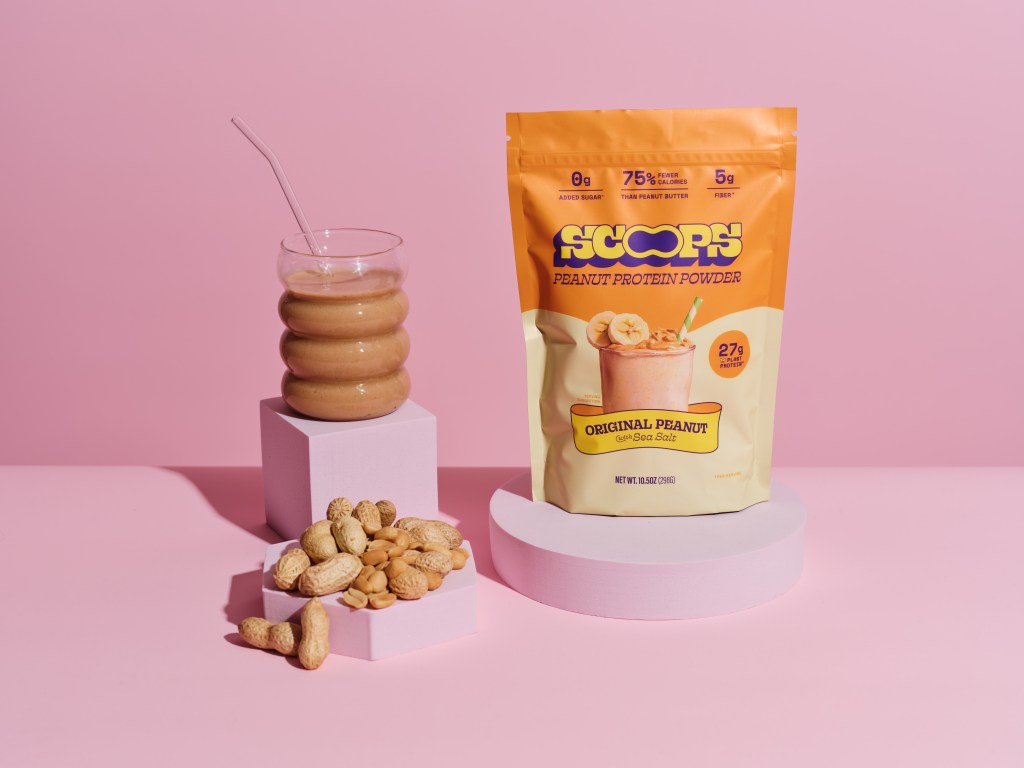
The technological breakthrough came when Lane connected with an industry supplier who was preparing to introduce a novel peanut isolate to the market. This ingredient allowed for a drastic reconfiguration of traditional nutritional macros, delivering concentrated protein while eliminating the heavy fat and calorie loads associated with whole-nut butter pastes.
Recognizing that powder was a far more versatile format than a traditional jar—eliminating the temptation of overconsumption while maximizing utility in smoothies, baked goods, and oatmeal—Lane envisioned a peanut isolate powder boasting 75% fewer calories and 95% less fat than conventional peanut butter.
From Concept to Nationwide Retailer: The Target Pitch and Timeline
What separates Scoops’ journey from traditional CPG playbooks is the speed at which it transitioned from an abstract idea to a major retail footprint. Armed with little more than a brand identity and a single prototype, Lane pitched the concept to retail giant Target in the summer of 2025.
Target, actively seeking to inject fresh innovation into its physical wellness aisles, responded enthusiastically. Rather than requesting a small regional trial of 250 to 500 stores, Target awarded Scoops distribution across more than 1,100 doors nationwide in December 2025.
The achievement presented an immediate logistical and financial paradox: Scoops did not yet possess commercial inventory, mass manufacturing lines, or a fully capitalized balance sheet. The agreed-upon launch date was set for May 2026, leaving Lane with a narrow three-month window to secure capital, finalize manufacturing partnerships, and prepare inventory for nationwide rollout.
Lean Fundraising via the Supply Chain
Faced with the daunting challenge of financing a nationwide retail launch from scratch, Lane bypassed traditional venture capital routes. Instead, she leveraged her extensive professional network built over 12 years in the food and beverage sector.
Lane successfully raised approximately $500,000, primarily sourced directly from her supply chain partners. The primary manufacturer and ingredient suppliers stepped in as major financial stakeholders, alongside select industry professionals. This unconventional funding model was underpinned by institutional trust and mutual familiarity; Lane’s operational track record gave her supply chain partners the confidence that she could successfully manage the commercial and financial execution of the business.
However, because the vast majority of the initial capital injection was immediately funneled into manufacturing inventory to stock over 1,100 Target locations, Scoops launched with virtually zero traditional marketing budget.
Executing a Low-Cost Launch Strategy
When Scoops officially debuted on Target shelves in May 2026, the brand simultaneously came into physical existence and entered the public consciousness. To drive immediate retail velocity without a robust advertising budget, Lane and her Chief Marketing Officer, Lauren Browning—comprising the entirety of the brand’s permanent team—had to adopt resourceful guerrilla marketing tactics.
The founders relied heavily on digital creator partnerships, targeting micro-influencers specializing in retail discovery content—specifically the popular "Target run" niche. By executing targeted product gifting campaigns, Scoops successfully incentivized creators to showcase the novel powder to their respective follower bases.
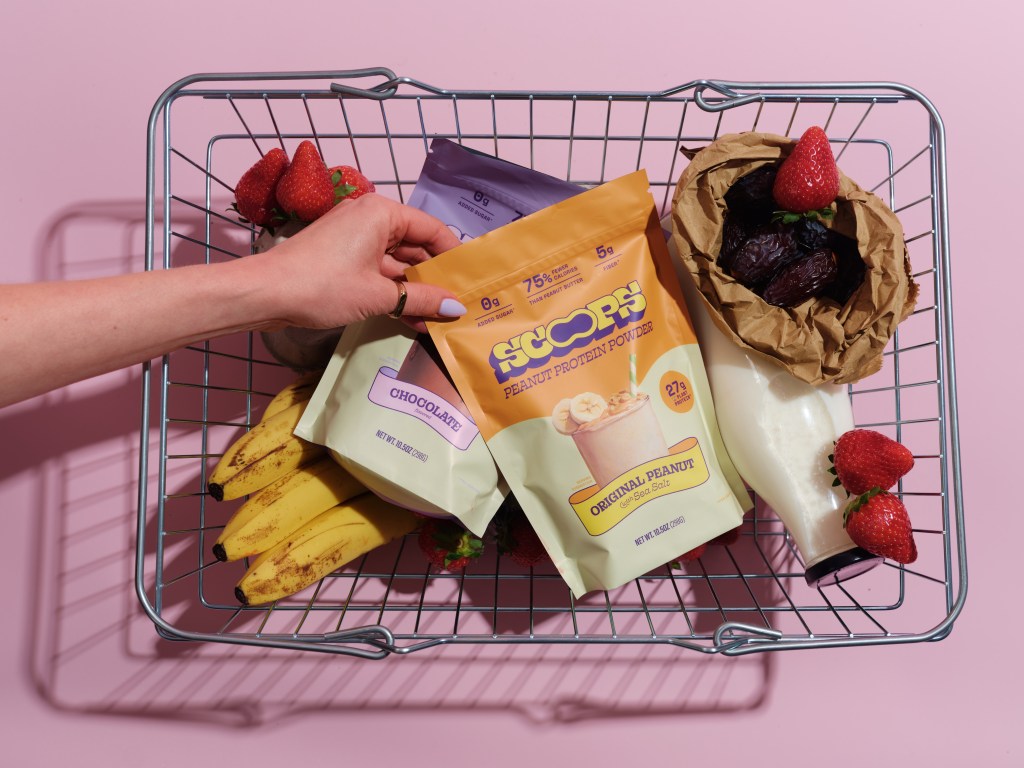
Compounding these grassroots efforts was strategic merchandising support from Target. Scoops secured a prominent 11-week end-cap placement, drastically boosting visual visibility and consumer discovery within high-traffic store sections.
The financial results of this lean, high-velocity approach quickly materialized. Scoops recorded $25,000 in gross sales during its inaugural month on the market. By October 2026, just five months post-launch, monthly revenues scaled exponentially to reach $400,000.
Strategic Implications and the CPG Landscape
The rapid escalation of Scoops offers several analytical takeaways for the broader consumer packaged goods sector, highlighting shifts in how modern startups achieve scale.
First, the traditional linear progression of CPG brands—starting with direct-to-consumer (DTC) e-commerce, moving into regional specialty grocery, and eventually graduating to nationwide mass-market retail—is increasingly being upended by brands that leverage retail partnerships from day one. While risky, securing a major retail partner early can provide immediate scale, provided the founding team possesses deep operational expertise to manage supply chain shocks.
Second, Lane’s reliance on supply chain financing underscores a growing trend of collaborative capital in manufacturing. By aligning suppliers directly with the financial upside of the brand, founders can mitigate the friction points traditionally associated with minimum order quantities (MOQs) and production bottlenecks during early-stage scaling.
Finally, Lane’s philosophy on growth challenges the prevailing "hyper-growth-at-all-costs" mentality popularized by venture-backed startups over the past decade. Despite her brand’s rapid retail expansion, she advocates for sustainable pacing, noting that building a smaller, manageable business model remains a valid and often safer pathway to long-term profitability.
Future Outlook for Scoops
As Scoops solidifies its presence in the domestic functional foods market, supported by a U.S. exclusivity agreement with its primary peanut isolate supplier, the brand is actively planning its next phases of growth.
Lane and Browning are currently developing product line extensions aimed at broadening the brand’s portfolio beyond its initial powder offering. Furthermore, with monthly revenues reaching $400,000, the company is preparing to transition out of its ultra-lean, two-person operational framework by making strategic hires to support future supply chain management and marketing initiatives.
For aspiring entrepreneurs looking to enter the fiercely competitive CPG arena, Lane’s journey serves as both a blueprint of exceptional operational execution and a cautionary tale about the intense pressures of scaling overnight. Ultimately, Scoops demonstrates that deep industry experience, combined with a unique formulation addressing a clear consumer friction point, can turn a single product concept into a nationwide household contender.