Mastering Your 2026 Holiday Shipping Strategy to Build Customer Trust and Drive Repeat Business


The holiday shopping season represents the most critical period for e-commerce retailers, serving as both a massive revenue opportunity and a significant operational stress test. For online merchants, every shipping promise made to a customer is a contract. When these promises are kept, they cultivate long-term brand loyalty; when they are broken, they often lead to abandoned carts, negative reviews, and lost future revenue. As the 2026 holiday season approaches, the pressure to balance fast delivery with cost-effective logistics has never been higher.
The Evolution of Consumer Expectations
Modern shoppers are no longer merely looking for the cheapest shipping rate; they are demanding precision and transparency. According to 2026 research from eTail Insights and Narvar, 76% of consumers are willing to accept slower delivery speeds if it means securing free shipping. However, this trade-off comes with a caveat: the desire for accuracy. The same research indicates that a combined 95% of consumers consider an accurate delivery date to be either somewhat or very important.
This shift underscores a vital reality for online store owners: the "last mile" is no longer just about the carrier’s transit time. It is a holistic process that begins the moment a customer clicks "buy." To meet these expectations, retailers must synchronize their internal fulfillment capabilities—including order processing, inventory management, and packing—with the external realities of carrier capacities.

Navigating 2026 Carrier Deadlines
As the peak season intensifies, major carriers have already released their operational cutoffs for delivery by December 25. For retailers operating within the contiguous United States, adhering to these dates is non-negotiable.
The United States Postal Service (USPS) has designated December 17 for its Ground Advantage service and December 18 for Priority Mail. FedEx has adopted a more nuanced approach, with Ground and Home Delivery cutoffs ranging from December 17 to December 23, depending on the specific transit distance. For those utilizing premium services, FedEx 2Day remains a reliable option with a cutoff of December 22. Meanwhile, UPS has signaled a move toward more route-specific transit windows, requiring merchants to check precise, location-based deadlines.
These dates represent the final moment a carrier can take possession of a package, not the moment a customer should place their order. Merchants must work backward from these dates, factoring in "internal lead time"—the period required for warehouse staff to receive, pack, and prepare an order for carrier pickup.
Strategic Planning and Internal Buffer Zones
A common error among growing e-commerce businesses is failing to account for the "buffer" period. If a carrier requires a package by December 17, and a retailer typically requires 48 hours to process an order, the merchant should ideally set their consumer-facing cutoff for December 13 or 14. This provides a 24-hour safety margin to account for unexpected volume surges, carrier delays, or staffing shortages.

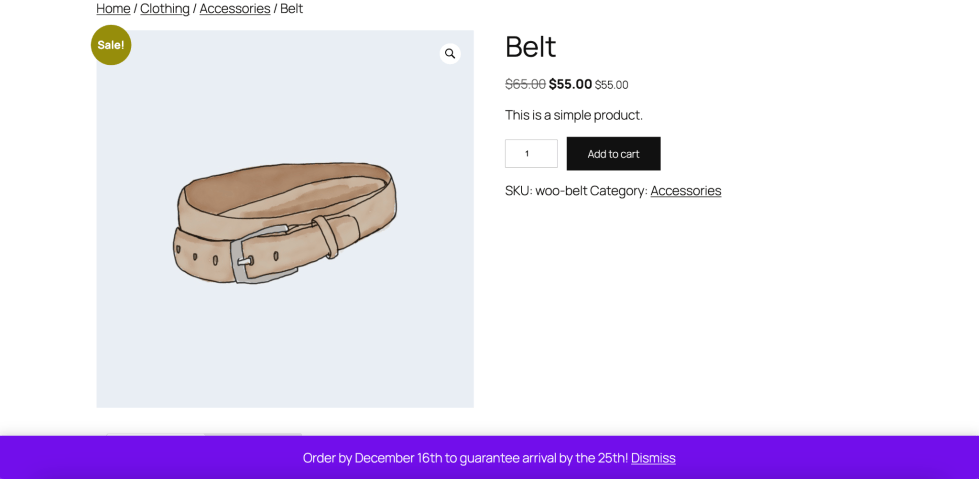
Retailers should conduct a "post-mortem" analysis of the previous year’s holiday performance. By pulling shipping records from the busiest week of 2025, merchants can calculate the actual time elapsed between order placement and the initial carrier scan. This data-driven approach allows for the creation of tiered shipping deadlines. For instance, high-volume, standardized products can follow a general cutoff, while customized or made-to-order items require a significantly earlier "order-by" date. Displaying these specific, product-level deadlines clearly on individual product pages is essential for preventing pre-purchase anxiety.
Managing Costs Amidst Seasonal Surcharges
The financial landscape of shipping is equally complex. During the peak season, carriers implement temporary price increases—often termed "demand surcharges"—to manage the influx of packages. These surcharges for services like USPS Ground Advantage and FedEx’s various ground offerings directly impact the thin margins of e-commerce businesses.
Retailers face a three-pronged decision when managing these costs:
- Absorption: The retailer pays the additional surcharge, protecting the customer price but reducing profit margins.
- Dynamic Pricing: The store adjusts its flat-rate shipping fees to reflect the temporary surge in carrier costs.
- Threshold Adjustment: The merchant increases the minimum order value required to qualify for free shipping, effectively incentivizing larger basket sizes to offset the cost of logistics.
Regardless of the strategy, transparency is paramount. If shipping is free, it must be clear whether that applies to all items or only to standard shipping methods. Tools such as WooCommerce’s Shipping Zones or the integration of live carrier rate calculators, like the USPS Shipping Method extension, allow retailers to provide real-time, accurate costs to the consumer at checkout, preventing "sticker shock" when the customer reaches the final payment stage.
The Criticality of Communication and Transparency
The relationship between the merchant and the buyer continues well after the payment is processed. The current standard for excellence is the provision of granular, real-time tracking information. However, retailers must be careful with their terminology.
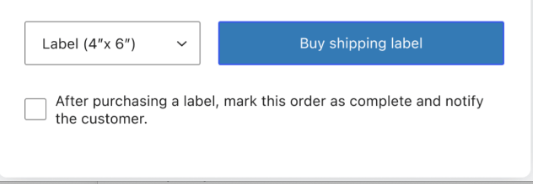
Marking an order as "shipped" the moment a label is printed can be misleading if the package remains in the warehouse awaiting carrier pickup. Best practices dictate using accurate status updates: "Order Received," "In Production," "Packed and Awaiting Pickup," and "With Carrier." Utilizing automated notifications—often managed through integrations like ShipStation—ensures that the customer receives a tracking number as soon as the carrier has scanned the package.
Should a delay occur, proactive communication is the best damage-mitigation strategy. Reaching out to a customer via email or text to explain a delay, provide an updated arrival estimate, and offer a point of contact for support can transform a potential failure into a demonstration of high-quality customer service.
Global Considerations: Tariffs and International Logistics
For businesses with an international customer base, the complexity of shipping increases exponentially. Beyond the physical transit times, retailers must account for customs clearance, which can vary wildly by destination country.
Merchants must familiarize themselves with the International Trade Administration’s resources regarding tariffs and duties. Failure to communicate who is responsible for these fees—the buyer or the seller—often leads to packages being held at customs, resulting in customer frustration and expensive "return-to-sender" logistics. Solutions that allow for the prepayment of duties and taxes at the point of sale are highly recommended, as they provide a seamless, predictable experience for the international shopper.
A Final Audit: The Path to Delivery
Before the onset of Black Friday and Cyber Week, store owners should perform a comprehensive "shipping audit." This involves placing test orders as if they were actual customers, using different items and shipping addresses to ensure the system behaves as intended.
The audit should verify:
- Visibility: Are shipping deadlines clearly visible on the homepage and product pages?
- Accuracy: Do the shipping options presented at checkout match the carrier’s current holiday capabilities?
- Clarity: Is the distinction between "processing time" and "transit time" obvious to the buyer?
- Return Policy: Is the return window clearly defined, especially for early holiday purchases?
By treating shipping as a core component of the brand experience rather than a mere operational necessity, retailers can build the trust necessary to thrive in a crowded marketplace. The 2026 holiday season will undoubtedly reward those who prioritize clear communication, realistic planning, and a deep respect for the consumer’s time. With the proper infrastructure and a focus on transparency, merchants can ensure that their holiday promises are not just made, but reliably kept.
Related posts: