Beyond the Happy Hour: The Corporate Shift Away from Alcohol-Centric Team Building

The traditional corporate happy hour, long considered a staple of office culture and team bonding, is undergoing a profound transformation. What was once viewed as an unquestioned method for fostering camaraderie is increasingly being recognized as an exclusionary practice that alienates significant segments of the modern workforce. Driving this evolution are shifting generational preferences, a heightened corporate focus on employee wellness, and a growing recognition of the psychological and social hazards associated with alcohol-fueled professional events.
The Anatomy of Workplace Drinking Pressure
For many professionals, the boundary between professional obligations and personal comfort is tested most severely during company offsites and quarterly retreats. Anecdotal accounts from corporate settings frequently highlight instances where employees are subjected to intense peer pressure or direct managerial coercion to consume alcohol. Such environments often mirror collegiate social dynamics rather than professional gatherings, placing dissenting employees in compromising positions.
The psychological toll of these interactions can be substantial. Employees who choose not to drink for personal, religious, health, or philosophical reasons routinely report feeling marginalized or professionally vulnerable. To navigate these situations, a significant number of workers resort to subterfuge—such as carrying non-alcoholic beverages disguised to look like cocktails—solely to deflect scrutiny and avoid confrontation with leadership. This dynamic not only fails to build authentic team cohesion but often engenders resentment, disengagement, and increased absenteeism from company-sponsored events.
Statistical Realities and Workforce Demographics
Empirical data underscores the disconnect between traditional corporate event planning and employee preferences. According to research from the HR Daily Advisor, approximately 33 percent of employees prefer not to consume alcohol at work-related events. Furthermore, roughly 15 percent report feeling a direct sense of obligation to drink, leading them to consume wine, beer, or liquor against their personal preferences to fit in socially or meet perceived cultural expectations.
This demographic shift is heavily influenced by younger generations entering the workforce, particularly Millennials and Generation Z, who statistically consume less alcohol than their predecessors and prioritize holistic health, mental clarity, and inclusivity. When corporate leadership relies exclusively on bars, breweries, and cocktail receptions for team building, they inadvertently alienate up to a third of their staff. Consequently, organizations are forced to reevaluate the ROI of traditional social events, weighing the risk of alienating sober or health-conscious employees against the diminishing returns of alcohol-centric networking.
The Rise of Well-being Hours as the New Corporate Standard
In response to changing employee expectations, corporate wellness platforms and human resources departments are championing a new paradigm: the "wellness hour." Data compiled by corporate wellness provider Wellhub indicates a global shift in scheduling habits, identifying Tuesday evenings as a peak time for organized wellness activities rather than traditional post-work drinking sessions.
Business leaders are increasingly recognizing that physical movement, mental recovery, and health-focused initiatives serve as more effective catalysts for team cohesion than happy hours. Rather than gathering in overcrowded bars, modern teams are opting for group fitness classes, structured running clubs, guided yoga sessions, and neighborhood walking tours during team offsites. These activities eliminate the social friction caused by alcohol, allowing employees of all physical abilities and lifestyle choices to participate fully on equal footing.
The Resurgence of Professional Book Clubs
Another prominent trend reshaping workplace culture is the revitalization of corporate book clubs. Driven by a broader cultural resurgence in reading—evidenced by platform data showing significant growth in book club participation—organizations are leveraging literature as a tool for continuous learning and team bonding.
Management experts note that book clubs address a fundamental challenge faced by modern leadership: how to maintain intellectual engagement and curiosity within remote, hybrid, or in-office teams. By organizing around professional development or leadership texts, teams replace superficial interactions with substantive discussions. This shift moves the focal point of team conversations from recreational consumption to shared intellectual curiosity, fostering deeper interpersonal connections and establishing a culture rooted in continuous improvement rather than leisure-time socializing.
Cultivating Community Through Shared Impact
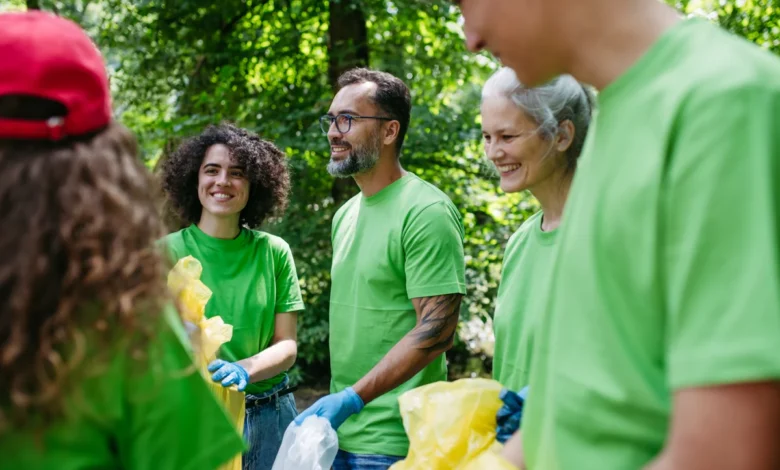
Beyond fitness and education, organizations are increasingly turning to structured corporate philanthropy and volunteerism as primary vehicles for team building. Collaborative initiatives involving established non-profit entities—such as community food banks, youth mentorship organizations, and housing assistance programs—offer teams a unified purpose outside of standard key performance indicators (KPIs) and quarterly goals.
Participating in volunteer work allows colleagues to observe one another in novel environments, revealing interpersonal strengths, empathy, and collaborative capabilities that rarely surface in traditional office settings. Furthermore, recurring philanthropic engagements establish a positive corporate identity, reinforcing employee pride and psychological safety. Unlike mandatory social drinking, community service provides an inclusive environment where every team member can contribute meaningfully, regardless of background or personal preferences.
Broader Implications for Workplace Culture
The systemic pivot away from alcohol-centric environments reflects a broader maturation of corporate culture. Modern human resources strategies increasingly emphasize psychological safety, inclusivity, and holistic employee well-being. When organizations decouple socializing from alcohol, they signal to their workforce that inclusion is a foundational value rather than an afterthought.
Ultimately, the sustainability of a workplace culture is measured by its ability to foster genuine connections among diverse teams. As data continues to support the efficacy of wellness initiatives, educational forums, and community impact projects, the traditional happy hour is yielding ground to more intentional, health-conscious, and universally accessible methods of team engagement. Organizations that successfully navigate this transition are better positioned to retain talent, boost morale, and build resilient, cohesive teams equipped for the demands of the modern professional landscape.
Related posts: