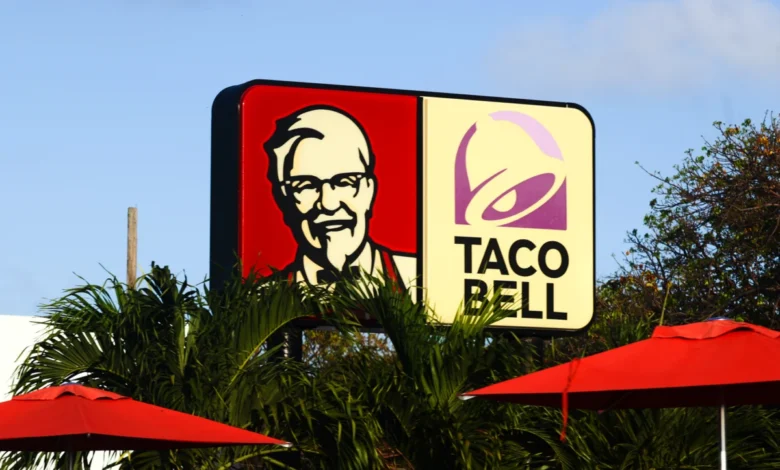
Residents and visitors across Puerto Rico craving a bucket of Original Recipe chicken or a late-night Taco Bell Crunchwrap will have to put their fast-food appetites on hold indefinitely. In an abrupt operational disruption that has left communities island-wide without two of the most ubiquitous quick-service restaurant chains, parent company Yum! Brands has completely severed ties with Encanto Restaurants, the local franchise operator that managed the regional networks for decades.
The sweeping termination order resulted in the immediate, temporary shuttering of every single KFC and Taco Bell restaurant operating under the Encanto banner throughout the commonwealth. The sudden closures have sent ripples through the local retail landscape, impacting thousands of daily consumers, disrupting regional supply chains, and casting a cloud of uncertainty over the livelihoods of numerous local employees who suddenly found their workplaces shuttered with little to no advanced warning.
The Breakdown of a Decades-Long Partnership
According to statements released by Yum! Brands—the multinational conglomerate that also oversees Pizza Hut and The Habit Burger Grill—the decision to sever ties with Encanto Restaurants was difficult, albeit necessary. Corporate leadership asserted that the local franchisee could no longer operate the establishments in a manner that met the rigorous operational, quality, and brand standards mandated by the global corporation.
While Yum! Brands has remained tight-lipped regarding the specific operational failures or contractual breaches that triggered the nuclear option of a complete franchise revocation, corporate representatives emphasized that maintaining brand integrity across international and territorial markets is paramount.
Encanto Restaurants, an entity with deep and historical commercial roots in the Puerto Rican market, did not immediately respond to multiple requests for comment from international and local media outlets regarding the sudden termination. The silence from the longtime operator has left industry analysts and local stakeholders to speculate on the underlying financial, logistical, or management breakdowns that precipitated the dramatic collapse of the partnership.
A Rich Historical Footprint on the Island
The dissolution of the relationship between Yum! Brands and Encanto marks the abrupt end of an era that stretches back more than half a century. The presence of these fast-food giants on the island was not merely a modern commercial convenience; it was woven into the fabric of suburban and urban life in Puerto Rico for generations.
The historical timeline of the partnership highlights the deep integration of these brands into the local economy:
- 1967: The very first Kentucky Fried Chicken (KFC) restaurant opened its doors in Puerto Rico, introducing island residents to American-style quick-service fried chicken and initiating a decades-long culinary footprint.
- 1985: Encanto Restaurants expanded its operational scope by taking over the franchise rights for Taco Bell, introducing Tex-Mex cuisine to a broader demographic across the commonwealth and establishing a dual-brand operational dominance on the island.
- Decades of Expansion: Over the ensuing decades, Encanto scaled the operations, growing the combined footprint to dozens of individual restaurant locations spanning San Juan, Ponce, Mayagüez, and numerous other municipalities, employing thousands of local workers over the years.
- November 2026: Yum! Brands officially terminates its franchise agreement with Encanto Restaurants, resulting in the immediate closure of all active KFC and Taco Bell locations across Puerto Rico.
Corporate Strategy and the Hunt for New Leadership
In the wake of the closures, both Yum! Brands and the individual regional brand divisions have moved quickly to reassure consumers that the absence of their favorite fast-food outlets is intended to be temporary.
In public statements disseminated through social media platforms and official corporate channels, representatives expressed deep regret over the inconvenience caused to local patrons. KFC Puerto Rico posted a reassuring message to its regional Instagram followers, stating, "We hope to be able to serve you again very soon." Concurrently, officials from Yum! Brands noted that the corporate office is working diligently to navigate the logistical hurdles of the transition and is moving as quickly as possible to identify, vet, and onboard a new franchise partner.
Finding a replacement operator capable of managing a portfolio of this magnitude is no small task. Operating dozens of fast-food restaurants simultaneously requires a sophisticated supply chain network, robust human resources infrastructure, substantial capital investment, and deep familiarity with the regulatory, economic, and cultural nuances of the Puerto Rican market.
Industry experts suggest that Yum! Brands may look toward large-scale, multi-unit franchise conglomerates with regional expertise in the Caribbean or Latin America to take over the shuttered portfolio. Alternatively, the corporation could temporarily assume direct management of select corporate-owned assets while structuring a phased handover to new local operators. However, standard corporate restructuring of this scale typically requires weeks, if not months, of complex legal and logistical negotiations before doors can safely reopen to the public.
Economic and Employment Implications
The sudden and total shutdown of two major quick-service restaurant networks carries significant socio-economic ramifications for Puerto Rico. The quick-service restaurant (QSR) sector is a major employer on the island, providing thousands of entry-level jobs, flexible hours for students, and mid-level management opportunities for local workers.
While neither Yum! Brands nor Encanto Restaurants has released comprehensive data regarding the immediate impact on the workforce, industry standards indicate that dozens of storefronts closing overnight affects a workforce numbering in the hundreds, if not thousands. Employees arriving for shifts were reportedly greeted with locked doors and notices regarding the termination of operations, leaving many scrambling for answers regarding backpay, severance, and their immediate employment status.
Local labor advocates and business analysts have expressed concern over the lack of a transitional grace period, which could have mitigated the sudden financial shock to the workforce. In a territory that has navigated complex economic headwinds, infrastructural challenges, and labor market fluctuations over the past decade, the abrupt loss of employment in the retail sector compounds the stress faced by working families.
Furthermore, the closures create a ripple effect for local suppliers, distributors, and service providers who relied on daily commerce with KFC and Taco Bell locations. From poultry suppliers and agricultural producers to logistics companies, waste management services, and commercial real estate lessors, the sudden cessation of business operations halts revenue streams that sustain the broader local supply chain ecosystem.
Broader Market Context and Consumer Reactions
The temporary void left by the absence of KFC and Taco Bell has created an unusual vacuum in the Puerto Rican fast-food market. Consumers accustomed to convenient, standardized dining options have taken to social media to voice their surprise, frustration, and nostalgia.
For many residents, these restaurants represented more than just corporate fast food—they were familiar gathering spaces for families, convenient meal stops during long commutes, and reliable late-night dining options. The sudden inability to access these brands highlights the vulnerability of regional franchise models to corporate disputes at the highest executive levels.
From a broader retail strategy perspective, the situation underscores the delicate balance multinational parent companies must maintain when overseeing overseas or territorial franchises. While maintaining strict adherence to global brand standards is essential for corporate equity, sudden enforcement actions—such as pulling a franchise license entirely without an immediate transition plan in place—can temporarily damage local brand equity and consumer goodwill.
Path Forward: What Consumers Can Expect
As Yum! Brands presses forward with its search for a qualified successor to Encanto Restaurants, consumers in San Juan and beyond must exercise patience. Restoring a large-scale fast-food infrastructure involves far more than simply unlocking doors. A new operator will need to conduct structural and operational assessments of each location, audit inventory and equipment, rehire and retrain service personnel, and re-establish local supply chain contracts.
Corporate officials have reiterated their commitment to the Puerto Rican market, signaling that the exit of Encanto is a strategic realignment rather than a permanent abandonment of the territory. The immense historical popularity of both KFC and Taco Bell on the island ensures that substantial commercial demand remains waiting in the wings.
Until new franchise agreements are finalized and physical storefronts pass corporate compliance inspections, the lights will remain off at the drive-thrus across the commonwealth. For now, the definitive timeline for the grand reopening of Puerto Rico’s KFC and Taco Bell network remains tightly guarded by corporate headquarters, leaving residents and industry observers watching closely for the next development in this unfolding corporate saga.