United Airlines Bans AI Booking Agents in Strategic Pivot Over Security, Compliance, and Direct Customer Relationships

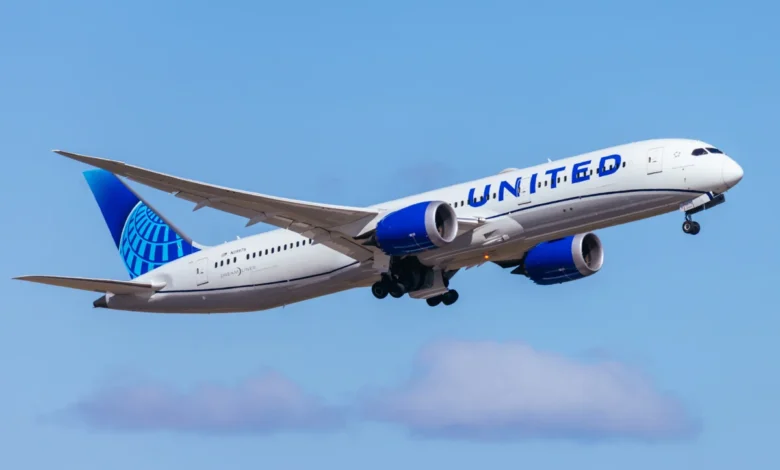
Travelers hoping to leverage artificial intelligence agents to secure holiday flights or manage travel itineraries on United Airlines will have to revert to traditional booking methods. In a decisive move that highlights the mounting friction between legacy carriers and the burgeoning landscape of generative AI technology, United Airlines announced that it will actively block AI agents from completing flight reservations on behalf of customers.
The policy shift, first reported by The Wall Street Journal and confirmed by company leadership, places United at odds with industry competitors and signals a fierce battle over the future of digital commerce, data privacy, and the ownership of customer relationships in the global aviation sector.
The Core Policy: What United is Blocking and Permitting
Under the newly instituted directives spearheaded by United CEO Scott Kirby, AI-driven assistants—such as Meta’s Muse, Dots, and various customized large language model (LLM) agents capable of autonomous web navigation and transaction processing—face strict limitations when interacting with United’s digital infrastructure.
While these virtual agents are still permitted to scrape, browse, and aggregate data from United’s public-facing website to compare flight schedules, analyze pricing tiers, and present itinerary options to end-users, they are barred from executing the final transaction. When a user decides to purchase a ticket identified by an AI assistant, the bot is restricted from entering payment details, finalizing passenger manifests, or issuing confirmation codes. Instead, the consumer is handed off to complete the transaction directly through United’s proprietary website or mobile application.
Airline executives emphasize that while current autonomous booking volumes driven by AI remain relatively low, the pre-emptive ban is designed to establish strict operational boundaries before autonomous agents become the dominant paradigm for consumer web traffic.
Motivations Behind the Ban: Security, Regulation, and Revenue Ownership
United Airlines has anchored its prohibition on three foundational pillars: cyber security vulnerabilities, strict Federal Aviation Administration (FAA) and Transportation Security Administration (TSA) compliance, and the strategic imperative of direct-to-consumer relationships.
1. Data Privacy and Cybersecurity Concerns
In an era marked by sophisticated cyber threats and automated credential-stuffing attacks, legacy booking systems remain prime targets for malicious actors. Airline executives have expressed grave concern over granting third-party AI agents deep, programmatic access to sensitive consumer databases. Allowing automated bots to handle financial data, passport numbers, frequent flyer credentials, and personal identification numbers creates significant attack surfaces. United argues that decentralized AI agents lack standardized security protocols, exposing the airline and its passengers to potential data breaches, unauthorized account takeovers, and fraudulent transactions.
2. Regulatory Compliance and Federal Mandates
Operating a commercial airline involves navigating a labyrinth of federal regulations enforced by agencies like the FAA and TSA. United leadership highlighted a critical operational hurdle: AI agents are fundamentally incapable of legally or operationally certifying federal security mandates. For instance, during the check-in and booking process, passengers must verify compliance with hazardous materials policies, confirm that their luggage does not contain explosive devices, and attest to various federal travel restrictions. Airline legal teams question whether an algorithmic chatbot possesses the legal standing or reliable accountability to make such declarations on behalf of a human traveler.
3. Preserving the Direct Customer Relationship
Perhaps the most powerful driver behind the policy is commercial sovereignty. Airlines have spent decades attempting to bypass third-party online travel agencies (OTAs) and global distribution systems (GDS) to secure direct relationships with travelers. Direct bookings allow airlines to upsell ancillary services—such as seat selections, priority boarding, baggage packages, and lounge access—while collecting valuable first-party data.
CEO Scott Kirby and his management team view AI agents as modern intermediaries. If an AI assistant acts as a perpetual gatekeeper between the traveler and the airline, the carrier risks losing direct communication channels, loyalty program engagement, and the ability to personalize marketing efforts. By shutting the door on autonomous bookings, United is aggressively defending its digital real estate and attempting to retain absolute ownership of the customer journey.
Industry Divergence: How Competitors Are Responding
United’s hardline stance creates a striking divergence within the United States airline industry, highlighting differing philosophies on how legacy carriers should adapt to the artificial intelligence revolution.
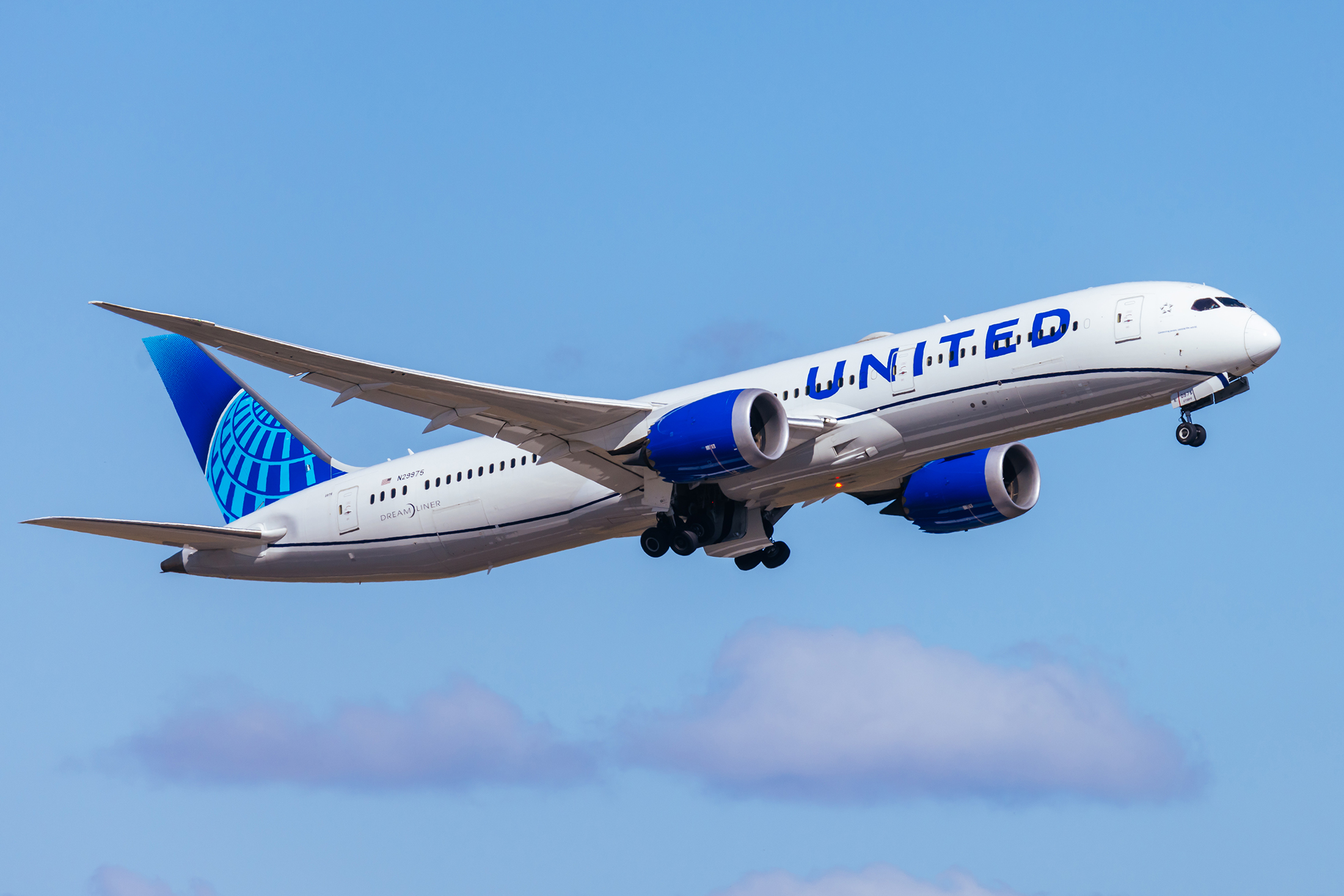
While United has slammed the door shut on autonomous transaction execution, rival legacy carriers Delta Air Lines and American Airlines have signaled a more permissive, albeit cautious, approach. Both Delta and American have indicated that they are exploring frameworks to allow authenticated AI agents to book flights under specific, controlled circumstances.
Industry analysts note that this fragmentation could complicate the consumer experience. If travelers increasingly rely on unified AI assistants to manage their entire digital lives—organizing hotels, rental cars, and flights in a single prompt—discrepancies between carrier policies may frustrate users who expect a seamless, automated end-to-end booking process.
Delta and American appear more willing to experiment with application programming interfaces (APIs) and secure protocols that safely integrate AI agents into their sales pipelines. Conversely, United is betting that consumer loyalty to its brand and loyalty program is strong enough to force travelers to open a United tab rather than relying entirely on a third-party digital assistant.
The Broader Economic and Technological Implications
The standoff between United Airlines and AI developers represents a critical watershed moment for the intersection of artificial intelligence and e-commerce. As generative AI transitions from text generation and content creation to autonomous "action-taking"—where agents browse the web, click buttons, and execute purchases using user-authenticated credentials—every consumer-facing industry is forced to redefine its digital boundaries.
The Rise of Autonomous Agents
Throughout 2024, 2025, and into 2026, technology giants have heavily promoted autonomous agents designed to eliminate digital friction. Tools like Meta’s Muse and specialized productivity bots are engineered to "own the moment before the purchase," scanning vast troves of data to optimize consumer spending. In retail, hospitality, and entertainment, these agents have largely been welcomed as a new channel for customer acquisition.
However, heavily regulated industries with complex inventory systems, dynamic pricing algorithms, and strict federal oversight are pushing back. The aviation sector, characterized by legacy infrastructure, ancillary revenue models, and intense security oversight, is uniquely ill-equipped to absorb the operational chaos of unchecked automated web-scraping and transaction bots.
Legal and Structural Battles Ahead
Legal experts suggest that United’s policy may spark broader debates regarding terms of service, website access rights, and antitrust considerations. As bots become more sophisticated at mimicking human behavior, drawing a legal and technical line between a browser-based web scraper and an autonomous AI agent becomes increasingly difficult.
Websites have historically relied on "robots.txt" files and Terms of Service agreements to restrict automated bots. However, modern AI agents utilize advanced computer vision and natural language processing to interact with websites exactly as a human user would, rendering traditional bot-detection mechanisms less effective. United’s decision to ban them at the point of purchase may force technology platforms to develop standardized, authenticated agent-to-business (A2B) protocols that ensure security and accountability without resorting to outright bans.
Chronology of Digital Integration in Aviation
To understand the weight of United’s decision, it is helpful to examine the digital evolution of airline distribution:
- Early 2000s: The rise of online travel agencies (OTAs) like Expedia and Travelocity forces airlines to share inventory, creating the first major disintermediation battle over customer relationships.
- 2010s: Airlines launch aggressive "Direct Connect" and "Book Direct" marketing campaigns, introducing ancillary fees and reserving their best promotional pricing for customers who purchase directly through airline websites.
- 2022–2024: The explosion of generative AI introduces natural language interfaces, allowing consumers to query complex travel itineraries using conversational prompts rather than traditional search filters.
- 2025: Tech companies roll out advanced autonomous agents (such as Meta’s Muse) capable of executing web-based actions, logging into user accounts, and making financial transactions on behalf of individuals.
- November 2026: Citing security, regulatory compliance, and customer relationship ownership, United Airlines formally institutes a ban on AI agents completing flight bookings, setting itself apart from competitors like Delta and American.
Conclusion: Navigating the Future of Air Travel
As the holiday travel season approaches, United Airlines’ bold policy stance serves as a clear signal that the integration of artificial intelligence into daily commerce will not be frictionless.
By prioritizing direct engagement, cybersecurity fortifications, and strict adherence to federal safety protocols, United is attempting to chart a conservative course in a rapidly accelerating technological landscape. Whether other heavily regulated industries will follow United’s lead or embrace the efficiency of autonomous agents remains one of the defining business questions of the mid-2020s. For now, passengers eager to fly United will simply have to navigate the digital skies themselves.