Buffer Launches AI-Powered Insights Analytics to Bridge Gap Between Creativity and Data for Social Media Professionals

Social media management platform Buffer has announced the launch of Insights, a comprehensive reimagining of its analytics suite designed to provide actionable intelligence for creators, small businesses, and marketing agencies. Rebuilt from the ground up, the new tool aims to address a long-standing dichotomy in the digital marketing industry: the choice between overly simplistic free tools and prohibitively expensive enterprise-grade platforms. By integrating artificial intelligence and opening its data architecture, Buffer is positioning itself as a central hub for what it describes as "data-informed" rather than "data-driven" content strategies.
The Strategic Shift Toward Data-Informed Marketing
The launch of Insights comes at a pivotal moment for the social media landscape. As organic reach continues to fluctuate across platforms like Instagram, LinkedIn, and X (formerly Twitter), marketers are increasingly pressured to justify their creative decisions with hard numbers. However, the philosophy behind Buffer’s new tool suggests that data should serve as a compass for creativity rather than a replacement for it.
The distinction between being "data-driven" and "data-informed" is central to this release. In a data-driven model, decisions are often automated based on historical performance, which can lead to repetitive content and a lack of brand personality. In contrast, the data-informed approach promoted by Buffer uses analytics to identify patterns—such as which topics resonate or what times audiences are most active—while leaving the final creative execution to the human marketer. This approach acknowledges that while data can predict trends, it cannot replicate the originality and emotional resonance required to stand out in a saturated digital environment.
Core Features and Technical Innovation
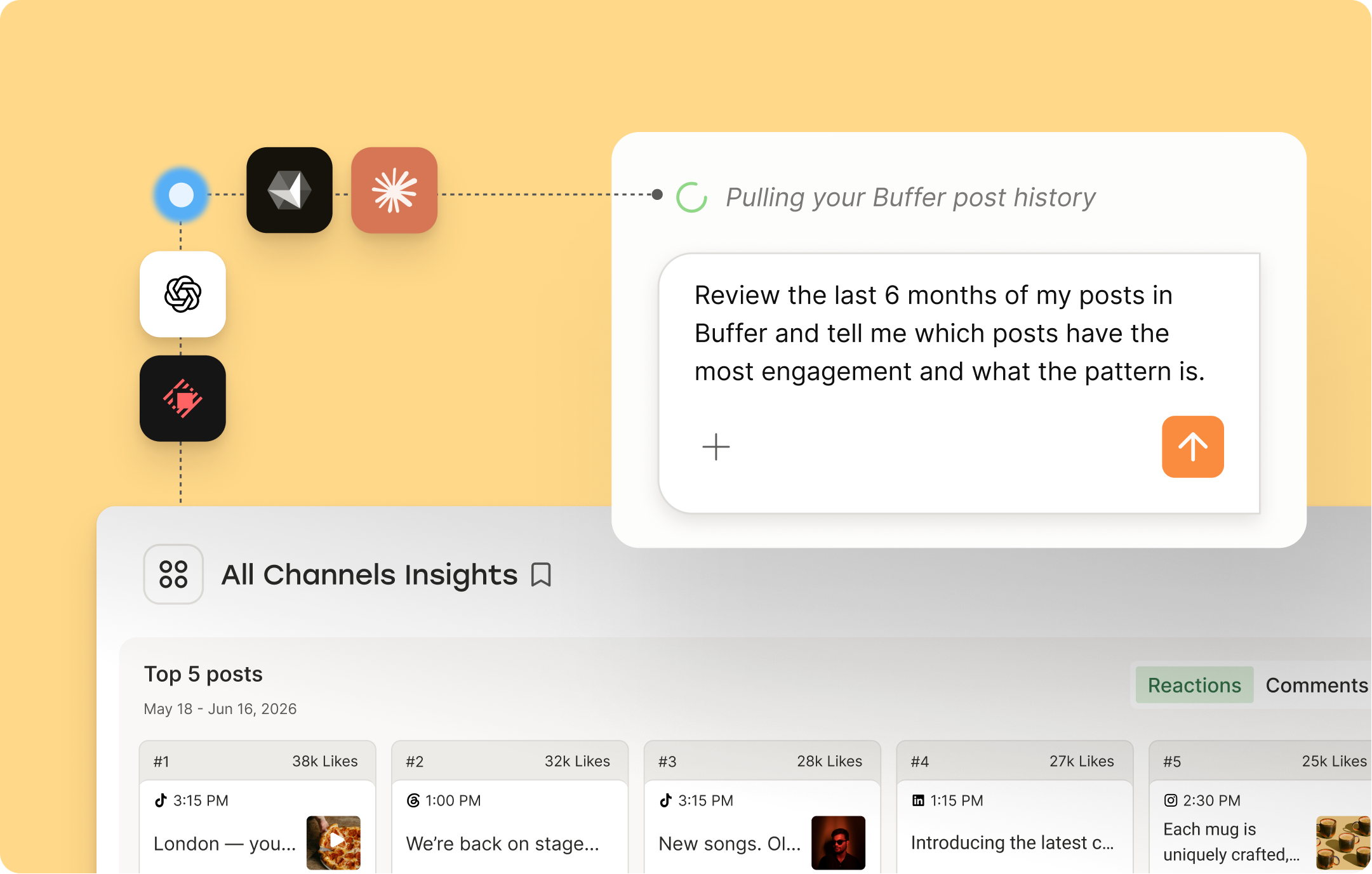
The Insights platform introduces several key functionalities aimed at streamlining the workflow of social media professionals. One of the most significant technical advancements is the integration of a public API and a Model Context Protocol (MCP) server. This move represents a shift toward data portability, allowing users to move their social media metrics out of the Buffer dashboard and into their own proprietary reports, spreadsheets, or third-party tools.
The inclusion of an MCP server is particularly noteworthy for the developer community and firms utilizing "AI agents." By allowing these agents to query social media data directly, organizations can automate the heavy lifting of data synthesis. For example, an AI agent could be tasked with analyzing three months of engagement data across five different platforms to generate a plain-language summary of performance trends, a task that previously required hours of manual spreadsheet manipulation.
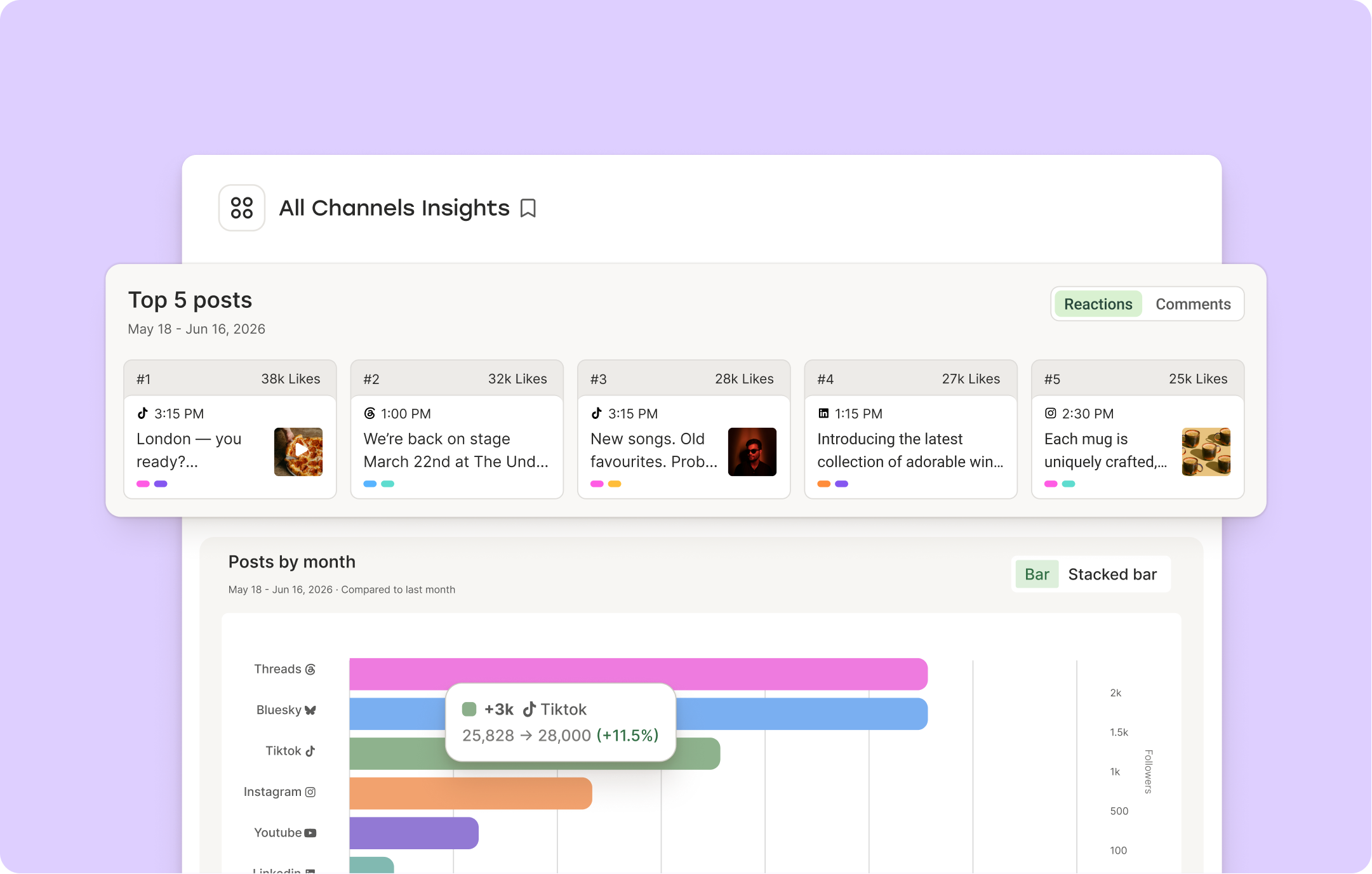
Furthermore, the platform features "background AI," which operates quietly to analyze channel performance. Unlike generative AI tools that focus on creating content, this analytical AI identifies what is already working within a specific channel and suggests strategic pivots. This is intended to elevate existing content strategies by highlighting high-performing themes that might otherwise be overlooked in raw data sets.
Market Positioning and the Democratization of Data
Buffer’s decision to offer a robust version of Insights on its free plan is a strategic move to capture a larger share of the creator economy. For years, the social media management software (SMMS) market has been bifurcated. On one end, platforms like Hootsuite and Sprout Social offer deep analytical capabilities but often at price points that are inaccessible to solo creators or boutique agencies. On the other end, free native analytics provided by platforms like Meta or LinkedIn are often siloed, making cross-channel comparison difficult.
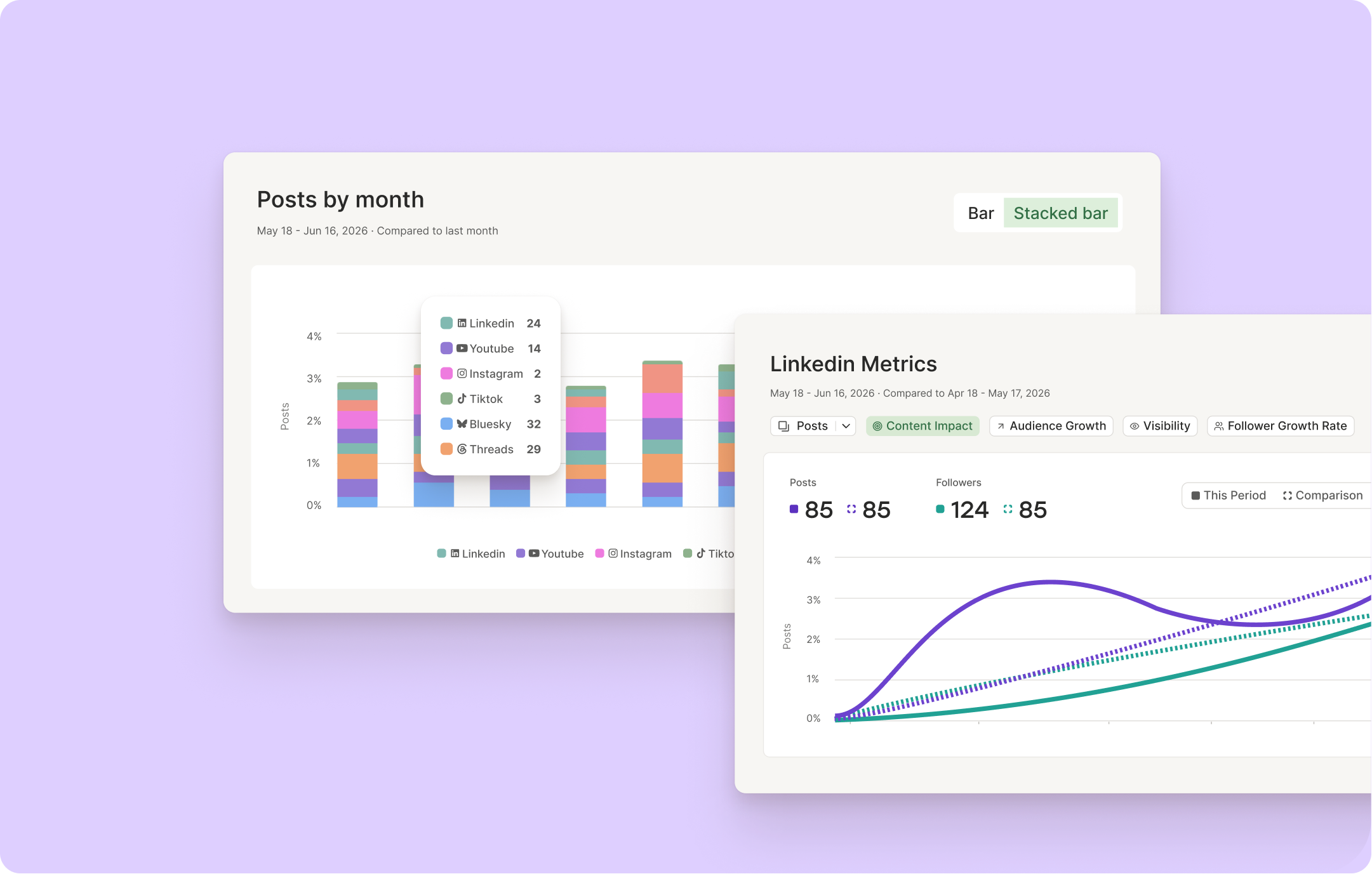
By providing powerful, actionable insights for free, with deeper reporting available on paid tiers, Buffer is attempting to democratize professional-grade analytics. This tiered approach is designed to scale with the user, from a solo creator managing a single Instagram account to a large agency managing dozens of client brands. The inclusion of cross-channel comparisons allows users to see, for instance, how a video performed on LinkedIn versus X, providing a holistic view of a brand’s digital footprint.
A Chronology of Analytical Development at Buffer
The release of Insights is the culmination of a multi-year development cycle. To understand the significance of this launch, it is necessary to look at the evolution of Buffer’s analytical offerings:
- 2010–2015: Buffer establishes itself primarily as a scheduling tool ("Buffer Publish"). Analytics are basic, focusing on individual post likes and retweets.
- 2019: The company launches "Buffer Analyze" as a standalone product. This marked the first serious foray into deep reporting, though it remained separate from the core scheduling functions.
- 2021–2022: Buffer moves toward a unified platform model, integrating publishing, engagement, and analytics into a single interface.
- 2023: The introduction of the Buffer AI Assistant begins the process of integrating machine learning into the user workflow.
- 2024 (Present): The launch of Insights replaces the legacy analytics system. The tool is rebuilt on a new architecture to support the public API and AI-driven pattern recognition.
Institutional Partnerships and Platform Security
A critical component of any third-party social media tool is its relationship with the primary social networks. Buffer has maintained its status as an official partner with Meta (Facebook and Instagram), LinkedIn, X, Pinterest, and TikTok.
In the context of the Insights launch, these partnerships provide two primary benefits. First, they ensure account security. By using official APIs, Buffer avoids "gray-hat" scraping methods that can lead to account shadowbans or permanent suspensions. Second, these partnerships allow Buffer to integrate new platform features—such as Instagram Reels metrics or LinkedIn document post data—as soon as they are made available to developers. This ensures that the data provided to users is both accurate and comprehensive.
Industry Implications and the Future of Social Analytics
The broader implications of Buffer’s Insights launch reflect a shift in the digital marketing industry toward transparency and integration. As marketing stacks become more complex, the ability for different software tools to "talk" to one another via APIs and MCP servers becomes a requirement rather than a luxury.
Industry analysts suggest that the next frontier for social media tools will be "predictive analytics"—the ability not just to report what happened, but to forecast future performance with high degrees of accuracy. By building a foundation of AI-integrated analytics now, Buffer is positioning itself to lead in this space.
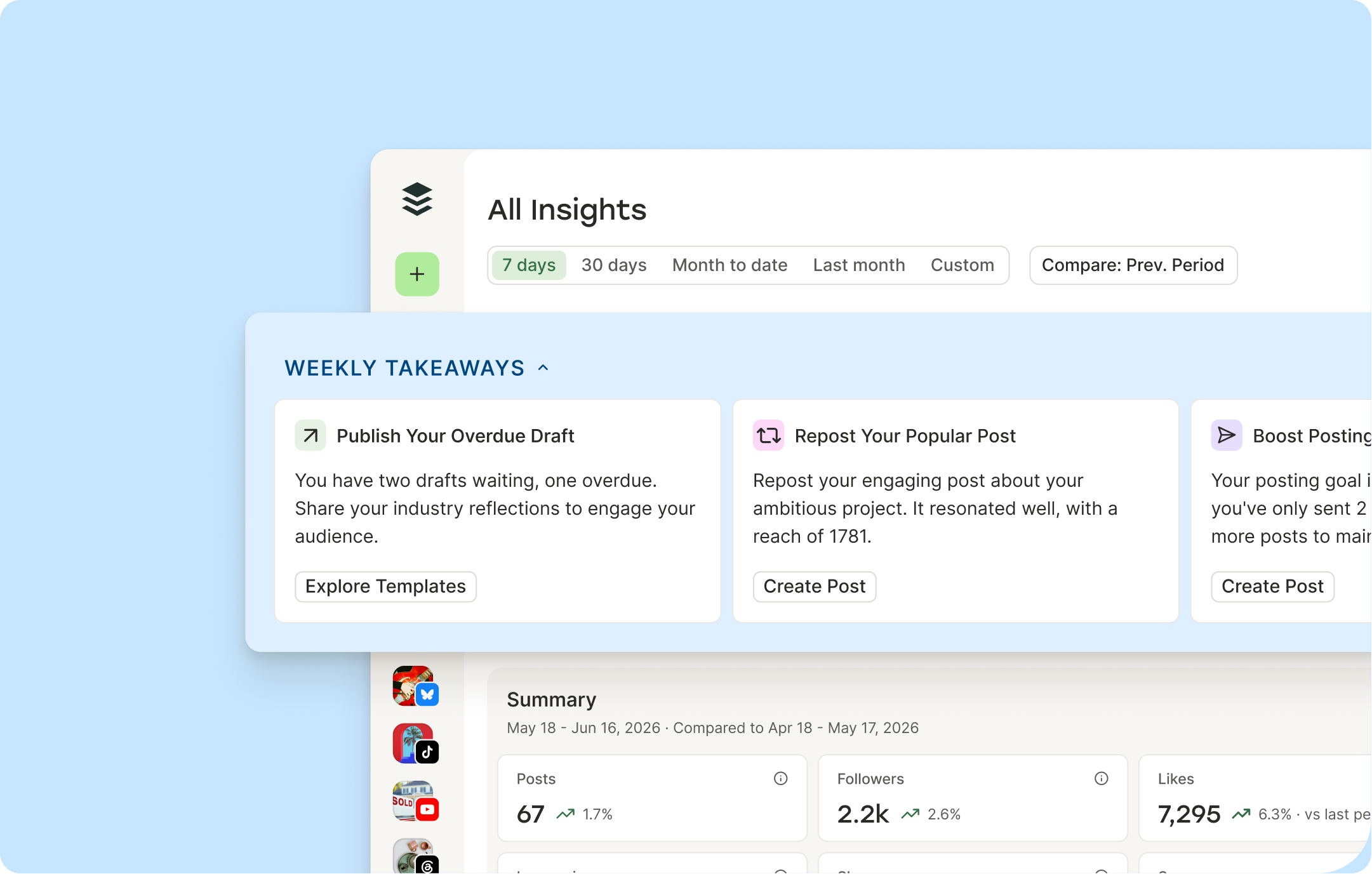
Furthermore, the emphasis on "plain-language takeaways" in the Insights tool highlights a growing trend in SaaS (Software as a Service) design: the reduction of friction. Modern creators often lack the time or training to interpret complex scatter plots or heat maps. By translating those charts into actionable sentences—such as "Your videos perform 30% better when posted on Tuesday mornings"—Buffer is lowering the barrier to entry for professional-level strategy.
Broader Context: The Creator Economy
The launch of these tools is also a response to the explosive growth of the creator economy, which is estimated to be worth over $250 billion. As creators transition from hobbyists to small business owners, their needs evolve from simple content creation to sophisticated business intelligence.
Data from recent industry reports indicates that over 70% of creators cite "algorithm changes" as their biggest challenge. Tools like Insights are designed to mitigate this anxiety by providing clear evidence of what the algorithm is currently favoring for a specific audience. By moving away from "trapped data" behind closed dashboards, Buffer is acknowledging that in the modern era, data is a commodity that users should own and utilize across their entire business ecosystem.
Conclusion and Availability
The launch of Insights represents a significant milestone in Buffer’s history and a notable shift in the social media management tool market. By prioritizing data portability, AI-assisted pattern recognition, and accessibility, the company is addressing the core needs of a diverse user base.
As of today, Insights is live and available to all Buffer users. The free version includes core analytical features and actionable takeaways, while the paid tiers offer advanced reporting capabilities, including the ability to export white-labeled reports for clients. This release sets a new benchmark for how social media platforms can empower users to move beyond guesswork and toward a more sophisticated, data-informed future. For the industry at large, the move underscores a growing reality: in an AI-driven world, the most valuable tools are those that don’t just provide data, but provide the answers to the question of what to do next.