Buffer Unveils Reimagined Social Media Analytics Platform Insights to Empower Data-Informed Content Strategy

Buffer, a pioneer in social media management and scheduling, has officially announced the launch of Insights, a comprehensive redesign of its analytics architecture. The new platform is engineered to transition users from being merely "data-driven" to "data-informed," prioritizing actionable intelligence over raw metrics. By rebuilding its analytics engine from the ground up, Buffer aims to solve a long-standing industry dilemma: the gap between high-level data collection and the creative execution required to maintain engagement in an increasingly saturated digital landscape. The launch marks a significant shift in Buffer’s product roadmap, emphasizing accessibility by offering powerful analytical tools to solo creators, small businesses, and large-scale agencies alike.
The release of Insights comes at a critical juncture for the social media management industry. As platforms like Meta, LinkedIn, and X (formerly Twitter) frequently update their algorithms, marketers have found themselves overwhelmed by "vanity metrics" that provide little guidance on future content strategy. Buffer’s new initiative addresses this by integrating artificial intelligence and open-data accessibility, allowing users to interpret complex datasets through a lens of creative growth rather than just historical reporting.
The Strategic Shift Toward Data-Informed Marketing
For over a decade, the digital marketing industry has operated under the mantra of being "data-driven." However, Buffer’s leadership suggests that this approach often stifles the very originality and creativity required to stand out on social media. The philosophy behind Insights is to provide a "compass rather than a script." This distinction is vital in a market where 200,000+ creators and small businesses rely on Buffer to grow their audiences.
The core problem identified by Buffer during the development of Insights was the polarized nature of existing tools. Smaller creators were often forced to use basic, free tools that provided surface-level data, while larger organizations paid for enterprise-level platforms that were frequently too complex to yield immediate, actionable answers. Insights seeks to bridge this gap by offering a tiered model where sophisticated reporting is available on a free plan, with deeper, more granular options for those on paid tiers.
Technical Infrastructure and the Role of AI
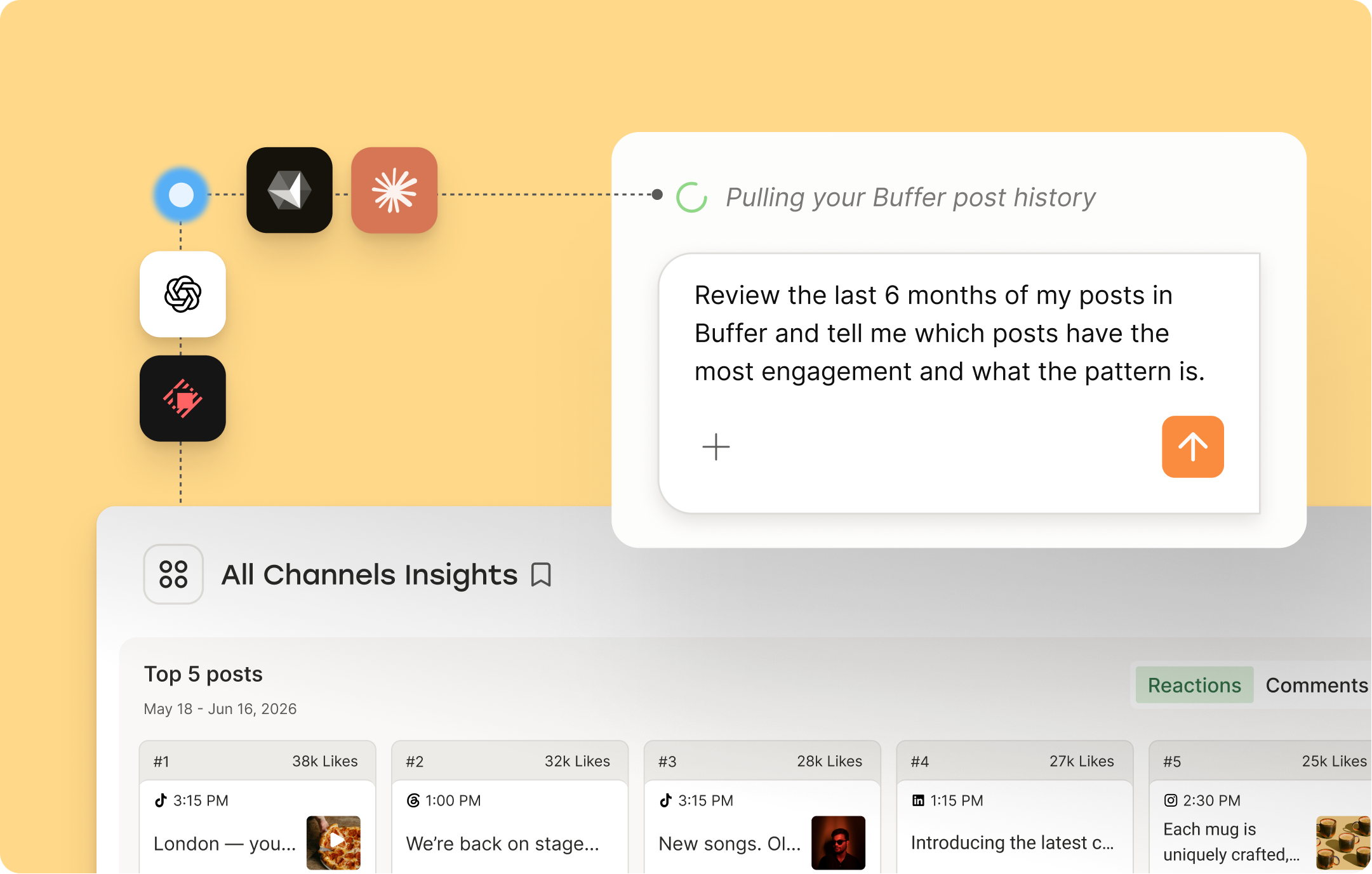
A standout feature of the Insights launch is its integration with the broader technological ecosystem. Unlike traditional closed-loop dashboards, Buffer has designed Insights to work with a user’s entire "stack." This includes the recent launch of a public API and a Model Context Protocol (MCP) server. The inclusion of an MCP server is particularly significant, as it allows users to query their social media data through AI agents and Large Language Models (LLMs).
By making social media performance data accessible via an API, Buffer ensures that numbers are no longer "trapped" behind a proprietary dashboard. Marketers can now pull their data directly into custom internal reports, business intelligence tools, or AI-driven productivity agents. This technical flexibility caters to the modern workflow where data is frequently moved between multiple platforms to inform holistic business decisions.
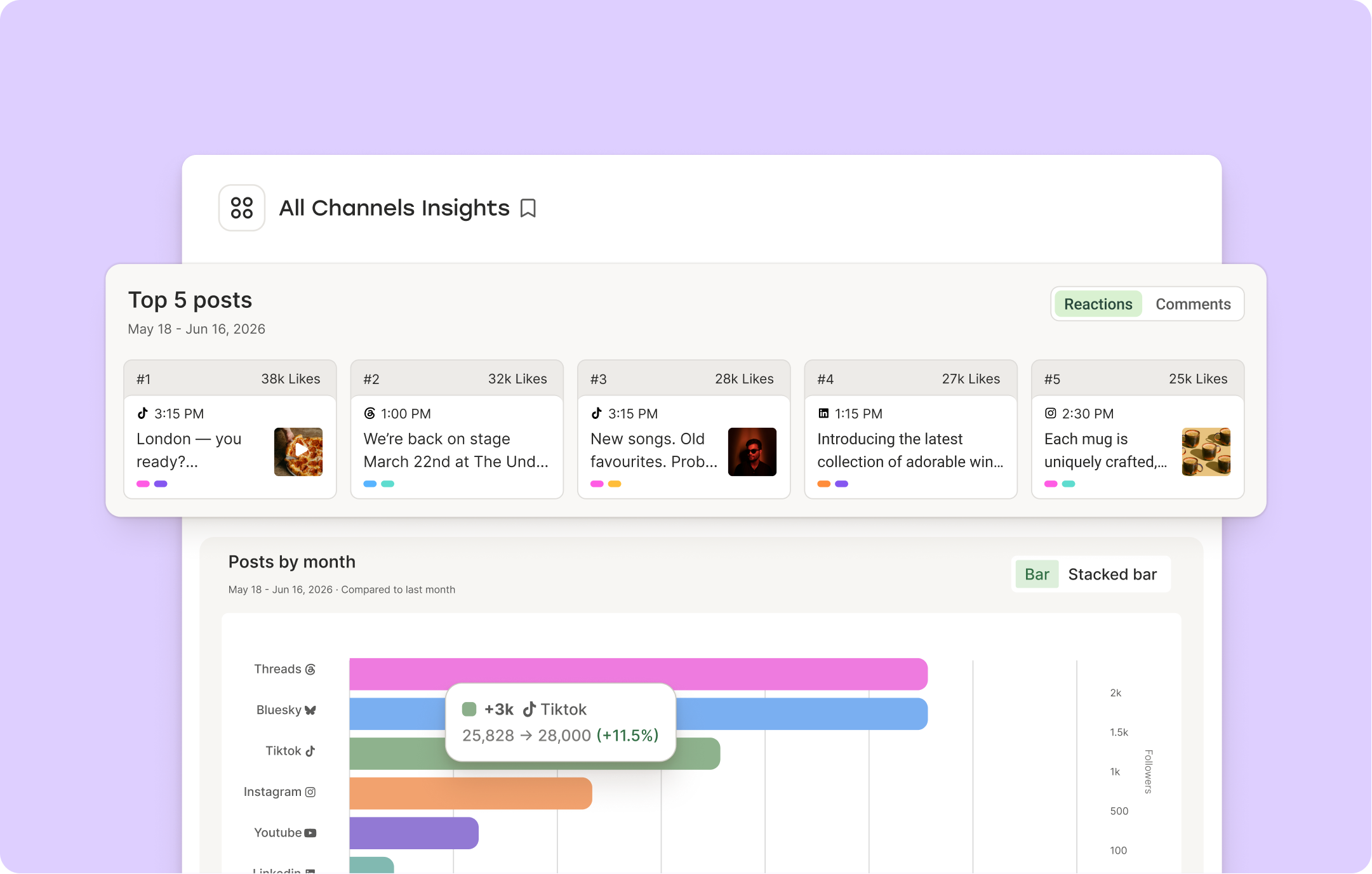
The AI component of Insights operates primarily in the background. Rather than attempting to automate the creative process, the AI analyzes historical performance to identify patterns in what is working across various channels. This "background magic" is intended to point a creator’s creativity in the right direction, suggesting the best times to post, identifying high-performing content themes, and providing plain-language takeaways that simplify the interpretation of complex charts.
Chronology of Development and Market Context
The development of Insights was not a simple update but a total overhaul of the existing Buffer analytics infrastructure. For years, the company had recognized the need to re-imagine how social data was presented and utilized. The process involved a complete "ground-up" rebuild to ensure that the platform could handle the increasing complexity of cross-channel comparisons and the demands of modern API integrations.
- Phase I: Infrastructure Redesign: Buffer moved away from legacy systems to a more agile data architecture capable of supporting real-time queries and external API access.
- Phase II: API and MCP Integration: Recognizing the rise of AI, the team prioritized building an MCP server to allow modern AI tools to interact directly with social metrics.
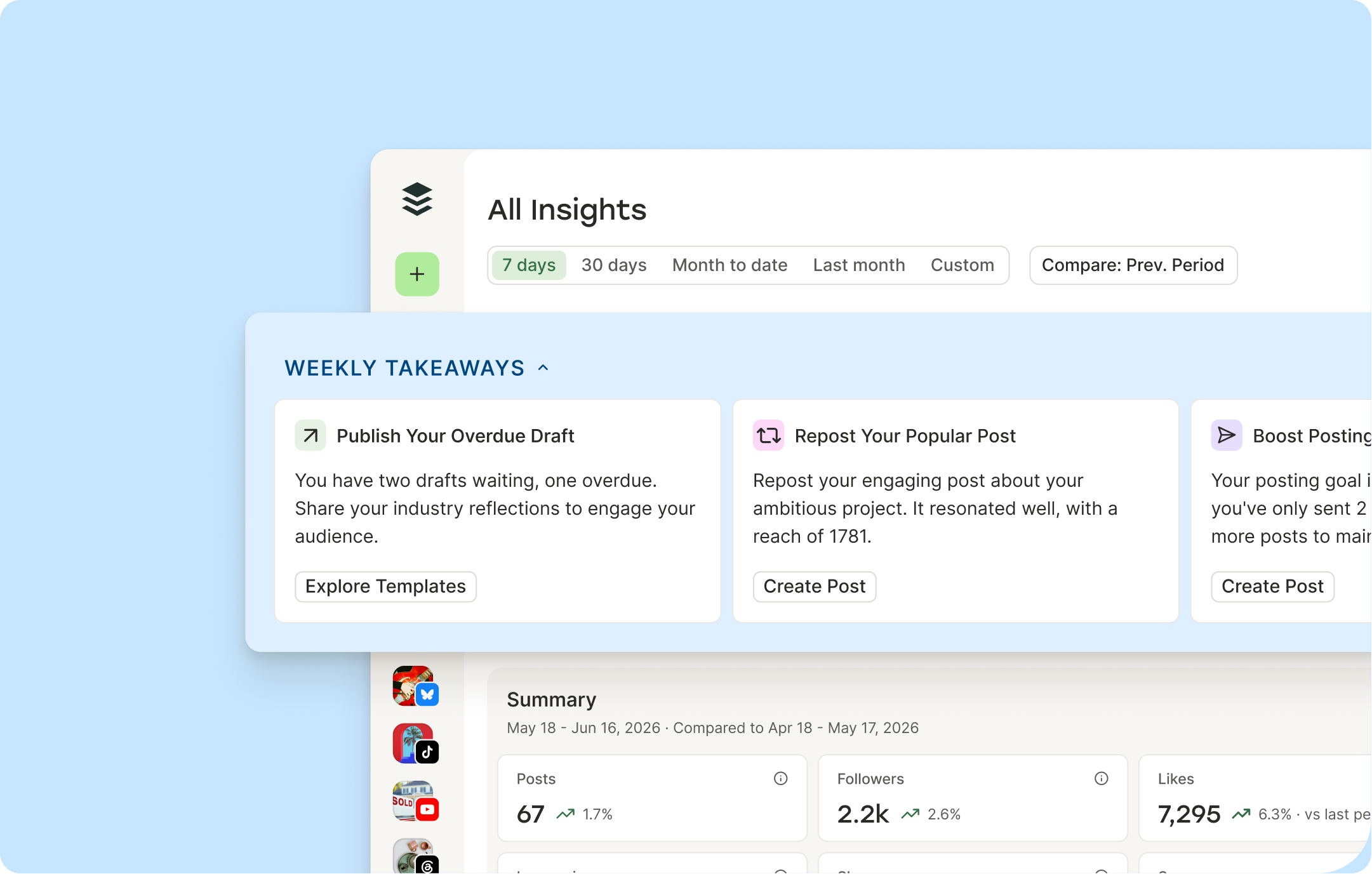
- Phase III: User Interface Overhaul: The dashboard was redesigned to focus on "Takeaways"—short, readable summaries of data that tell a user exactly what their next move should be.
- Phase IV: Official Partner Certification: Buffer worked closely with major social platforms to ensure that the new Insights tool maintained official partner status with Meta, LinkedIn, and X, ensuring data security and early access to new platform features.
The launch of Insights is timed to compete with enterprise giants like Sprout Social and Hootsuite. However, Buffer’s decision to include these powerful tools in its free plan represents a disruptive move aimed at capturing a larger share of the solo creator and small agency market.
Supporting Data and Industry Trends
The move toward more accessible analytics is backed by several industry trends. According to recent market research, the global social media management software market is expected to grow at a compound annual growth rate (CAGR) of over 13% through 2030. A significant portion of this growth is driven by the "Creator Economy," which is now estimated to be worth over $250 billion.
Data from industry surveys indicates that:
- 72% of marketers report that social media data is the primary source of business intelligence within their organizations.
- 65% of small business owners feel that they have access to "too much data" but "too little insight," leading to decision paralysis.
- 88% of consumers prioritize authenticity, making the "data-informed" (rather than data-dictated) approach highly relevant for brands trying to maintain a human touch.
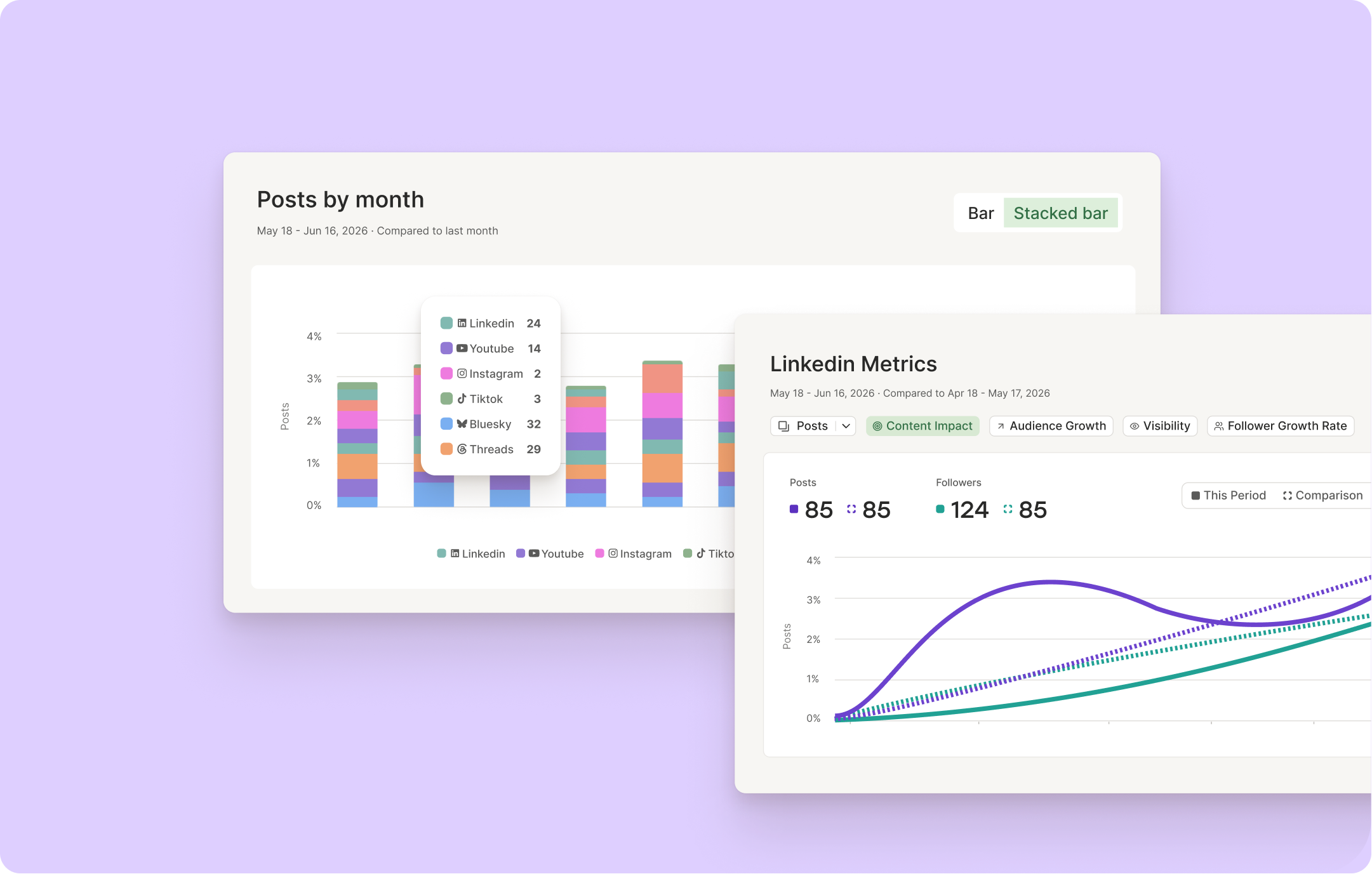
Buffer’s focus on cross-channel comparisons also addresses a major pain point. As platforms like TikTok and Instagram Reels continue to dominate, the ability to compare video performance across different ecosystems in a single view has become a requirement for modern agencies.
Official Partnerships and Data Integrity
A critical aspect of the Insights launch is the assurance of data safety and compliance. Buffer is an official partner to major tech conglomerates, including Meta (Facebook/Instagram), LinkedIn, and X. In the current landscape of digital privacy, these partnerships are more than just badges of honor; they are essential for maintaining the integrity of user accounts.
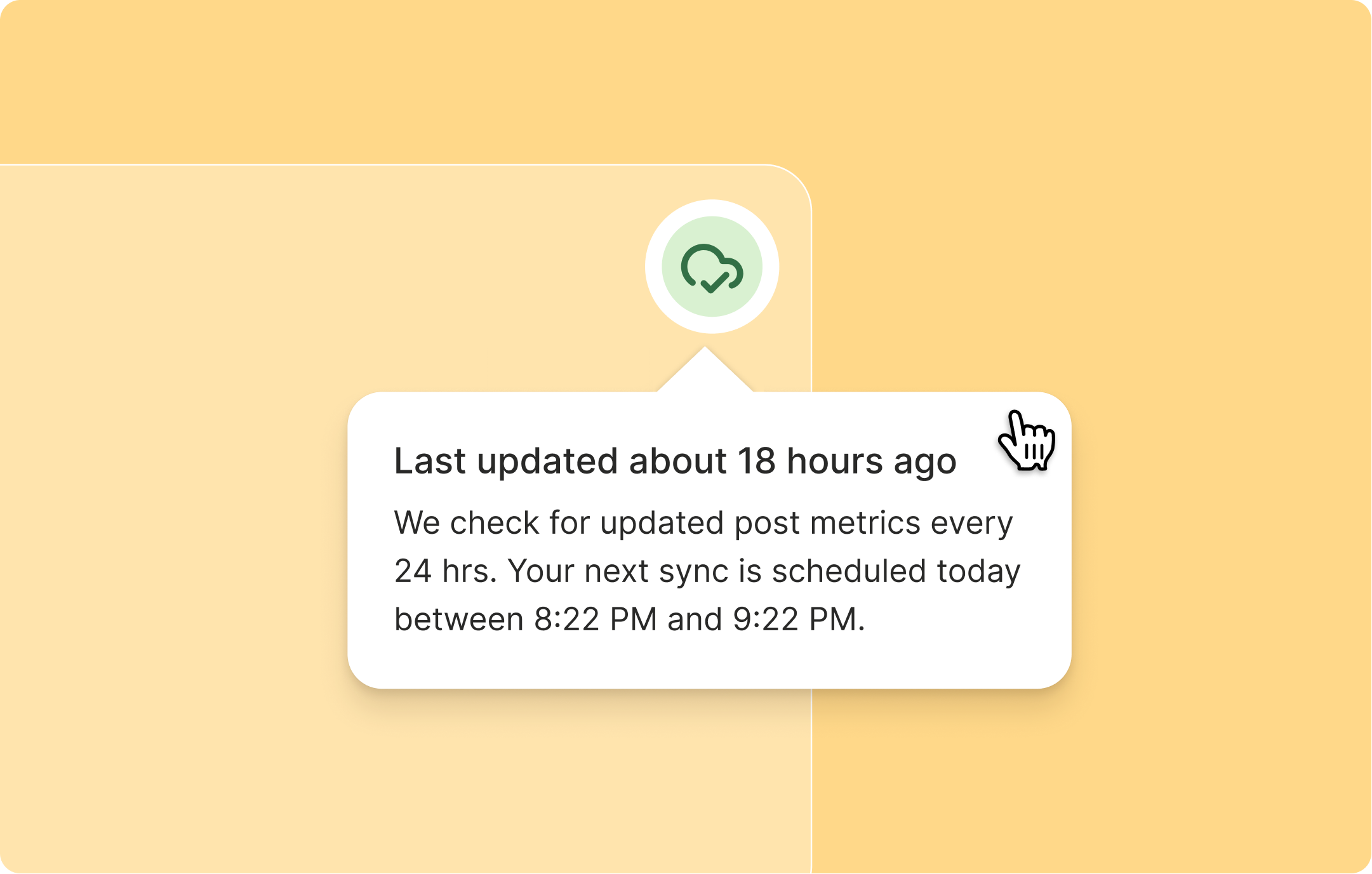
Official partnership status means that Buffer utilizes authorized APIs to fetch data, ensuring that user accounts are never flagged for unauthorized access or "scraping." Furthermore, it guarantees that as social platforms roll out new features—such as new reaction types on LinkedIn or updated ad metrics on Meta—Buffer users receive those updates almost immediately within their Insights dashboard. This level of synchronization is often missing from smaller, third-party analytics tools that do not maintain official developer relationships.
Broader Impact and Implications for the Industry
The launch of Insights is likely to have several ripple effects across the social media management sector. First, it democratizes high-level analytics. By providing "enterprise-grade" insights for free, Buffer is forcing competitors to reconsider their pricing structures and the value they provide at lower tiers.
Second, the integration with AI agents via the MCP server signals a new era of "agentic" marketing. In this future, a marketer might not even visit a dashboard; instead, they might ask an AI assistant, "Which of my posts performed best on LinkedIn last month, and what should I write tomorrow based on that data?" Insights provides the structured data necessary for those AI interactions to be accurate and useful.
For agencies, the implications are equally significant. The ability to generate deeper reporting and cross-channel comparisons allows agencies to demonstrate ROI more effectively to their clients. The "plain-language takeaways" feature reduces the manual labor required to translate complex graphs into client-ready summaries, potentially saving hundreds of billable hours across an organization.
Finally, the emphasis on "next moves" shifts the focus of social media management from the past to the future. Most analytics tools are historical, telling a user what happened yesterday. Insights is designed to be predictive, helping users decide what to do today. This proactive approach is essential for brands looking to maintain a competitive edge in a fast-moving digital environment.
Conclusion and Future Outlook
The launch of Insights represents Buffer’s most significant update to its analytics suite in years. By combining a "data-informed" philosophy with cutting-edge AI integration and an open-API approach, Buffer is positioning itself as more than just a scheduling tool. It is evolving into a central intelligence hub for digital creators and brands.
As social media continues to fragment into niche platforms and specialized content types, the need for a unified, intelligent, and accessible analytics platform will only grow. Buffer’s Insights is now live and available to all users at buffer.com/insights. With over 200,000 active users already on the platform, the transition to this new data model will likely set a new standard for how success is measured and achieved in the social media landscape. For the solo creator and the global agency alike, the numbers to drive growth are now more accessible, more actionable, and more integrated than ever before.