The Strategic Expansion of Last-Mile Delivery
The decision to scale the Uber Eats partnership follows a period of rigorous testing and data validation. By integrating its full warehouse inventory into the Uber Eats application, Costco is effectively bypassing the limitations of traditional, slower e-commerce fulfillment cycles. Members who utilize the service can now link their active Costco membership numbers directly within the Uber Eats interface, granting them access to the same wholesale pricing and product selection found on the warehouse floor.
This development is not an abandonment of existing delivery infrastructure; rather, it is a diversification of the company’s "last-mile" capabilities. While Instacart remains a foundational partner for the retailer, powering significant segments of the Costco delivery experience, the inclusion of Uber Eats provides a redundant and highly efficient layer of service. This multi-partner strategy is designed to insulate the retailer from logistical bottlenecks while providing customers with a choice of delivery platforms that best suit their regional needs and personal preferences.
A Chronology of Digital Transformation
Costco’s path toward this nationwide rollout has been deliberate and data-driven. Historically, the warehouse retailer was famously resistant to the rapid, small-batch delivery models adopted by competitors like Amazon or Walmart. However, shifting consumer expectations following the global pandemic forced a reevaluation of this stance.
- Early Stages (2020–2022): Costco began experimenting with third-party delivery providers to maintain service levels during periods of lockdown and restricted physical access.
- International Testing (2023–2025): The retailer utilized its international footprint as a testing ground for integrated commerce. In early 2026, Costco launched direct-to-consumer delivery websites in France and Spain, powered by Instacart’s Storefront Pro technology, which allowed members to shop via Costco’s proprietary portal rather than a third-party app.
- The Q2 2026 Milestone: During the March 2026 earnings call, Chief Financial Officer Gary Millerchip reported that same-day delivery services—encompassing partnerships with Instacart, DoorDash, and now the expanded Uber Eats network—were consistently outperforming the company’s overall digital sales growth.
- Nationwide Rollout (Present): The current expansion to nearly 600 locations marks the culmination of these efforts, positioning same-day delivery as a primary pillar of the company’s growth strategy.
Supporting Data and Performance Metrics
The financial performance of these delivery initiatives underscores the success of the strategy. In fiscal Q2 2026, Costco’s total digital sales grew by 22.6% year-over-year. More importantly, the volume of same-day delivery orders surged at a rate significantly higher than the general e-commerce average.
According to data shared by CEO Ron Vachris during the May 2026 investor briefing, the average delivery time for these services in the United States has been optimized to approximately 45 minutes. Furthermore, the service has garnered high consumer approval, maintaining an average customer satisfaction rating of 4.8 out of 5. This high rating is a critical metric for Costco, a brand that relies heavily on its reputation for quality and member-centric service to maintain its industry-leading renewal rates.
The demographic profile of users leveraging these services is also telling. Internal company analysis suggests that these delivery platforms are most frequently utilized by the retailer’s "highest spending" members. This creates a virtuous cycle: the convenience of rapid delivery incentivizes higher basket sizes and more frequent interactions, thereby cementing member loyalty to the Costco ecosystem.
Official Responses and Synergistic Benefits
The partnership is characterized by deep integration, particularly through cross-promotional incentives. To encourage adoption, Costco members can access a 50% discount on an annual Uber One membership for their first year, with a recurring 20% discount in subsequent years. This move is designed to make the Uber Eats platform the default choice for these members, as the benefits—which include zero delivery fees, ride discounts, and exclusive promotions—align perfectly with the value-seeking nature of the Costco shopper.
"We are thrilled to expand our partnership with Costco nationwide, giving Costco members more ways to shop and bringing the brand’s storied selection and value to more consumers," stated Andrew Macdonald, President and Chief Operating Officer at Uber. Macdonald further noted that the scale of this partnership represents a major opportunity for Uber to demonstrate its logistical capability in meeting the complex, high-volume needs of a wholesale retailer. "Costco is one of the largest and most trusted retailers in the country for good reason, and our nationwide partnership demonstrates the scale and opportunity Uber can bring to retailers looking to meet more of consumers’ everyday shopping needs."
Implications for the Retail Landscape
The implications of this move are twofold: it forces a re-evaluation of the "wholesaler" business model and intensifies the competition in the same-day delivery space.
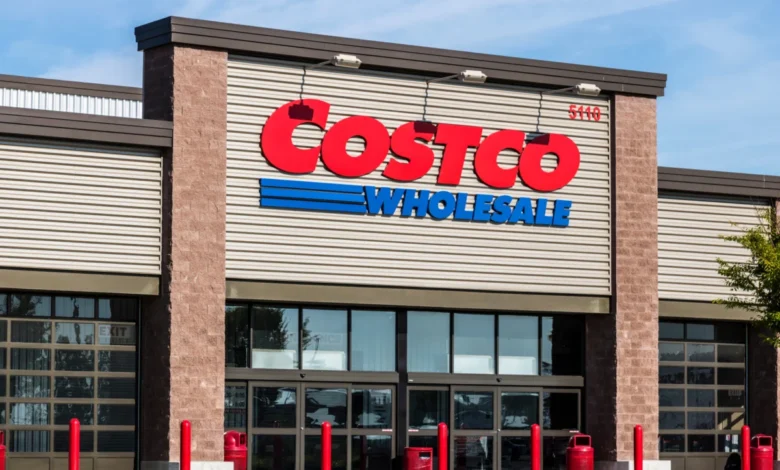
Traditionally, the wholesale model relied on the "treasure hunt" experience, where members would visit physical locations to browse bulk inventory. By extending this inventory to an on-demand app, Costco is effectively converting the physical warehouse into a micro-fulfillment center. This strategy allows Costco to leverage its existing real estate as a competitive advantage against pure-play online retailers who must pay the overhead for dedicated distribution centers.
Furthermore, the integration of Costco memberships into the Uber Eats ecosystem creates a significant barrier to entry for other delivery apps. By tying the membership program directly to the Uber One subscription, both companies are creating a "walled garden" that discourages users from switching to competitors. This is a sophisticated play for data ownership and long-term customer retention.
As the retail sector continues to blur the lines between physical and digital commerce, Costco’s strategy serves as a blueprint for traditional retailers. By focusing on high-frequency, high-value delivery, the company is successfully insulating its core business from the volatility of the digital market while simultaneously providing a modern convenience that its aging and diversifying demographic increasingly demands.
The successful execution of this nationwide expansion will likely serve as a litmus test for the retail industry. If Costco continues to see higher-than-average growth from its third-party delivery channels, other mass merchants may be forced to pursue similar, deep-integrated partnerships to avoid losing their most valuable customers to more agile, digitally integrated competitors. The shift also suggests that the future of retail is not necessarily about owning the entire supply chain, but rather about owning the customer relationship through seamless, reliable, and multi-channel fulfillment.