
Google Ads video ad sequence campaigns represent a sophisticated departure from standard YouTube advertising by enabling brands to deliver a series of video clips in a strictly defined, chronological order to individual viewers. While conventional YouTube campaigns are often optimized for immediate reach or broad brand awareness through isolated impressions, sequence campaigns function as a narrative engine. By guiding a user through a predetermined path of content, marketers can effectively move prospects through the sales funnel, transitioning them from initial brand discovery to informed consideration and, ultimately, conversion.
The Strategic Evolution of Video Advertising
The digital advertising landscape has shifted significantly over the past decade, moving away from high-volume, single-touchpoint strategies toward more nuanced, long-tail engagement. Google introduced the Video Ad Sequence (VAS) format to address the inherent challenge of ad fatigue and the "fragmented journey" that modern consumers take before making a purchase. Historically, advertisers struggled with the inability to control the sequence in which a user encountered their brand assets; a user might see a retargeting ad before they ever saw an introductory video.
By enforcing a rigid order, advertisers can now build a story—introducing a brand’s value proposition in the first clip, showcasing social proof or product features in the second, and delivering a time-sensitive call-to-action (CTA) in the third. This capability is distinct from other YouTube campaign types, which may utilize multiple videos but distribute them based on automated delivery algorithms that prioritize reach over narrative cohesion.
Technical Architecture and Campaign Deployment
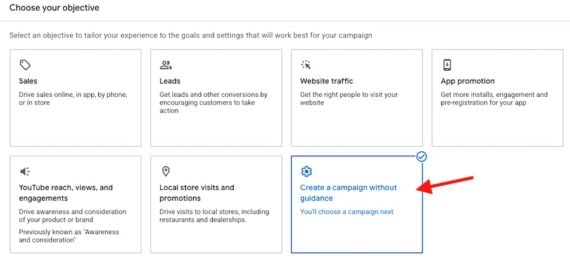
Deploying a video ad sequence requires a precise, non-standard configuration within the Google Ads dashboard. To initiate a sequence, an advertiser must bypass the automated campaign suggestions. By selecting "Create a campaign without guidance" followed by the "Video" campaign type, users can access the "Ad sequence" subtype. It is a common point of confusion for novice media buyers that selecting the "YouTube reach, views, and engagements" objective automatically disables the sequence functionality, as those objectives are optimized for broad-spectrum performance rather than sequential logic.

Once the sequence subtype is selected, the campaign enters a restricted bidding environment. Unlike standard video campaigns that offer a variety of bidding strategies—such as Maximize Conversions or Cost-Per-View—sequence campaigns are limited strictly to Target CPM (tCPM). This constraint reflects the nature of the campaign, which prioritizes the delivery of the narrative to the target audience at the lowest possible cost per thousand impressions. Furthermore, frequency capping is a mandatory component of the configuration. Advertisers are required to set a cap, typically every 7 or 30 days, to ensure that the user does not become overwhelmed by the sequence, which would likely result in brand annoyance rather than engagement.
Designing the Narrative Flow
Each step in a video ad sequence is technically configured as a distinct ad group. This structure is intentional, allowing for granular control over the assets within each stage. A four-step sequence equates to four separate ad groups, each with its own bid, asset, and transition logic.
The transition logic is the most critical element of the campaign’s success. Advertisers must define what triggers the next video in the series. The options are categorized by user interaction: "impression," "view," or "skip." For instance, a sophisticated strategy might involve showing the second video only to those who viewed the first, while showing a different, more persuasive version to those who merely had an impression but did not watch the video in its entirety. This allows for a "branching" narrative that tailors the experience based on the depth of the user’s previous interaction.
To support this, Google’s internal Asset Studio has become an essential tool for production teams. The "Trim videos" functionality allows marketers to take a singular long-form brand video and segment it into smaller, high-impact clips that fit the sequence requirements. While Google’s AI-generated video tools are available, industry experts often advise caution, recommending that brand-specific, human-produced content remain the primary component to ensure brand voice consistency throughout the sequence.
Practical Application: The Yarbo Case Study
Consider the application of this technology for a hardware manufacturer like Yarbo, which produces autonomous lawn care robots. The product is a high-consideration purchase, requiring potential customers to understand the technology before they are ready to commit to a purchase.
In an "Introduce and Reinforce" sequence, the marketing team might start with a 30-second demo video detailing the ease of installation. If the user engages with this initial clip, the sequence triggers a second video—perhaps a 15-second spot highlighting a "Labor Day Sale" with a direct "Buy Now" CTA. By separating the education (the demo) from the incentive (the sale), the brand prevents the user from being bombarded with a sales pitch before they have even understood the product’s core benefits.
If the goal were instead to differentiate the brand from competitors, the team might utilize an "Engage and Differentiate" sequence. This could involve four 15-second clips, each focusing on a different competitive advantage: silent operation, weather-resistant build, app integration, and long-term cost savings. By spacing these out, the brand maintains a presence in the user’s awareness for a longer duration, reinforcing the brand’s identity across multiple days or weeks.
Data Analysis and Performance Measurement
Interpreting the success of a sequence campaign requires a move away from standard conversion-focused KPIs. Because the primary objective is demand generation and sequential engagement, analysts should prioritize metrics that reflect the health of the narrative:
- Average View Percentage: Indicates whether the video length is optimized for the viewer’s attention span.
- Sequence Drop-off Rate: Measures at which step users are abandoning the narrative. A high drop-off between step one and step two suggests that the initial hook is not compelling enough to warrant further engagement.
- Total Sequence Reach: Monitors how many unique users are completing the full journey from the first video to the final call to action.
While click-through rates (CTR) and conversion rates remain essential for tracking final ROI, they are secondary in this context. A video ad sequence is a "top-to-middle of funnel" strategy. If a video has a 10% view rate but a high percentage of viewers move to the next step, the content may still be considered successful in its role as a bridge to conversion.
Broader Implications for Digital Marketing
The rise of video ad sequencing highlights a broader trend toward "intentional" advertising. As privacy regulations tighten and the reliance on third-party cookies diminishes, the ability to nurture prospects through first-party engagement—where the user interacts with a brand’s own content ecosystem—is becoming a competitive advantage.

From a market perspective, this shift is expected to reduce the reliance on aggressive retargeting ads that often track users across the web. Instead, by keeping the narrative contained within the YouTube environment, brands can provide a cleaner, more controlled user experience. However, the high barrier to entry—requiring higher-quality creative assets and a deeper understanding of campaign mechanics—means that this strategy is most effective for mid-to-large enterprises with dedicated creative teams.
As of late 2026, the industry consensus remains that while video ad sequence campaigns require more administrative overhead than automated "Smart" campaigns, the ability to control the user’s journey is invaluable for brands in sectors where customer education is a prerequisite for revenue. By treating the advertising sequence as a narrative arc rather than a series of disparate ads, marketers can transform their YouTube presence from a simple display channel into a robust storytelling platform.